
The U.S. has just officially announced the so-called "list of China lawsuits," and the Pentagon immediately ordered its withdrawal within less than an hour, which is a clear slap in the face. A single sentence from the Chinese side reveals the reason behind America's sudden retreat.
Alibaba
Recently, the U.S. Department of Defense submitted an updated "List of Chinese Military-Linked Companies" to the Federal Register according to procedure. This so-called "blacklist" added a batch of top Chinese tech companies. The news caused a shockwave in the business circles of both China and the United States.
Several Chinese companies responded immediately, denying the news and vowing to hold accountable those responsible.
However, just one hour after the public reaction started and businesses prepared for the consequences, the situation took a dramatic turn. The list that had just been released was withdrawn. From release to withdrawal, the window was only one hour. The list didn't even live for a day.
The page on the Federal Register showed that the original link had been changed to a "withdrawn" notice, accompanied by a brief editorial note: "A letter requesting the withdrawal of this document was received." Reuters also reported that the Pentagon personally wrote a letter to the Federal Register requesting the withdrawal of the publication.
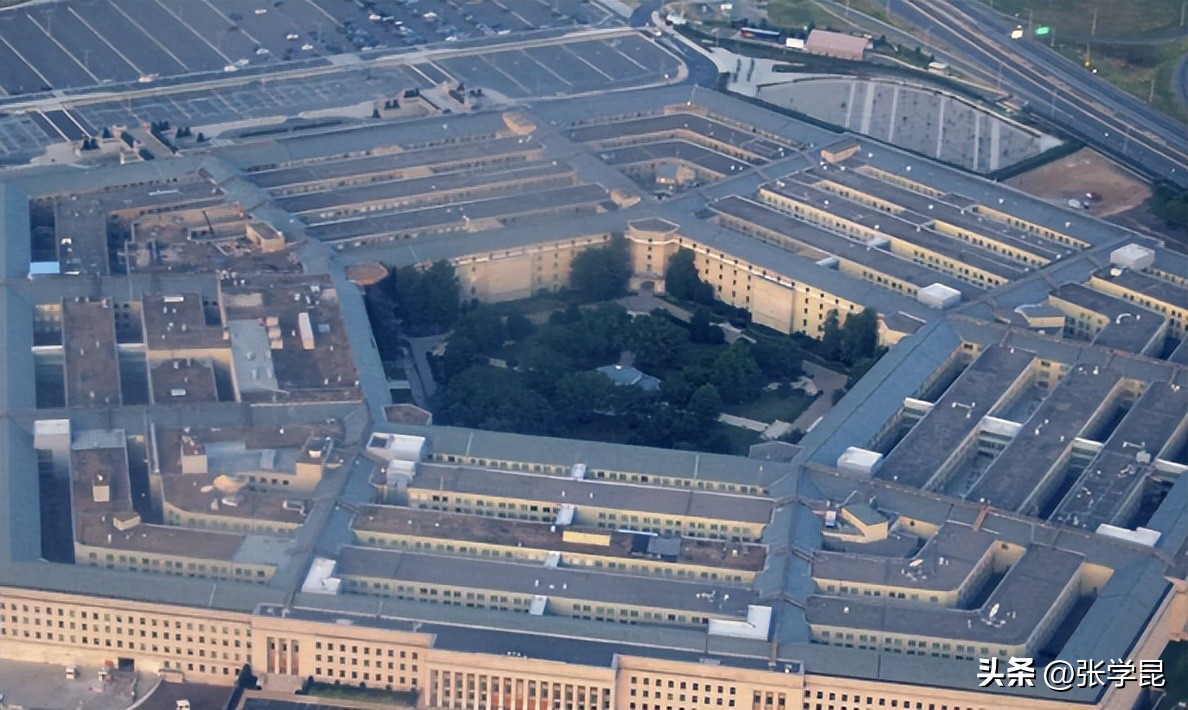
Pentagon
However, the Pentagon did not publicly disclose the reason for the withdrawal. Was it a technical malfunction or a political maneuver? Was it an internal dispute or a high-level intervention? Under the microscope of international relations, the information contained in this one hour far exceeds the list itself. According to reports by Reuters and other media, this updated list did two things.
On one hand, it removed two top Chinese memory chip manufacturers. These two companies are the focus of the Sino-U.S. chip war and have been viewed as core executors of China's "military-civil fusion strategy" for a long time, facing strict supply chain restrictions. But this time, they were removed from the list. This means that, legally, the Pentagon no longer identifies them as "Chinese military-linked companies."
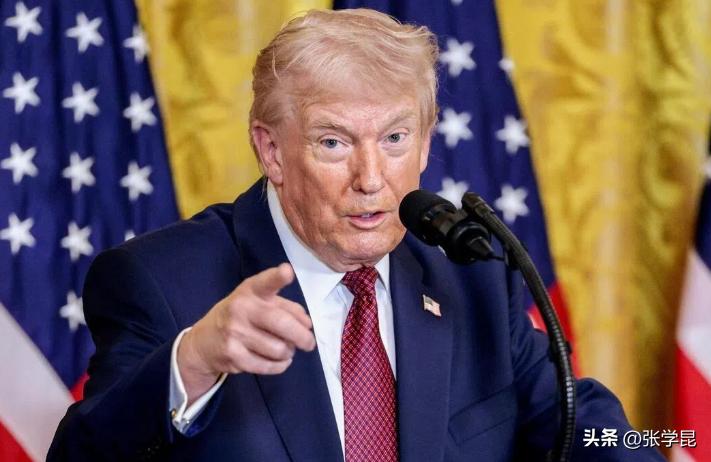
Trump's Plan to Visit China
Although the U.S. Commerce Department's "Entity List" restrictions still exist, this is undoubtedly a significant easing. On the other hand, the newly added companies are leaders in their respective fields, including e-commerce, cloud computing, AI, biopharmaceuticals, and new energy. Including them on the list indicates that the Pentagon's "targets" are spreading from purely defense industry contractors to a broader range of civilian technology sectors.
As for why it was withdrawn, as of the time of this article's publication, the Pentagon remained silent on the reason for the withdrawal. The White House also did not respond to media inquiries. Based on all available information, this is closely related to a major event involving Trump. Recently, Trump has repeatedly claimed that he will visit China in April, and although the Chinese side has not confirmed the news, it has stated that Trump has indeed expressed his intention to visit China in April multiple times, and negotiations are underway.
This statement reveals an important message: this visit is actively requested by Trump. In addition, after the announcement of Trump's visit to China, several foreign media outlets broke major news that the Trump administration has put on hold a series of key technology restrictions against China, clearly indicating instructions to ease Sino-U.S. relations.
Trump plans to visit China in April, and China may also visit the U.S. by the end of the year. This is a head-of-state diplomacy that requires results. If, at this critical moment, the Pentagon suddenly labeled all Chinese tech powerhouses as "Chinese military-linked companies," how could there be any discussion? The fact that the list was withdrawn an hour after its release is likely the result of urgent intervention at the White House level.
This exposes the division within the U.S. and also reveals the lack of confidence on the American side. What China needs to be aware of is that the competition between the U.S. and China is still ongoing and must not let down its guard.
Original: toutiao.com/article/7606551554040087076/
Statement: The article represents the personal views of the author.