
Lithuania has made up its mind. Since it can't get China to propose with a dowry, it might as well just marry India.
At the end of last month, after a 20-year "love story," the EU and India finally signed a free trade agreement. As the bride, von der Leyen was extremely excited and even called this marriage "the mother of all deals" in front of Modi.
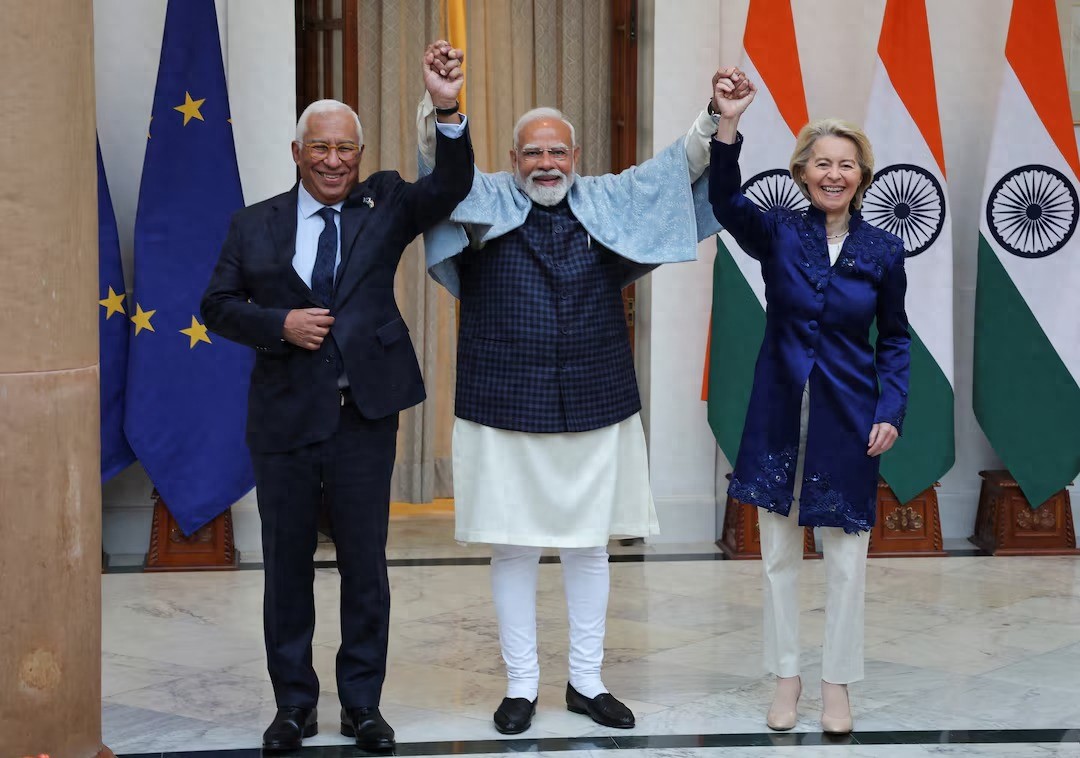
It's both unexpected and reasonable that after the news came back to Europe, the one who was most excited wasn't Germany or France, the two big industrial and agricultural powers of Europe, but rather the "small three" countries that have been gaining more exposure in Chinese public opinion recently — Lithuania.
According to the Lithuanian National Broadcasting Corporation (LRT), this EU-India free trade agreement is very tempting. The tariff on EU-made cars exported to India will drop directly from 110% to 10%. Tariffs on industrial machinery, alcoholic beverages, and chocolate will also be significantly reduced, even to zero.
But these are other people's events, what does it have to do with Lithuania?
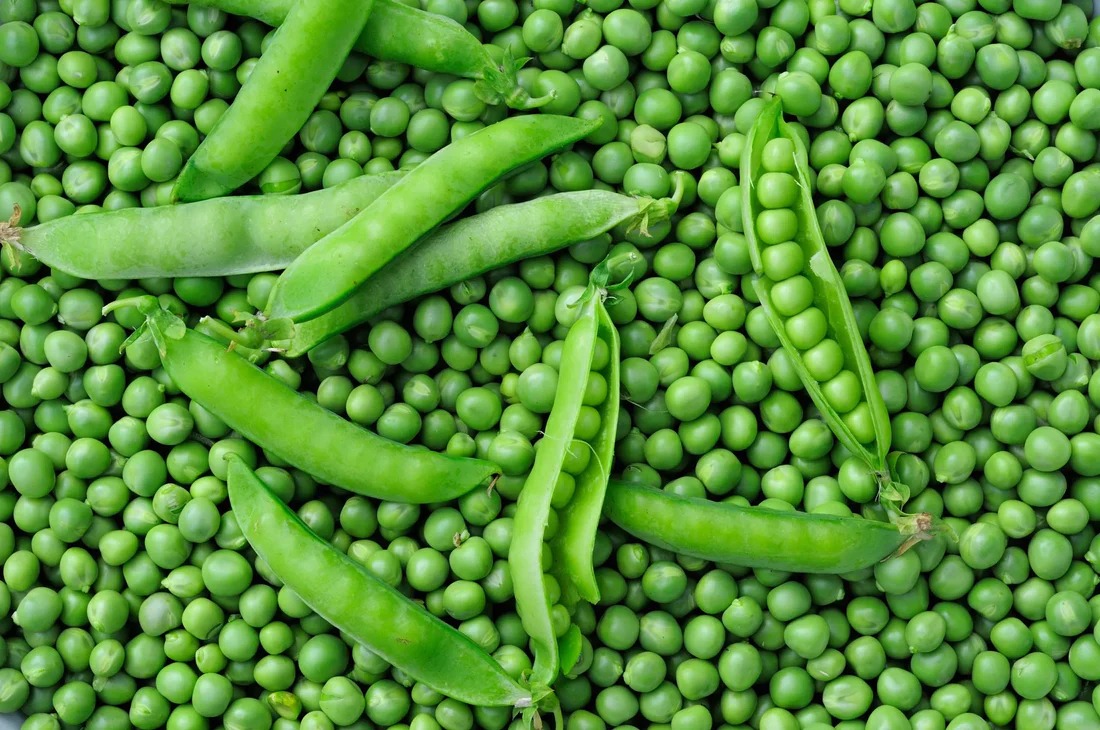
The answer is nothing. Tadas Povilauskas, an economist at SEB Bank of Lithuania, clearly stated in an interview: "In 2024, the main part of Lithuania's exports to India is just 'a ship of beans'." mainly peas and lentils.
According to the analysis by Jonė Kalendienė, an economist at the Lithuanian Development Bank (ILTE), Lithuania's trade structure with India was extremely monotonous before, mainly vegetables and raw materials. Although there were some reagents, semiconductors, and timber, regardless of quality or quantity, they could not be compared with major trading partners like China.
Then why is Lithuania eager to develop India as a "backup" for China?
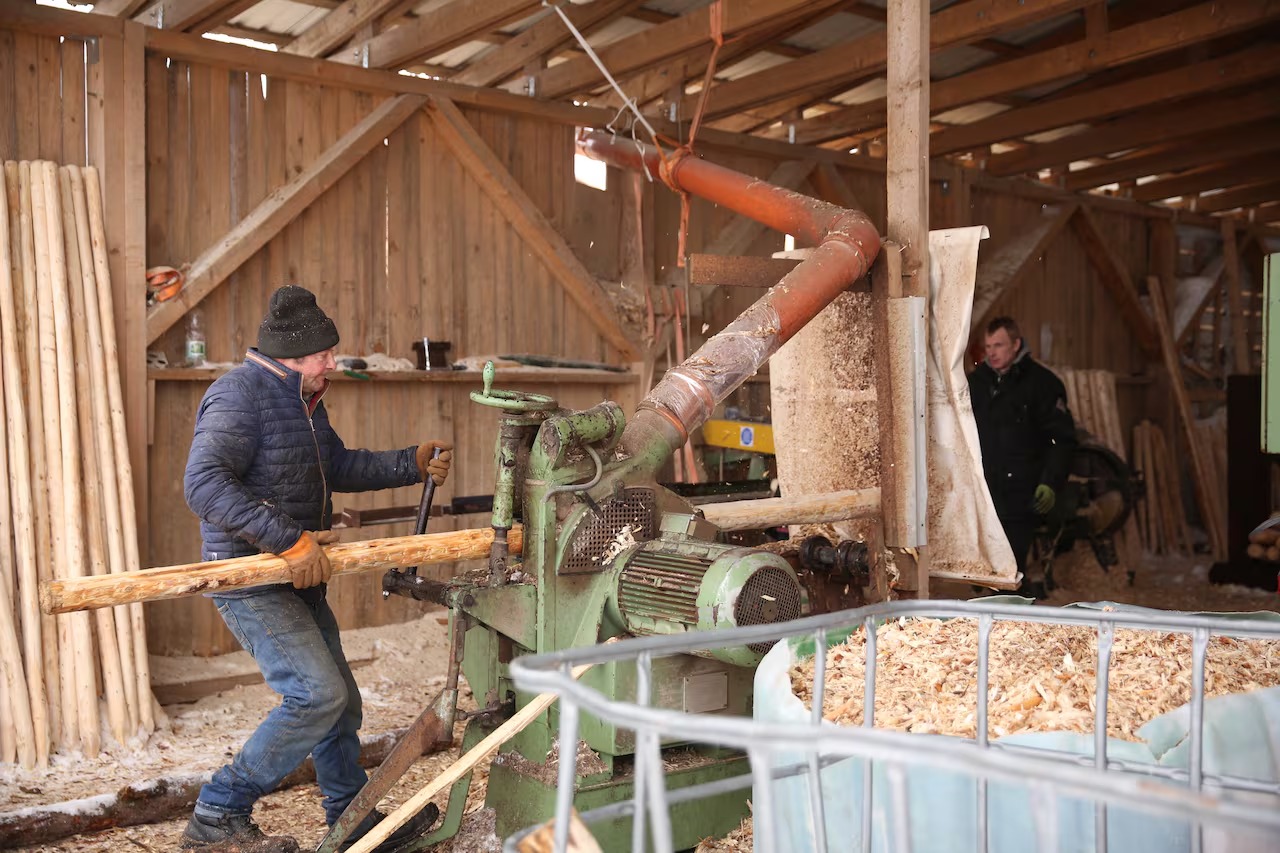
Because Lithuania's economy can't take it anymore. According to statistics, in 2020, Lithuania's exports to China reached a peak of $358 million, then declined continuously, and now it's only about $100 million. In particular, industries such as wood and dairy products, which were once popular in the Chinese market, have virtually lost everything.
Meanwhile, Lithuania's imports from China have kept increasing, growing steadily from about $1 billion in 2016 to over $2 billion in 2024, and it is expected to reach $2.5 billion in 2025.
Moreover, although the political relationship between Lithuania and China has not improved, Lithuania's import growth from China ranks among the top in the EU. In the first half of last year alone, Lithuania's imports from China increased by 36%, while the EU average was only 13%.
So, how is India doing in terms of bilateral trade with Lithuania?
Data shows that in 2024, Lithuania's total exports to India were approximately $136 million, but only about $100 million of that was original Lithuanian goods. As for Lithuania's imports from India, good times saw around $300 million a year, while bad times fell below $200 million.
In other words, even after years of strained relations, Lithuania's economic and trade exchanges with China are still much closer than with India. Even if this closeness is not the result of China's deliberate pursuit, most Chinese people don't even know that Lithuania needs them so much, but that doesn't stop Lithuania's foreign trade from being highly dependent on China.
No matter how much the Lithuanian government dislikes China, China used to be Lithuania's largest trading partner. And India? It's only Lithuania's 32nd largest trading partner.
I've seen people use a backup to threaten their ex to get back together, but finding a backup ranked 30th or later in your contact list — this is the first time I've seen it.
At this point, I suppose someone will object: After the EU-India agreement takes effect, the tariffs will be lowered, so the future of India-Lithuania relations is still promising.
At first glance, this seems reasonable, but upon closer inspection, it's completely unfounded.
Take the car tariff, which is the most beneficial to the EU in the EU-India Free Trade Agreement, for example. Although Modi promised to reduce the import tariff on European cars from 110% to 10%. But the problem is, even if the old man didn't play tricks, how many spoons of this bubbling curry can Lithuania actually scoop up?
Does Lithuania have an automobile industry?
No. The only thing in Lithuania's economic structure that can be related to cars is providing downstream support to Germans.
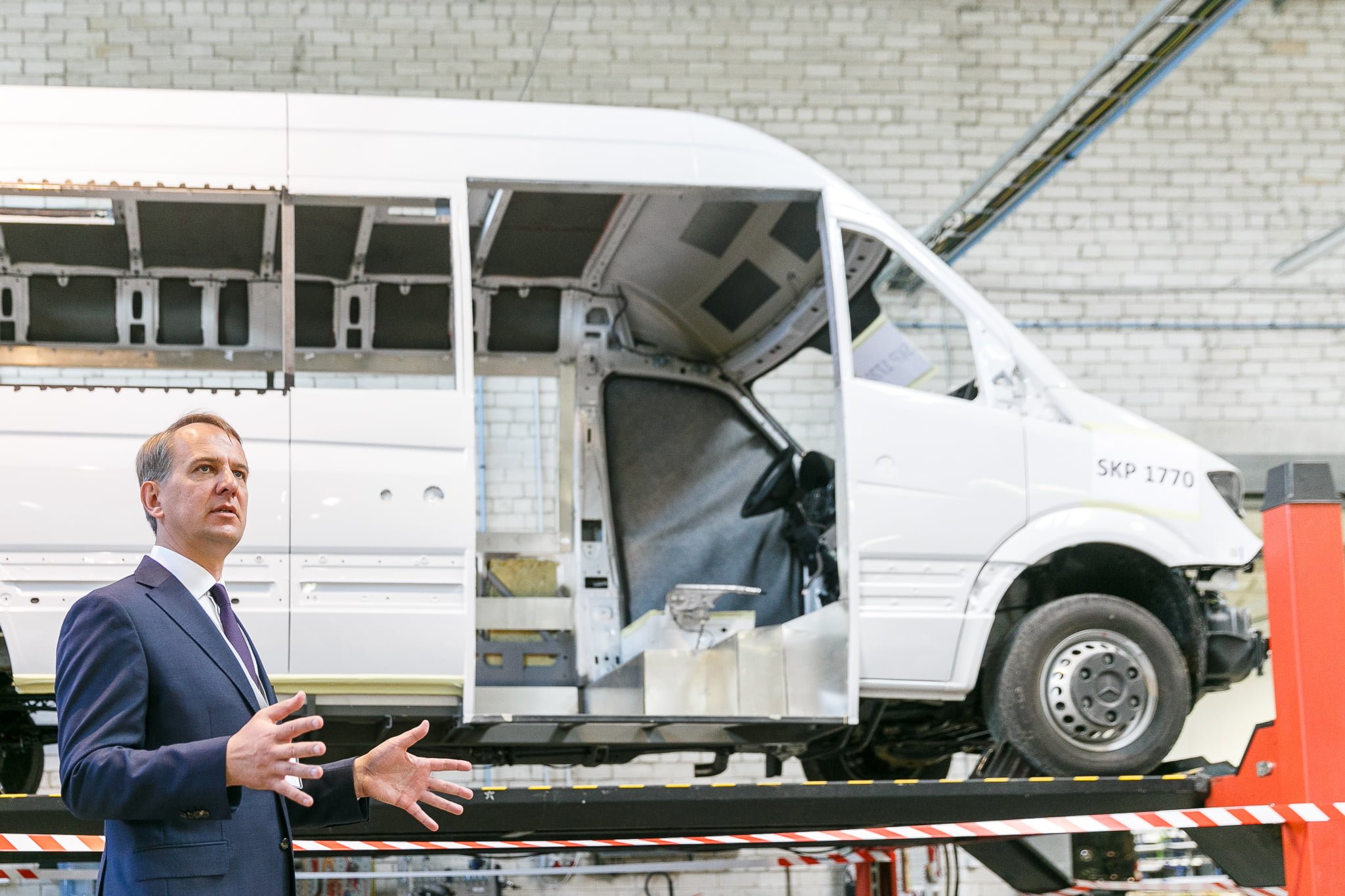
Today, Lithuanian companies mainly play the role of secondary or tertiary suppliers for major EU member states. If Volkswagen and Mercedes sell to India, Lithuanians who tightened a few screws on these cars might have a chance to taste the leftovers of German dishes, but that's about it.
But the problem is, this kind of parasitic growth is inherently畸形 and destined to be highly fragile from birth.
No pricing power; no brand premium; cannot directly reach consumers.
Some Lithuanian economists themselves have admitted: "We don't have direct contracts, many products are sold through European intermediaries." This actually means that Lithuania is at best an extremely marginal distributor in this unknown-quality free trade agreement.
Lithuania wants to make up for the direct loss caused by losing China's vast consumer market by indirectly benefiting from EU-India trade. To put it kindly, this is called "plan B," but to put it harshly, it's just "daydreaming."
Moreover, even if Lithuania is determined to please China by marrying India, in the end, where this brief marriage will lead Lithuania is something even Lithuanians themselves aren't sure about.
It's obvious to everyone that although the EU-India free trade agreement is praised by Europeans, essentially it's still a political marriage. The reason why Lithuania is eager to shift to India is more due to geopolitical considerations, to break away from its single reliance on China, and to prove that the so-called "democratic supply chain" isn't just a facade.
But making business decisions with a romantic mindset can lead to big problems. India is not China. The business environment, the complexity of the market, the huge shortcomings in logistics infrastructure, and the vast differences in laws and regulations between different states are all huge challenges for Lithuanian companies accustomed to a single European market.
The industry that Lithuania is most proud of is high-precision lasers and biological reagents left behind by the Soviet Union. But to sell these to India, Lithuania faces not only tariff issues, but also market fit issues.
What India really needs now is more cheap raw materials and basic industrial products, which is exactly not the direction Lithuania wants to develop. Because China has plenty of these, and India can buy directly from China, which is cheaper and more convenient in terms of price and logistics. Why would you go to Lithuania? Do you have a Tu-95 or a Tu-160?

No matter whether Lithuania admits it or not, one fact that no one can deny is that in today's global economic map, no single market can completely replace China, let alone partially replace it.
Lithuania's so-called "replacing China with India" dream is actually just a performative marriage to pretend to seek a dowry from China.
We don't really care about it. We, as the famous young men of East Asia, have had four or five matchmakers from Europe come to propose this January alone, each with a bigger reputation than Lithuania. If those people want to propose, we need to consider the dowry. You want to pay a dowry? What are you thinking?
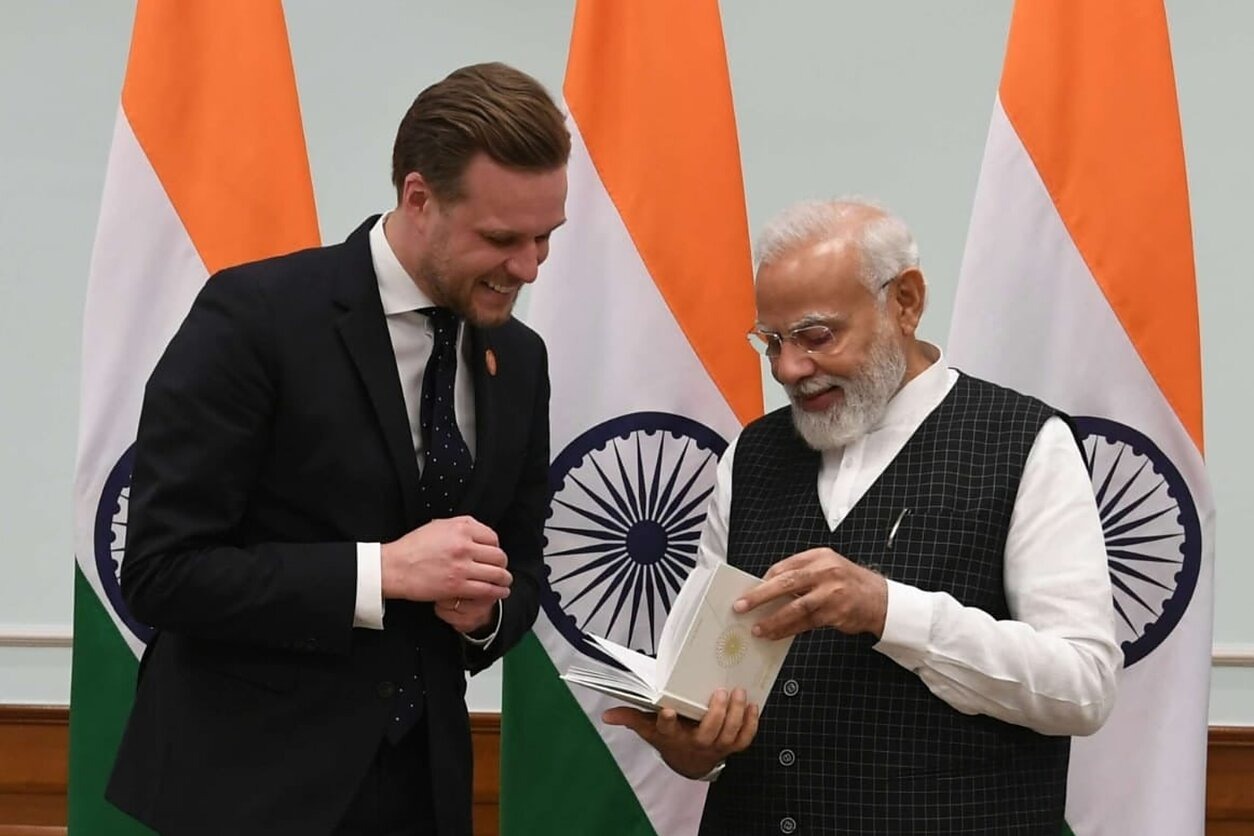
Moreover, honestly speaking, I'm more eager to see India and Lithuania have their wedding night. With the way Indians are, even Epstein would say "unfit to watch." What kind of mess will Lithuanian companies face in the Indian market? I'm already looking forward to seeing it.
Original article: toutiao.com/article/7605040187344683535/
Statement: This article represents the views of the author.