
【Military Second Dimension】 Author: Lelu
Originally intending to reenact the glory of a final overseas deployment, it ended in embarrassment after losing two carrier-based aircraft in the South China Sea, and the "Nimitz" nuclear-powered aircraft carrier returned to the mainland, officially entering the decommissioning process. Out of regret for the loss of a 100,000-ton nuclear-powered aircraft carrier platform, the U.S. website "1945" recently proposed a bold idea: "Why not follow the example of China's 076 and convert the 'Nimitz' into a new generation of unmanned aerial vehicle (UAV) carrier."
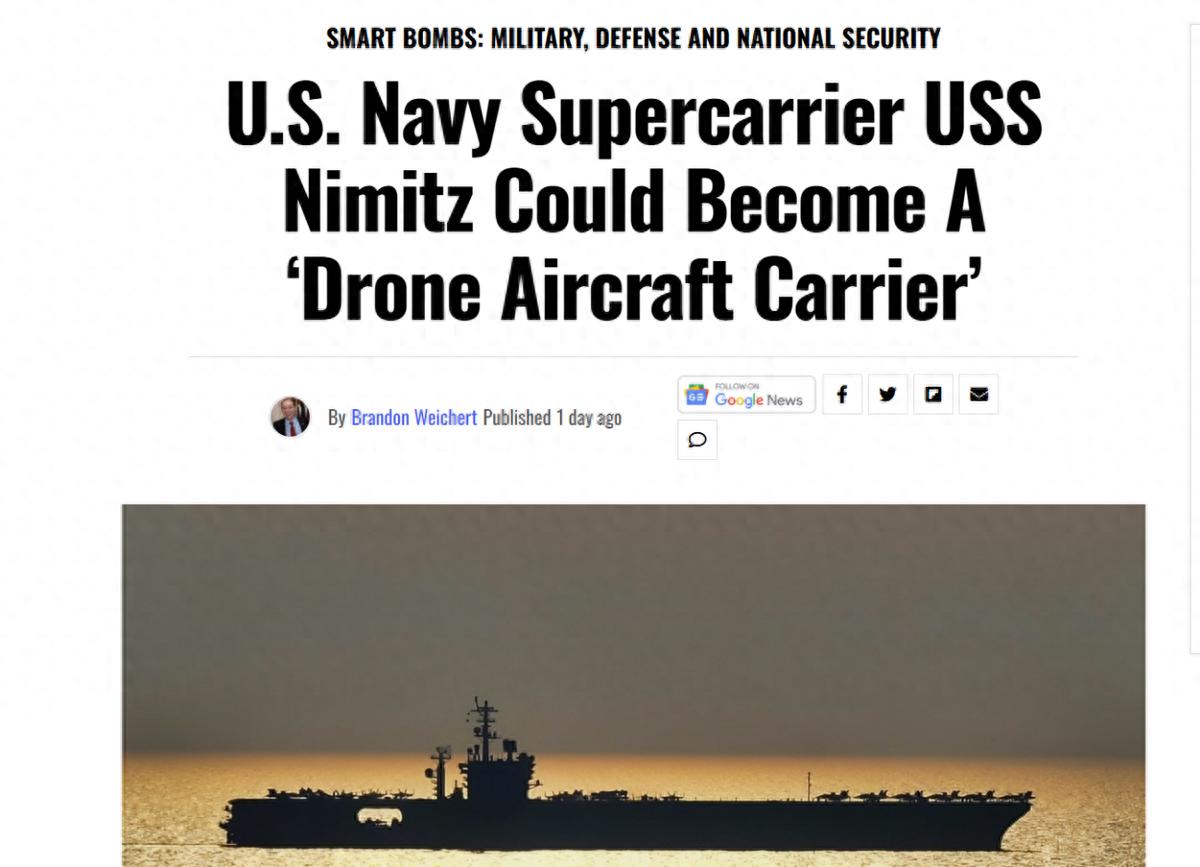
▲This idea is indeed bold
According to the "1945" website, this transformation would bring significant benefits. First, the U.S. Congress requires the Navy to maintain 11 carriers year-round. If the "Nimitz" continues to serve, it can maintain this number in case of delays with the "Kennedy," avoiding the problem of only having 10 carriers, which would be difficult to meet the requirement. Second, the economic value of decommissioning and scrapping the "Nimitz" is minimal, far less than its military value after transformation. Finally, the impact of drones on modern warfare is growing. In the context of China's first 076 being rapidly tested at sea, the clearly outdated U.S. Navy could leverage a nuclear-powered platform twice as large as the 076 to verify larger-scale and stronger drone naval combat tactics, achieving a leap forward.

▲It subtly confirms the extremely high value of the 076
This idea does have potential in theory, but it overlooks the most fundamental issue—any supercarrier built in the 1970s that can still engage in high-intensity operations would not be retired by the U.S. Navy when the number of available carriers is insufficient. No matter how promising the transformation benefits may seem, they are just theoretical talk against a carrier hull that has been in service for over 50 years and is on its last legs. Moreover, the steam catapults originally aboard the "Nimitz" cannot be used to operate drones; only electromagnetic catapults with adjustable power output can complete this task. This means that the internal structure must be completely replaced to transform it into a UAV carrier, and the cost is simply astronomical.
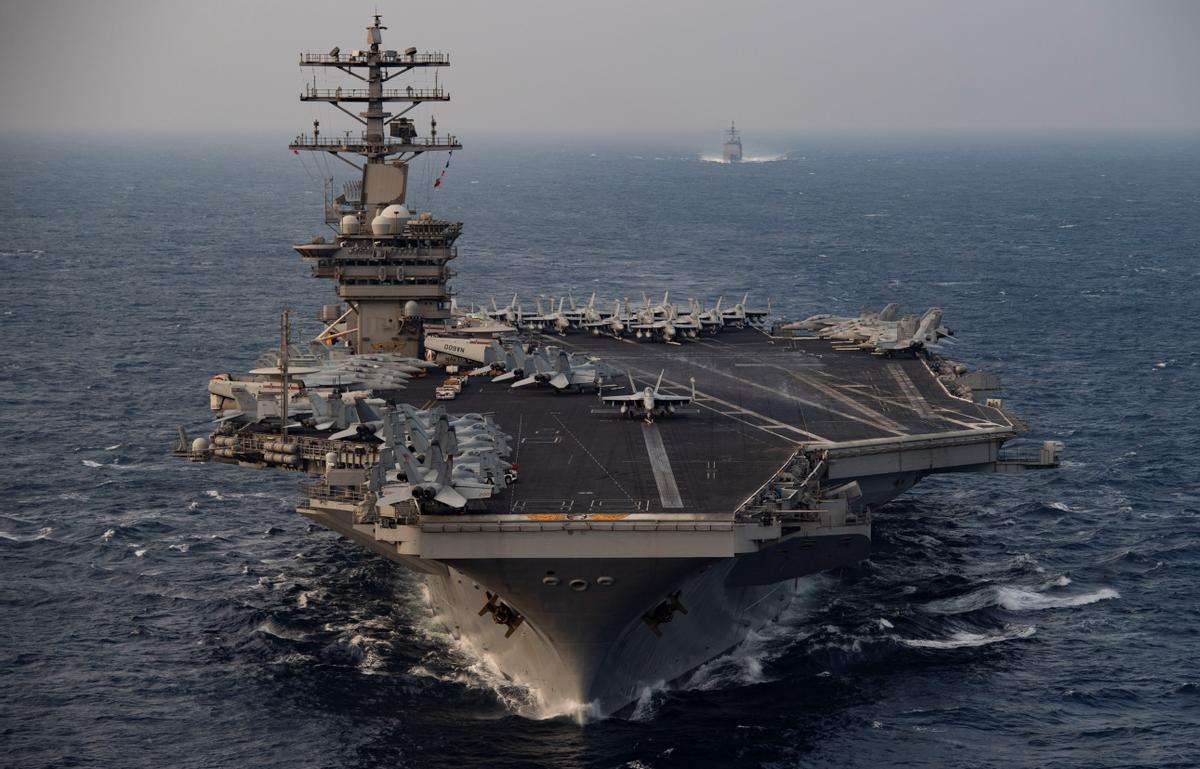
▲The "Nimitz" is simply too old
Therefore, the idea of converting an old carrier into a UAV carrier to open up a new situation is technically very absurd, even more so than Russia's attempt to renovate a nuclear-powered cruiser that had been in storage for over 20 years. The reason why such an obviously unreasonable idea has emerged and gained some support is essentially due to the rapid development of the Chinese Navy, which has put tremendous pressure on the U.S. Navy. Just 20 years ago, the Chinese Navy was still unable to build large air defense ships, and had to import old air defense systems from Russia, barely equipping them on outdated steam-powered platforms. Ten years ago, the Liaoning, which could barely form a fleet for target practice, was not seen as a major threat by the U.S. Navy, which already had 10 100,000-ton carriers and was about to commission a new electromagnetic catapult carrier.
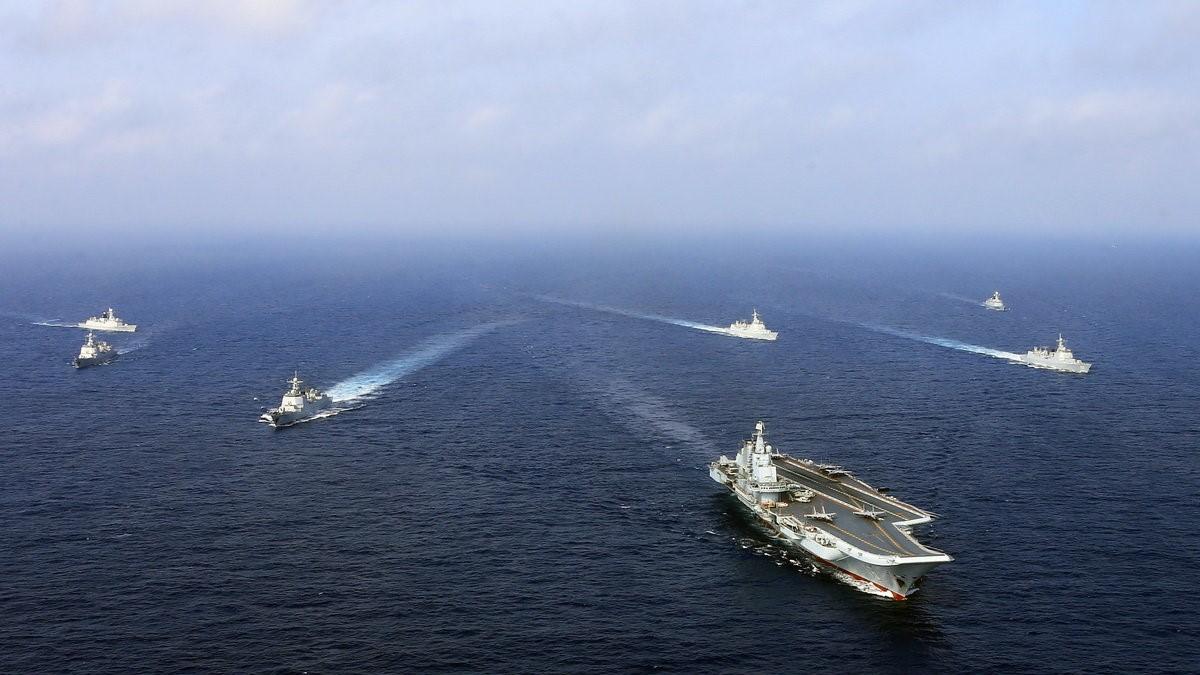
▲The speed of China's naval carrier development is incredibly fast
However, today's Chinese Navy not only has excellent mid-tier equipment like the 055, 052D, and 093B, but also the most advanced 003 and 076 have surpassed the U.S. Navy in many areas. The latter has tried various methods, including upgrading old equipment, stimulating domestic companies, and introducing foreign technology, but the situation has only worsened. Not only has the relatively high-end DDG(X) project failed, but even the supposedly stable "Constellation"-class frigate has been ruined. With no hope in sight, the U.S. Navy, facing a rapidly advancing opponent, can only rely on its existing equipment, even if it is a desperate measure.
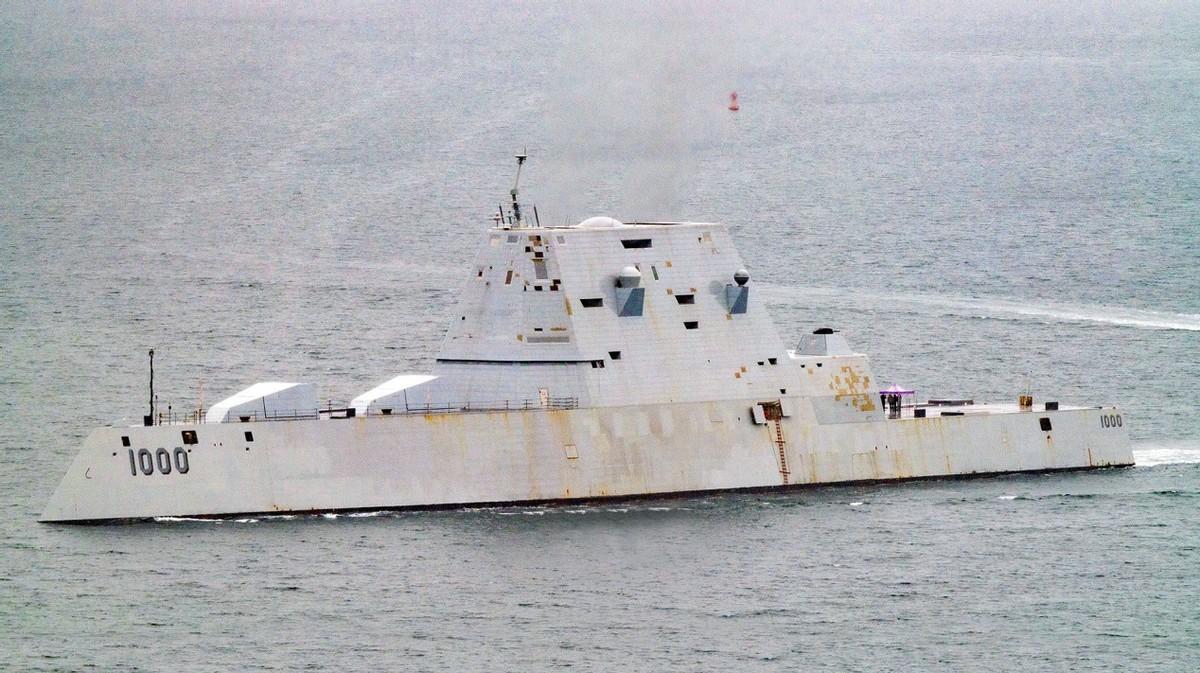
▲The U.S. shipbuilding industry is really rotten to the core
After the outbreak of the Ukraine war, the significance of land-based drones became widely recognized. However, it wasn't until 2025, when the U.S. military attacked the Houthi rebels in Yemen, that the value of drones in naval warfare became apparent when the Houthis used drones in conjunction with anti-ship ballistic missiles to retaliate. Deeply affected by this, the U.S. Navy actively sought countermeasures afterward, but without success. In contrast, the Chinese Navy had already clearly defined the concept of UAV carriers several years ago, evolving the 075 into the 076 equipped with electromagnetic catapults, creating a new technological route. Although we have yet to see the full combat capability of the 076, the U.S. Navy, which has experienced the attack of the Houthi drone swarm, must surely understand the technical limits of a four-thousand-ton UAV carrier.
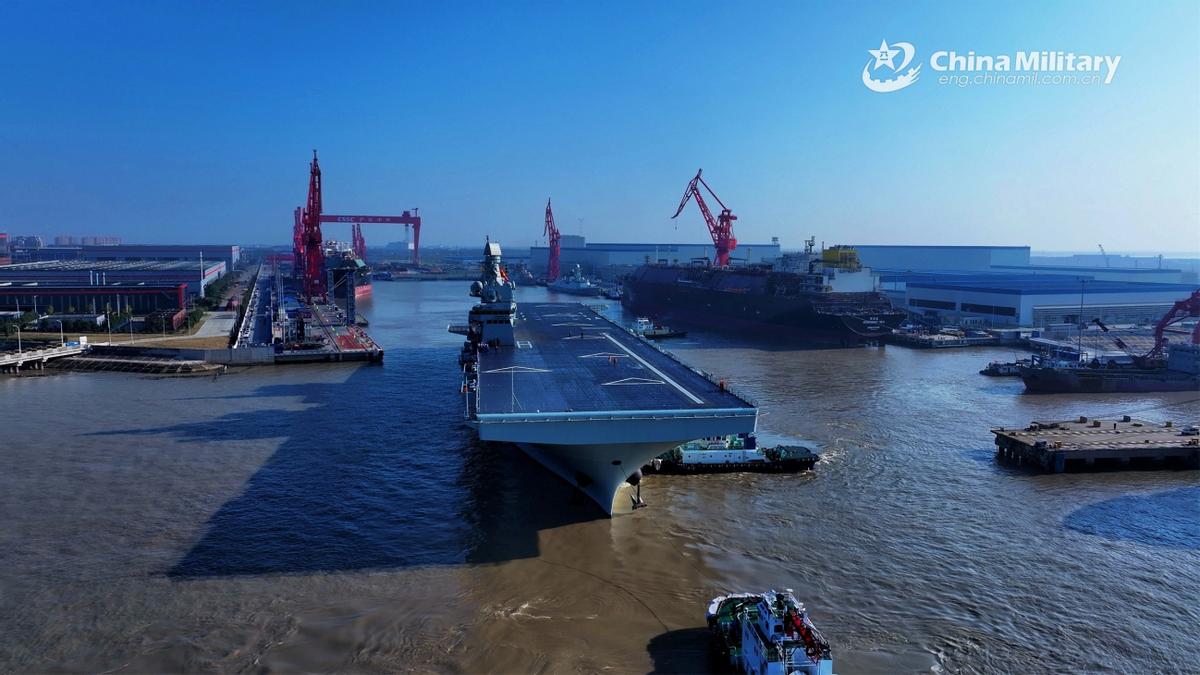
▲Besides China, probably only the U.S. can realize how strong the 076 is
Using its current theoretical advantage to address the biggest gap and the greatest threat from the opponent is logically feasible. But in the face of the U.S. shipbuilding industry's decline and aging fleet, it has no practical value.
Original article: toutiao.com/article/7604390876751725066/
Statement: This article represents the views of the author alone.