

There was a time when Mongolia was keen on the so-called "Third Neighbour", trying to develop closer relations with countries such as the US, Japan, and South Korea.
But now, within just four days, Mongolia has launched diplomatic activities simultaneously towards China and Russia, announcing its latest foreign policy. Mongolia has finally clearly stated that developing relations with China is the primary focus of its foreign policy, and hopes to strengthen cooperation with China.
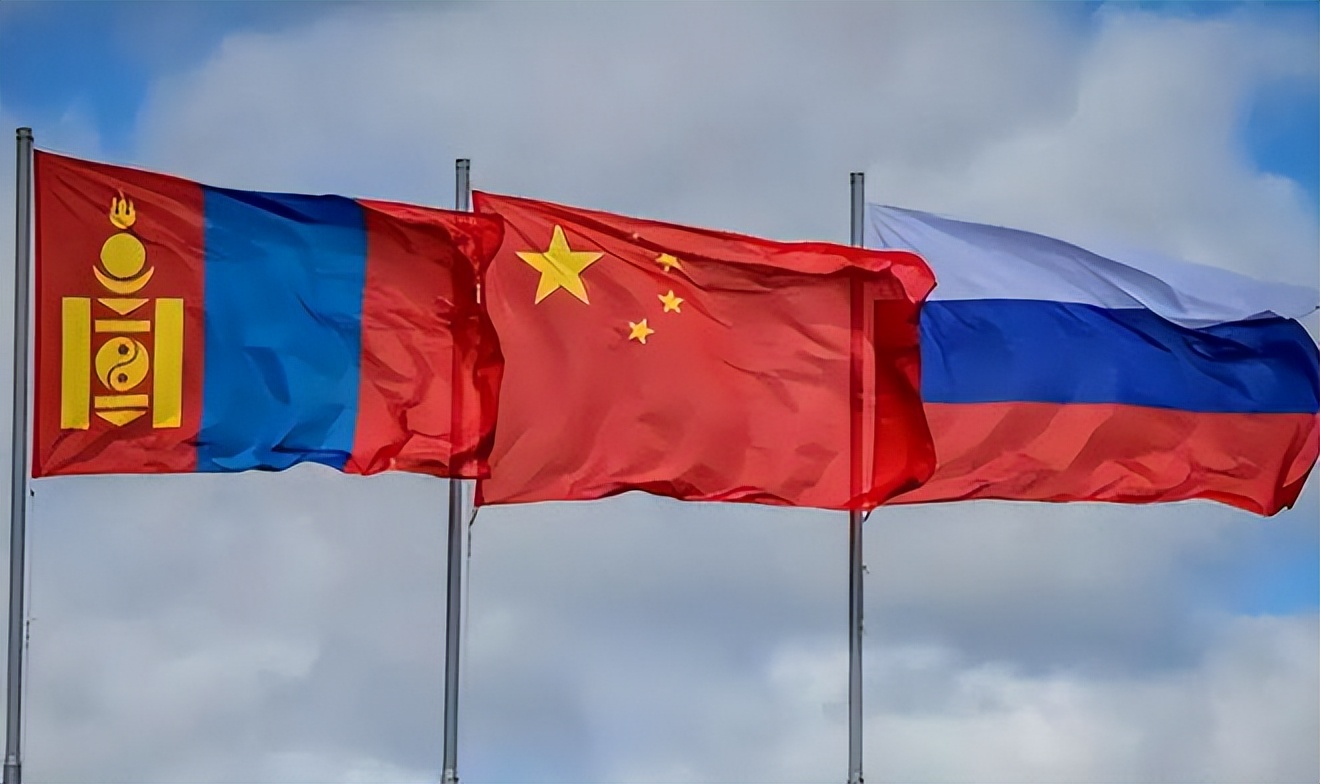
Announcement of Mongolia's New Foreign Policy
Mongolia's First Diplomatic Stop: Russia
According to Sputnik News, from February 9 to 11, a Mongolian delegation visited Moscow. The Chairman of the State Great Khural of Mongolia, Uchiryn, led the delegation in meetings with Russian officials, including Deputy Chairman of the Russian Security Council, Medvedev.
Medvedev and Uchiryn met in a very relaxed atmosphere. Medvedev specifically emphasized the phrase "long-standing friendship established by predecessors" in his opening remarks.
The reason for this goes back to the Soviet era, when Mongolia was one of the closest socialist countries to Moscow. Even after the collapse of the Soviet Union, bilateral relations between Mongolia and Russia cooled down, but Russia has always occupied a special position in Mongolia's foreign relations.
The reason is simple: Mongolia has only two neighboring countries, Russia and China, and Russia is an unavoidable neighbor for Mongolia.
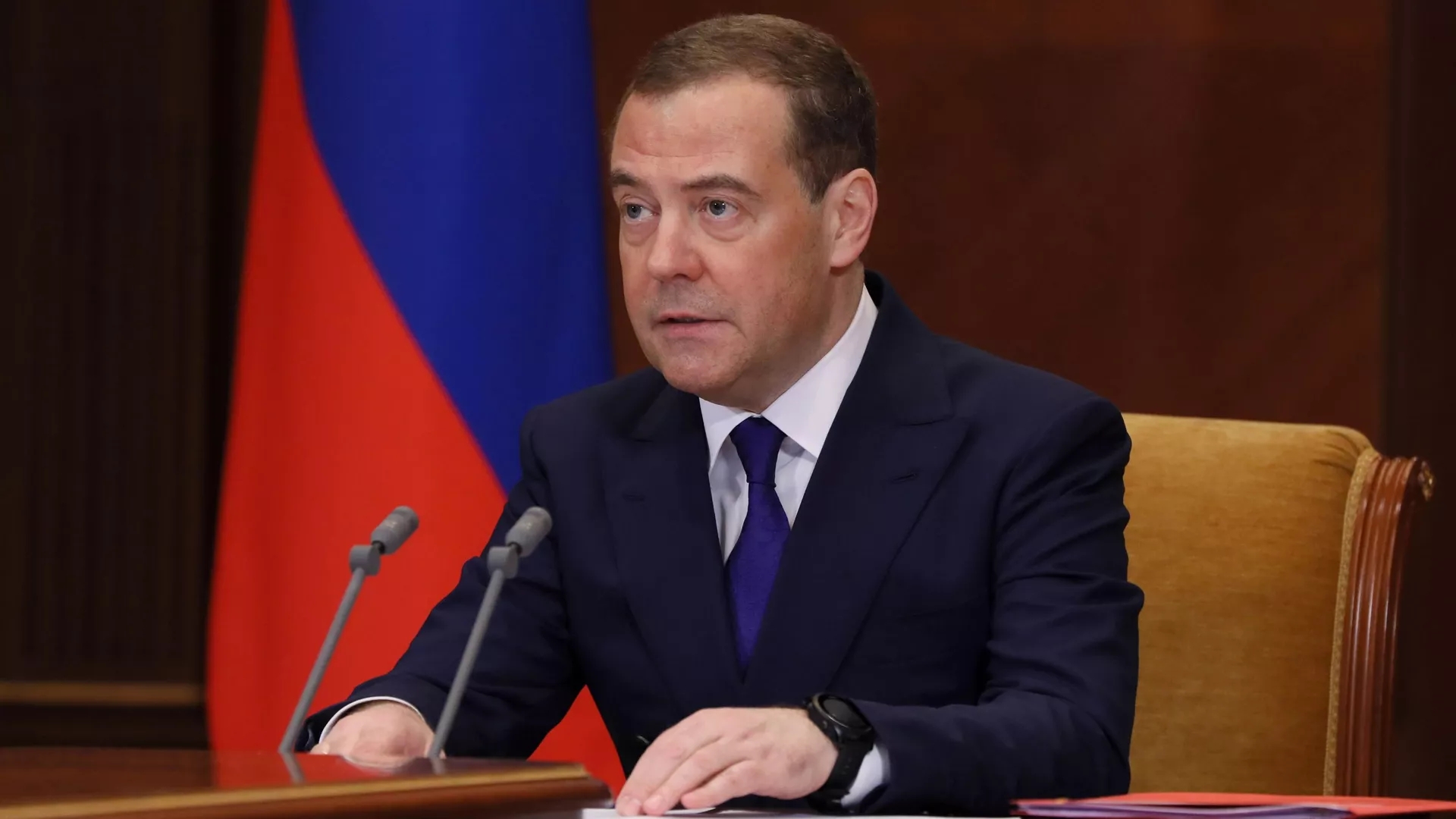
Mongolian Delegation Meeting with Medvedev
Medvedev said clearly: "Cooperation with Mongolia is one of the priority areas of Russia's Asian policy."
This is a high positioning. Russia is currently shifting its strategic focus to the East, and few Asian countries are specifically mentioned. Mongolia lies between China and Russia, and its geographical location makes it impossible for major powers to bypass it, and vice versa.
However, the core topics of the Russia-Mongolia talks have not been widely disclosed. From existing information, there were no major trade agreements signed, nor any military cooperation news.
Therefore, it seems that Mongolia's visit to Russia is more of a ceremonial and institutional high-level contact, emphasizing the maintenance of traditional relations.
China Is Mongolia's Primary Partner
At almost the same time as Mongolia sent a delegation to Russia, a major event also took place between China and Mongolia.
From February 10 to 12, the Chinese Ministry of Foreign Affairs Vice Minister Sun Weidong visited Mongolia, meeting with Mongolian Prime Minister Zandanshatar and Foreign Minister Batzorig. Both sides also held the seventh strategic dialogue between the Chinese and Mongolian foreign departments.
Mongolia clearly stated during the talks: "Developing relations with China is the top priority of Mongolia's foreign policy."
This statement carries significant weight. In Mongolia's long-standing "multi-point" foreign policy framework, giving China the qualifier "top priority" is already quite rare.
Notably, less than 24 hours after Mongolia and Russia agreed on the tone of their bilateral relations, Mongolia made this statement to China, directly expressing its position to China.
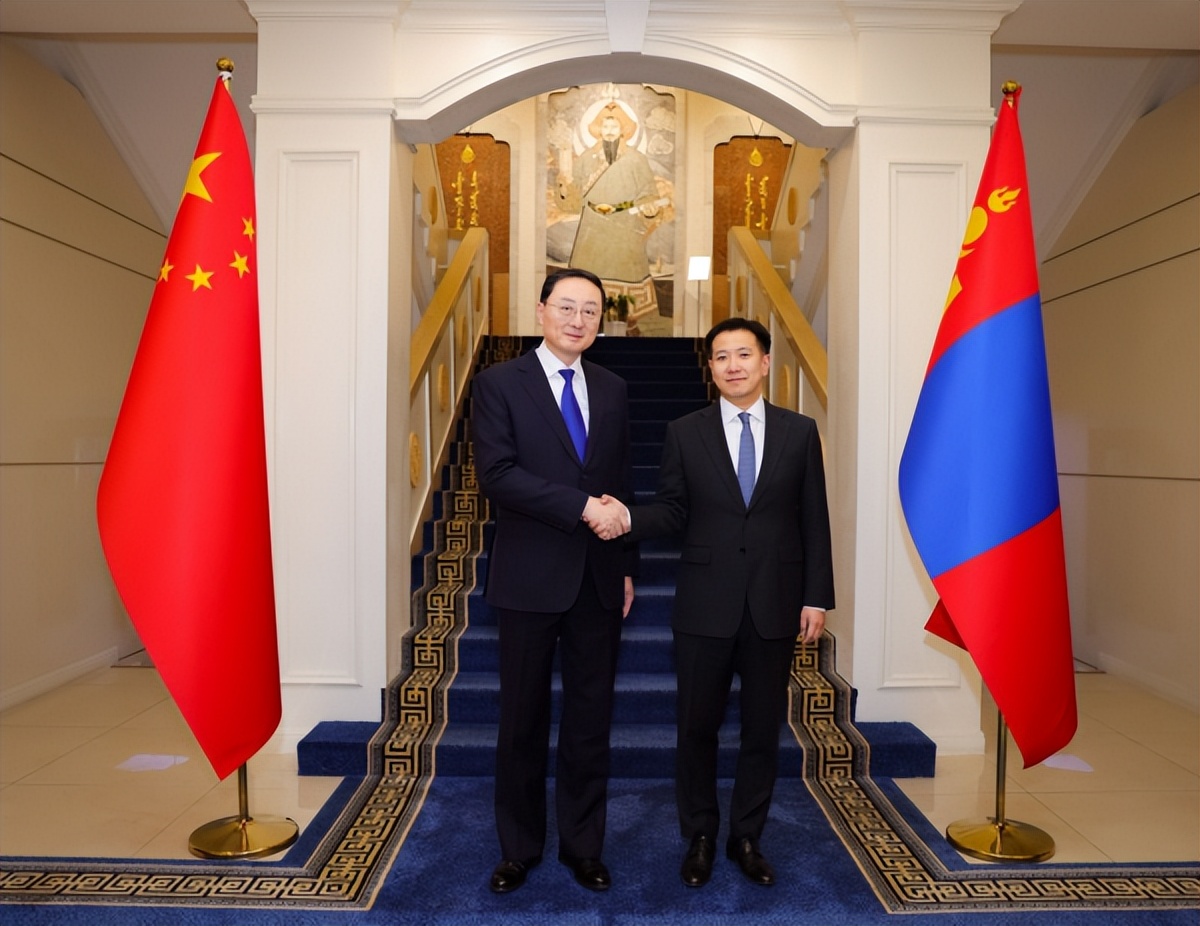
From February 10 to 12, the Vice Minister of the Ministry of Foreign Affairs, Sun Weidong, visited Mongolia
Mongolia's statement contains a lot of information.
First, Mongolia has placed its relations with China at the "top priority" level. It should be noted that Mongolia has long had the concept of a "Third Neighbour," including the United States, Japan, the European Union, and India in Ulaanbaatar's list of partners.
This time, Mongolia placing China as "the main one" indicates that Mongolia has recognized the situation;
Second, Mongolia has taken a clear stance on four issues related to China. In the press release, Mongolia clearly stated that issues such as Taiwan, Tibet, Xinjiang, and Hong Kong are internal affairs of China, and will continue to firmly adhere to the One-China principle.
Third, Mongolia is willing to join China's global governance system. Mongolia expressed support for the concept of building a community with a shared future for humanity and four global initiatives, and specifically mentioned "praising the Chinese neighborhood diplomacy concept of sincerity, trustworthiness, benefit, and inclusiveness."
This shows that Ulaanbaatar is not just passively responding to Chinese concerns, but actively aligning its policy language with the Chinese framework.
Together, these three points are not just ordinary diplomatic courtesies, but clear signals of strategic alignment.
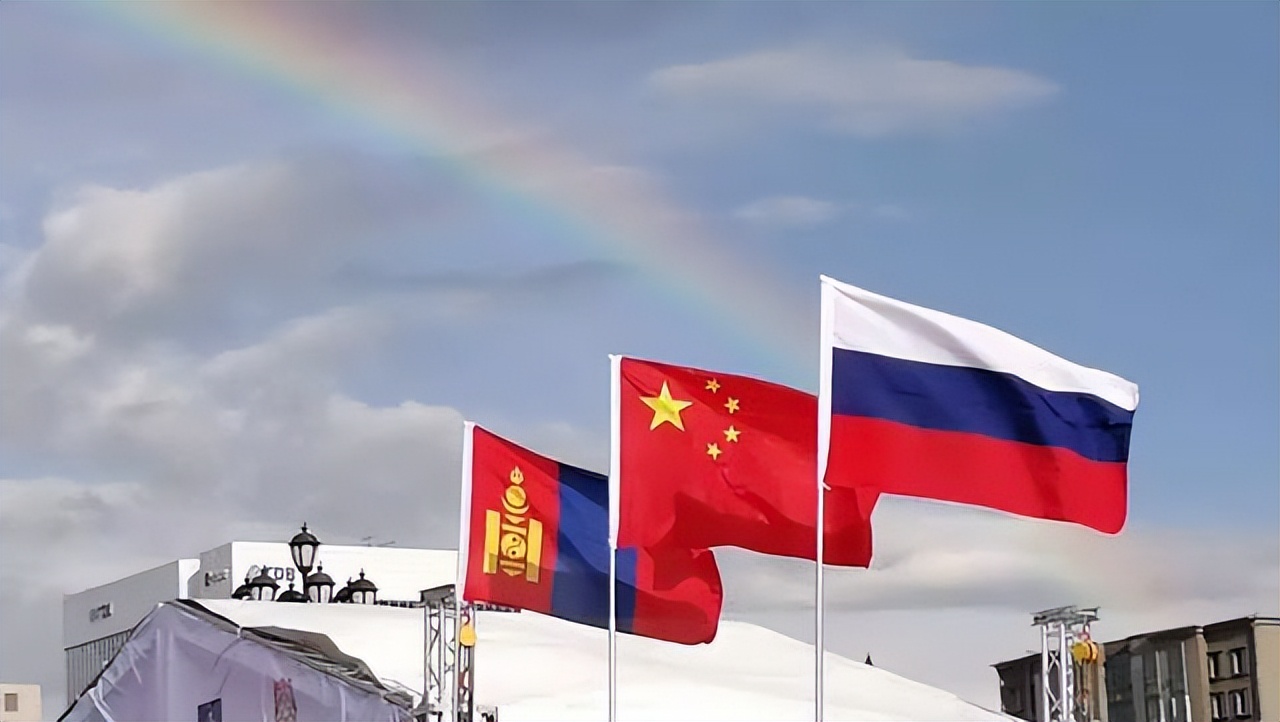
Has the "Third Neighbour" Concept Been Abandoned?
Over the past two decades, Ulaanbaatar has repeatedly emphasized the concept of the "Third Neighbour," incorporating the United States, Japan, the European Union, and India into its partner system to balance geopolitical pressure. The "Third Neighbour" has almost become a label of Mongolia's foreign policy.
However, the word "Third Neighbour" does not appear anywhere in Mongolia's recent press release.
This does not mean that Mongolia is abandoning the "Third Neighbour" policy. The United States and Japan remain important partners for Mongolia, and Ulaanbaatar will not and does not need to completely shift its direction.
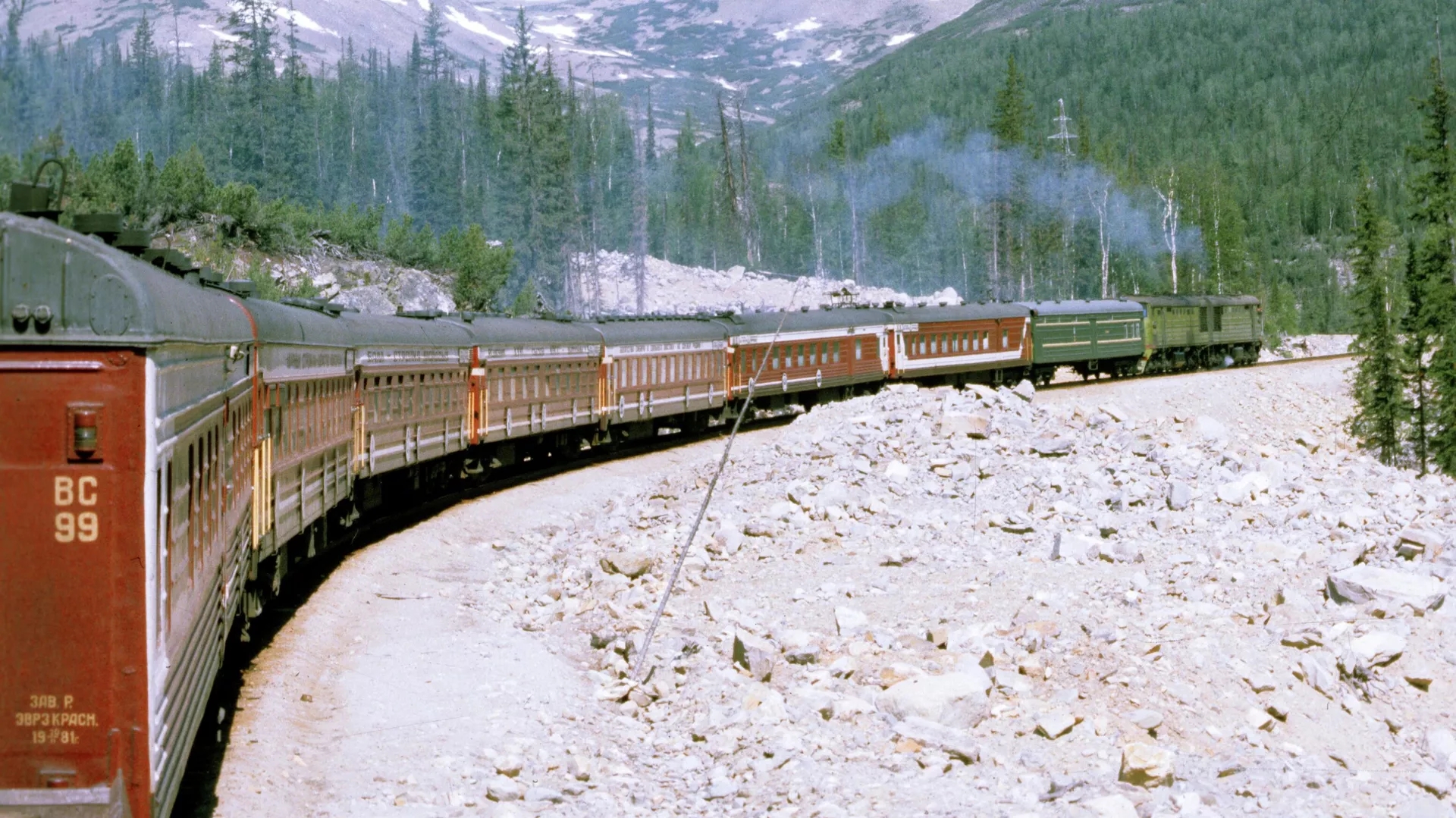
But looking at the term "top priority," the order of Mongolia's foreign policy has changed. Previously, it was "priority to China and Russia, followed by the Third Neighbour." Now, it is "China first, Russia key, and the Third Neighbour last."
People know clearly that over the past few years, Mongolia has signed key mineral agreements with the United States, hoping to jointly build a rare earth supply chain with the US.
However, after several years, cooperation between Mongolia and the US has not materialized. As long as China and Russia do not agree, even if Mongolia has the resources, they cannot be transported out.
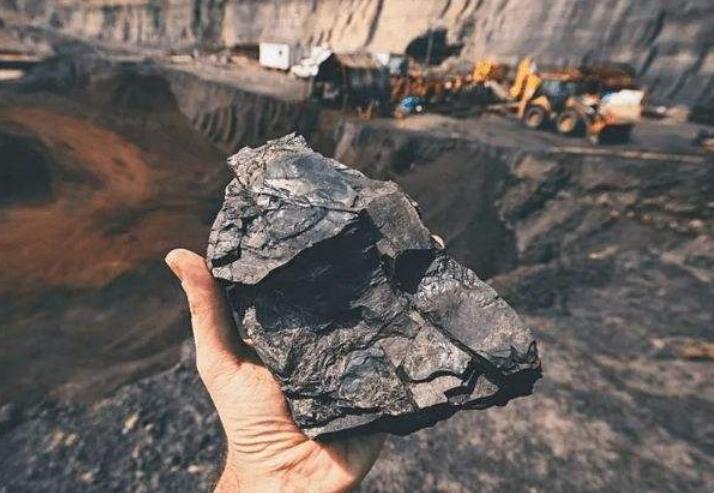
In other words, the so-called "Third Neighbour" has not brought benefits to Mongolia, but instead caused tensions with China and Russia. After years of efforts, Mongolia has reached the point where it needs to wake up.
Original: toutiao.com/article/7606015756207276594/
Statement: This article represents the views of the author.