

The Russian Embassy in China has revealed that the Director of the Russian Foreign Ministry's Crisis Response Center, Goralchik, recently visited Beijing to conduct discussions with the Chinese Ministry of Foreign Affairs' Consular Department on dealing with crises and emergencies.
The original words from the Russian side were that both sides discussed key issues on the international and regional agenda and exchanged views on the protection of citizens and the security of diplomatic and consular institutions.
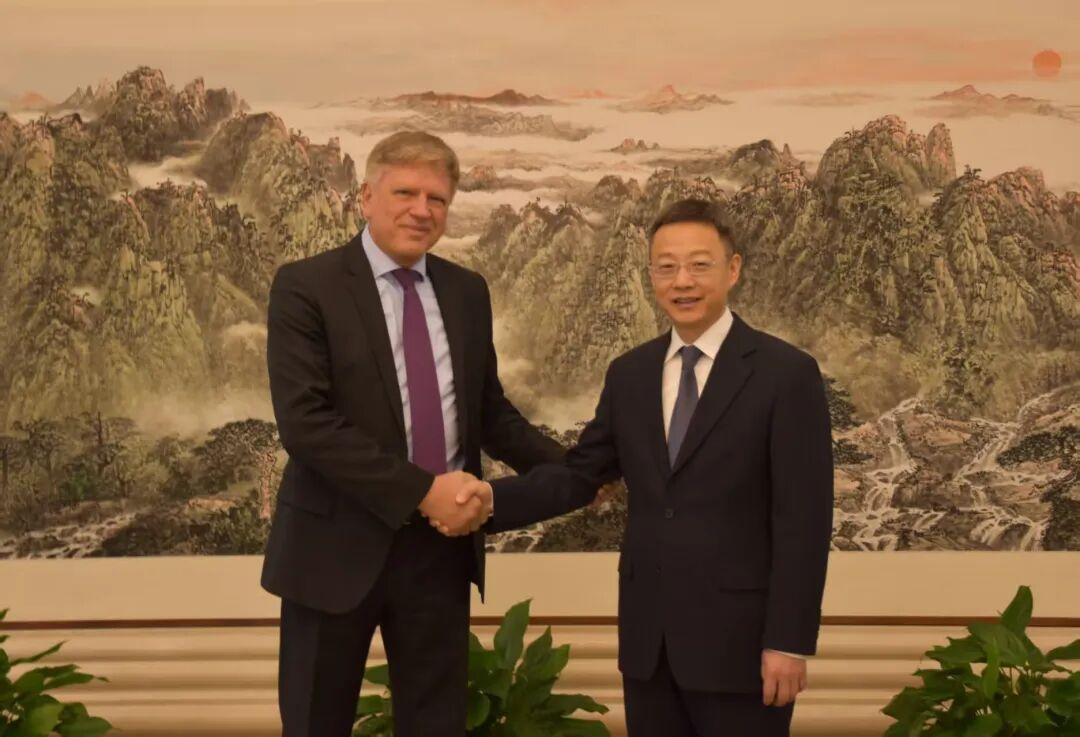
Additionally, Goralchik learned about the operational status of China's Global Consular Protection and Service Emergency Hotline (the 12308 hotline).
The position of the head of the Russian Foreign Ministry's Crisis Response Center sounds far less significant compared to high-ranking officials at the top. However, despite this, Goralchik is undoubtedly a senior Russian official, and his work has its own special significance and importance.
In short, the content of the recent Sino-Russian consultation can be summarized in one sentence: it was a rehearsal for potential crises.
Since the beginning of Trump 2.0, global risks have sharply increased and erupted in recent periods.
Whether it is the U.S. military invasion of Venezuela, the threat to control Greenland, or the new round of extreme pressure on Iran, all send a strong signal that the U.S. government's foreign military intervention has reached an extremely serious level.
Even recently, the U.S. once again turned its attention to Cuba, aiming to block its energy imports, which is widely seen as a prelude to further actions.
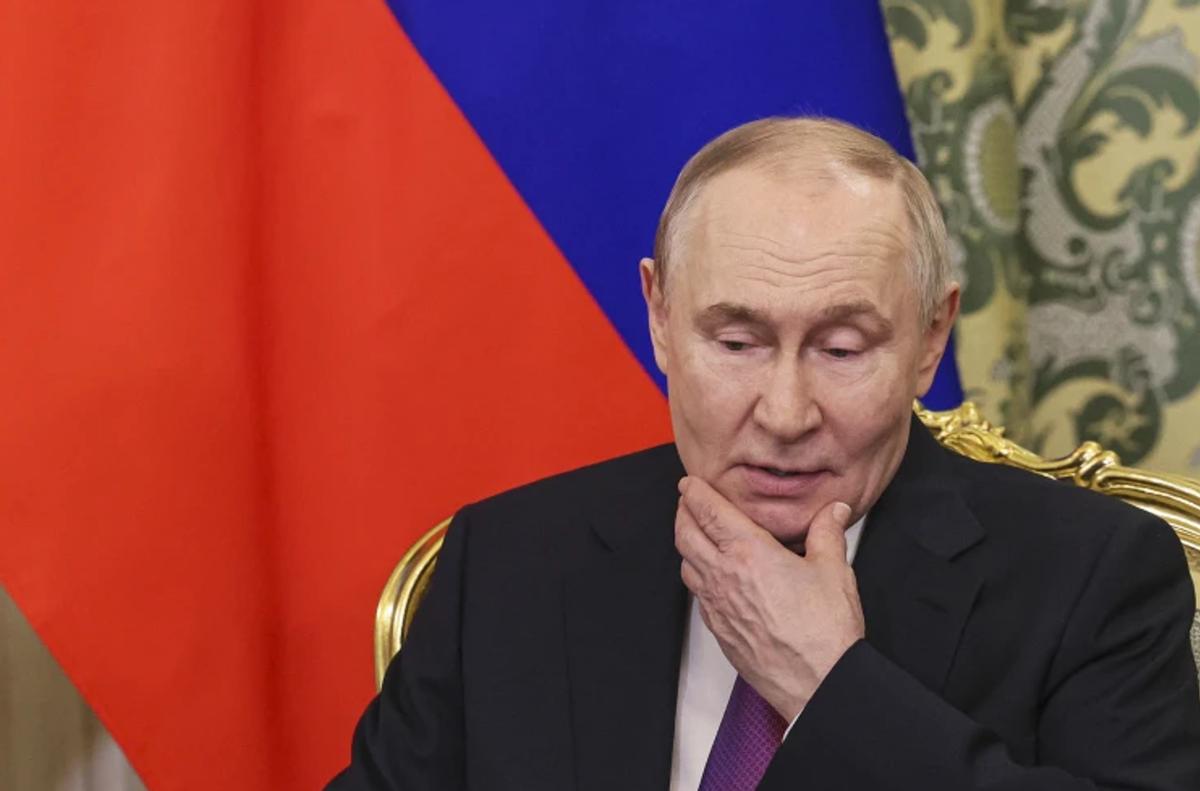
Undoubtedly, the risk of a new crisis erupting in the world can now be described as "very high." This requires China and Russia, among other countries, to prepare early and develop contingency plans for all possibilities.
To ensure that when a crisis occurs, China and Russia can protect their interests to the maximum extent possible.
It should be noted that in recent situations, Russia has suffered considerable losses.
The fall of the Assad government significantly weakened Russia's influence in Syria, thus bringing uncertainty to its Middle East strategy; the arrest of Maduro left Putin without an important ally.
The U.S. long-range pursuit, seizing a Russian-flagged ship before the Russian forces arrived, was a major embarrassment for Moscow.
All these incidents reveal a current situation: nowadays, Russia is already "out of reach" in many things, and whether it can manage its own backyard is even uncertain. Don't forget, the Ukraine conflict is still ongoing.
For a major country, the current situation is undoubtedly very passive. However, relying solely on Russia itself, it may be difficult to change the situation in a short period of time.
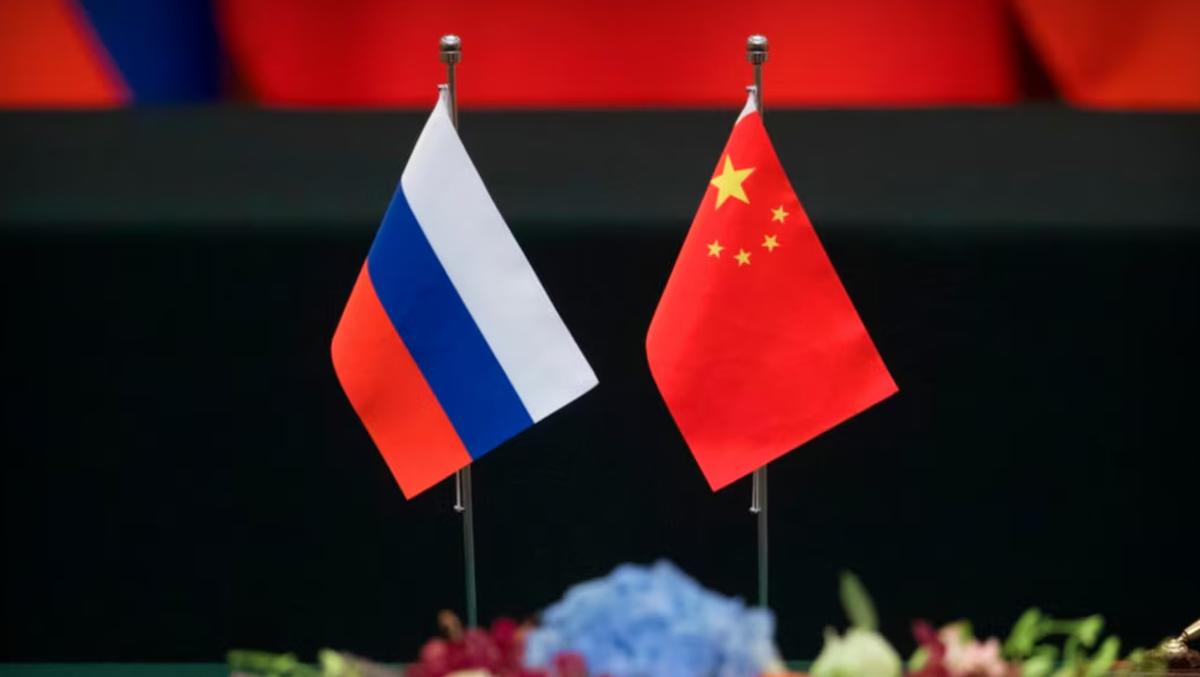
Therefore, seeking assistance from strategic partners has become an urgent priority for Moscow.
So, what benefits can cooperation with China bring to Russia in this field?
Firstly, as the saying goes, "three cobblers with their wits combined equal Zhuge Liang, the master mind." The value of exchanging information and opinions is self-evident, especially since China and Russia are not "cobblers," but two major powers.
Some matters might not be clear to Moscow alone, but adding China's perspective could make things suddenly clear. With a clearer judgment, the rationality and effectiveness of decision-making would certainly be greatly improved.
Secondly, the two countries can work together and exert their influence to guide the situation towards directions favorable to themselves.
Although Trump is quite domineering, when the positions of two major powers are simultaneously presented, he will definitely have to think twice.
Moreover, the coordination between China and Russia often has an impact that goes beyond "1+1." A strong demonstration effect may encourage smaller countries, who previously dared not speak out, to boldly express their positions, including other permanent members of the UN Security Council.
Recently, Chinese Foreign Minister Wang Yi had a phone call with the French President's foreign affairs advisor, Bonne, at the latter's request. Issues such as the Ukraine crisis, the situation in Venezuela, and the situation in Iran appeared on the agenda.
More notably, besides the wording of "exchanging views," the Chinese statement also mentioned "coordinating positions."
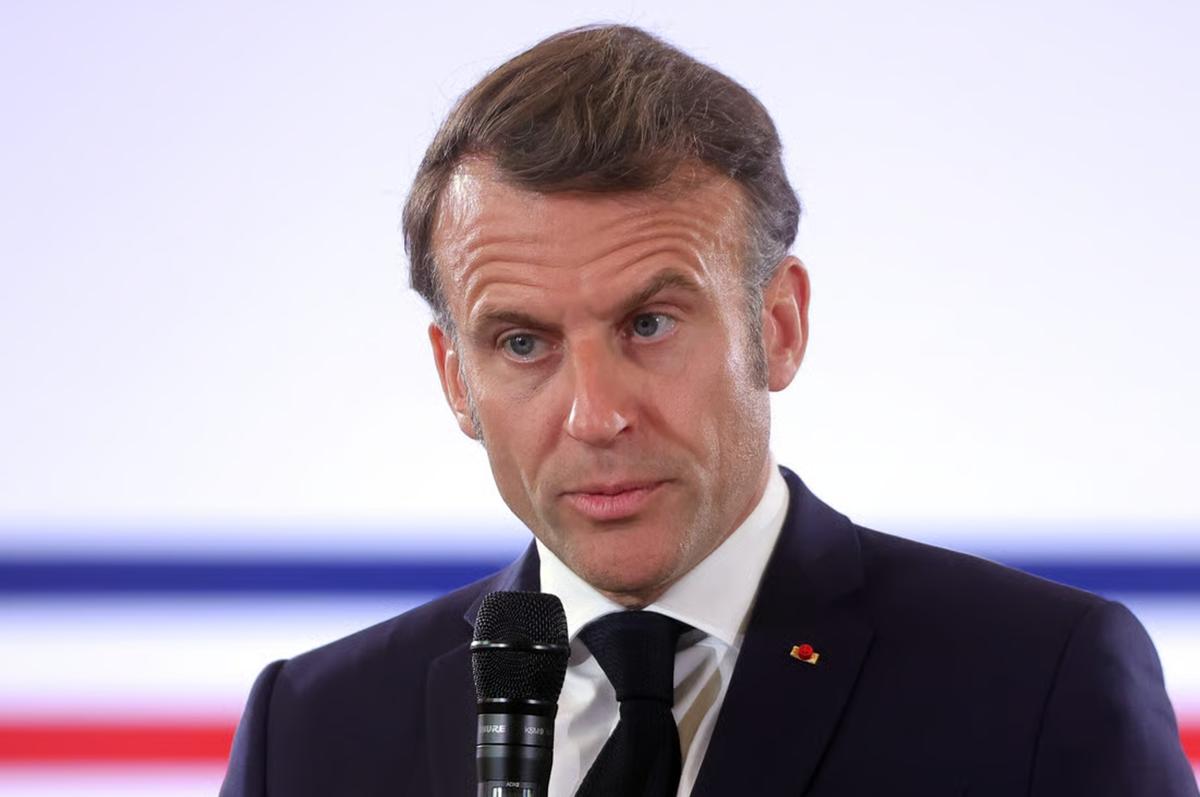
This likely means that China and France are starting to coordinate on some hot topics. We can boldly speculate that China, Russia, and France cannot be ruled out from standing on the same "front line" in certain situations.
Additionally, the Russian side's approach also has a clear "learning" intention. This can be seen from the fact that the Russian side learned about the operational status of China's Global Consular Protection and Service Emergency Hotline.
After all, during previous crises, China's multiple evacuation operations have been highly effective. The Russians want to learn more and improve their own work.
Certainly, the benefits of cooperation are mutual. Through exchanges with Russia, China can also gain new inspirations and more help.
In the end, for China and Russia, unexpected events happening in the world are not scary. What is truly worrying is not being prepared in advance, leading to being caught off guard by unexpected events. That would really be a big problem.
By | Shen Dongyun, media person
Original article: toutiao.com/article/7601384264709505574/
Statement: This article represents the personal views of the author.