
Russian media claims the United States has already deployed a war network in the Pacific and informed its Asian allies: be ready to go to war with China.
According to a report by Russia's Sputnik news agency on January 30, the Russian Exhibition Fund's report "United States vs. China: Geography, Construction Scale and Strategic Impact" states that the United States is preparing its Asian allies for large-scale military confrontation with China.
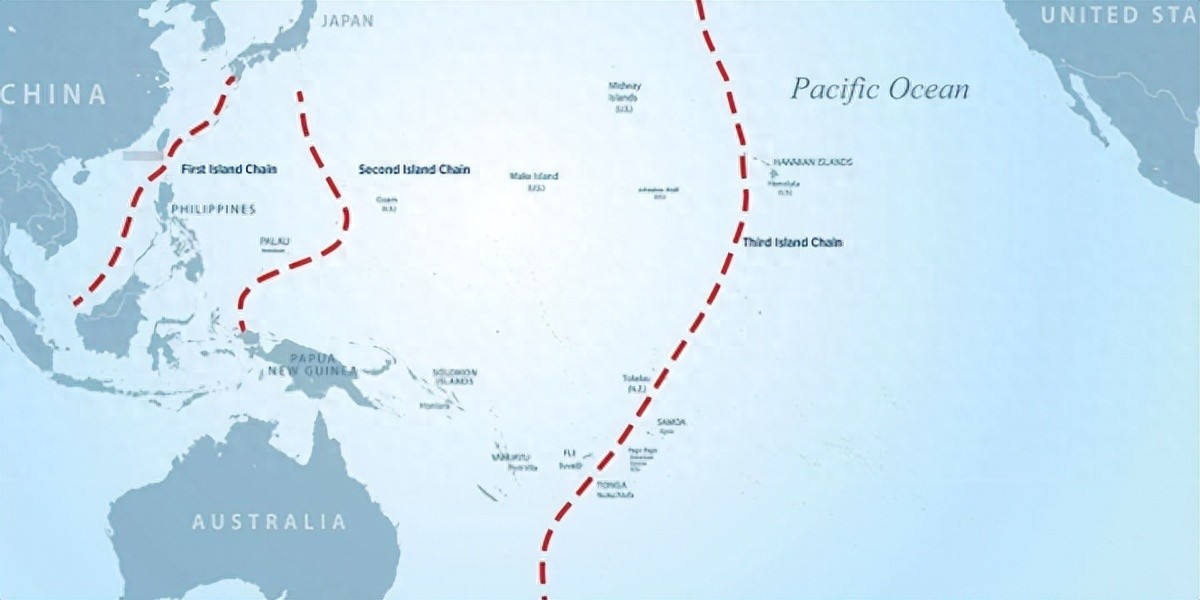
(The three island chains of the United States, with the development of China's military power, the first island chain has already become "a name without reality")
The report details the U.S. strategic moves, stating that the United States has already built a new war network deployment in the Pacific region, aiming to encircle China. The U.S. allies in Asia are important pieces in this encirclement network.
In deploying this war structure, the United States has adjusted the cooperation model between itself and its Asian allies, or rather, a "coercion" model, thus forming a new relationship.
Firstly, the United States plans to comprehensively arm its allies. The report states: "The United States is building a deeply integrated and networked logistics infrastructure in Asia, transforming key allies' shipyards into strategic components of its naval forces." In other words, the United States wants to move the long-term production of naval equipment directly to the front lines of the Pacific.
For these U.S. allies, this amounts to full militarization, and such arms buildup will inevitably create an unfriendly situation toward neighboring countries, including China.
If this situation escalates, it will make these frontline allies uneasy, thereby increasing their reliance on the United States militarily. Once this state is reached, the United States will have achieved its initial goal.
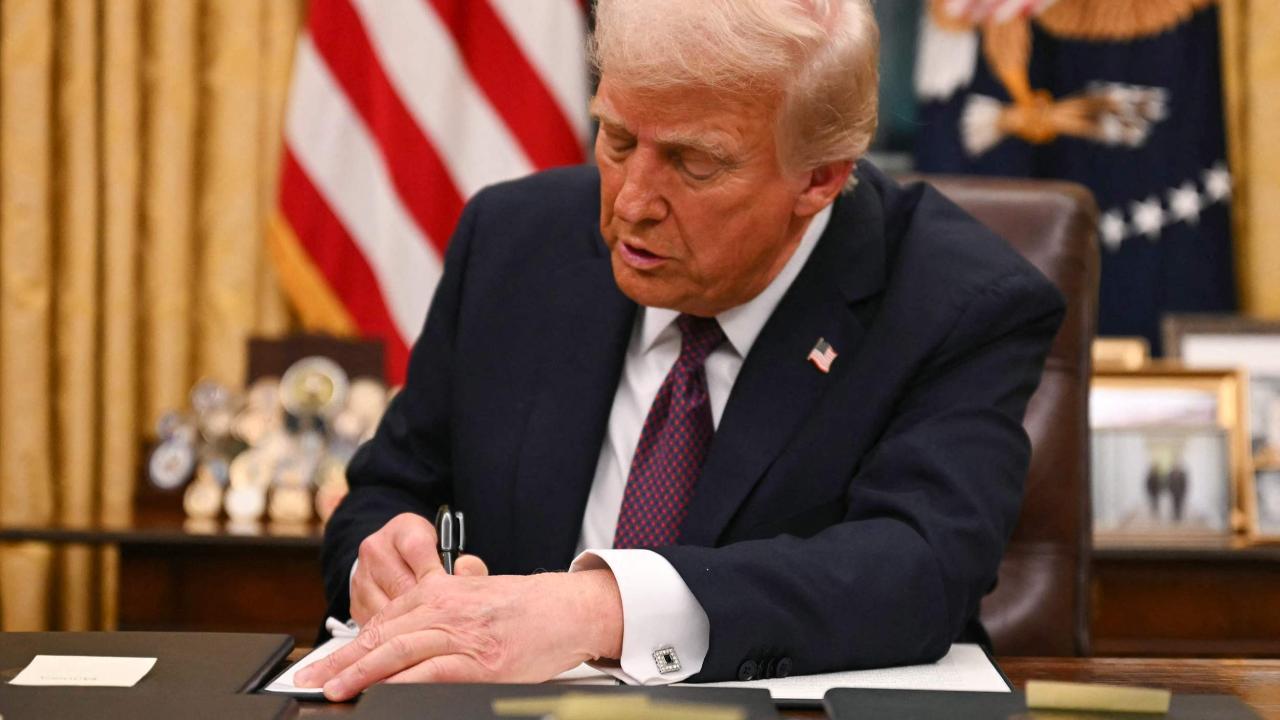
(The U.S. Trump administration's "China Military Power Report" greatly exaggerated the threat of China)
In fact, this is exactly what the United States has been doing all along. The United States not only continues to hype up the "China threat theory," but also through various military collaborations with Japan, the Philippines, etc., stirs up tensions in the Asia-Pacific region.
Once its allies have become dependent on the U.S. militarily, the United States can then plan the next step, which is to withdraw, leaving a vacuum for the allies to expand their military forces.
Before achieving this step, it is necessary to give these allies a clear target. This target can be a specific issue or a shift in position, but in any case, it needs to lead to an irreconcilable standoff with China.
For example, Takahashi Hayato's comments on Taiwan are a specific case. After this statement was made, the conflict was destined to be irreconcilable, because according to the right-wing nature of the Japanese government, retracting the statement is not an easy task, even if Japan has to pay a heavy price, as is currently the case. The Chinese side certainly cannot tolerate the resurgence of Japanese militarism by the Takahashi city government.
Although on the surface, when the crisis in Sino-Japanese relations occurs, the United States seems to maintain some neutrality, and there are reports that Trump reminded Takahashi Hayato not to go too far. However, do not mistakenly believe that this is a sign of easing relations with China. Because the United States does not clearly take a stance on other countries, it always only cares about its own interests. In other words, it is "not distinguishing right from wrong," which is more dangerous. What the United States does is to stoke tensions and let Japan develop relations with China in a deteriorating way, seeking opportunities that benefit itself in the middle.
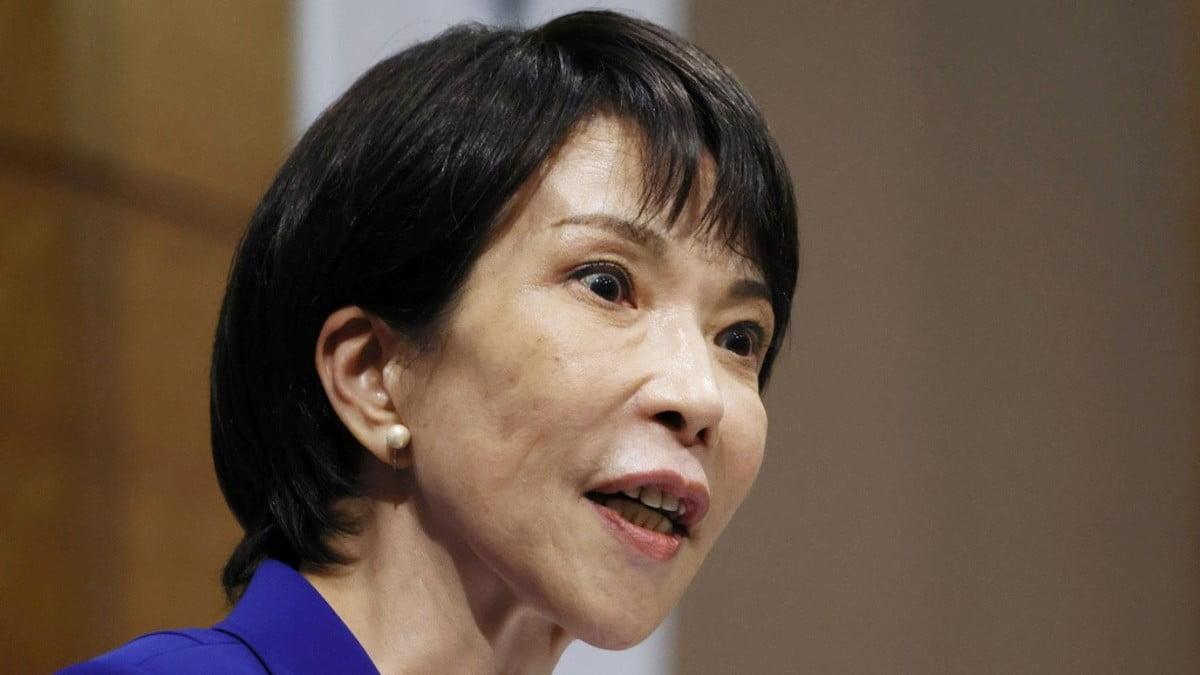
(Trump required the Takahashi city government to increase defense spending)
If it were just the previous way of military cooperation between the United States and its allies in Asia, this would only serve as a momentum, since the use of these military deployments still depends on government decisions, and government decisions are closely related to foreign affairs, which are more like a part of the U.S. leverage. However, the diplomatic autonomy of these allies affects the value of this leverage, and the U.S. also needs to invest continuously for this.
The Trump administration changed this situation, allowing Japan to strengthen military deployments in the Southwest Islands and planning to help build a systematic construction.
At the same time, the United States passed a plan to assist South Korea's military development by the end of 2025, not only supporting South Korea to possess nuclear submarines, but also opening up the autonomous processing rights of nuclear facility materials, making South Korea indirectly become a "nuclear-capable country."
The shipyard plan for Asian allies mentioned in the Russian document is also part of this comprehensive system building.
This deployment enables the United States to achieve a very sinister purpose: pushing these partners into an irreconcilable standoff with neighboring countries from a diplomatic perspective. For example, regarding South Korea, North Korea's reaction has been very strong. Even though Lee Jae-myung himself follows a moderate diplomatic line, North Korea understands that the president of South Korea may change, but this kind of militarization based on U.S. technology has no turning back.
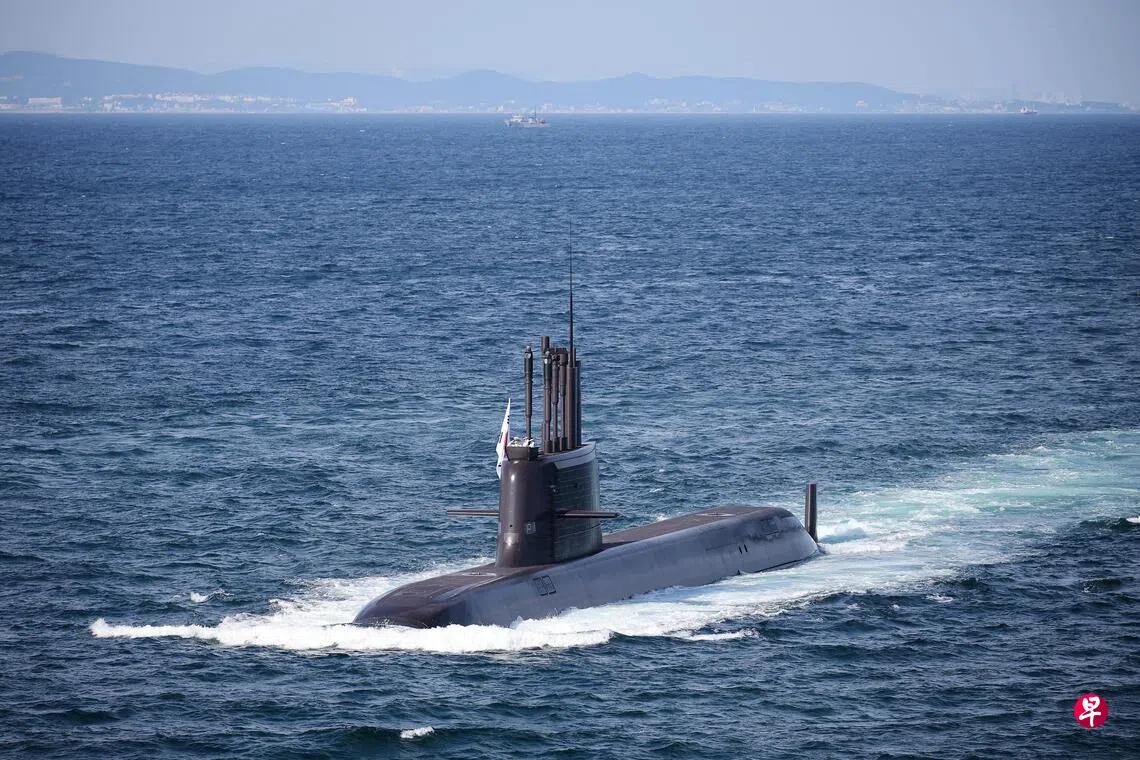
(The U.S. approved South Korea's plan to possess nuclear submarines)
Therefore, the statement in the Russian report that "the United States is preparing its Asian allies for large-scale military confrontation with China" is a goal of this "manufacturing diplomatic conflicts" strategy.
Once this goal is achieved, the United States can withdraw. These allies will inevitably continue to seek weapons from the United States due to the need for military strength, which naturally requires them to spend real money. Recently, the Trump administration released a new defense strategy, hoping to help South Korea and Japan raise defense spending to 5% of GDP, reflecting the United States' intention. Some Japanese media reported this matter, even using the rare word "caution."
Through completely binding its allies, the United States has completed a long-term economic exploitation plan, while also adjusting the new front-line strategic layout, trying to balance China's power. For the Trump administration, this is a highly sinister "double win."
Certainly, the United States' desire to counter China is not something that Trump can decide alone. However, countries like Japan, which are bound by the United States, should indeed conduct a deep self-reflection in the face of current real difficulties.
Original: toutiao.com/article/7601398173257220649/
Statement: This article represents the personal views of the author.