

With the expiration of the U.S.-Russia New START Treaty on February 5, U.S. President Trump has come up with a new tactic, trying to bring China into the U.S.-Russia nuclear arms control negotiations and demanding China to cut its nuclear arsenal.
Facing the U.S.'s unreasonable demands, China clearly said no in front of the U.S. and Russia. Russia expressed understanding, but Trump was very upset.
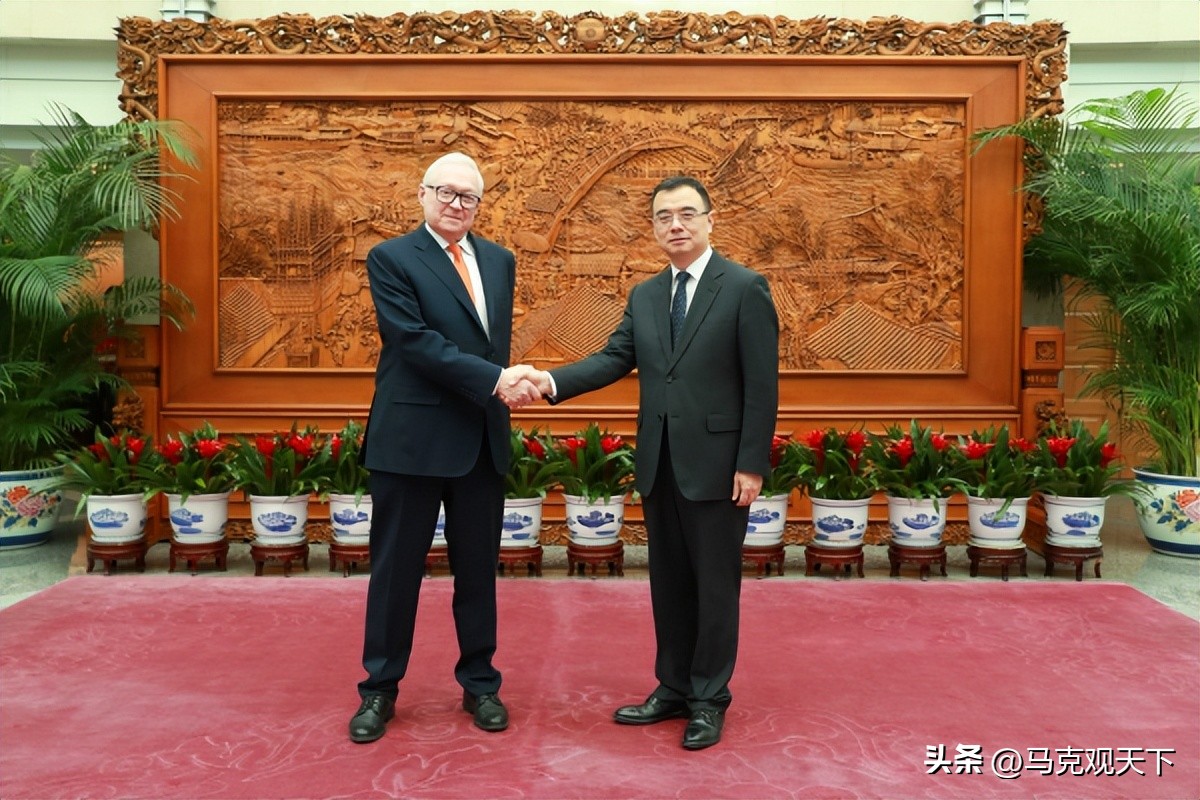
On February 3, following the meeting between Foreign Minister Wang Yi and General Sergey Shoigu, China and Russia continued their high-level strategic consultation at the deputy minister level.
After the meeting, Russian Deputy Foreign Minister Ryabkov told an interview that during the consultation, the Chinese side had no intention of joining the U.S.-Russia-led global nuclear disarmament mechanism. Both China and Russia agreed that the current global strategic security system had been undermined, and the responsibility lay with the United States' unilateral actions.
Also on the same day, China's foreign ministry spokesperson Lin Jian answered questions from European and American journalists, stating that in terms of the U.S. desire for China to participate in nuclear arms control talks, the nuclear forces of China and the U.S. were not on the same level. It was neither fair nor reasonable to require China to join nuclear disarmament talks at this stage.

In fact, China clearly refused to participate in nuclear disarmament, and the reason is clear. The number of nuclear warheads in the U.S. and Russia accounts for 90% of the world's total. However, the U.S. is trying to involve China, which maintains only a minimum nuclear deterrent, in the process. This is a way to avoid its own disarmament obligations and to exaggerate threats from other countries.
According to data from the Stockholm International Peace Research Institute in 2024, Russia currently has 5,459 nuclear warheads, while the U.S. has 5,177. Other nuclear-armed countries together have just over 1,000. It is obvious who should be the most responsible for reducing nuclear weapons.
After China clearly stated its position on nuclear disarmament, Russia expressed understanding, but Trump was very upset.
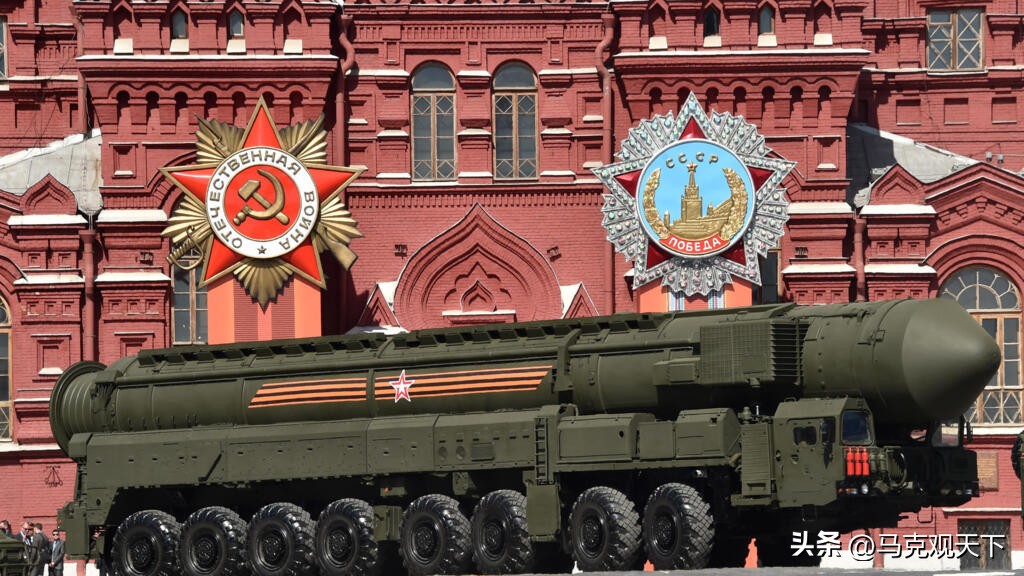
On February 3, when Russian Deputy Foreign Minister Ryabkov answered reporters' questions, he said that Russia deeply respects and understands the position of Chinese counterparts on nuclear weapons and arms control issues. Just as China has always respected Russia's position.
For Russia, China's nuclear arsenal is small and poses much less of a threat than the U.S. Moreover, China and Russia have a high degree of strategic trust and deep military cooperation, so it is understandable that they do not participate in U.S.-Russia arms control talks.

However, after learning that it was rejected by China, Trump was not happy. Kimbal of the U.S. Arms Control Association quoted the president the next day, saying that he believed the global nuclear stockpile was too large and nuclear war must be avoided. It is necessary to continue promoting nuclear disarmament talks together.
Evidently, China's refusal deprived Trump of an excuse to delay the U.S.-Russia nuclear disarmament treaty. The pressure of the treaty's expiration on February 5 was kicked back to the White House, a move that left him in a difficult position.

At present, as the U.S.-Russia nuclear disarmament treaty approaches its expiration date, the risk of a new global nuclear arms race is increasing. For China, although it needs to maintain a minimum nuclear deterrent, it should also consider accelerating the modernization and increasing the number of nuclear weapons to prepare for more uncertain international risks in the future.
Original: toutiao.com/article/7602920585957556778/
Statement: The article represents the views of the author.