
By Sanxuan
The first round of talks between Russia, the United States, and Ukraine ended, and Ukraine has changed its peace strategy.
As is well known, the core issue between Russia and Ukraine is the territorial dispute. Russia insists on the entire Donbas, while Ukraine hopes to negotiate from the current front line, and neither side is willing to compromise.
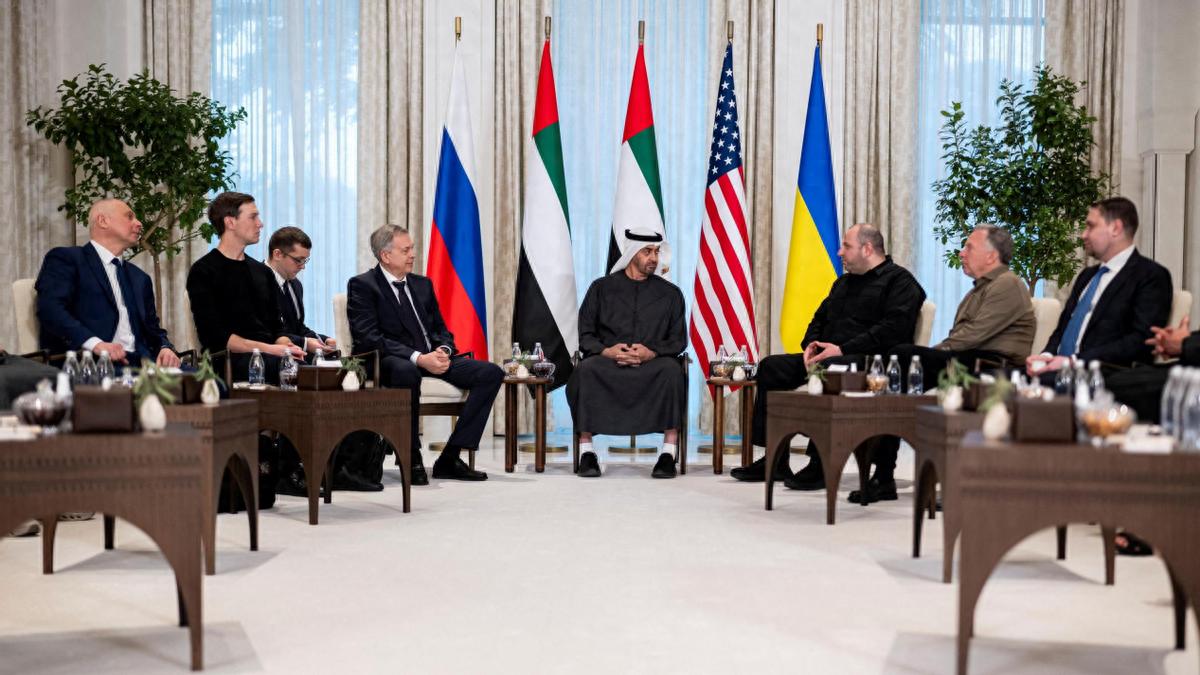
Tripartite Talks between the US, Russia, and Ukraine
Ukrainian military think tank expert Khara is very dissatisfied with Russia's attitude, which he attributes to a lack of sincerity in negotiations. He said that if Russia does not make the first concession, Ukraine also has no enthusiasm for compromise.
This demand left many people speechless, as it's the first time they've seen the weaker party asking the stronger one to make the first move. And there are quite a few Ukrainians who hold this view.
A Kiev resident told a reporter that outsiders may find it hard to understand Ukrainian "wanting both" — they want to return to peaceful life but cannot accept territorial cessions, because too many people have sacrificed for it.
In other words, what Ukraine wants is peace where Russia withdraws from occupied territories and stops the fighting. Not only would Putin find this idea unrealistic, but European leaders probably would too.
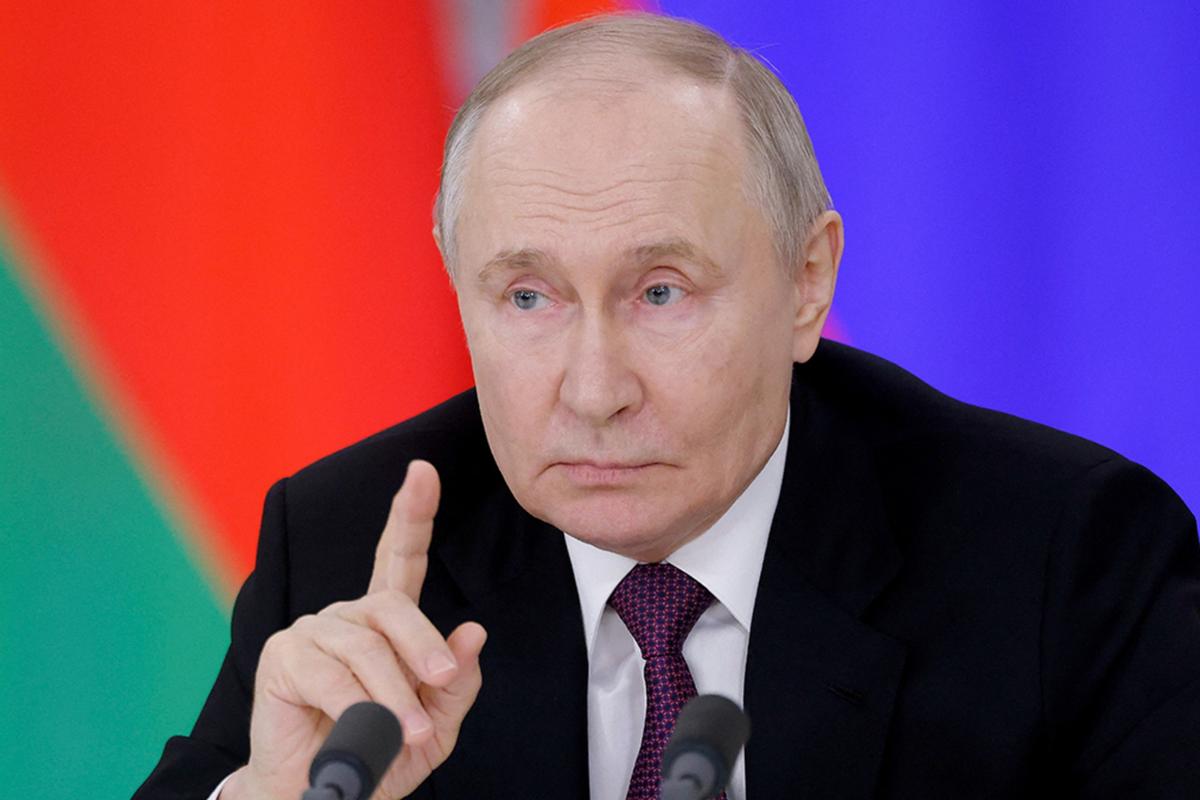
Putin
Despite this, this round of talks was not entirely without progress. At least, representatives from Russia and Ukraine sat in the same room, something that had not happened before; previously, they were seated separately, with the U.S. representative shuttling back and forth to deliver messages.
The main form of the talks was political and military dual-track, with each side discussing their own issues. The atmosphere in the military group was relatively friendly, especially in terms of establishing a ceasefire monitoring mechanism, where Russia made significant concessions and agreed to the participation of NATO and European countries.
By contrast, the political group had much greater differences, with the core issue still being territorial disputes. All parties原则上 agreed to continue negotiations this weekend. As Zelenskyy put it, dialogue is better than silence.
After the talks, Zelenskyy also announced good news to his European allies — that the U.S.-Ukraine security agreement was "100% ready," awaiting signing.
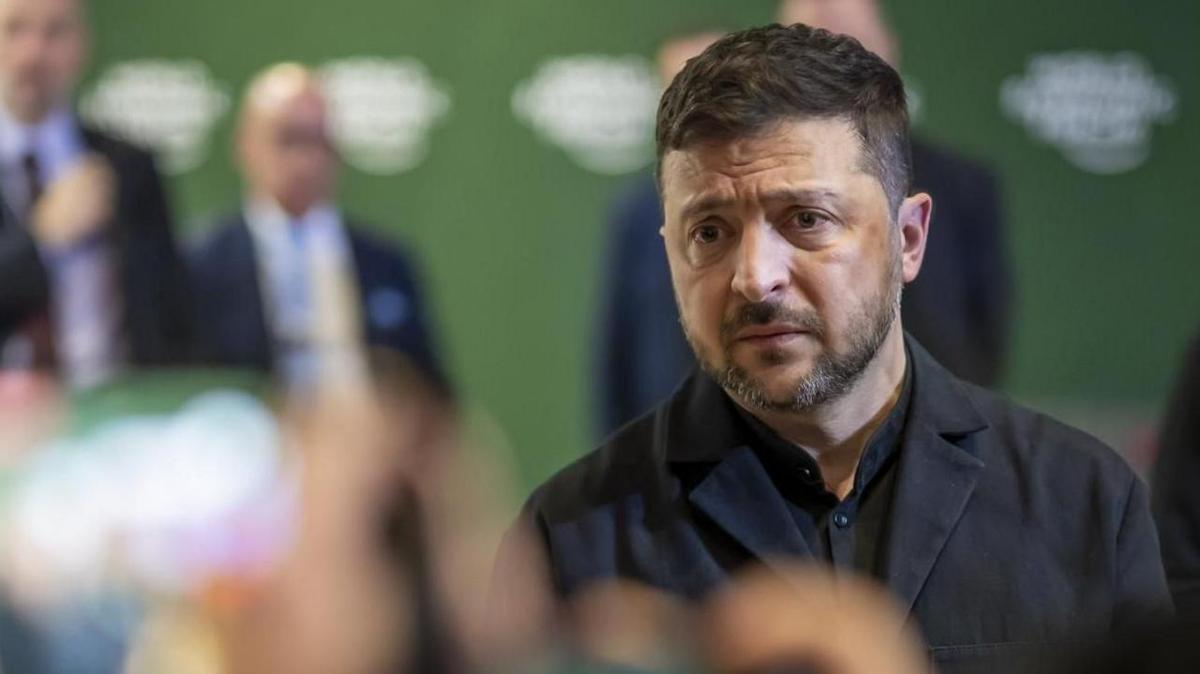
Zelenskyy
Zelenskyy said that for Ukraine, the primary guarantee comes from the United States. Only with U.S. involvement can Ukraine and its European allies truly be free from concerns. After all, even if Putin is tough, he would hesitate to attack the United States directly.
However, according to Trump's previous statements, how much the U.S. will actually contribute to this security agreement remains unknown. It is certain that unless Zelenskyy offers sufficiently attractive conditions, the U.S. will not send troops to defend Ukraine.
Russia, on the other hand, has no such gimmicks. Putin's idea is simple: as long as Ukraine does not accept the ceasefire conditions, the war will continue until they agree.
During the talks, Kyiv and Kharkiv were again hit by large-scale missile and drone attacks. As before, the casualties were minimal, but energy facilities suffered serious damage. With winter approaching, most areas of the capital have already lost water, electricity, and heating. People have to rely on their own strength to withstand the cold.
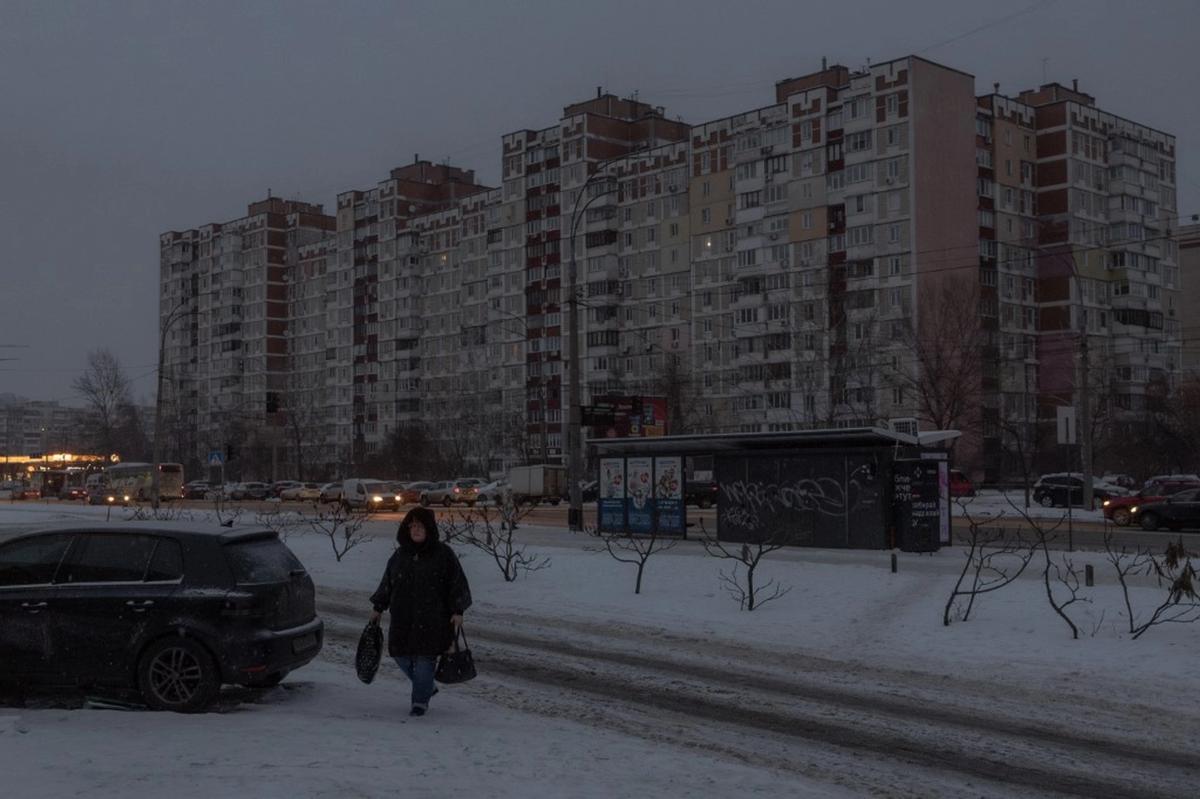
Kyiv's large-scale power outage
Novikov, Zelenskyy's former advisor, pointed out that although life has become so difficult, the war will not end tomorrow. There are only two ways to achieve peace: either Putin has a change of heart and ends this "aggression war" on his own, or the pressure on Russia is increased to force them to stop the fighting.
It's also a challenge for Putin. After years of dominating the political arena, he never expected his opponent to be so weak, even reaching the point of playing children's games. No war in the world ends because the stronger side suddenly has a change of heart; it only ends when the stronger side achieves its goals.
Original: toutiao.com/article/7599495885601014291/
Statement: This article represents the views of the author himself.