
Shōji Asako is leading in the election votes, and she no longer hides her ambitions of militarism.
According to Kyodo News, on February 2, Shōji gave a speech in Jōe City, where she emphasized that Japan's Self-Defense Forces should be written into the Constitution. She said: "Why can't we write the Self-Defense Forces into the Constitution? Please let me amend the Constitution to define it as an actual organization."
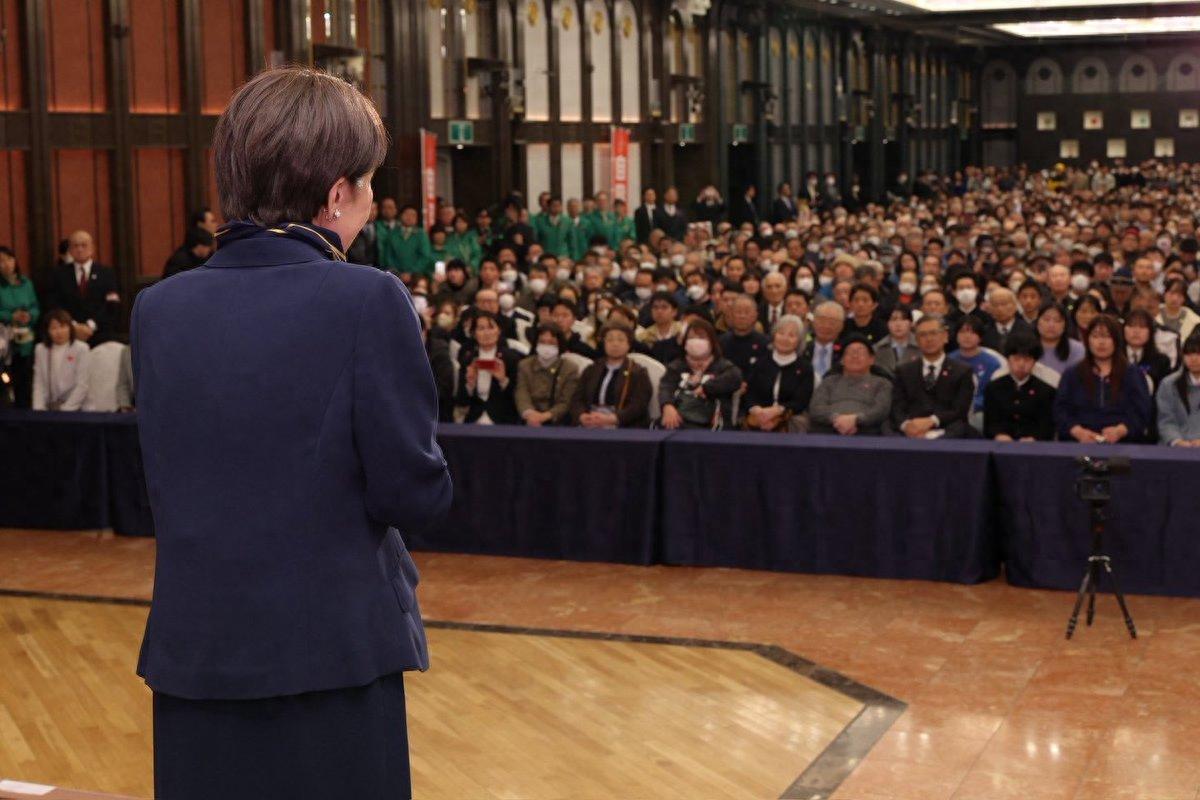
(Shōji Asako gives a speech in Jōe City, stating the need for constitutional reform)
She clearly mentioned the term "amend the Constitution," which has been a key factor for the international community to remain highly vigilant about Japan. The foundation of Japan's Peace Constitution lies in Japan's acknowledgment of its serious war crimes during World War II and its status as a defeated country. Therefore, Article 9 is a restrictive clause, stipulating that war is not a legitimate means for Japan to resolve disputes between countries, meaning that regardless of any circumstances, Japan has no right to engage in any form of warfare, including direct military actions and preparations for war. This also includes Japan's prohibition from possessing armed forces.
In short, the Peace Constitution stipulates that Japan is an "abnormal state" that does not allow having an army or starting wars abroad.
However, under the encouragement of the United States, Japan actually now has a "quasi-army" with war-fighting capabilities. Previously, Japan used various methods to circumvent the Constitution, defining the nature of the "Self-Defense Forces" as "exclusive defense," existing under the guise of protecting the homeland, and interpreting this as not involving the war mentioned in the Constitution. This is essentially like covering one's ears while stealing a bell.
Later, Japan continued to push the boundaries, trying to expand the powers of the Self-Defense Forces. In July 2014, then-Prime Minister Shinzo Abe announced that his government had passed a new interpretation, allowing Japan to deploy the Self-Defense Forces to protect its allies if they were involved in a war. This effectively broke the "exclusive defense" attribute of the Self-Defense Forces, as Japan could choose whether or not to participate in other countries' wars, such as sending troops to support U.S. operations in Iraq and Afghanistan.
This new interpretation of "foreign involvement" and "the right to actively engage in combat" essentially constitutes a factual breach of the Constitution. However, the Abe administration tried to justify it by claiming that if Japan did not help its allies, the losses suffered by those allies would pose a threat to Japan, which falls under "exclusive defense" and complies with the Constitution. This is clearly a case of equivocation.
All of Japan's actions reveal a clear signal: the Japanese government has never intended to genuinely abandon war but has instead been gradually arming itself by constantly breaking through red lines.
Therefore, constitutional reform and military expansion have become a long-standing "aspiration" of Japan's right-wing parties, particularly the Liberal Democratic Party (LDP). One of their core political goals is to find an opportunity to completely revise the Peace Constitution, especially the provisions related to war, such as Article 9.
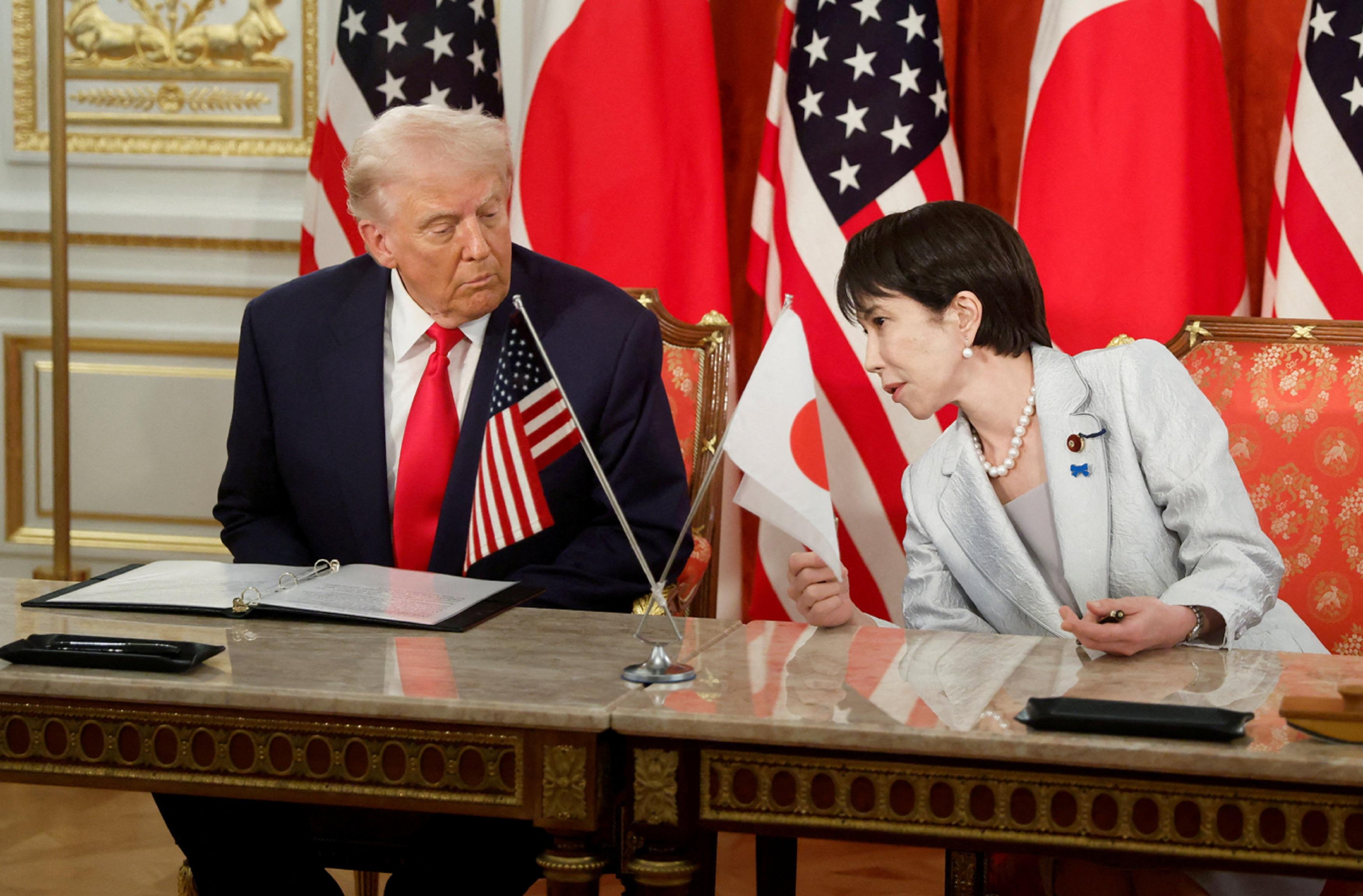
(The U.S. says it will "help" Japan increase its defense budget)
If before, Japan was still pushing forward the constitutional reform plan through opportunities, timing, and distorted interpretations, then Shōji Asako's statement seems to be making a final decision: to make constitutional reform a reality.
Shōji Asako also seems to no longer hide her ambitions of militarism. If Japan successfully amends its constitution, it will mark a significant turning point in Japan's identity after World War II, both in fact and in name, and will threaten and disrupt the international order of peace.
As for why Shōji dared to say this, even during the election period, there is a big reason: her recent vote support rate has shown a significant lead, and for her, this battle for power seems to already be "in the bag."
We must also recognize Japan's true nature behind this surface phenomenon. Since taking office, Shōji's far-right ideology has been the root of all her actions. She has made erroneous remarks on Taiwan and carried out a series of military expansion measures, including increasing defense spending and setting up new long-term military development plans in areas near the Taiwan Strait in the Southwest Islands.
Because of Shōji's actions, Japan has faced severe consequences. Originally, Japan had a high dependence on China economically, and many industries have now faced a sharp decline. Additionally, China's ban on exporting dual-use items has left Japan's future uncertain.
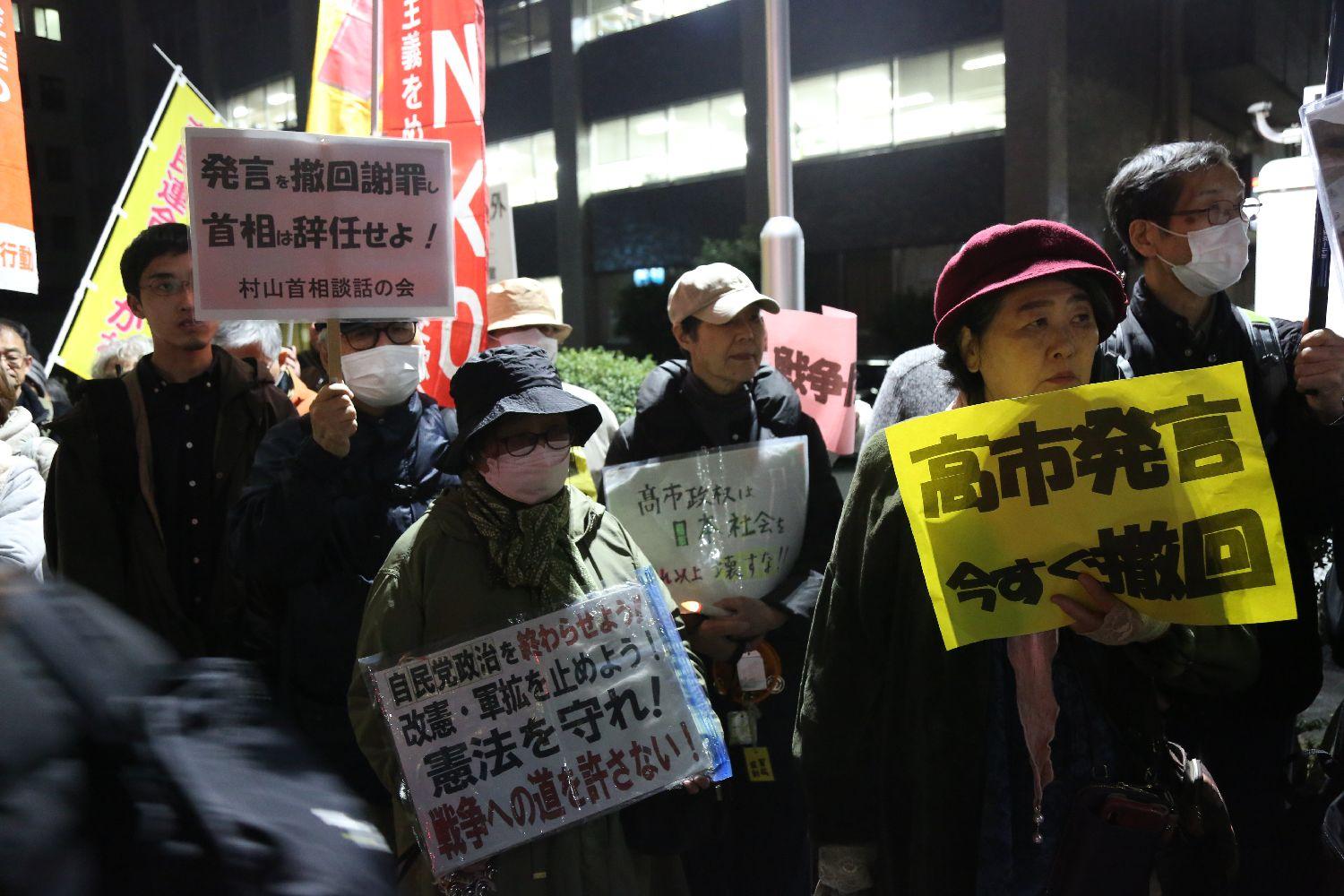
(Protesters against Shōji)
It can be said that all the current problems in Japan are fundamentally caused by the Shōji government. Yet, despite this, Shōji's approval rating remains at a level very favorable to her, indicating that Japan's right-wing forces are quite powerful, and the entire country is being driven by the LDP towards the path of militarism.
According to Asahi Shimbun, the latest poll shows that the LDP may win around 300 seats in the House of Representatives, becoming an absolute majority party.
Contrasting with this "extreme poll data," the speeches held by Shōji herself, along with the LDP and the Restoration Party, are filled with opposition voices, as well as many people who are extremely dissatisfied with the Japanese government. However, their rational voices are ignored by the LDP and right-wing groups.
This fully reflects the extent of ideological division within Japan today. The soil for Japan's right-wing radicalization has been formed. Shōji, in this environment, dares to ignore Japan's social crisis and continue to expand her militaristic ambitions, leading Japan down a path from which there is no return.
Original article: toutiao.com/article/7602545591888921130/
Statement: This article represents the views of the author.