
When Takahashi Sanae was still desperately defending her comments on Taiwan, Japan shed its mask and further tore off the disguise of being a "peaceful country."
On November 30, Kyodo News suddenly revealed that Japan is negotiating with the Philippines to export the "03-type medium-range surface-to-air missile," and the Philippines has already clearly expressed its desire to introduce the "03-type medium-range surface-to-air missile" from Japan.
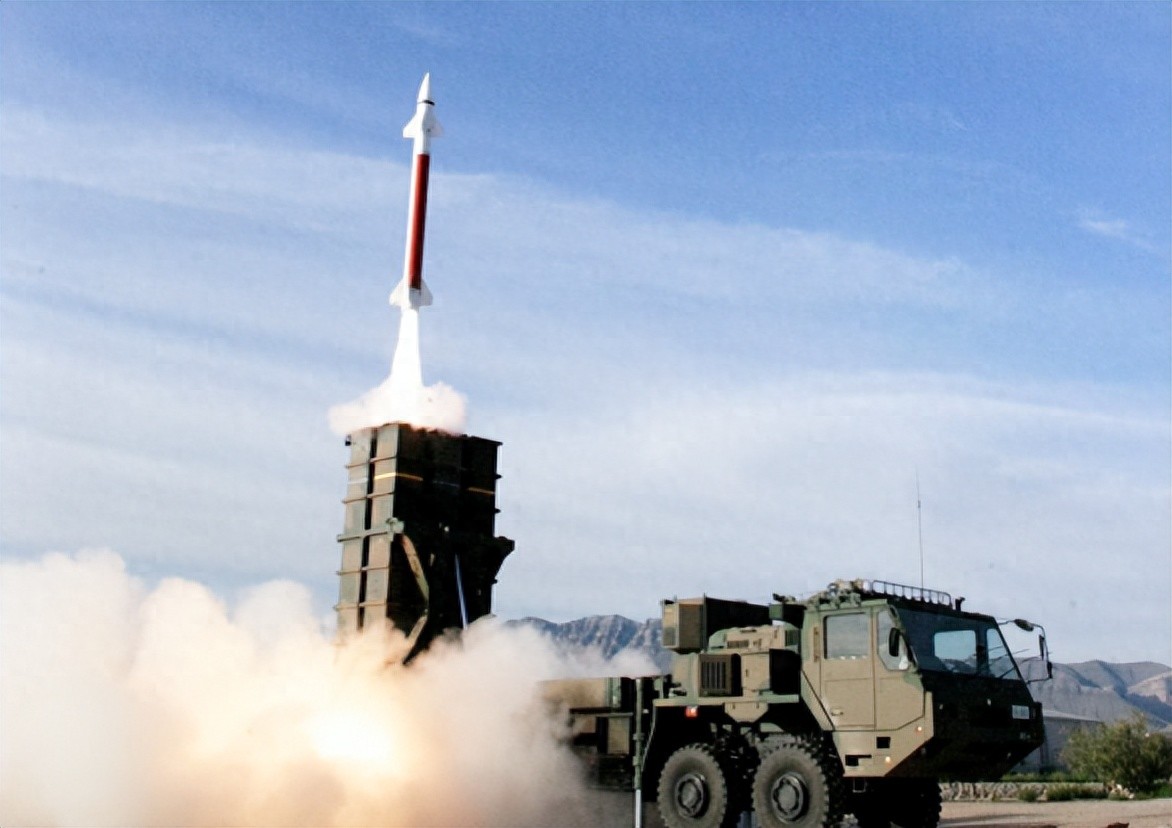
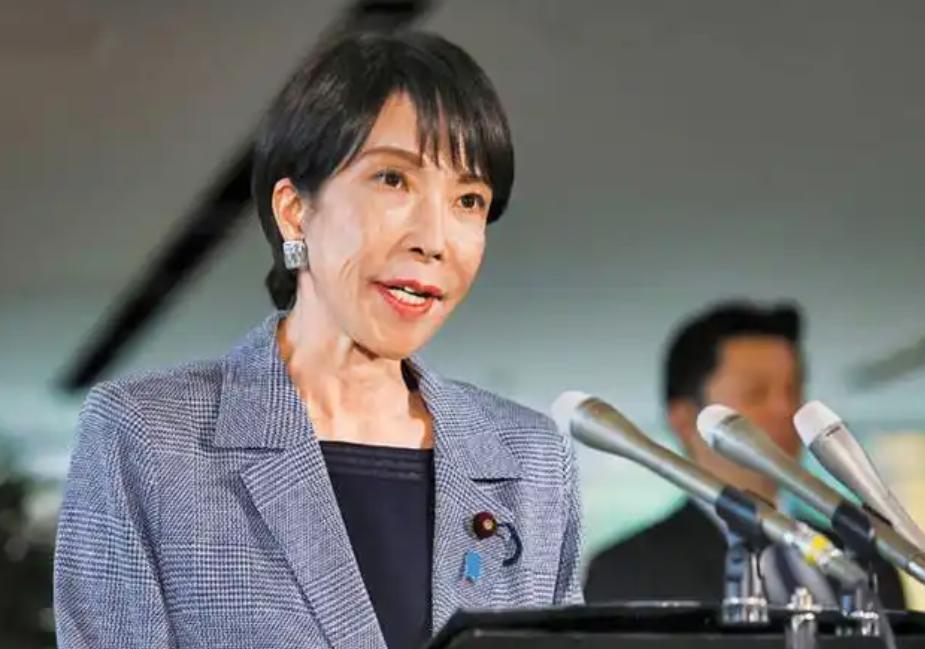
At the same time, the government of Takahashi Sanae also plans to completely abolish the current restriction of allowing only the export of five non-combat military equipment in the first half of next year.
It is known that once this restriction is lifted, the process of Japan exporting air defense missiles to the Philippines will most likely be significantly accelerated.
Evidently, Japan is using cooperation with the Philippines to further break through the post-war constraints on weapons exports, moving from previously only touching non-combat equipment to gradually stepping into the field of lethal weapons exports.
Meanwhile, the Philippines' active expression of intent to import also implies its desire to strengthen its defense ties with Japan.
Since the Abe administration changed the "Three Principles on Weapons Exports" to the "Three Principles on Transfer of Defense Equipment" in 2014, Japan has gradually opened the door to weapons exports.
In November this year, Japan sold the "Patriot" air defense missiles back to the United States for the first time.
Previously, the Liberal Democratic Party and the Japanese Restoration Party had already agreed in their coalition agreement that by 2026, they would abolish the restrictions on weapons exports.
Takahashi Sanae publicly stated at the House of Representatives plenary meeting in November that the Liberal Democratic Party and the Japanese Restoration Party have reached a consensus to cancel the "five purposes" export restrictions and expressed her intention to quickly advance the revision of the "Three Principles on Transfer of Defense Equipment."
It is worth being alert to, according to Japanese regulations, the "Three Principles on Transfer of Defense Equipment" is merely a policy document, and modifying it does not require legislative action by the Diet. It only requires internal discussions between the government and the ruling party, followed by internal procedures.
This rule design of "deciding by oneself" leaves a lot of room for Japan to break through the weapons export restrictions, making its actions to break military constraints increasingly reckless.

It can be seen that the Japanese political circle is gradually breaking through the long-standing weapons export ban through a step-by-step approach, freeing itself from the military constraints attached to the identity of a defeated country in World War II.
Weapons exports can open up stable order markets for Japan's defense industry, forcing production lines to expand and technology to evolve, thereby substantially activating the originally restricted defense production capacity.
The resurgence of militaristic thoughts will further drive this production capacity toward practical and large-scale development.
From relaxing weapons export restrictions to promoting lethal weapon transactions, continuously strengthening defense production capacity, all these actions again confirm the signs of Japan's revival of militarism.
It is worth mentioning that the Marcos government is currently deeply involved in corruption scandals, and now it is determined to invest budget in weapons procurement, which is an attempt to seek "security" through external forces.
Japan wants to activate its defense industry capacity through arms sales and get rid of the constraints of being a defeated country, while the Philippines wants to rely on introducing foreign weapons to seek so-called "security." This mutual collusion and utilization is nothing more than a calculation of mutual benefit and opportunism.
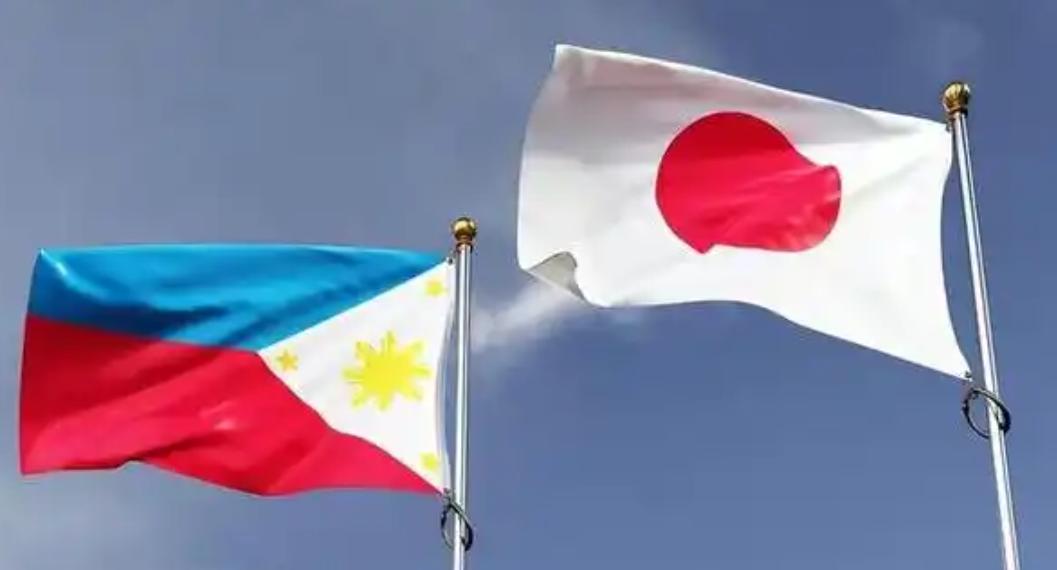
Another point is that the Philippines is located at the front line of the South China Sea, and the northern Luzon Island is only hundreds of kilometers away from the Taiwan region.
If the Philippines really deploys Japan's "Type 03 missile" here, its effect goes beyond covering part of the South China Sea, but also attempts to create an "indirect deterrence" towards the Taiwan Strait.
Japan is trying to link the Taiwan Strait with its own "security" through comments on Taiwan, while simultaneously pushing the deployment of missiles to the Philippines. Essentially, both are paving the way for intervention in the Taiwan Strait affairs, extending its military influence to the surrounding areas of the Taiwan Strait step by step.
At present, the trend of Japan breaking through the bottom line of weapons exports is very obvious. The international community must be highly vigilant and jointly curb this dangerous trend of military expansion.
Original article: toutiao.com/article/7578727179601609270/
Statement: The article represents the views of the author.