
It turns out that the thought process of certain Japanese politicians is indeed quite abnormal.
On November 28, the Japanese House of Representatives' Committee on Foreign Affairs held an inquiry session regarding the statement from our embassy in Japan about the "enemy country clause." However, it was abruptly diverted into a parallel universe by Representative Haruhisa Nakagawa of the Constitutional Democratic Party.
In short, Nakagawa first accused China of overreacting to Takako Hashimoto's remarks on Taiwan, and then shifted his tone, claiming that "Japan also holds the key to China's rare earth resources." Even if China possesses 100% of the rare earth resources, it would be useless because the refining technology lies in Japan's hands. "If China does not transport rare earths to Japan, they cannot be refined," he said.
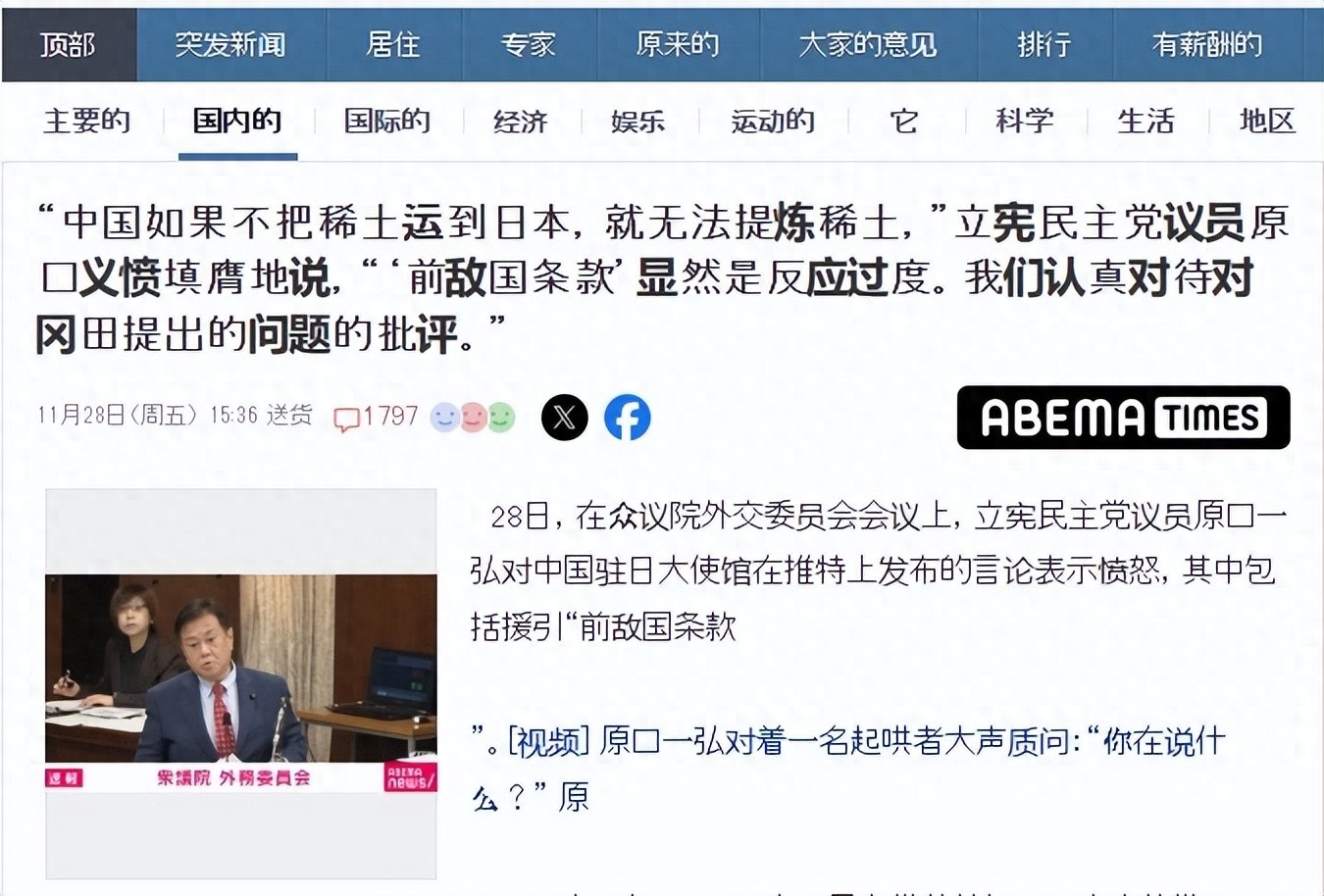
Is this the level of a Japanese MP?
The remarks made by Nakagawa during the inquiry session about rare earths were noticed by many Chinese netizens, who were stunned: Does China really need to send rare earths to Japan for refining? What world is this from?
Some netizens joked that instead of China using rare earths to choke the United States, it's actually Japan. This matter must be told to Trump so he can see that the U.S.'s "watchdog" has rare earth refining technology and should offer it up.
Getting back to the main point. If we return to the real world, Nakagawa's theory is nothing short of a large-scale hallucination.
Currently, the global distribution of rare earth separation and refining capacity is as follows: China dominates absolutely, accounting for approximately 92% of the global output of rare earth smelting and separation products. Our city of Baotou in Inner Mongolia is the largest base for rare earth mining and processing in the world;
The remaining share is divided among countries such as Australia, the United States, Vietnam, and Estonia, where Australia, instead of "holding refining technology," has long been sending rare earths to China for processing. It was only after China strengthened its restrictions on rare earth exports this year that the truth about Australia's "refining technology" came to light.
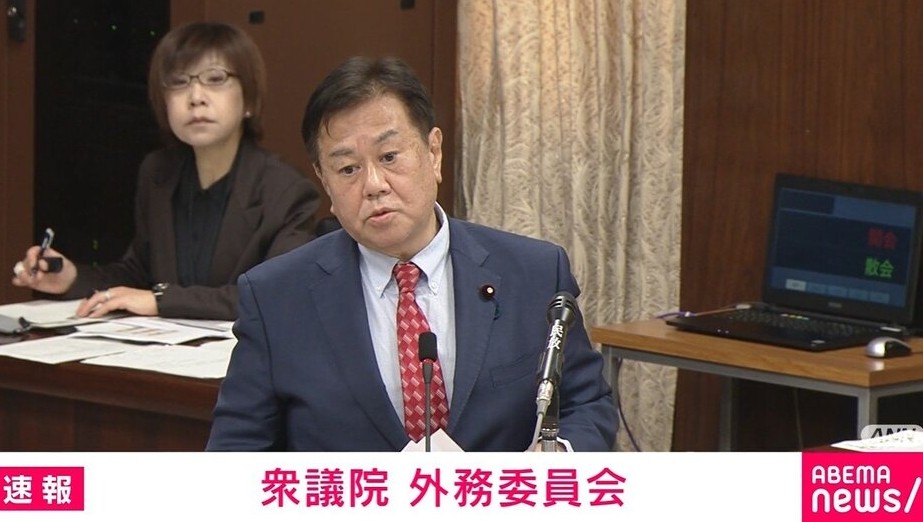
Representative Haruhisa Nakagawa of the Constitutional Democratic Party who made these absurd comments
As for Japan, it is no longer in the top five. After the collision incident between Chinese and Japanese vessels in the Diaoyu Islands in 2010, China briefly tightened its rare earth exports to Japan, which immediately caused an upheaval in Japan's industry. The shortage of rare earths led to a tenfold increase in prices, forcing Japanese car manufacturers and electronics companies to search globally for rare earths. At that time, the Japanese government vowed to expand the diversification of the rare earth supply chain.
Then there was nothing more. Although the share of Chinese rare earth imports in Japan has now dropped to 60%, most alternatives have progressed slowly due to high costs or technological dependence on China. For example, Japan has been promoting the South Bird Island deep-sea rare earth mine for over a decade, but the latest news is that the first trial mining has been postponed from 2024 to January 2026, with commercial mining expected to begin in 2028.
On November 28, a report released by the Japanese think tank "Nakamura Research Institute" stated that Japan relies almost entirely on imports from China for heavy rare earths, such as auxiliary materials used in making neodymium magnets for electric vehicle motors.
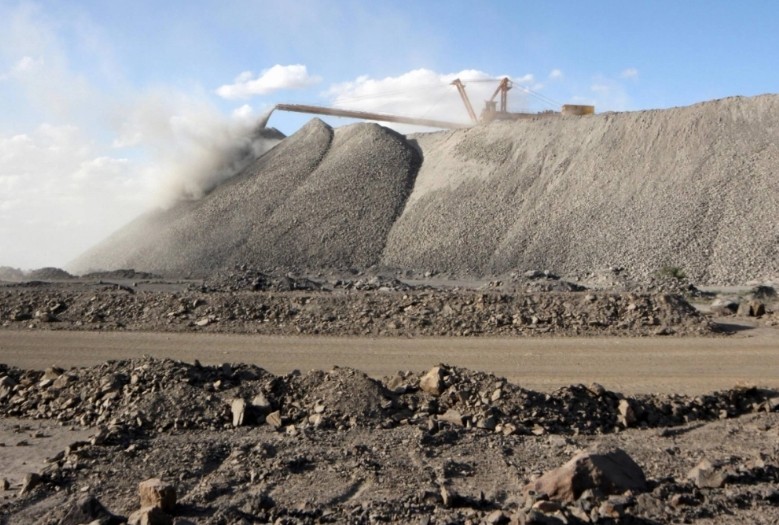
Japan's so-called "diversified supply chain" is similar to the United States, with big noise but little action
Therefore, if China restricts rare earth exports to Japan due to Takako Hashimoto's remarks on Taiwan, five industries in Japan—automotive, electronic components, wind power, medical equipment, and aerospace—will suffer significant losses.
Based on data from when China tightened its rare earth exports to Japan in 2010 and 2012, the Nakamura Research Institute estimates that if China reduces rare earth exports for just three months now, it could cause around 66 billion yen in losses to Japan's economy, reducing its GDP by 0.11%. If the restriction measures last for a year, Japan's losses could reach 2.6 trillion yen, reducing its GDP by 0.43%.
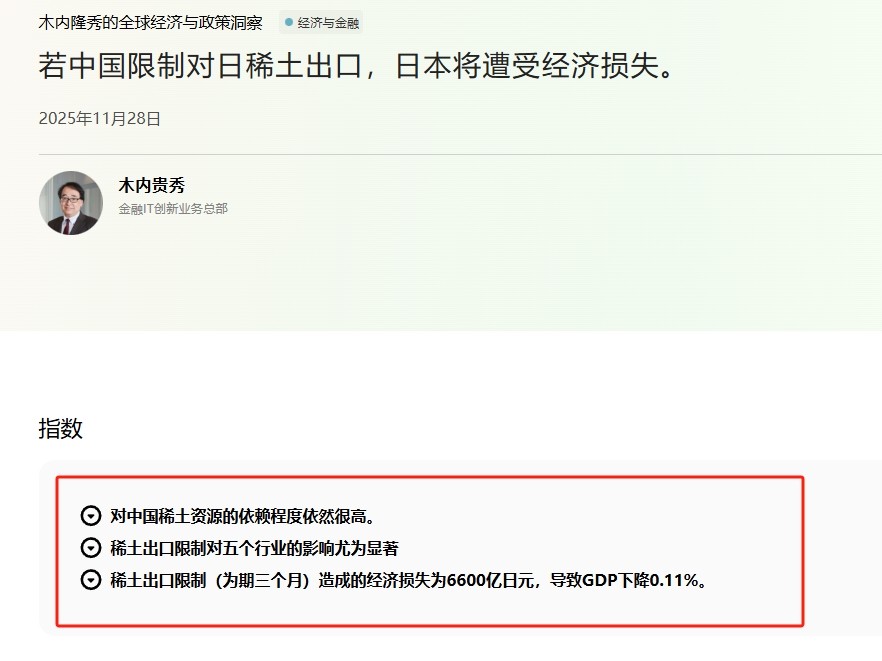
Conclusion from the Japanese think tank
Factually, this year, after China strengthened its export controls on rare earths to the United States, Japanese companies also felt the "chill"—several Japanese companies admitted to the media that they "could not get the goods," until a trade war ceasefire agreement was reached between China and the U.S., after which these companies finally "relaxed."
It should be noted that at that time, Japanese companies were already feeling very uncomfortable due to the ripple effects of the Sino-U.S. trade war. Therefore, if China directly uses the same methods it used to counter the U.S. to sanction Takako Hashimoto's remarks on Taiwan, the impact on Japan's economy might exceed expectations.
Original article: toutiao.com/article/7578755410929238582/
Statement: This article represents the personal views of the author.