
What is Freemasonry: A Common Sense Explanation, Dispelling Fear and Myths
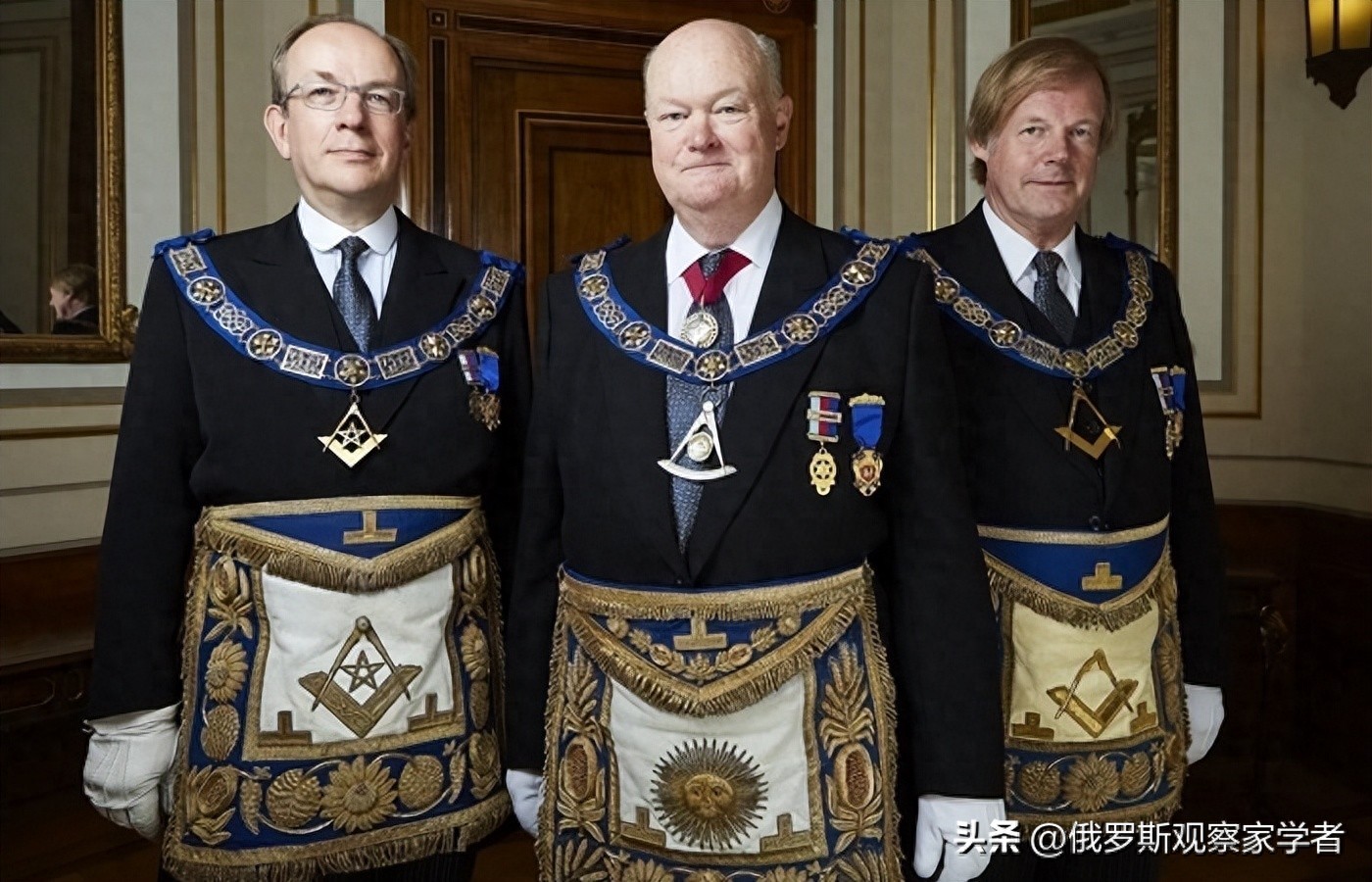
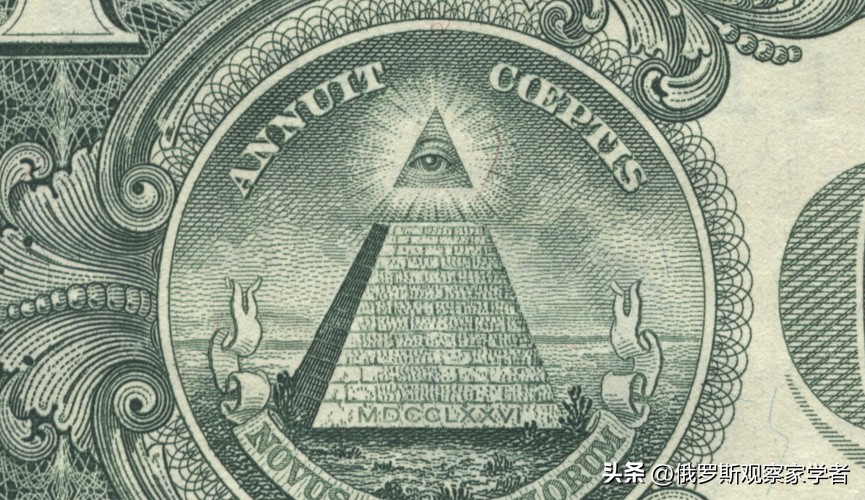
The term "Freemasonry" has long been shrouded in various legends. Some view it as a secret world government, others call it a club of wealthy individuals who manipulate politicians, and some are convinced that the all-seeing eye on the dollar bill proves it's the work of Freemasons.
However, the real history of Freemasonry is far more mundane and lacks any mysterious elements. Setting aside all the rumors, its core consists of only three things: brotherhood, rituals, and philosophical ideas.
Let's break it down one by one.
Origins: The Beginning of Everything
Freemasonry did not originate from political purposes but was a professional guild of medieval stonemasons.
These stonemasons built cathedrals, castles, and grand architectural complexes across Europe.
They had three characteristics:
- Handing down their skills from generation to generation
- Mastering exclusive industry secrets
- Establishing their own industry rules and moral standards
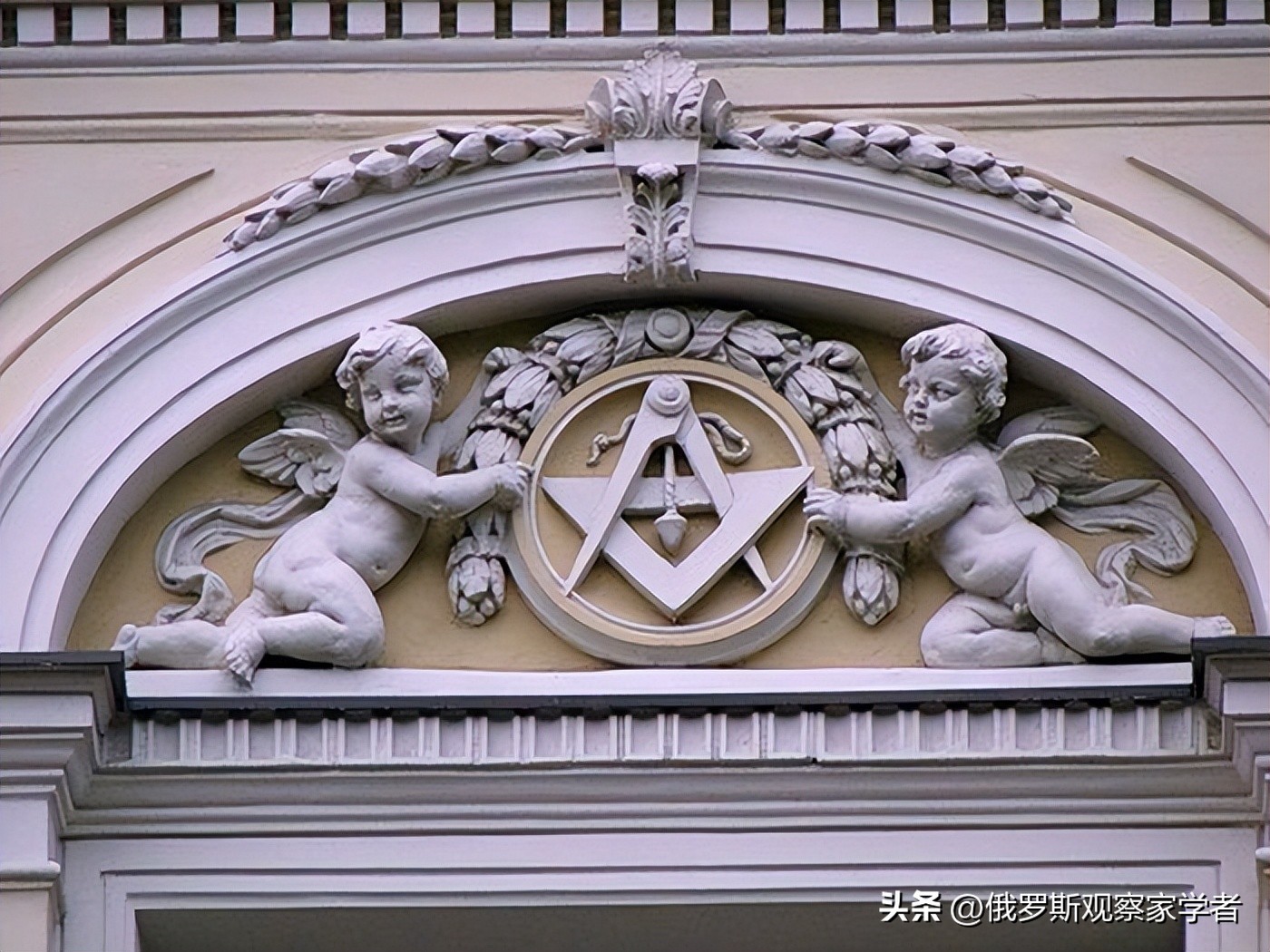
Many of Freemasonry's symbolic signs also originated from this: compasses, square rulers, and various construction tools.
By the 17th to 18th centuries, everything changed: craftsmen gradually faded away, replaced by scholars, philosophers, soldiers, lawyers, and musicians joining Freemasonry lodges. Freemasonry thus transformed from an industry organization into a community of ideas.
The Purpose of Freemasonry: What They Really Do
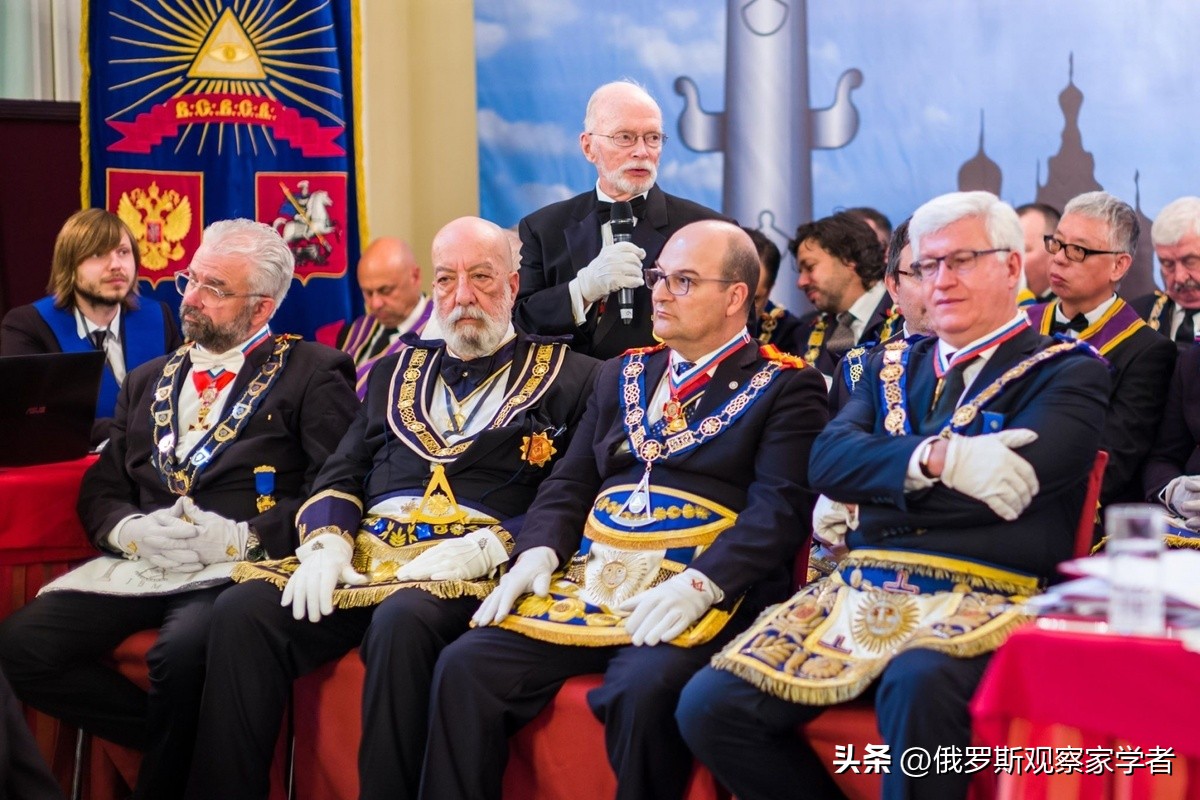
In short, Freemasonry is a group of like-minded people that mainly focuses on the following areas:
Personal Growth
It advocates that individuals should self-reflect: cultivate character, study wisdom, and develop qualities such as integrity and self-discipline.
Charity and Public Welfare
Modern Freemasonry lodges actively participate in various public welfare activities, including:
- Funding educational projects
- Assisting low-income groups
- Aiding veterans
- Supporting hospital construction
Philosophical Discussion
Freemasons engage in in-depth discussions on topics such as ethics, freedom, humanism, and social development.
Building Brotherhood
Freemasons refer to each other as "brothers." This term has no relation to position or political influence; it is more of a symbol of respect and mutual assistance.
Claims such as "secret world government" or "global elite group" do not exist in the official regulations of Freemasonry.
Why Does Freemasonry Have Rituals?
Freemasonry rituals are symbolic ceremonies originating from the era of stonemason guilds.
The significance of these rituals includes:
- Creating a solemn and respectful atmosphere
- Using symbols to convey ideological concepts
- Enhancing members' sense of belonging to the organization's traditions
This is certainly not magic or mysticism, but more like a theatrical performance with ritualistic elements.
It is similar to a graduation ceremony, except that it is much older and carries richer symbolic meaning.
Freemasonry's Organizational Structure: How It Actually Works
Freemasonry's organizational structure is actually quite transparent.
Lodges
This is the basic unit of Freemasonry, where members regularly gather.
Three Degrees
The classic ranking system of Freemasonry is as follows:
- Apprentice
- Fellow Craft
- Master Mason
These three degrees represent stages of learning progress, not power hierarchies.
Grand Lodge
This is a large organization formed by multiple lodges.
Freemasonry in different countries has its own independent organizational systems.
There is no single central organization that controls all Freemasons globally.
Why Is Freemasonry Surrounded by So Many Myths?
The reasons are mainly three:
Symbolic Elements
People see symbols such as compasses, triangles, the all-seeing eye, and aprons, and instinctively try to uncover the so-called hidden meanings behind them.
Relative Secrecy
Freemasonry lodges do not publicly disclose details of their internal activities,
which can easily create an impression of being "mysterious."
The Popularity of Conspiracy Theories
A group composed of knowledgeable and influential individuals naturally tends to spark people's imagination.
Creating a "conspiracy story" is far easier than studying real history.
Notable Historical Freemasons
Freemasonry's history includes many famous figures:
- George Washington
- Benjamin Franklin
- Voltaire
- Mozart
- Winston Churchill
- Alexander Pushkin (according to some researchers)
Most of these individuals joined Freemasonry out of interest in philosophy, politics, humanism, and Enlightenment ideas.
Freemasonry Today
Entering the 21st century, Freemasonry has become open and transparent.
Most lodges now have official websites, dedicated museums, and hold various public events.
Today, Freemasonry mainly focuses on:
- Conducting charity and public welfare activities
- Promoting educational projects
- Preserving the organization's traditions
- Participating in cultural development
The majority of information about Freemasonry is publicly available. It's somewhat ironic that Freemasonry is still seen as a "secret organization," which exists only in people's imaginations.
So, What Exactly Is Freemasonry?
After dispelling all the myths, the answer is simple and clear:
Freemasonry is a philosophical and charitable brotherhood with a tradition of several hundred years, unique symbols, and rituals.
They do not control the world, nor do they perform mystical rituals, nor do they participate in political conspiracies.
This is simply a group of people who desire self-improvement, enjoy discussing ideas, help each other, and are willing to carry out public welfare activities.
Original article: toutiao.com/article/7582059193956418102/
Disclaimer: This article represents the views of the author.