

Populism is a political style that divides society into "the true people" and "corrupt elites" (social media).
Over the past decade, populism has moved from the margins of public discourse to become a trend with influence in economic and political decision-making in some countries, due to declining trust in international institutions and growing public frustration.
Populism is no longer just a topic of academic debate but has become a real phenomenon that is reshaping many countries' priorities - from public budgets to taxation and spending, to trade and economic sovereignty.
As this trend rises, populism increasingly plays a role in economic discussions, based on simple language and direct promises to address people's daily concerns. Is this a new path of globalization, or does it reflect a deeper flaw that needs to be carefully addressed?
This article raises the following fundamental questions:
- What is populism?
- What is special about its rhetoric?
- How does it affect economic policy?
- Is it a legitimate expression of the people's will, or a risk to stability and institutions?
Definition and Content of Populism
Populism is not an organized political ideology, but a way of thinking and speaking that divides society into "the true people" and the "political and economic elite," which are seen as disconnected from the people's concerns.
In this context, populist leaders position themselves as direct representatives of the people's will, promising stronger voices for the people, using grand promises and simple language to touch the frustrations of many and raise expectations for a better future.

Simple language and direct emotions are important weapons for populist rhetoric (French media)
This kind of rhetoric often appears when people lose trust in political elites and seek someone who can clearly express their views and promise rapid change.
Populism is not tied to any specific political movement, but can emerge from any trend that sees itself as closer to the people and more representative of them. They often arise in response to demands that have been ignored, seeking to reclaim what they call "the voice lost by the people." Therefore, populism is described as a "flexible political style" rather than a comprehensive political ideology.
How Has Populism Evolved Historically?
Populism originated in 19th century protest movements against economic elites and political classes, especially among farmers. It later evolved into a political current representing "the true people" and opposing those seen as representatives of the elite class.
In the 20th century, some populist leaders combined nationalist rhetoric with social policies and heavily relied on personal leadership. After World War II, this trend declined, but it began to revive in the 1980s with the rise of globalization and austerity policies.
Reasons for Its Rise in Modern Times
The recent rise of populism is not surprising but the result of a series of crises directly affecting people's lives. Many countries face economic difficulties and are caught in political and military conflicts, suffering from major crises such as the 2008 global financial crisis.
These factors have affected people's income, reduced employment opportunities, particularly impacting the middle class and the poor.
By contrast, the international order, which should help resolve these crises, seems absent or unable to implement effective interventions. In fact, many believe this is part of the problem, not the solution.
Over time, other issues such as corruption, declining services, and inequality have worsened. Faced with all this, many citizens feel their voices are not being heard. Here, populism emerges as an alternative, as it speaks to them in the language of the people and promises immediate responses to their pressing issues, even if these promises are not always realistic.
The Language Used in Populist Discourse
Populist discourse relies on simple, easy-to-understand language and avoids elitist jargon. Society is often divided into "ordinary people" and "other classes," which are often seen as unable to understand or represent "ordinary people."
Populist leaders use language close to the people and employ direct and attractive slogans such as "We come first," "Restoring dignity," or "Decided by the people."
This rhetoric mainly focuses on people's dissatisfaction or anger with the status quo or nostalgia for a better past. Populist leaders are portrayed as different from traditional politicians, more in touch with the people and more understanding of them.

The rise of populism is a natural result of declining trust in official institutions and repeated economic crises (Getty Images)
Typically, such rhetoric is offensive and blames specific parties for the crisis, such as politicians, media, or even external entities. It also raises expectations through quick and significant promises, but often lacks clear implementation plans.
In short, populist rhetoric attracts people with its simplicity and emotional appeal, but may oversimplify issues and ignore in-depth discussions about practical solutions.
How Does Populism View the Economy?
Populism believes the economy should serve ordinary citizens rather than large corporations or global markets. Therefore, it rejects traditional policies and makes simple promises such as tax cuts, higher wages, support for the poor, and lower prices.
These measures are gaining support quickly, but if implemented carelessly, they can put pressure on the national budget and increase deficits.
A better approach is to impose import tariffs to protect domestic products and encourage domestic industries, which may please the public but could lead to price increases, reduced competition, and investment decline.
Populism also questions independent financial institutions like central banks and calls for regaining economic control through internal decisions without outside influence.
In short, populism uses economics to gain support. It has the support of the people, but often ignores the subtle fiscal balance, leading to long-term risks in its policies.
Differences Between Right-Wing and Left-Wing Populism in Economics
Populist economic approaches vary depending on political positions:
- Right-wing populism centers on nationalism, prioritizing the interests of the nation and its citizens. It calls for taxes on imported goods to protect domestic industries, opposes immigration to protect the labor market, and rejects international agreements that limit economic decision-making freedom. Unlike traditional right-wing movements that favor free markets, right-wing populism does not oppose state intervention to protect the national economy.
- Left-wing populism demands reducing the wealth gap, calling for higher taxes on the rich and large corporations, and increasing spending on public services like healthcare and education. It criticizes globalization, believing it serves large corporations at the expense of the vulnerable.
Despite these differences, both types of populism share similarities in using simplified, emotionally charged rhetoric and implementing quick policies to gain public support. These policies may seem appealing in the short term but often lack sustainability, eroding public trust in national institutions and causing long-term economic turbulence.
What Are the Impacts of Populism on the Economy and Politics?
Populism is a phenomenon with dual impacts on the economy and politics. On one hand, it highlights the real crises faced by citizens, such as poverty and declining services, prompting existing regimes to review their policies and respond to public demands.
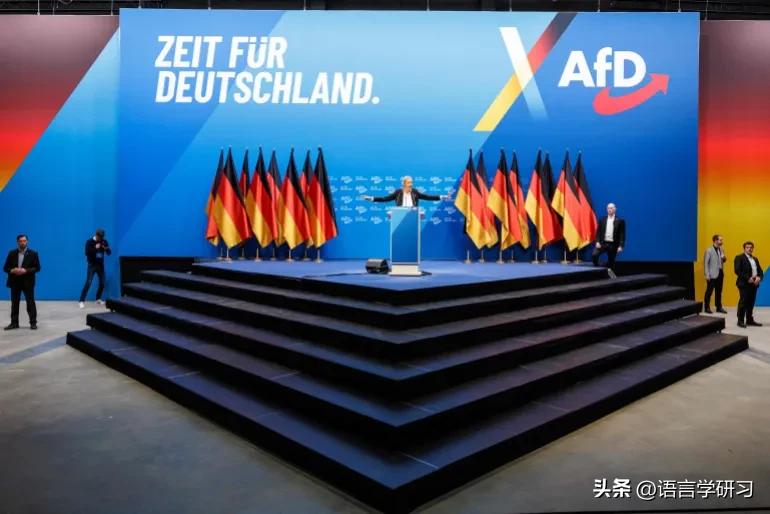
Populist policies often lack sustainability and may pose long-term risks to the economy (French media)
On the other hand, it relies on quick commitments without in-depth research, such as tax cuts or increased spending, leading to fiscal deficits and unstable investment environments.
Populist rhetoric often casts doubt on national institutions and undermines public confidence in them. Therefore, if populism continues to exist without economic and institutional balance, the long-term stability will face real risks.
What Are the Positive Aspects of Populism?
Although populism carries certain political and economic dangers, it also has some positive aspects in certain cases:
- Sometimes it helps draw attention to the actual problems people face, such as poverty, unemployment, and declining public service quality, which are often overlooked by governments.
- Populism also prompts some governments to re-examine their policies and respond to citizen demands, helping break political deadlock and promote change.
- Populism encourages people to engage in public affairs and participate in politics with its straightforward and simple language, even if it leads to some divisions within society.
In short, in certain cases, populism can be seen as a protest message from marginalized groups demanding a fairer economic system. If handled responsibly and with political calmness, it may open the door for real reforms.
However, despite these positive aspects, populism also has serious negative consequences, especially in the long run, which we will discuss below.
Negative Impacts of Populism on the Economy
- Weakening institutional independence: Populist governments sometimes interfere with the work of central banks and financial institutions, damaging their credibility and increasing the risks of economic volatility and currency depreciation.
- Expanding budget deficits: To gain public support, populist governments may expand spending or cut taxes without sufficient funds, thereby exacerbating deficits, leading to accumulated public debt and delaying necessary reforms.
- Protectionism and economic isolation: Imposing tariffs and refusing trade agreements will increase prices, reduce competition, and limit export opportunities.
- Unstable business environment: Sudden decisions and frequent policy changes will cause investor anxiety and capital flight.
- Decline in living standards: Unbalanced policies will lead to inflation and a decrease in purchasing power, negatively affecting citizens' lives.
- Economic growth slowdown: Studies show that after 10 to 15 years of implementing such policies, GDP per capita in populist countries will decline.
- Weakening international confidence: Unconventional policies will cause a country to lose confidence in global markets, increase borrowing costs, and negatively impact its credit rating.
- Politicalization of economic decisions: Economics is sometimes used as a tool to win hearts, rather than relying on realistic research and careful planning.
- Freezing reforms: Due to fear of public strong opposition, governments have to delay important structural reforms, such as eliminating subsidies or reforming pension policies.
- Exacerbating corruption or cronyism: Positions are sometimes awarded based on political loyalty rather than ability, which weakens institutional performance and fosters corruption.
- Experts being marginalized: Populism weakens the role of experts and leads to professional opinions being excluded from the process of economic policy formulation.
In certain cases, populism can be seen as a protest message from marginalized groups demanding a fairer economic system. If handled responsibly and with political calmness, it may open the door for real reforms.
How Does Populism Affect International Relations Among Countries?
The impact of populism extends to foreign relations, as populist governments are more inclined to focus on national sovereignty rather than international cooperation, changing the country's position in the world and weakening its presence in the international order.
These regimes view globalization as the main cause of their economic decline, industrial decline, and unemployment. Therefore, they gradually withdraw from the global order and rearrange their priorities, prioritizing domestic affairs at the expense of international cooperation.
This self-isolation is not limited to the economy but extends to foreign policy, affecting relationships between countries and strategic balances:
- Weakened international cooperation: Populist governments tend to withdraw from international agreements, especially those related to trade, the environment, or immigration, thus undermining the global order based on multilateralism and collective action.
- Tension with allies: Populist rhetoric is fond of confrontation and blame, leading to deterioration of relationships with traditional allies and reducing the opportunity to build stable partnerships.
- International isolation and loss of influence: Over time, populist countries' positions in regional and international institutions decline, reducing their ability to influence global decision-making and weakening their voice on major issues.
Populism also questions independent financial institutions such as central banks and calls for regaining economic control through internal decisions without external influence.
Is Populism a Threat or an Opportunity?
Although populism has negative economic effects and long-term challenges, it is a natural result of long-term economic and social policies that have deepened the gap between citizens and decision-makers.
When individual needs are ignored and trust in institutions declines, many people tend to adopt simple language and direct promises, even if they appear unrealistic or risky.
From financial crises to political tensions and regional conflicts, continuous crises have accelerated the rise of populist movements and given them some influence. This is not because they necessarily provide better solutions, but because they touch the desire of ordinary citizens to be understood and represented.
Ordinary citizens do not care about the complexity of economic policies or debate details; they care about concrete things: how to meet daily needs, ensure the future of their families, and live with dignity under stable conditions.
Today, the rise of populist movements in some countries and their taking of decision-making positions reflects the efforts of the people to find an alternative where their voices are heard.
The question remains: does populism represent a long-term alternative or a temporary reaction to deeper crises?
The answer will depend on whether the international order can accurately interpret this shift and respond with practical reforms, thereby restoring the balance between the people's aspirations and the demand for stability.
Source: Al Jazeera
Original: toutiao.com/article/7580640011574428211/
Statement: The article represents the views of the author.