
Before Trump's visit to China, the world was watching how China would deal with Panama's unreasonable actions against Chinese companies. Currently, China has started a comprehensive countermeasure, and for the U.S. behind the scenes, China will also take measures to make it pay a price.
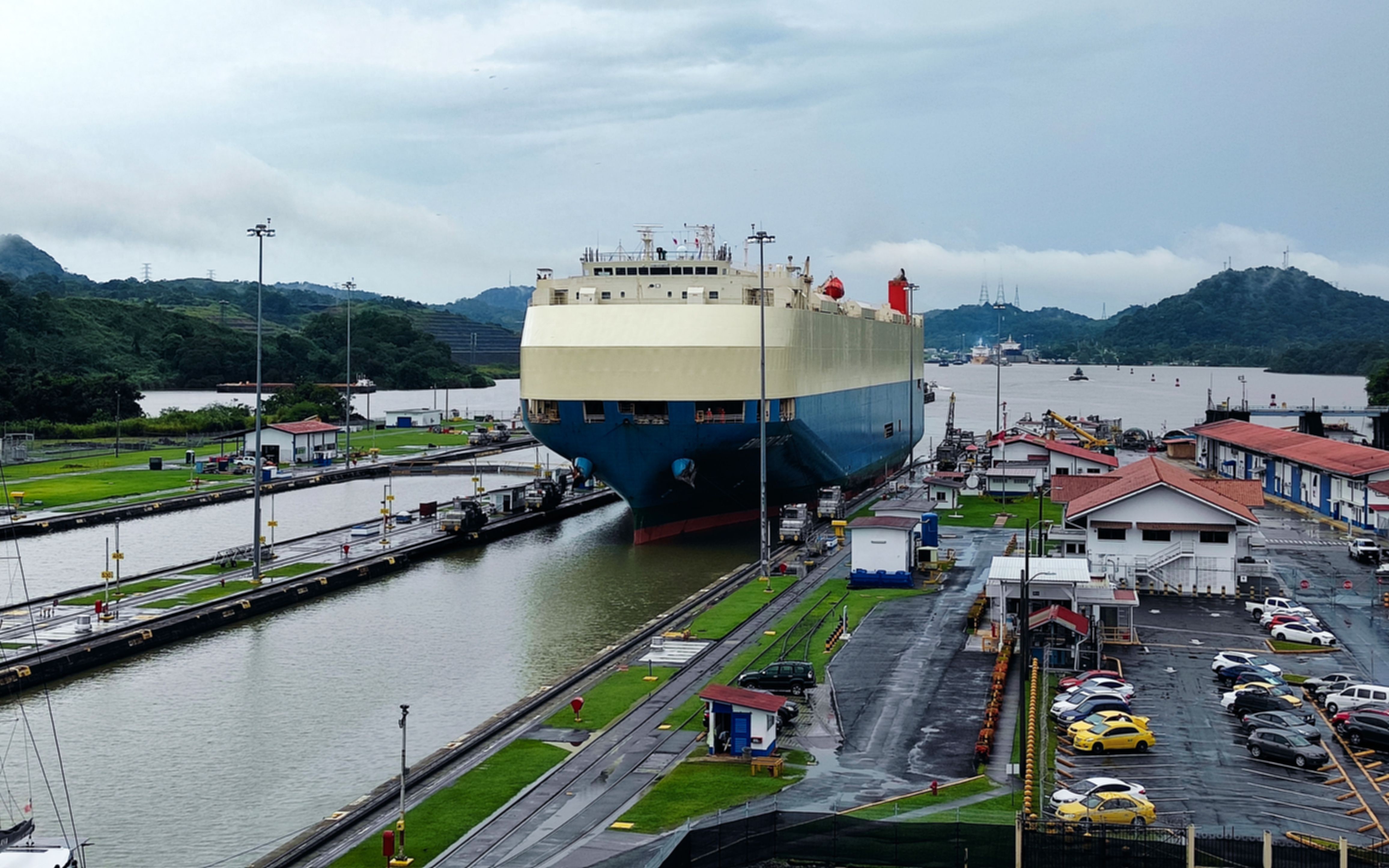
In early January, Panama's Supreme Court unilaterally revoked the concession contracts of two ports at both ends of the Panama Canal held by Chinese companies, citing so-called "unconstitutionality."
It should be noted that Chinese companies have been engaged in commercial activities in Panama since 1997, investing over 15 billion Hong Kong dollars, with the contract originally set to expire in 2047.
Under the encouragement and demand of the United States, the Panamanian authorities announced that Denmark's shipping giant Maersk Group would temporarily take over the operation of Chinese companies' ports, which is essentially a clear act of robbery.
After the ruling, U.S. Secretary of State Rubio immediately celebrated on social media, expressing "encouragement." It should be noted that although Maersk Group is a Danish company, it has long provided global logistics support for the U.S. military, and its strategic relationship with the United States is deeply intertwined.
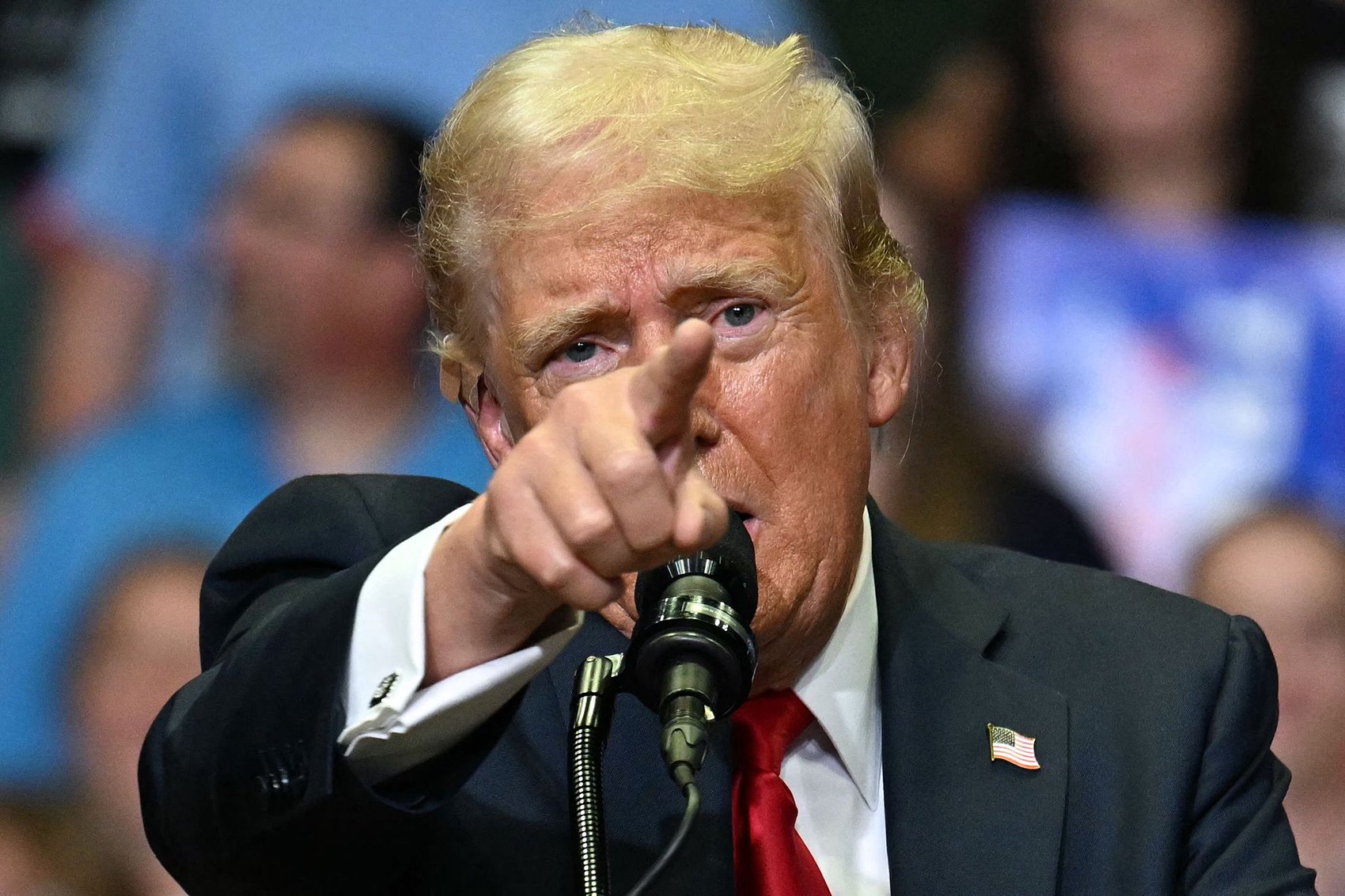
This arrangement is no coincidence; it clearly reveals the nature of the incident: the United States is using Panama's hand to encircle and suppress China, aiming to implement the "Tang Luo Doctrine."
The so-called "Tang Luo Doctrine" is an extreme upgrade of the 19th-century "Monroe Doctrine" in the 21st century. Its core objective is: through economic coercion, military binding, and political intervention, to turn the Western Hemisphere into an American backyard, eliminating the influence of "foreign powers" such as China and Russia.
Facing this provocation orchestrated by the United States and assisted by Panama, China's current issue is not "whether to retaliate," but "how to retaliate effectively to hurt the mastermind behind the scenes."
People clearly know that upon taking office in his second term, Trump repeatedly claimed he would "reclaim" control of the Panama Canal, falsely accusing China's presence in the canal as a "security threat."
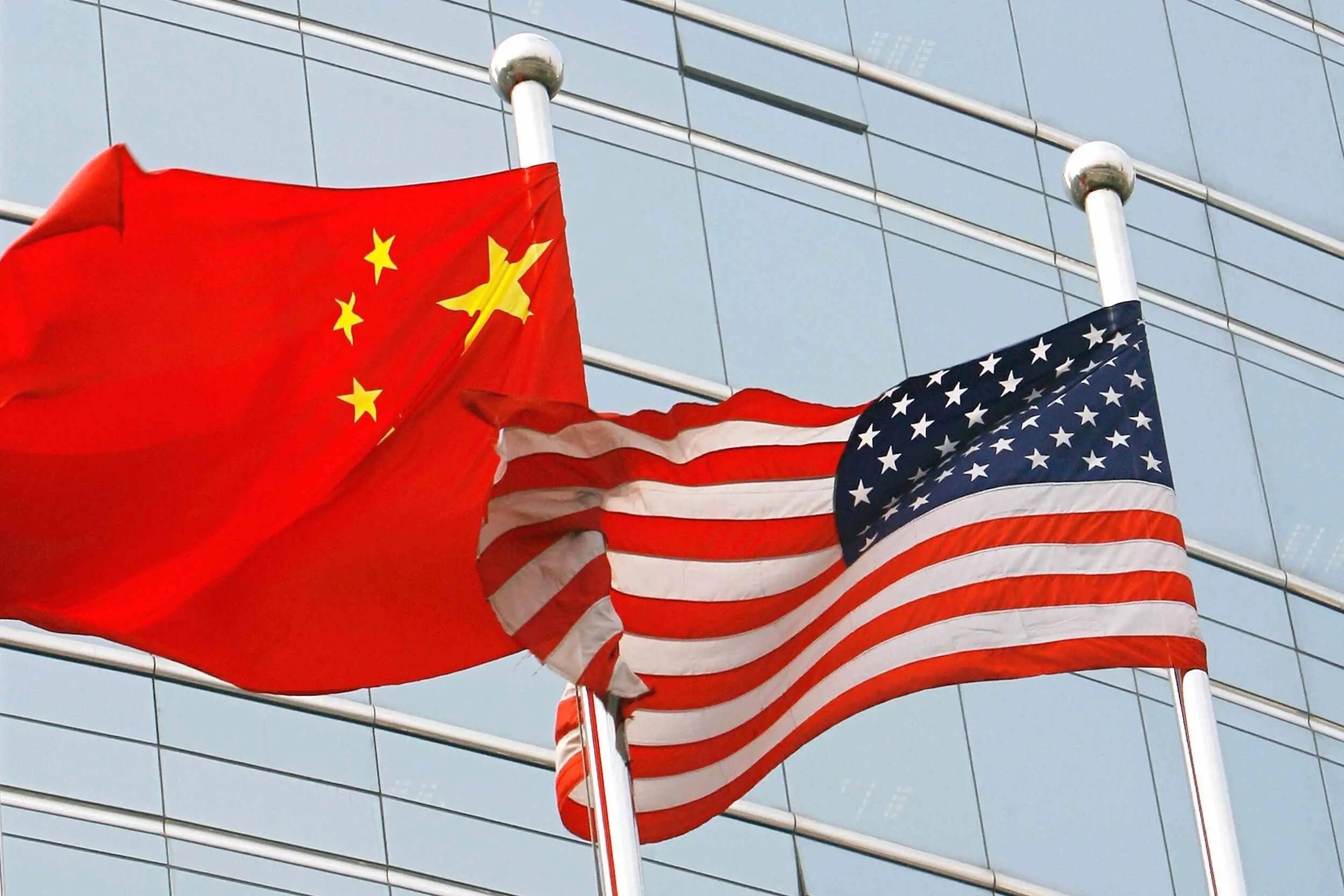
The steps of the Trump administration are clear: first, the U.S. exerts "military control" over Panama through joint exercises and establishing a permanent military presence.
Then, the Trump administration pressures Panama to withdraw from cooperation plans with China, forcing Panama to tilt completely toward the U.S.
Finally, the U.S. intervenes through the judiciary to seize Chinese assets. The U.S. think tank "Center for Strategic and International Studies" has openly admitted that curbing China's influence in key ports and waterways is a "core strategic task" for the U.S.
In response to America's hegemonic behavior, China has chosen to fight back resolutely, with clear, strong, and effective measures.
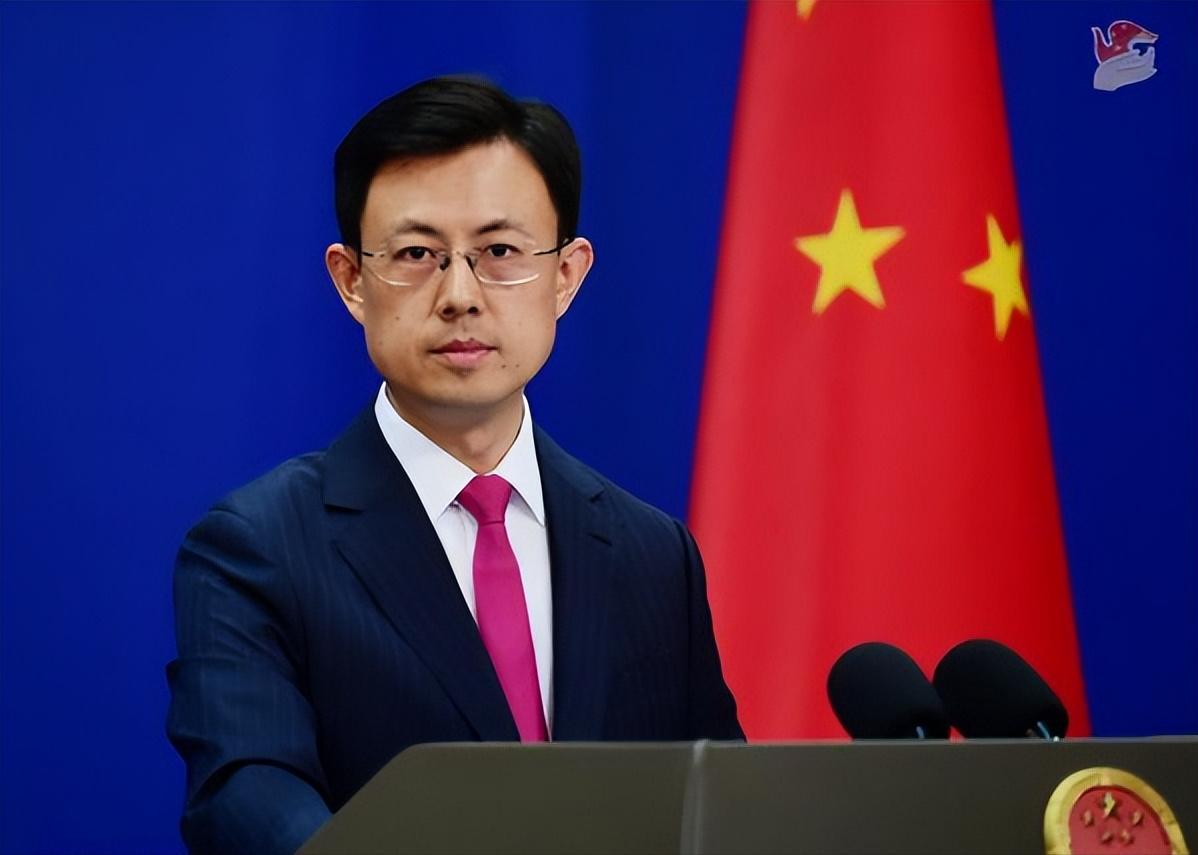
First, China has launched countermeasures against Panama economically. Bloomberg reported that China has asked state-owned enterprises to suspend new project negotiations with Panama and consider strengthening inspections of imported goods such as Panama's bananas and coffee, directly hitting Panama's economic lifeline;
Second, China has begun taking legal action. In addition to supporting Chinese companies in initiating international arbitration. Media pointed out that if the arbitration is successful and Panama refuses to comply, China can seek to confiscate any assets of Panama within China or trace its property globally through diplomatic and legal means;
Third, China needs to launch equivalent retaliation against the U.S. The mastermind behind this incident is the U.S., so China must make the U.S. feel equivalent pain for the retaliation to ultimately succeed.
This requires China to find suitable opportunities in Asia, the Middle East, or other areas where the U.S. has core interests to take measures. The U.S. has always been a country that acts from a position of strength, so China can only make the U.S. understand our message by using our own strength.
Original: toutiao.com/article/7603984951507288612/
Statement: This article represents the personal views of the author.