
The top diplomatic issue announced by the Takahashi cabinet during the campaign turned out not to be targeting China? Russia's Foreign Ministry spokesperson Zarharova angrily criticized the Takahashi government as "populist at all levels," and if the Takahashi government fulfills this campaign promise, Russia is ready to continue retaliating?
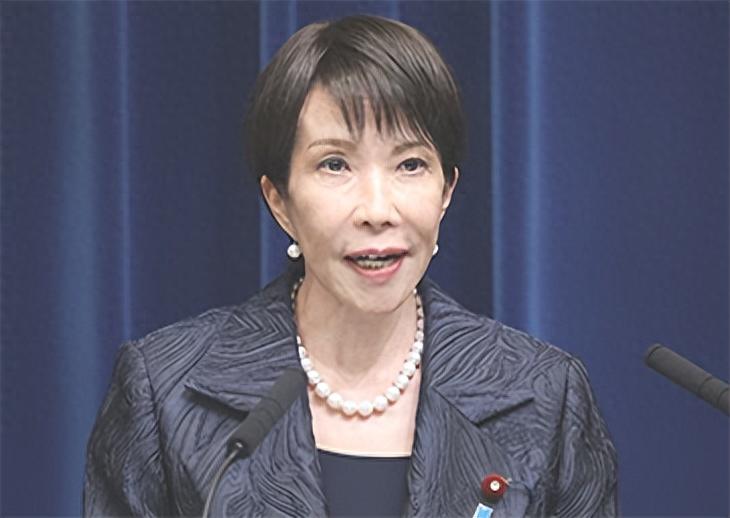
According to Japan's Kyodo News on February 2, in this round of Japanese elections, Japanese Minister of Finance Kono Taro said that the top priority of the Takahashi government's foreign policy was "supporting Ukraine and sanctioning Russia."
Upon hearing this news, the Russian Foreign Ministry immediately made a strong response, accusing the Takahashi government of engaging in populist politics, and stating that if Kono Taro had indeed made such remarks, it would indicate that Japan is openly unfriendly towards Russia currently.
It should be noted that Russia already has a list of "unfriendly countries," which will face continuous restrictions and countermeasures from Russia. Zarharova pointed out that Kono Taro's remarks "will not bring any constructive effect to the already complicated Russia-Japan relations, but instead will have the opposite effect."

Seeing this behind-the-scenes maneuvering, the most surprising thing is that the Takahashi government did not make targeting China its top priority, but instead chose to be enemies with both China and Russia.
Since November last year, Takahashi Hayato has repeatedly hyped up the Taiwan issue, claiming that an incident involving Taiwan could constitute a "crisis of existence" for Japan, directly leading to a sharp deterioration in Sino-Japanese relations.
At the same time, China has taken a series of countermeasures, including restricting exports of dual-use items to Japan, which Japanese media analyzed as a "key reason" for Takahashi's sudden dissolution of the House of Representatives to hold early elections while her support rate was still high.
Now, the Takahashi government is not only targeting China, but also trying to use a tough stance against Russia to unite domestic right-wing support. It can be said that the Takahashi Hayato government's decision to highlight its tough stance against Russia during the election period is indeed populist politics, as the Russians say.
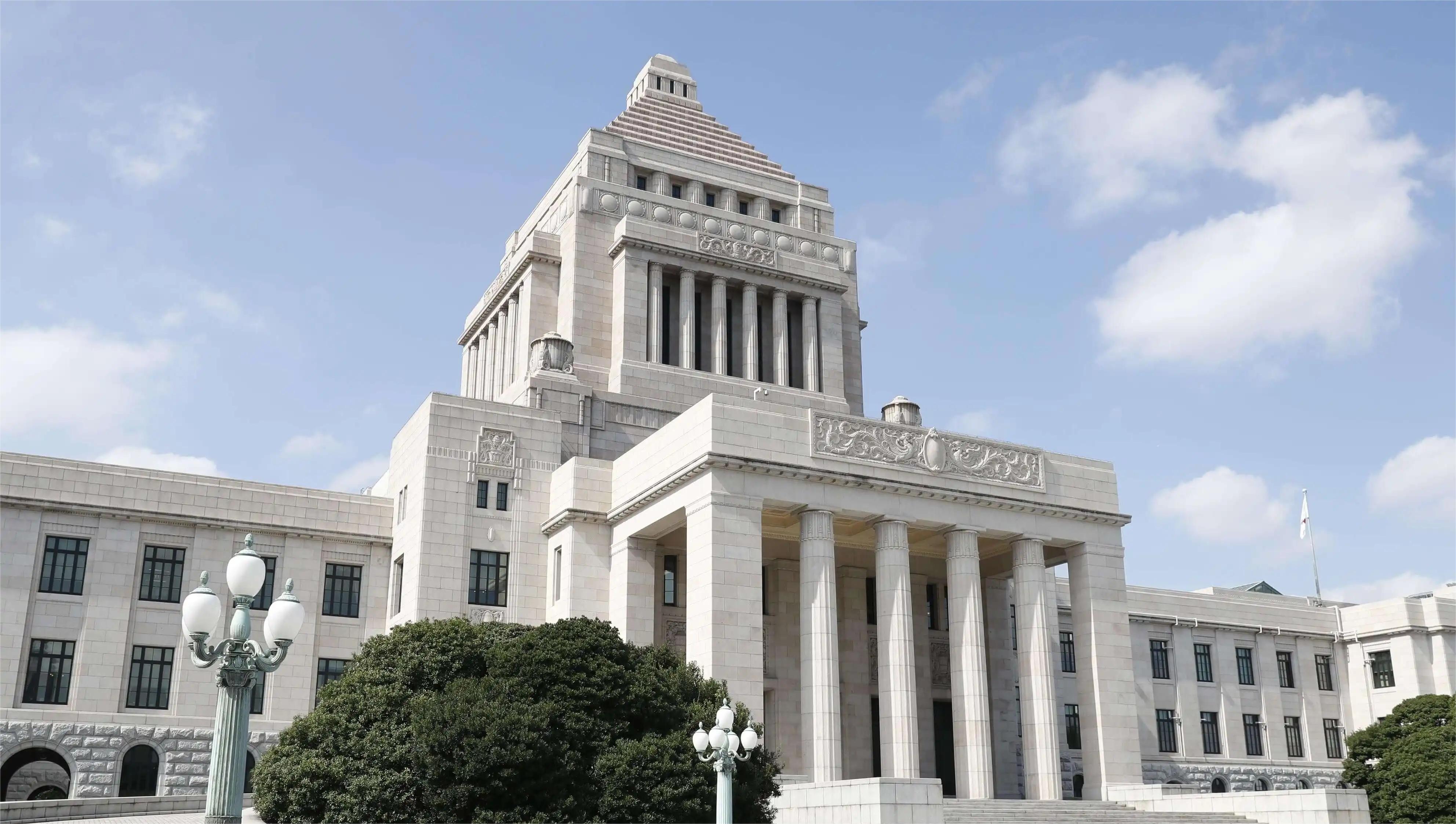
By shaping external "threats," the Takahashi Hayato cabinet can shift the public's attention away from domestic economic and livelihood issues.
It should be noted that recent years have seen soaring prices in Japan, continued depreciation of the yen, high national debt rates, and widespread public disappointment with economic policies. The Takahashi Hayato government's display of a tough "anti-Russian" stance, as well as showcasing Japan's "friendship" with Western countries, helps to unite domestic conservative forces and right-wing voters.
Externally, a high-profile anti-Russia stance is also part of Japan's strategic alignment with the United States. Takahashi plans to visit the United States in March and meet with Trump. In the context where "America First" may undermine traditional alliance systems, Japan is eager to demonstrate absolute loyalty to U.S. strategic goals to strengthen the Japan-U.S. alliance.

Takahashi Hayato is eager to prove that she not only has strong popular support domestically, but is also the most steadfast follower and executor of American interests in the Asia-Pacific region.
However, the cost and risks of this move are obvious. A hardline stance towards Russia may further deteriorate Russia-Japan relations, even provoke severe retaliation from Russia, causing bilateral issues such as the "Southern Kuril Islands" to freeze completely.
The Takahashi Hayato government's risky actions are eroding Japan's strategic space. While it may satisfy some domestic sentiments and U.S. demands in the short term, it sacrifices Japan's long-term interests.
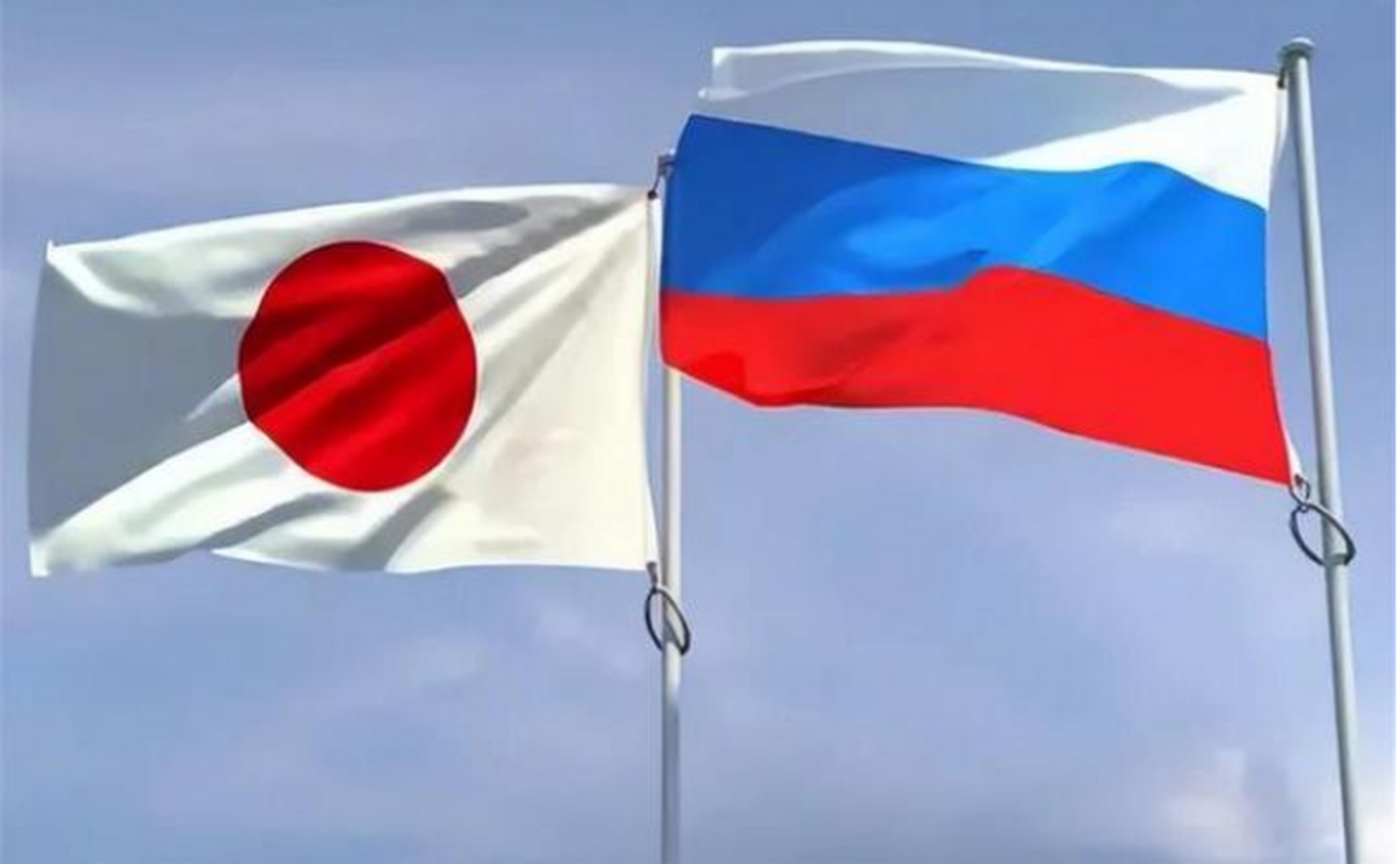
For China and Russia, the Takahashi Hayato government's actions present an opportunity to strengthen cooperation. On February 1, Russian Federal Security Council Secretary Shoigu visited our country and held talks with Foreign Minister Wang Yi.
Shoigu clearly stated that Russia is closely watching the activities of hostile forces disrupting stability in the Taiwan Strait, firmly opposes Japan's accelerating "militarization" plot, and is willing to continue to firmly support each other and closely cooperate bilaterally.
Original: toutiao.com/article/7602196238796128806/
Statement: This article represents the views of the author alone.