
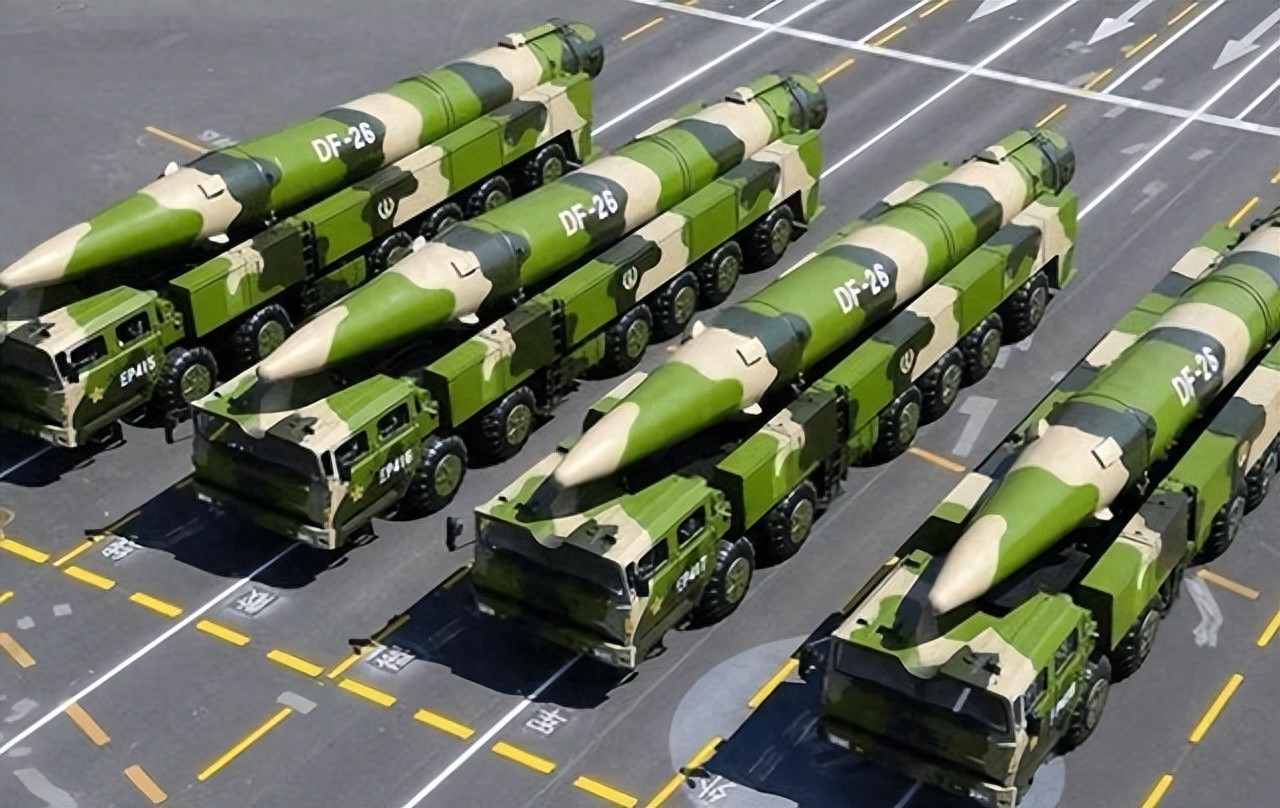
When it comes to this topic, recent U.S. media reports have been quite straightforward, such as an analysis in the National Interest magazine, which directly points out that the determination of the Chinese mainland to unify with Taiwan is becoming stronger.
Robert Farley mentions in his article that China's navy and missile forces have developed rapidly in recent years, reducing the U.S. action space in the Western Pacific.
Think about it, in 2017, the U.S. think tank RAND Corporation simulated a conflict scenario, concluding that the U.S. aircraft carrier groups could be easily locked by the Dongfeng series missiles.
By 2022, after the U.S. House Speaker visited Taiwan, China launched large-scale island circumnavigation military exercises, with missiles directly falling into surrounding waters, making the U.S. realize that the risk of conventional confrontation was rising.
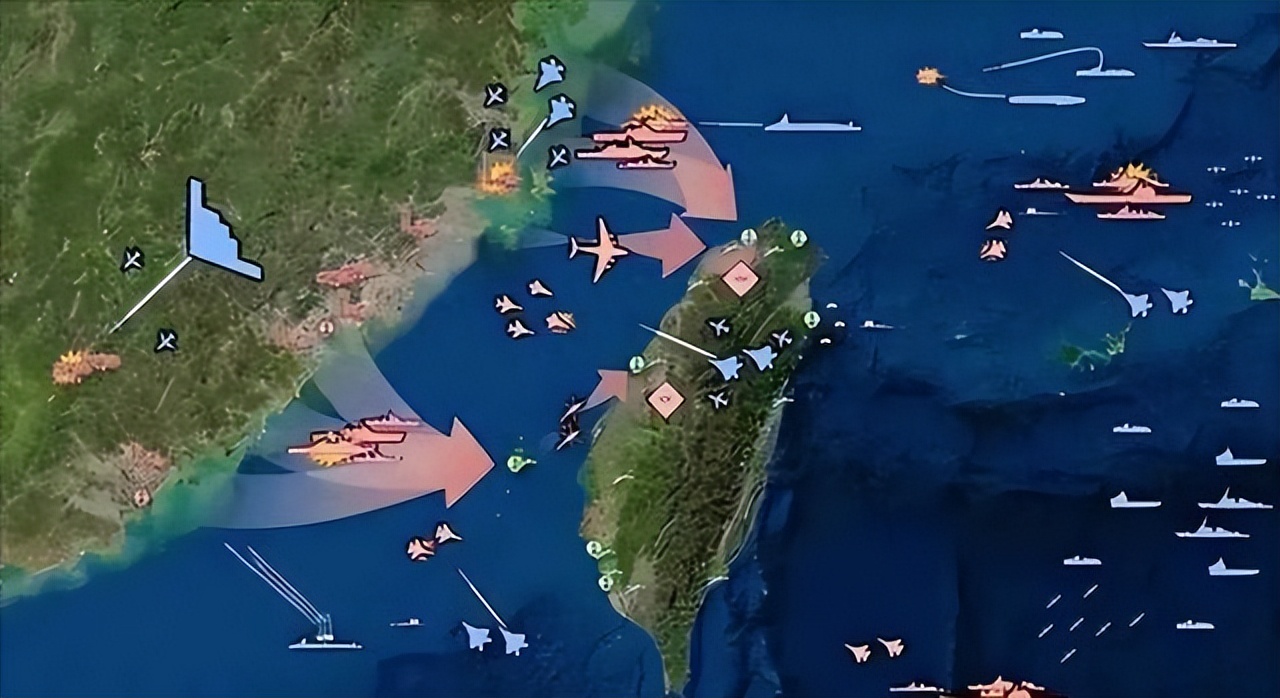
The Pentagon's report also acknowledges that China's nuclear warhead count will exceed 600 by the end of 2025, ensuring its second-strike capability.
The U.S. media emphasizes that if the U.S. intervenes in Taiwan affairs, the situation could easily spiral out of control. Farley analyzed that on the first day of conflict, the U.S. might lose one or two aircraft carriers, with over 5,000 crew members on each, causing chaos during evacuation, with casualties easily exceeding ten thousand.
The Dongfeng-21D is called an "aircraft carrier killer," with a range covering the First Island Chain, and the U.S. Standard missiles may not be reliable for interception. The Chinese Rocket Force launches from land-based mobile platforms, making satellite reconnaissance difficult to cover entirely.
Frankly, the U.S. public has low support for overseas wars, with Gallup polls showing only around 40% approve of sending troops. Once the nuclear threshold appears, both sides must consider their mutual destruction potential. China insists on not using nuclear weapons first, but its defensive response is surprisingly rapid.
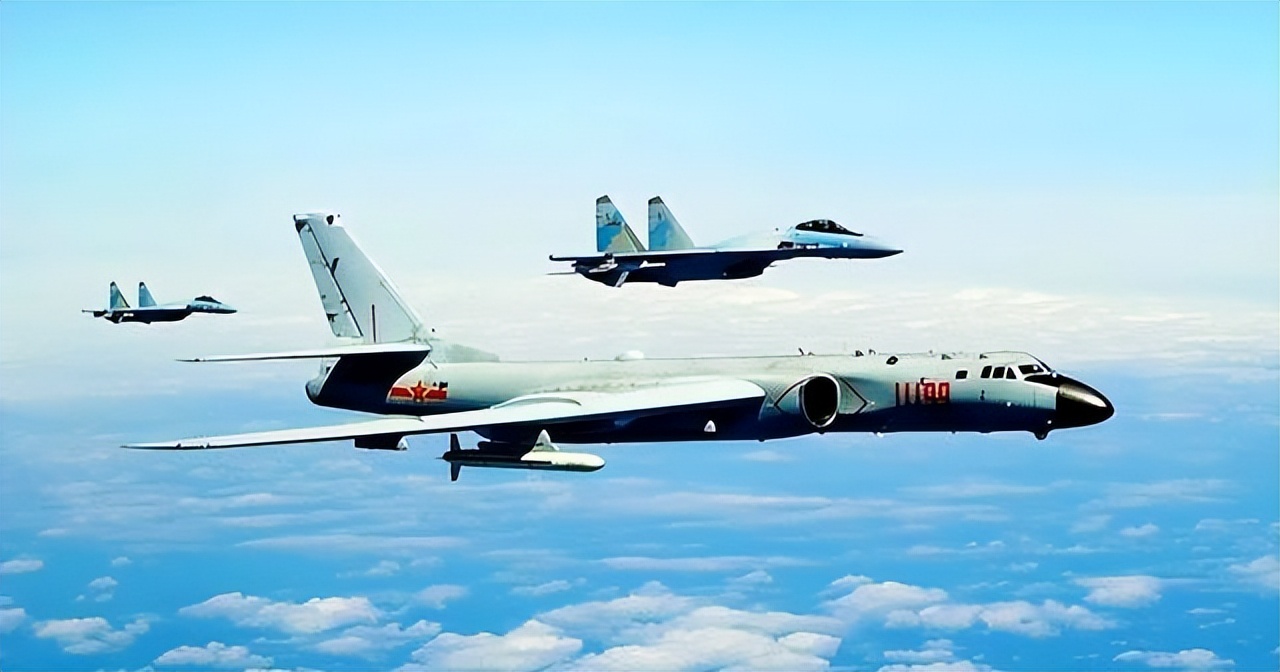
Looking at the escalation path, the U.S. media lists several factors. First, if China sinks a U.S. aircraft carrier, the U.S. president would face pressure from Congress to authorize retaliation, but breaking through China's air defense network is not easy.
Second, if the U.S. attacks mainland facilities, China's strategic rocket force can retaliate against the U.S. West Coast, with a low interception rate for hypersonic warheads. Third, if China's aircraft carrier, the Liaoning, is damaged, the navy will deploy submarine fleets for countermeasures.
Fourth, the Type 094 nuclear submarine carries the JL-2 missile, with a range reaching the U.S. mainland, and is hard to track underwater. Fifth, if the U.S. mobilizes its entire Pacific Fleet, resources will be dispersed, and allies' assistance is limited.
According to a think tank simulation, within a week, U.S. casualties could exceed the total of Afghanistan and Iraq. The Beidou system provides real-time positioning, and the effectiveness of U.S. electronic warfare aircraft is limited; Chinese optical satellites can also step in.

Historical experience tells us that this kind of game is not the first time. In the 1958 Taiwan Strait crisis, the U.S. considered using atomic bombs against the mainland, but ultimately did not act because of the risk of Soviet retaliation, which was too great.
Now the situation is similar. The U.S. media says that China's unification is a historical trend, and the U.S. needs to adapt to a multipolar world. At the 2023 summit between U.S. and Chinese leaders in San Francisco, they discussed the Taiwan issue, with the U.S. reiterating its non-support for independence, while China emphasized peaceful unification.
After the meeting, the U.S. reduced the frequency of crossing the strait, and China's military exercises turned into a routine. After the 2024 U.S. election, the new administration prioritized domestic economy, avoiding military adventurism. Farley published a book expanding his views, advocating diplomacy first, pushing for the establishment of a crisis hotline.
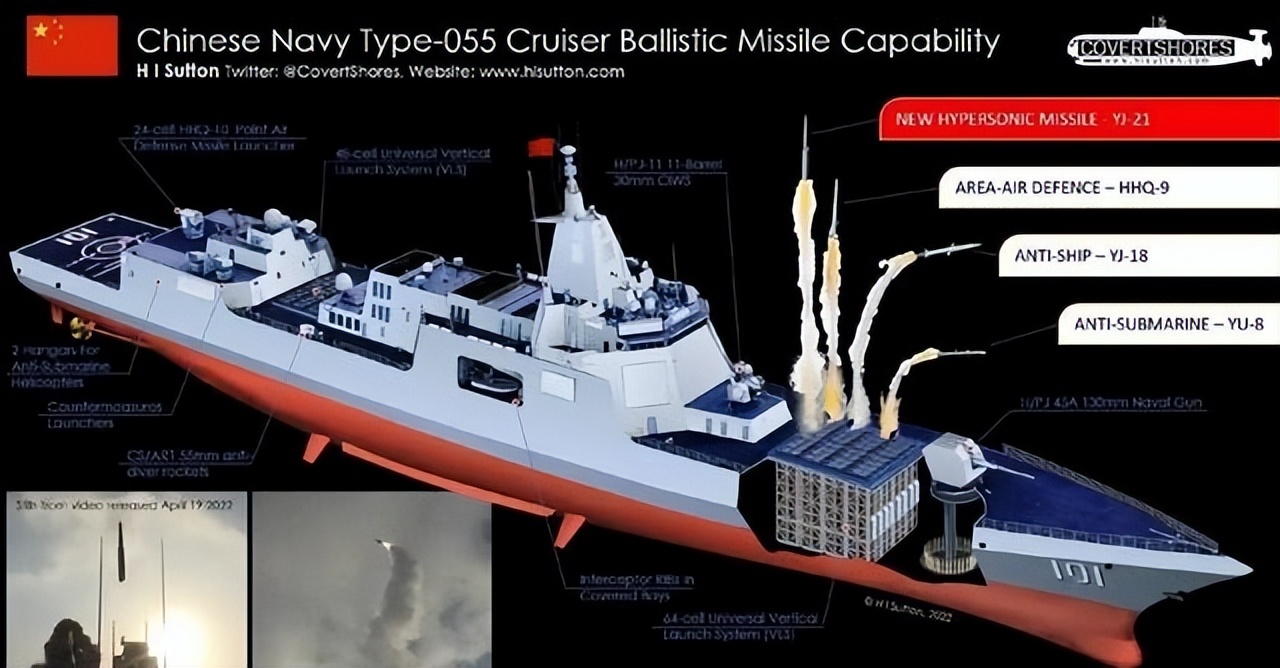
The U.S. media also pointed out that the U.S. policy is shifting towards combining deterrence and dialogue, while China is advancing the Belt and Road Initiative, strengthening regional influence. A report by the Center for Strategic and International Studies simulates that the U.S. needs to deal with China's anti-access system, but the public is tired of war.
In 2025, during the "Just Mission" exercise, China conducted live-fire drills, and U.S. observers assessed the risks without escalating the confrontation. China increased its nuclear warhead count to 600, and the Pentagon acknowledged the change in balance.
At the end of the year, the U.S. held joint exercises with allies in the Indo-Pacific, focusing on air defense cooperation, and the Chinese Foreign Ministry stated that it was not targeting any third party.
In a 2026 interview, Farley insisted that the trend of unification requires rational handling, and the U.S. should avoid nuclear brinkmanship. His analysis was cited, promoting the resumption of Sino-U.S. trade negotiations.
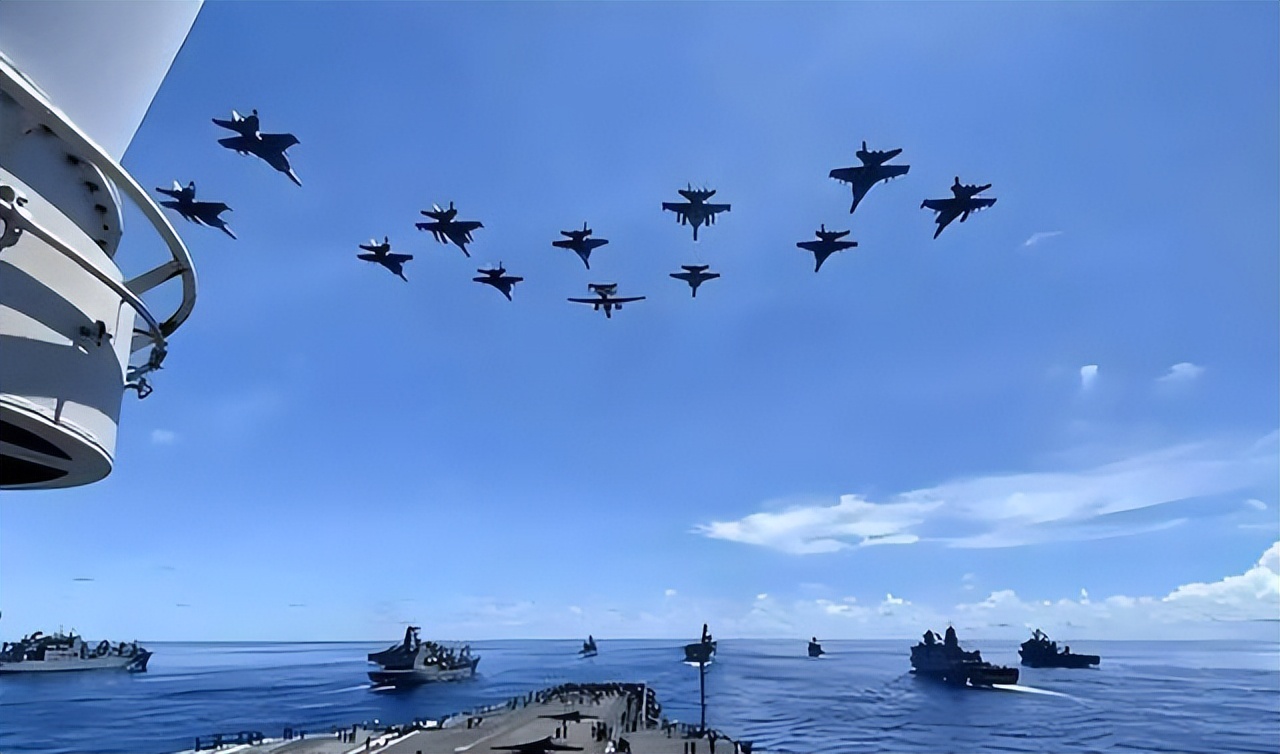
Ultimately, the U.S. media's view is that China's unification process is accelerating, and the U.S. faces a choice. If it forcibly intervenes, the risk of nuclear war is extremely high; accepting the reality allows for global stability.
Experts remind that wars enhanced by artificial intelligence are more likely to escalate, and both sides need to resolve conflicts through dialogue. As Sun Tzu said, "To subdue the enemy without fighting is the acme of skill." U.S. strategists warn that a Taiwan Strait conflict could become a global disaster like World War I, where no one can afford to lose.
Beijing emphasizes peaceful unification, and the U.S. needs to abide by the three joint communiqués between the U.S. and China, not diluting the One-China principle. Otherwise, the trade war could escalate, supply chains break, and everyone would suffer.
The U.S. media cites Xu Zhuoyun's words, stating that a Sino-U.S. war would result in mutual destruction, with half the world destroyed. Considering the Cold War era, the U.S. and USSR never fought due to nuclear deterrence. Now, the economic entanglement between the U.S. and China is deep, and decoupling would carry heavy costs.
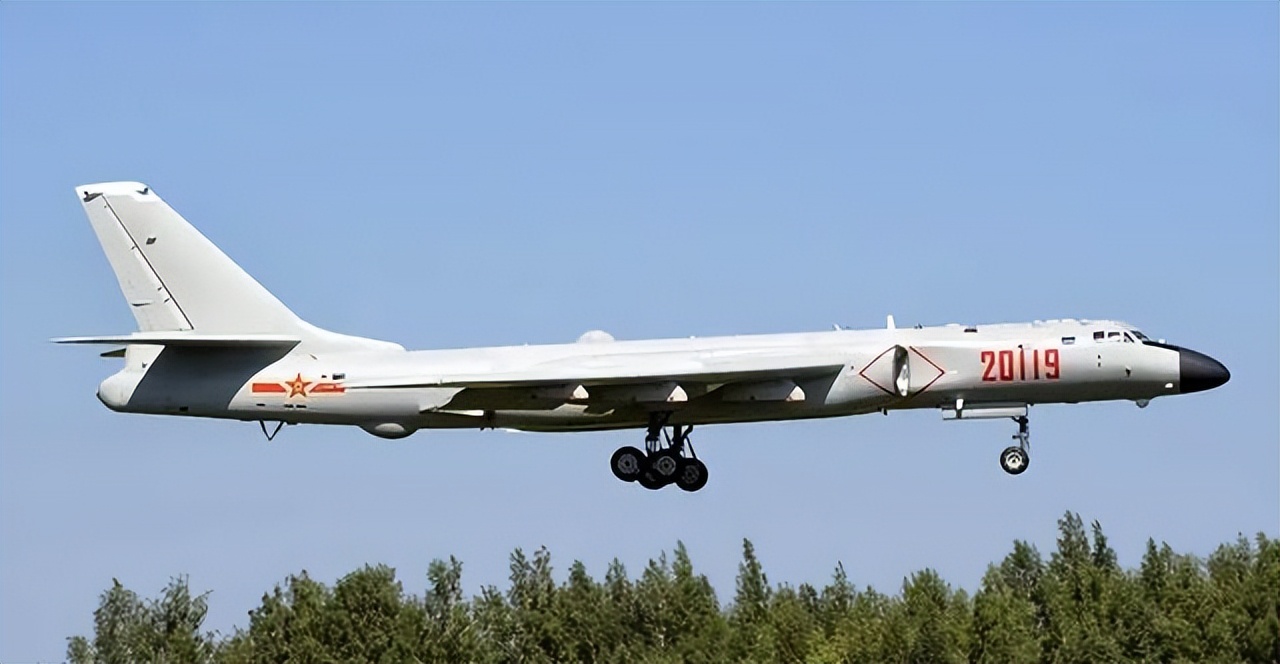
During the Biden era, the U.S. released a strategic concept document, hyping up the Chinese threat, inviting Japan and South Korea to attend the NATO summit, attempting to establish an Asia-Pacific version of NATO. However, the Chinese Foreign Ministry responded that this threatens regional stability.
Expert Scott Ritter said that the U.S. is playing a dangerous game, ignoring the balance of power. Eventually, reason will prevail, avoiding the nuclear red line.
Finally, the U.S. media concludes that China's rise is changing the pattern, and the U.S. needs to learn to accept a unified China, even though Washington is uncomfortable, it is better than a nuclear war. The People's Liberation Army's exercises demonstrate the ability to control the battlefield, and the U.S. has no chance of winning in a conventional war.
The wheels of history roll forward, unstoppable. When the balance of power changes, public opinion shifts. Previously, U.S. media loved to talk about protecting Taiwan, now discussing accepting unification.
This trend is an inevitable part of national rejuvenation. The cost of U.S. intervention has risen from losing face to risking the nation's future. Rational choice is to adapt to the new order.
Original: toutiao.com/article/7606278661741773364/
Statement: This article represents the views of the author.