
【Military Second Dimension】Author: Taibai
Recently, Chinese engineering personnel published a groundbreaking research result in the "Journal of Naval Aviation University," which is a micro hypersonic glide-guided shell that can be fired from an 80mm calibre anti-aircraft gun equipped by the People's Liberation Army Navy. The most outstanding achievement of this result is that it directly transferred the hypersonic glide technology originally used in missiles such as the DF-17 to shells, making the maximum speed of ordinary shells close to 6 Mach. Once this technology is popularized, it will completely blur the line between traditional shells and missiles. In the future, if such ammunition is applied to the field of short-range air defense, it will completely revolutionize the entire short-range air defense operational system.
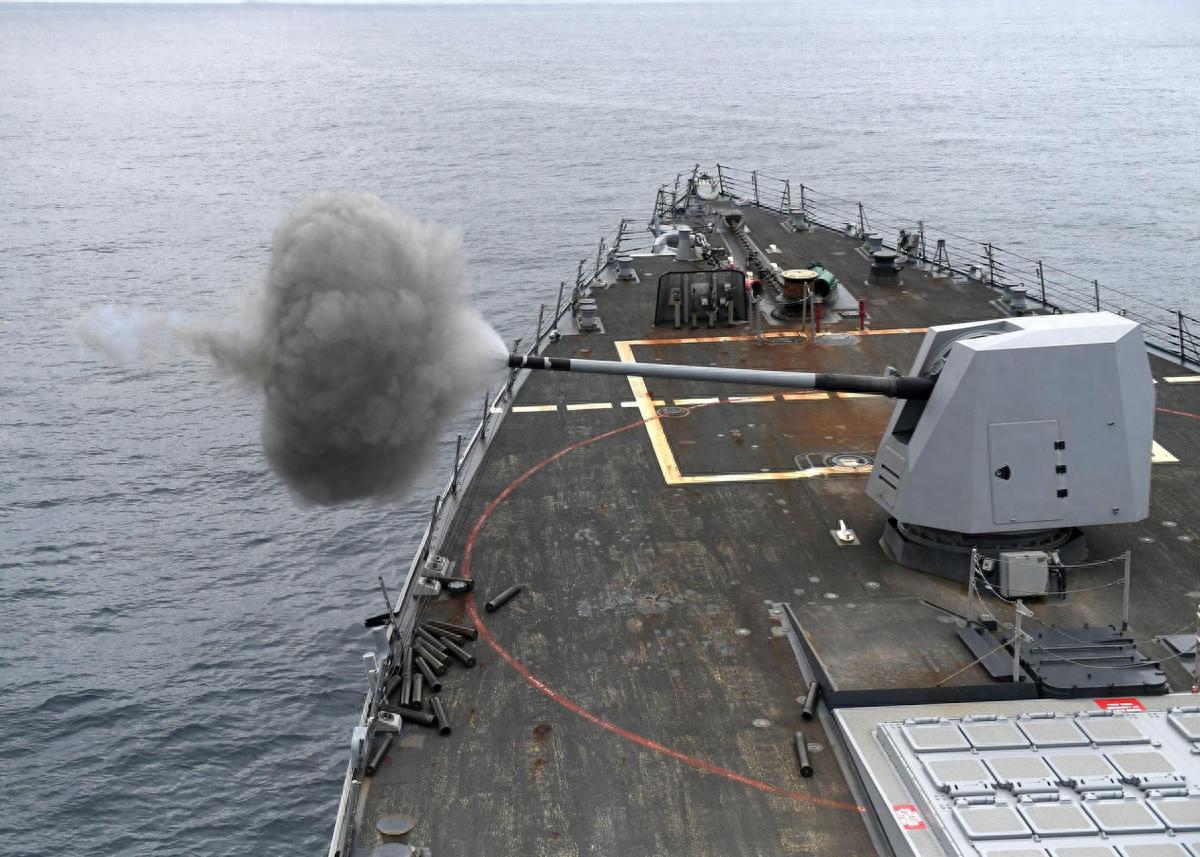
▲The domestic ship gun may integrate hypersonic shells in the future
According to the technical data publicly available in the journal, the calibre of this shell is 80mm, and it is compatible with the existing anti-aircraft gun system of the People's Liberation Army Navy. Its muzzle velocity is close to 6 Mach, and its terminal velocity can still maintain around 3.6 Mach. The maximum flight distance is approximately 20 kilometers, and it can strike targets at a height of about 10,000 meters. Even when fired from a regular anti-aircraft gun, its rate of fire can reach one per second.

▲Report by South China Morning Post
The most important thing is that this missile is equipped with intelligent components: during the mid-flight phase, it will start a chip with a multi-target optimization algorithm, which can automatically plan the most efficient trajectory, thus maximizing the preservation of the shell's own speed and energy. When reaching the end of the maximum range, it will activate an advanced guidance law chip called sliding mode variable structure guidance, which can automatically predict and track high-maneuverability targets. According to the simulation results from the computer, the hit rate of this hypersonic shell is as high as 99%. Even if the target makes a 90-degree sharp turn during evasive maneuvers, it is still highly likely unable to escape the shell's tracking.

▲Imaginary image of hypersonic shell attack
As is well known, traditional shells are non-powered, but this new shell is not like that. It adopts a very special design in structure and shape, so it combines the achievements of hypersonic glide body technology applied on our missiles. After being fired out of the barrel, it will automatically glide on the shock wave at the initial speed of 6 Mach. To design such a hypersonic shell is no small task. Especially how to prevent the guidance system of the shell from failing under the severe aerodynamic interference and overload caused by hypersonic speeds, and ensure the missile flies smoothly, is a major challenge. Additionally, the control and guidance of the hypersonic shell in the mid and terminal stages pose unprecedented challenges for the construction of mathematical models, physical models, and chip algorithms.
Good news is that Chinese researchers have already solved most of these issues. From the perspective of application, this shell has the potential to replace costly missiles in the future, becoming one of the core elements of China's medium and short-range air defense systems. It can strike aerial threats such as fighter jets, drones, cruise missiles, and even tactical ballistic missiles, with low cost, high firing rate, and guaranteed accuracy. Once mass-produced, it can be widely deployed.
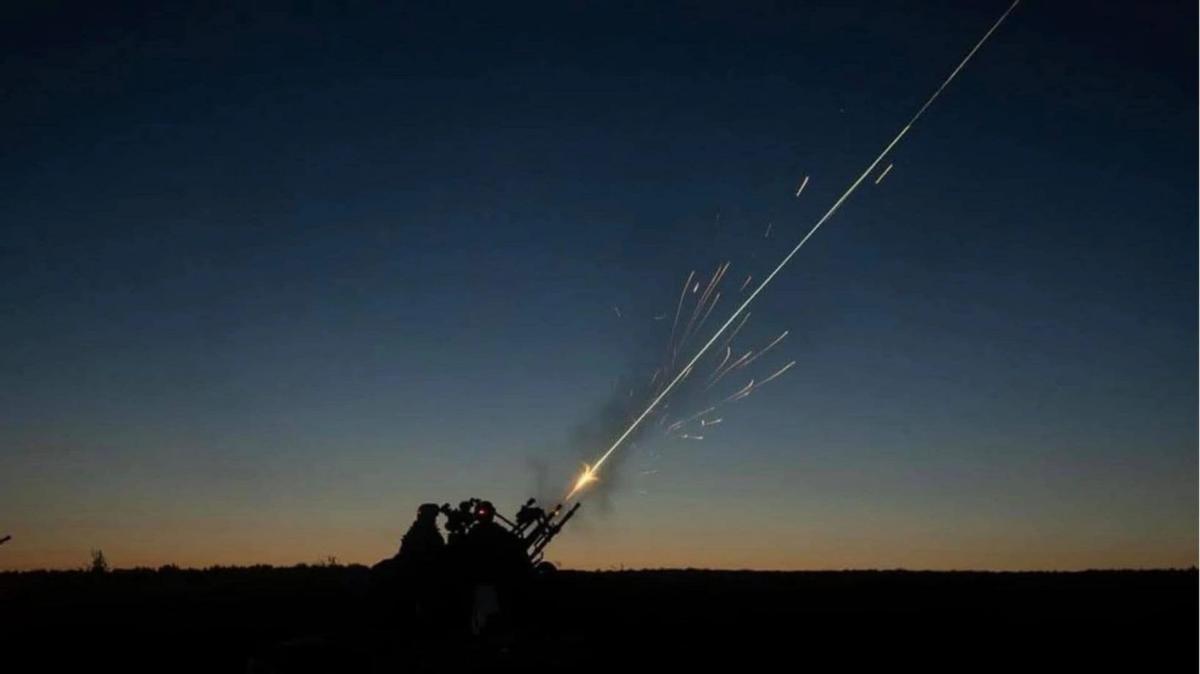
▲Hypersonic shell service could disrupt short-range air defense
Why is this hypersonic shell considered capable of disrupting the existing system? A clear point is the cost advantage. Taking the U.S. Navy as an example, the most commonly used medium and short-range air defense missile is "SeaRAM" and "Standard"-2. Either of them costs at least several ten thousand or even millions of dollars. However, a hypersonic guided shell that can accomplish the same mission costs only a few thousand dollars at most.
Once the enemy uses a missile saturation attack tactic, the continuous combat capability of the hypersonic guided shell will immediately become evident, allowing the air defense missile forces to never face the dilemma of "running out of ammunition." In terms of high-speed combat capabilities, even the most efficient traditional air defense missiles usually require intervals of several seconds or even tens of seconds between consecutive launches. However, the hypersonic guided shell can launch one every second, fully capable of completing the "dense interception" mission. It can deal with drone swarms and missile saturation attacks more easily.

▲Hypervelocity Projectile project
In terms of deployment simplicity, traditional air defense missiles either need to be vehicle-mounted or ship-mounted, and most require dedicated missile launch devices. However, the hypersonic guided shell only needs an 80mm anti-aircraft gun, which is low-cost, quick and flexible to deploy, and has a significant advantage in size compared to missiles. In interception operations, missiles need not only early warning radar but also rely on expensive sensors and command systems to hit their targets. However, the shell only needs a rough target direction, and after being fired, it can automatically seek and strike the target.
Actually, the idea of developing a hypersonic guided shell is not unique to China alone. The United States also tried to develop the HVP (Hypervelocity Projectile) high-speed shell, but did not achieve as much progress as China. The development of the HVP projectile was led by the British BAE Systems company and the relevant research units of the U.S. Navy and Army. According to all appearances, they had considerable strength, funding, and technological experience, but they have yet to achieve any success.
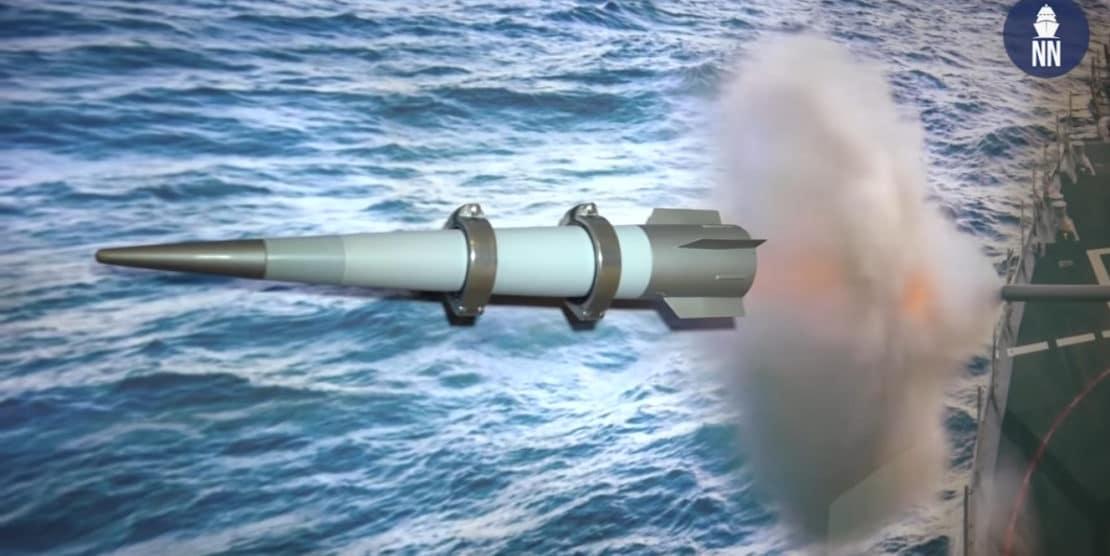
▲Imaginary image of HVP shell
The officially announced calibre of HVP is 127mm, i.e., standard 5 inches, which can be compatible with the U.S. Navy's MK-45 ship gun and the army's anti-aircraft artillery. However, its speed is only 3 Mach. According to the original design drawings, its speed could reach 7 Mach with the help of an electromagnetic rail.
However, it does not have guidance capabilities. In 2022, the United States briefly canceled this project, but in 2024, two years later, it re-invested funds and resumed testing. Currently, the entire project is still in the preliminary research stage, and it is far from practical use. China's 80mm hypersonic shell is considered a direct response to the HVP project. But in terms of progress, China has a high probability of equipping it first before the United States.
Original: toutiao.com/article/7606658953803481636/
Declaration: This article represents the views of the author himself.