
Article | Editor: Lai Kedian Pu
«——【·Preface·】——»
Recently, the nuclear-related discussions in Japan's political arena have been quite intense, and finally, there has been a result. This attempt led by Prime Minister Takahashi Hayato was intended to quietly break the post-war nuclear control restrictions by taking advantage of the tense regional situation, but it was abruptly stopped by its most dependent ally, the United States.
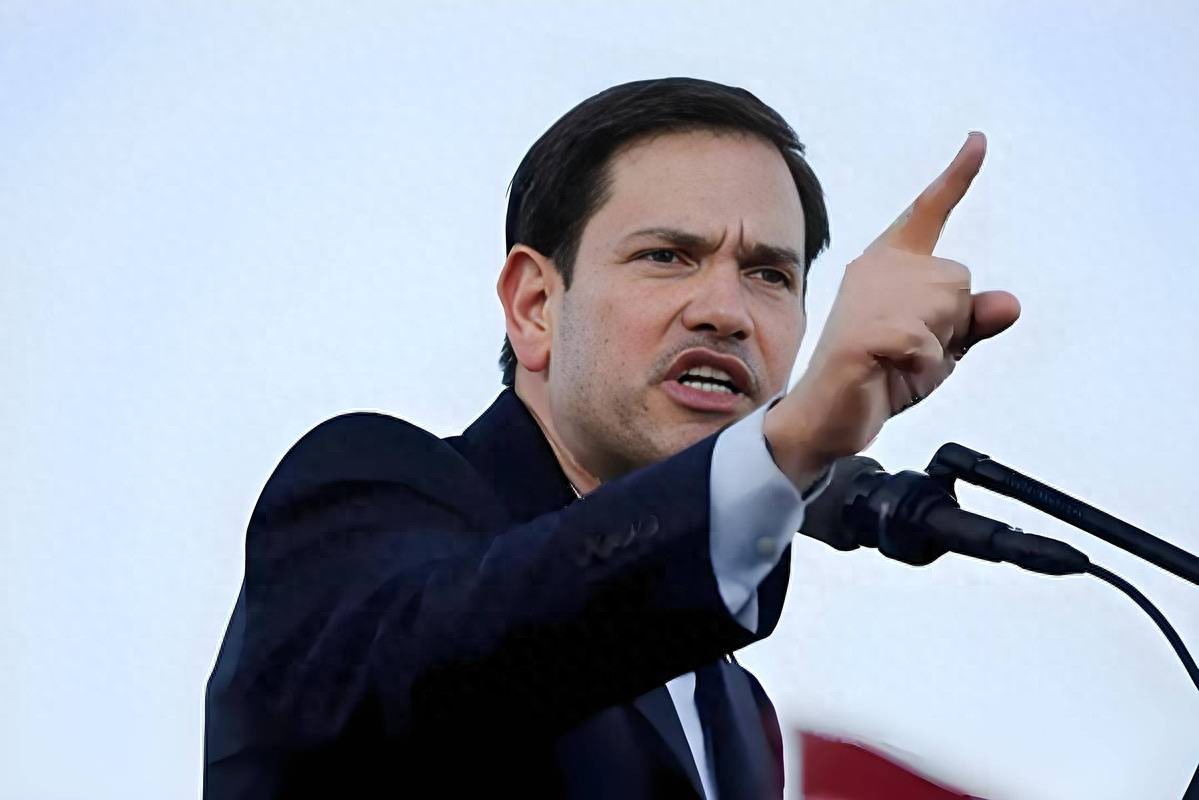
Rubio's casual remarks completely shattered Japan's right-wing nuclear ambitions, using its own historical label to lock it firmly within the non-nuclear framework, leaving no room for any reversal.
Moral Coercion Locks Japan's Nuclear Dream
The real factor that completely ended Japan's nuclear dream was not protests from so-called "adversary forces," but a "gentle stranglehold" from across the ocean, the U.S. ally. In the past, when Japan's right wing dealt with defense budgets, comfort women issues, or played the "sausage-cutting" tactics,
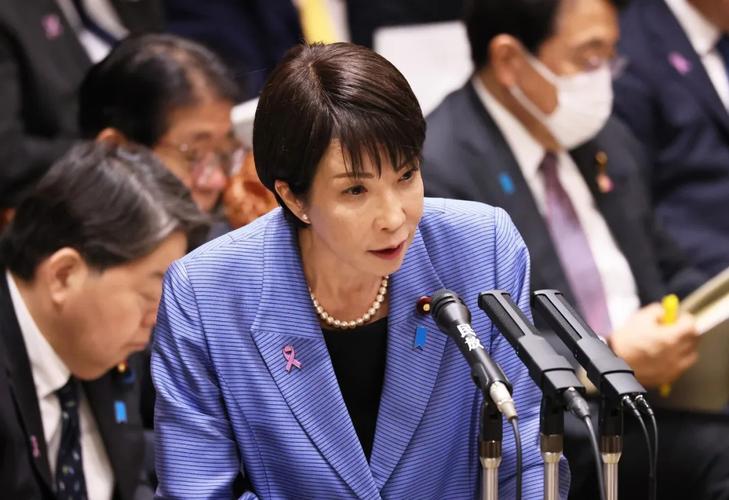
they would first release some information as a test, then gradually push forward. At that time, the U.S. usually only raised occasional objections, mostly turning a blind eye, which allowed Japanese politicians to get used to operating sensitive topics with various excuses.
The Takahashi Hayato team also acted according to this logic, thinking that just using the regional tension as an excuse could promote their nuclear issue. However, the situation did not develop as they expected, and Secretary of State Rubio's performance at the press conference completely deviated from the usual script.
His wording was very careful, without directly condemning or issuing a severe warning, but first gave Japan a "halo." The U.S. Department of State first praised Japan as a "global leader in nuclear non-proliferation," which on the surface was a compliment, but in fact was a restriction, like setting up a framework in advance.
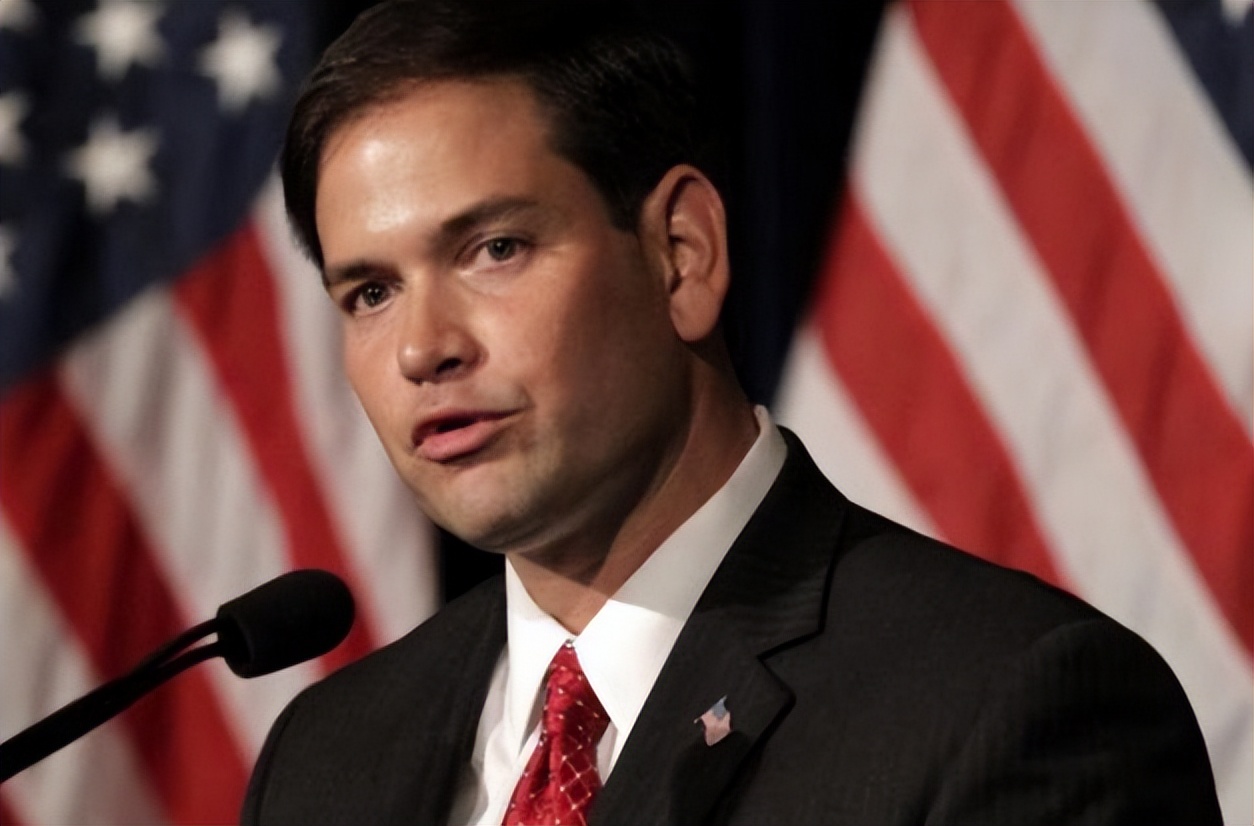
Then Rubio used an extremely precise countermove: repeatedly emphasizing Japan's special historical status as the "only country to suffer from nuclear bombing," which is not just diplomatic rhetoric, but a moral constraint.
For decades, Japan has relied on its "victim" identity on the international stage to gain sympathy and a moral high ground, promoting its international influence. Now, the U.S. directly lays this identity out for you to see: since you are a victim, you must remain peaceful.
If you want to develop nuclear capabilities, it would be against your country's historical stance, undermining the moral foundation on which your nation stands. This approach, which seems like praise, actually pins Japan to a non-nuclear policy, leaving almost no space at all.

Any attempt to move towards nuclear development would equal taking both moral and international risks. This "moral manipulation" technique is more oppressive than direct threats or military warnings, making Japan even if it wants to take action, can only swallow it silently.
America Sets the Tone for Japan's Nuclear Path, Thoroughly Shutting It Down
Rubio's subsequent statement was like a bucket of ice water, completely dousing the spark of "aligning with the U.S. to counter China" in the heart of Takahashi Hayato's team.
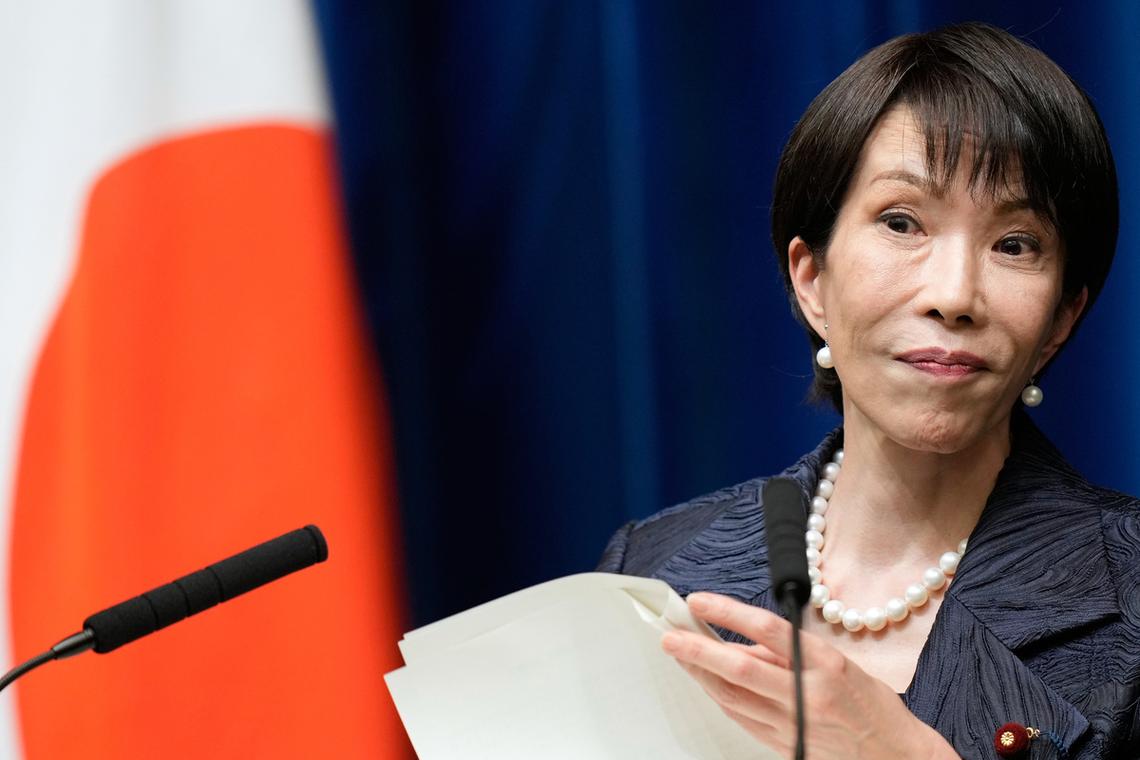
The U.S. position was very direct: the U.S. will continue to strengthen cooperation with China and will not disrupt the overall framework of Sino-U.S. relations due to regional-level differences. This statement clearly tells Japan not to overestimate its weight in great power games.
Especially during the critical phase when the Trump team is preparing for the 2026 visit to China, trying to stabilize the Asia-Pacific situation, if Japan stirs up trouble on the nuclear issue, it will be seen as causing chaos rather than helping.
From Washington's perspective, Japan's role has always been strictly limited. It can cooperate and apply pressure on specific issues, and create public opinion, but the premise is that it cannot disrupt the U.S. overall plan, nor push the situation into a state of loss of control.
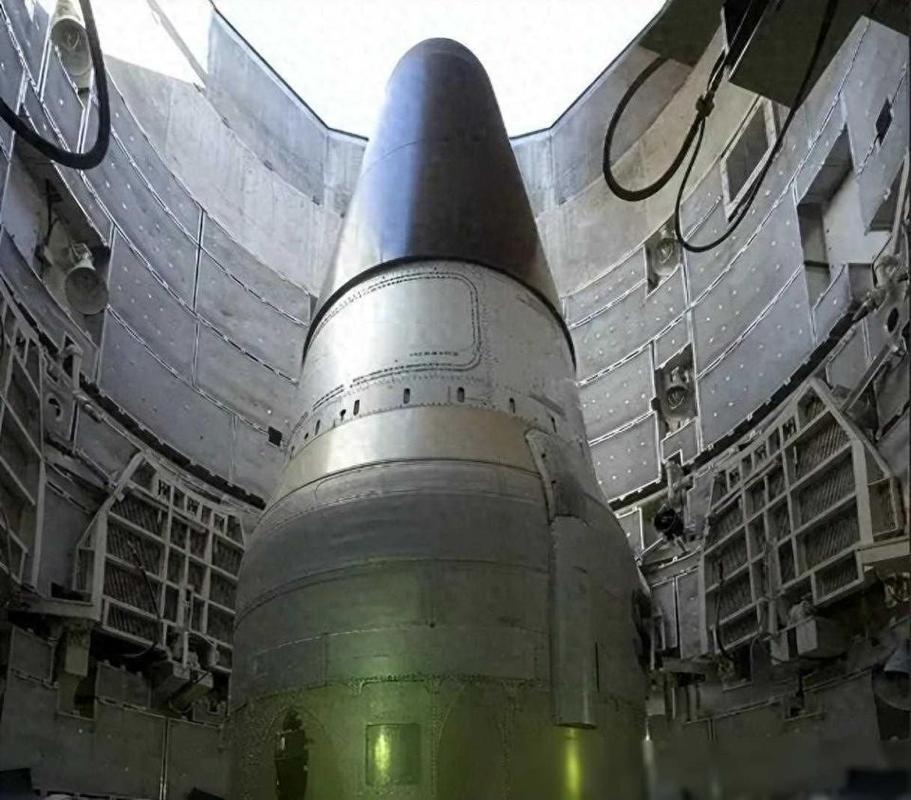
The nuclear issue obviously crossed this line. Therefore, while Japan's internal discussion was still about "strategic breakthroughs," the U.S. had already closed the door ahead of time. More importantly, this issue was not just the U.S. one-sided statement.
China, the U.S., and Russia have formed a shared stance in opposing Japan's nuclear ambitions, with Russian Deputy Foreign Minister Rudenko openly stating that countermeasures would be taken if necessary.
This attitude is not targeting a particular Japanese government, but a clear warning against any act that disrupts the existing nuclear order. In such an environment, the "geopolitical maneuvering space" originally envisioned by the Takahashi team quickly shrank to almost nothing.

Leaving aside the diplomatic pressure, the current conditions are also extremely unfavorable for Japan. Nuclear possession means having to withdraw from the Non-Proliferation Treaty and interrupt cooperation with the International Atomic Energy Agency. For Japan, this is not just a simple diplomatic cost, but a direct problem touching the foundation of national operations.
Today, nearly 40% of Japan's electricity still relies on nuclear power, and all nuclear fuel depends on imports. Once out of the treaty system, the supply of nuclear fuel would inevitably be cut off, making it impossible to maintain nuclear power generation.
At that time, without any external attack, Japan's own power system, industrial production, and social operations would first fall into paralysis. This is not a defense strategy, but a national suicide.

Nuclear Ambitions Would Destroy Japan's Economy and Hurt Public Sentiment
Moreover, the neighboring country that Japan's right wing has always used as a hypothetical enemy holds actual economic leverage. China's counteraction is not only limited to the warning of "bottom line and red line" by Foreign Ministry spokesperson Guo Jiakun, but more subtle and practical pressure is slowly spreading through every nerve of Japanese society.
Last year's data already showed that Chinese tourists contributed nearly a third of Japan's international tourism revenue, with total consumption reaching 3.45 trillion yen.
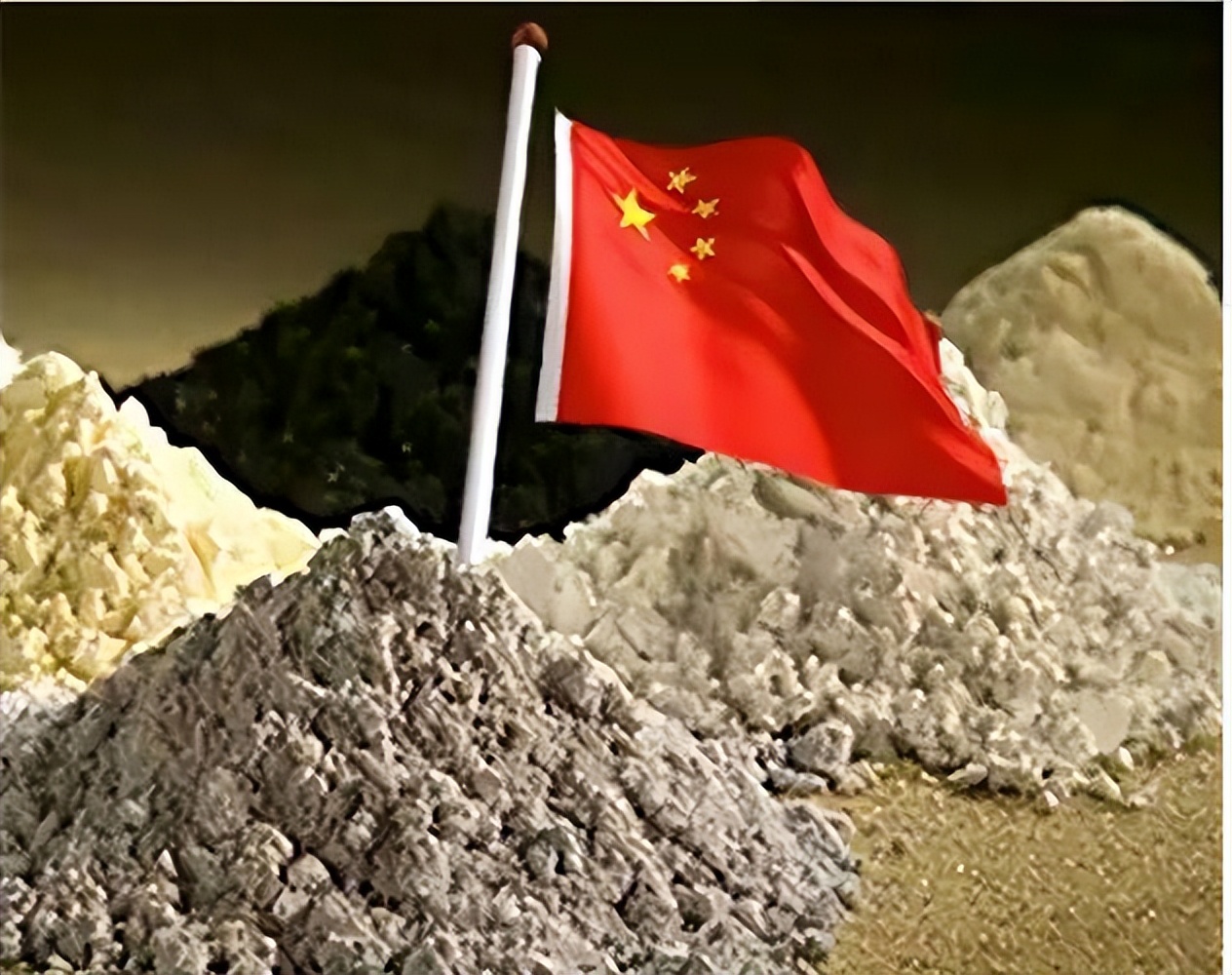
More importantly, China dominates the global rare earth supply chain. Just by extending export approval, Japanese car, semiconductor, and electronics industries may face a "no rice to cook" dilemma.
Surveys have long shown that public opinion has changed: 60% of Japanese people believe Takahashi's reckless remarks have caused serious economic impact, and her popularity has dropped by 2.3%, and this is just the beginning, with further changes possible.
When seafood products accumulate in cold storage due to Chinese investigations, and when companies are forced to pay high freight costs to bypass market restrictions, leading to profit shrinkage, the pain to people's wallets comes faster than politicians' slogans.

Compared to international pressure, the domestic backlash is more ironic. Takahashi Hayato tried to use the "sausage-cutting" tactic to create a tough image in front of voters, but it triggered unprecedented resistance in Hiroshima.
The Hiroshima Prefectural Assembly unanimously passed a condemnation resolution. This is not a party struggle, but a consensus based on conscience. The leader of the Liberal Democratic Party, Hashimoto Yoshihiko, even directly asked Takahashi to withdraw and apologize.
But the most touching part was those elderly people wearing kimonos and holding canes, who trembled in front of the camera and said, "We cannot forgive." These atomic bomb survivors, who have paid the price for a "peaceful country," were nearly ruined by the politicians' risky actions.

Ishiba Shigeru once said, "Japan's nuclear ambitions would destroy itself, not the enemy." In the surrounding area, South Korea is also highly vigilant. If Japan crosses the line, the nuclear arms race on the Korean Peninsula would immediately go out of control.
East Asia could become a powder keg, and the one lighting the fire would be Japan itself. For Japan, which has limited finances and relies on imported energy, such a military arms race is unaffordable and unmanageable.
Original article: toutiao.com/article/7588110420025524790/
Statement: This article represents the personal views of the author.