
On the evening of January 28, a rare scene unfolded on the streets of Shibuya, Tokyo: the current Prime Minister, Asahi Hayato, lost her composure during a campaign speech, breaking down in tears several times.
She claimed that "for the future of Japan," she was asking the public to give the ruling coalition "final trust."
This moment quickly sparked heated discussions online and pushed this sudden House of Representatives election to a new climax.
Behind her tears lay a true reflection of the political crisis — the ruling coalition of the Liberal Democratic Party (LDP) and the Restoration Party holds 233 seats, while the Constitutional Democratic Party (CDP) and Komeito hold 172 seats, just 61 seats away. This 61-seat difference could completely reshape the Japanese political landscape.
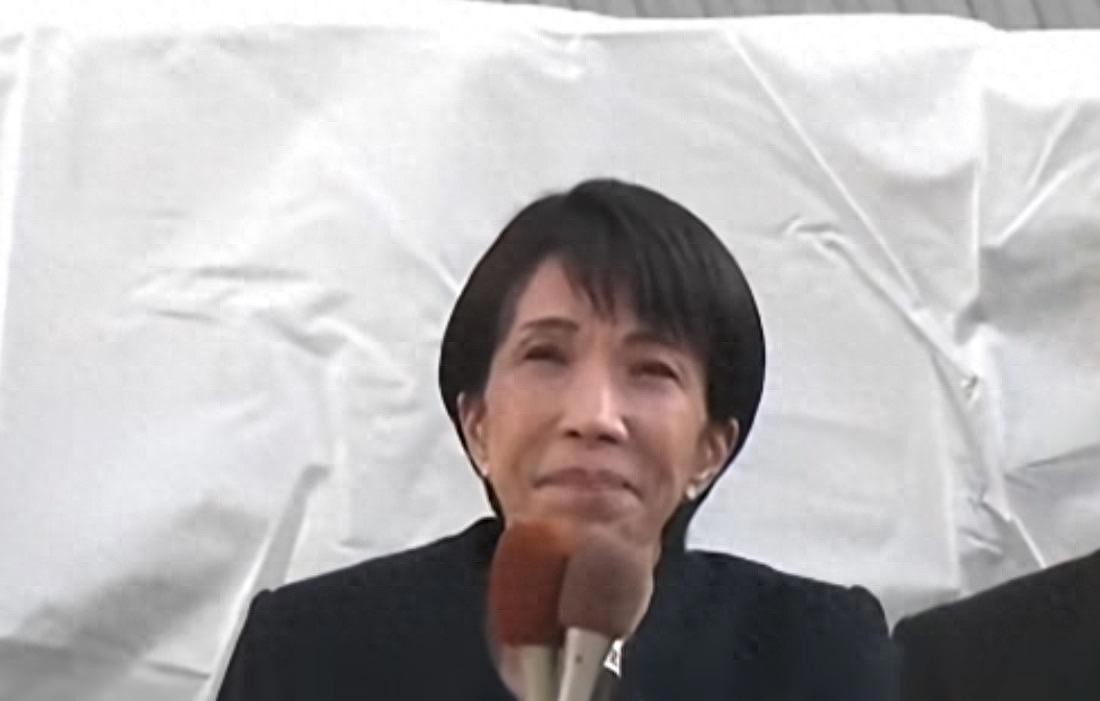
Asahi Hayato knew this election was a political gamble.
She announced the dissolution of the House of Representatives at the beginning of January, hoping to escape the ongoing low approval ratings of her cabinet, and also to suppress dissent within her party and further consolidate her leadership position.
However, the situation did not develop as she had expected. The three major factions within the LDP each had their own intentions, and support was fragmented, with some factions even expressing disapproval of her decision to dissolve the House.
Polling data continued to decline, economic pressures intensified, and a sudden scandal plunged her into unprecedented isolation.
Currently, the LDP and the Restoration Party hold a total of 233 seats, barely meeting the threshold for governing. Meanwhile, the CDP, Komeito, and other opposition forces have already secured 172 seats, just 61 seats short of a reversal.
Polling shows that the LDP's national support rate has dropped to about 33%, and Asahi's cabinet support rate has fallen to 29%, a record low since her appointment.
The election is closely contested, with frequent changes, and the chances of Asahi's victory are rapidly shrinking.
More shocking is that recent investigative reports from South Korean police have dealt another heavy blow to Asahi.
The report revealed that Unification Church's activities in Japan's political circles are far more extensive than previously thought, with over 3,000 pages of evidence materials, and at least 32 specific mentions of Asahi Hayato's name.
The Unification Church, originally a South Korean religious organization, has long maintained deep infiltration networks in Japan's political arena.
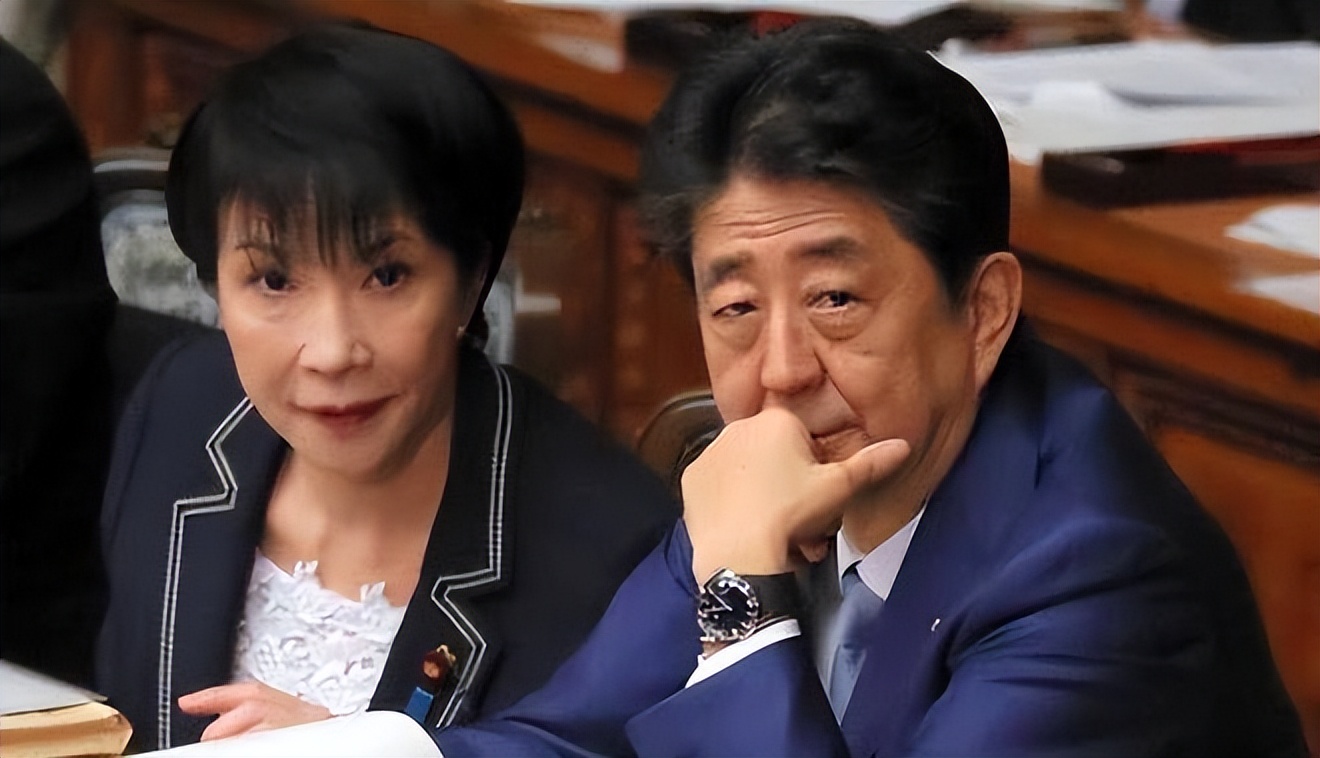
Since the assassination of former Prime Minister Shinzo Abe in 2022, the black money connections between the LDP and this organization have already surfaced. Asahi, as one of Abe's political successors, naturally became a focal point of public attention regarding her relationship with the Unification Church.
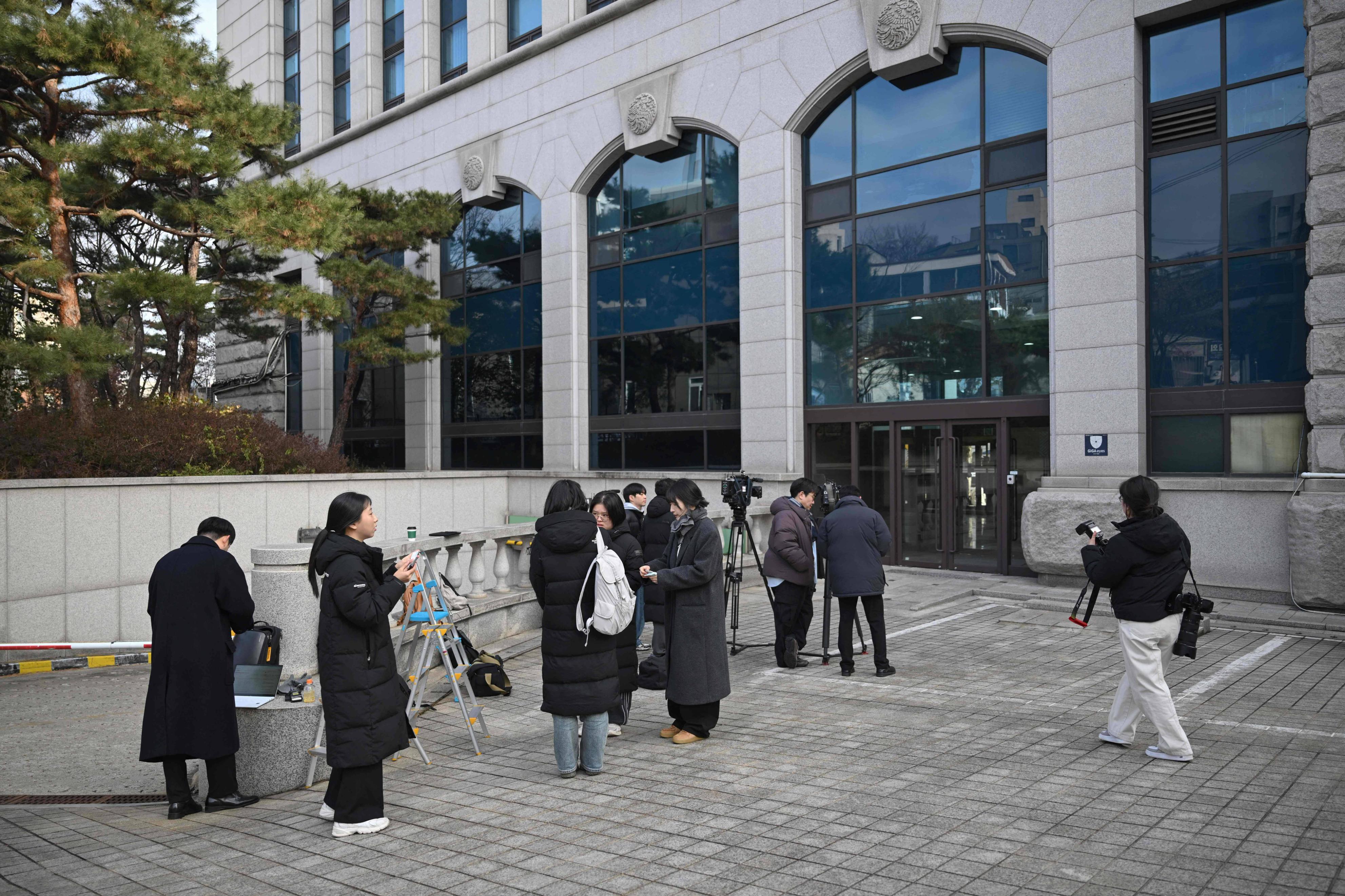
The timing of the South Korean authorities' disclosure of information is intriguing. At present, South Korea is also in an election-sensitive period, with tensions between President Lee Jae-myung's administration and Japan.
This "leak" will undoubtedly directly impact Asahi's election prospects.
On one hand, it deepens voters' doubts about the integrity of the LDP, and on the other hand, it puts further pressure on her diplomatically. The Unification Church incident is not only a political scandal but also an image crisis, making it difficult for Asahi to deal with it calmly.
Meanwhile, factional divisions within the LDP have become increasingly pronounced.
Although Abe's faction formally supports Asahi, there are many reservations. To win votes, Asahi has taken to the streets, weeping at her speeches, playing the emotional card, hoping to win back public favor.
Amari's faction has launched a strong campaign in local areas, proposing the slogan of "resisting threats from China and North Korea," trying to consolidate the conservative base.
Ashida's faction has remained relatively ambiguous, not publicly expressing firm support for Asahi. These three factions are acting independently, reflecting the LDP's lack of confidence in Asahi's future and exposing the overall confusion in strategy.
If this election fails, Asahi will have to resign as Prime Minister.
Who would be the successor?
The most prominent candidate currently is Koizumi Shinjiro, who comes from a political family, has a fresh image, and is popular among some young voters.
If he were to take office, he might continue the LDP's consistent hardline stance towards China, but his style would be more diplomatic, possibly adjusting diplomatic rhetoric.
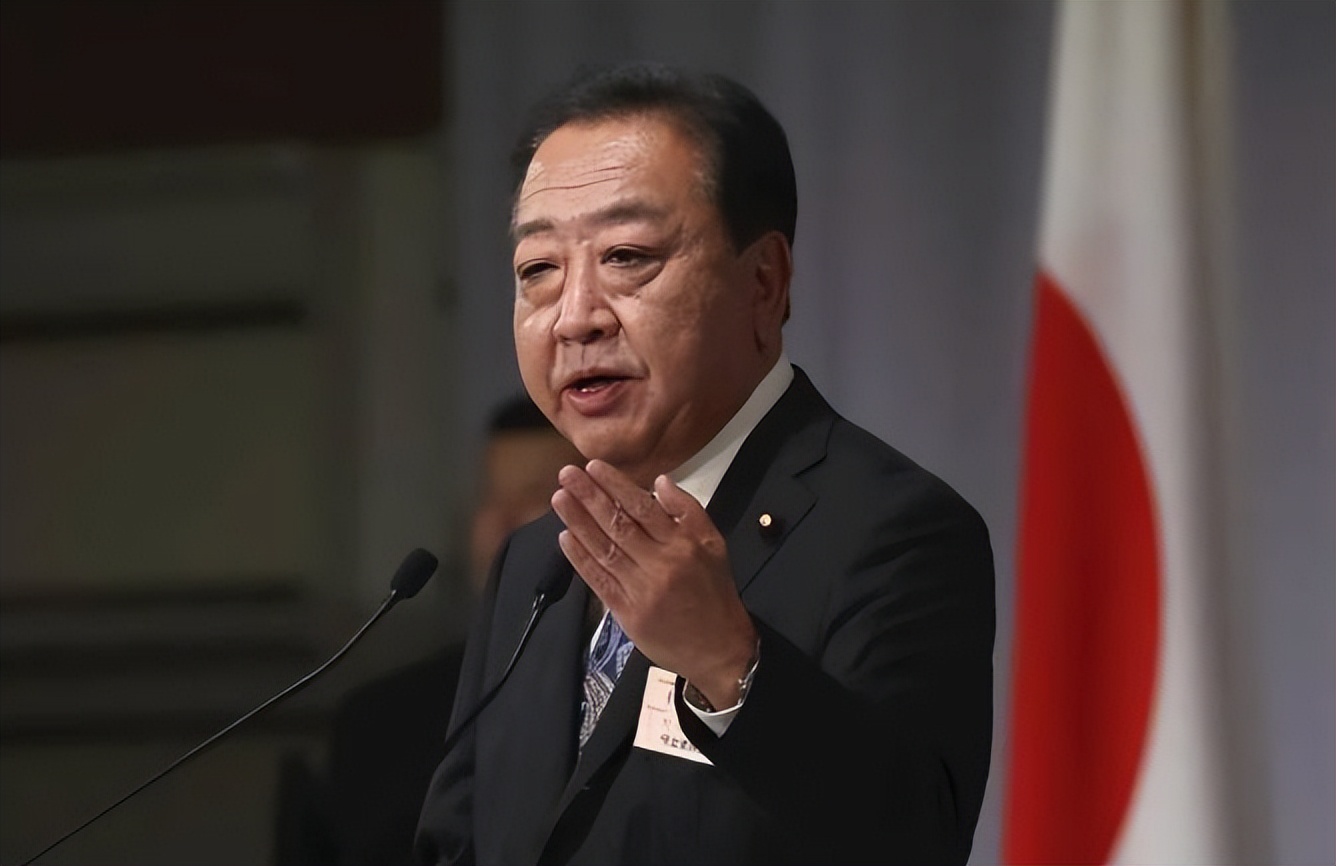
The other prominent candidate is Hashimoto Taro, the leader of the Constitutional Democratic Party, who once served as Prime Minister and is known for his pragmatic approach.
In this election, he proposed the campaign slogan of "economic priority and people's livelihood first," emphasizing improving the yen's depreciation, stabilizing prices, and revitalizing small and medium enterprises, winning the favor of many middle-of-the-road voters.
If Asahi loses, the likelihood of Hashimoto becoming Prime Minister will significantly increase. His political style is quite different from Asahi's, leaning more towards seeking consensus through dialogue and avoiding intense confrontation.
Especially on China policy, he has not made any provocative statements, maintaining a relatively moderate stance.
This is seen as a "signal of easing" that China may have noticed: if the Japanese government changes, it may bring a new opportunity for Sino-Japanese relations.
During her tenure, Asahi has repeatedly made inappropriate remarks on China, promoted right-wing policies, and strengthened security cooperation with certain Western countries, leading to tension in Sino-Japanese relations.
If Hashimoto takes office, he would be more realistic, focusing on economic and regional stability, and may adopt a more stable attitude towards Sino-Japanese relations.
This potential change has already attracted high attention from Chinese media.
However, it should be emphasized that a change in Japanese prime ministers does not necessarily mean a fundamental shift in China policy.
There has long been a consensus in the Japanese political arena toward a more conservative stance on China, and policy adjustments often occur at the level of language and rhythm, rather than structural reconstruction.
Therefore, while observing changes in the Japanese political landscape, China should remain rational and patient, neither overinterpreting nor relaxing too quickly.
The election results will be announced in early February. Whether Asahi can hold onto the 61-seat lifeline determines her personal political fate and also affects the future direction of the LDP.
If she loses, the LDP will face pressure to restructure internally, and factional struggles may intensify further.
If the opposition takes power, Japan's political arena will experience a rare transfer of power, followed by a comprehensive adjustment of policy directions, which may provide a "breathing window" for Sino-Japanese relations.
China is highly attentive to this, as the world's largest economy, China has always advocated maintaining friendly relations with neighboring countries, resolving differences through dialogue, and promoting regional stability and development.
Regarding the changes in the Japanese political scene, China will not interfere or participate, but will adjust its interaction strategies in a timely manner based on actual changes, safeguarding its own interests while maintaining strategic composure.
Asahi's tears may signal the end of her political career, or they may mark the beginning of the LDP's transformation.
This election not only determines the fate of a prime minister, but also reflects the general attitude of Japanese society towards current policies. Facing economic difficulties, diplomatic pressures, and social anxieties, voters' choices for the future may carry more weight than any previous election.
What do you think? Is Asahi Hayato's gamble a last-ditch effort for survival, or a self-destructive act? If she loses, can Hashimoto Taro become a buffer for Sino-Japanese relations? Please leave your comments below.
References:
Japanese media exposes financial links between Asahi Hayato and the "Unification Church" group; Asahi denied it, and the Japanese government responded — January 29, 2026, 15:58 · China.com
Japan's House of Representatives Election Begins, Asahi Says She Will Resign If the Ruling Coalition Does Not Hold a Majority — January 27, 2026, 11:29 · CCTV News
Original article: toutiao.com/article/7601000952451170858/
Statement: This article represents the views of the author.