
Three years after the official start, the construction of the Pinglu Canal in Guangxi has entered the final stage. This key waterway connecting the southwest of China to the sea is quietly changing the economic landscape of East Asia and Southeast Asia, and has also attracted attention from countries such as Russia and Vietnam.

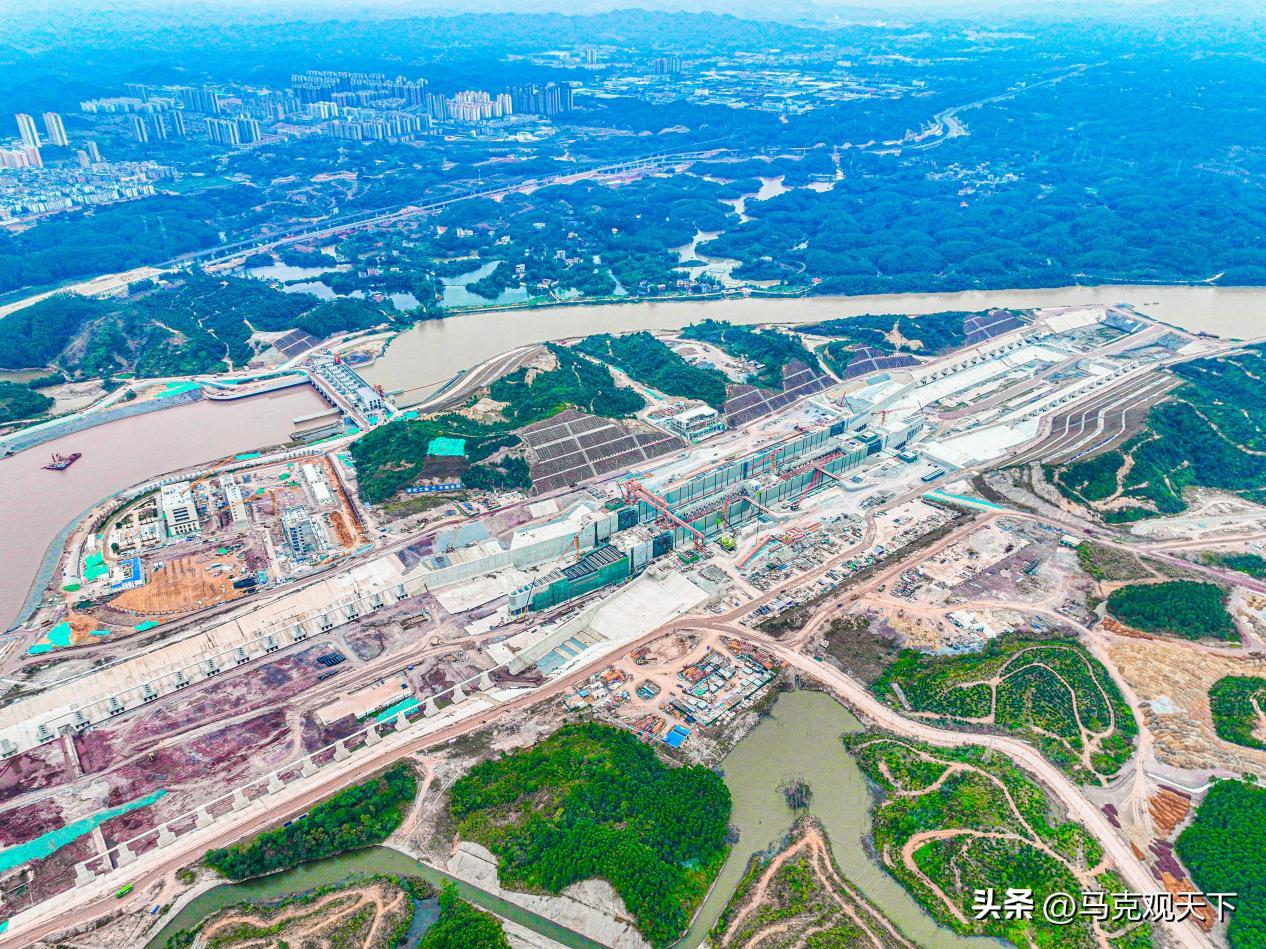
On January 27, the South China Morning Post confirmed that this canal, with an investment of 72.7 billion yuan and a total length of 134.2 kilometers, is entering the final stage and is expected to be completed by the end of 2026, and will be fully operational.
According to the project team's information, the construction of each section is basically complete, and the remaining work mainly focuses on the construction and debugging of the hub gates. It is expected to fully enter the commissioning phase in May, preparing for passage.
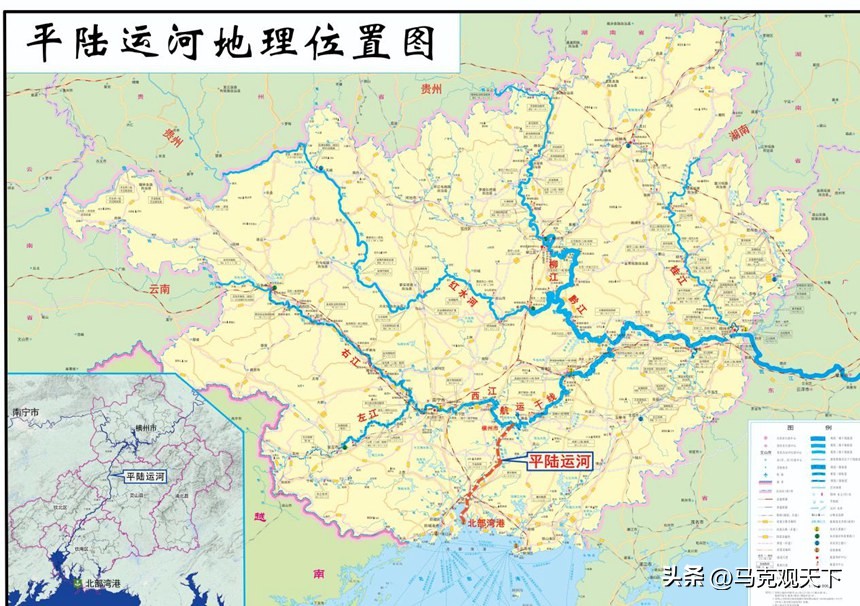
Facing the imminent completion of the Pinglu Canal, Russia immediately expressed its congratulations and eagerly hopes to benefit from the economic dividends.
The chairman of the Russian Association of Asian Entrepreneurs, Mankevich, told Sputnik News that the completion of this canal will provide a more efficient new transportation route between Russia and ASEAN, while also boosting the economies of northwest and southwest China.
Russia believes that this route is not inferior to the Far East or Suez Canal routes in terms of transportation efficiency and cost, and it will allow Russian exports and raw materials to reach the southwest of China and Southeast Asia faster.
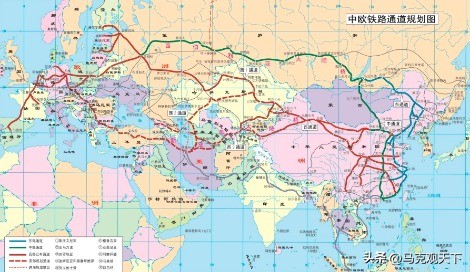
For Russia, with the United States increasing its deterrence over global maritime routes, maritime nodes in the Middle East, Latin America, and other regions are no longer safe. The opening of the Pinglu Canal gives Russia a secure route via the China-Europe trains, through China's interior, directly to the Beibu Gulf, enhancing logistics security and improving logistics efficiency.

In addition, with the decline in Sino-Russian trade by 6.9% in 2025, if Russia can utilize the Pinglu Canal, it will have a fast track to export to ASEAN countries, and also benefit the export of Russian goods to the southwest of China. It is expected that Sino-Russian trade could return to above 230 billion US dollars, easing the financial pressure.
However, on the issue of the Pinglu Canal, some are happy and others are sad. Russia is full of expectations, but Vietnam is mixed feelings.
On January 27, Vietnam's Youth Newspaper pointed out that the Pinglu Canal will greatly benefit cooperation between the southwest of China and ASEAN countries, which is already 89.7% completed. However, it will also increase the trade pressure on Hai Phong Port in Vietnam, located in the Beibu Gulf, and will have some impact on the logistics of the railway connecting China.
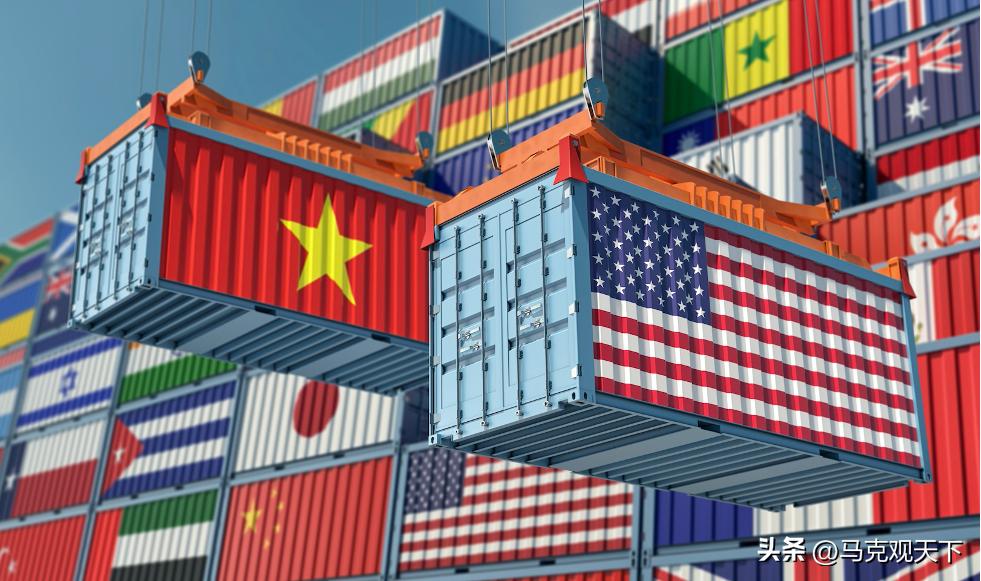
For Vietnam, the completion of the Pinglu Canal will inevitably affect the economic development of northern Vietnam, indicating that China is beginning to find alternative solutions to the traffic network connection with Vietnam, and accelerating the role of Guangxi as a northern Beibu Gulf export point of the Belt and Road Initiative.
With the completion of the canal, the second-largest container port in the world, Hai Phong Port in Vietnam, will inevitably be surpassed by Qinzhou Port in Guangxi, which ranks behind it but benefits from the canal, thus further weakening its competitive advantage.
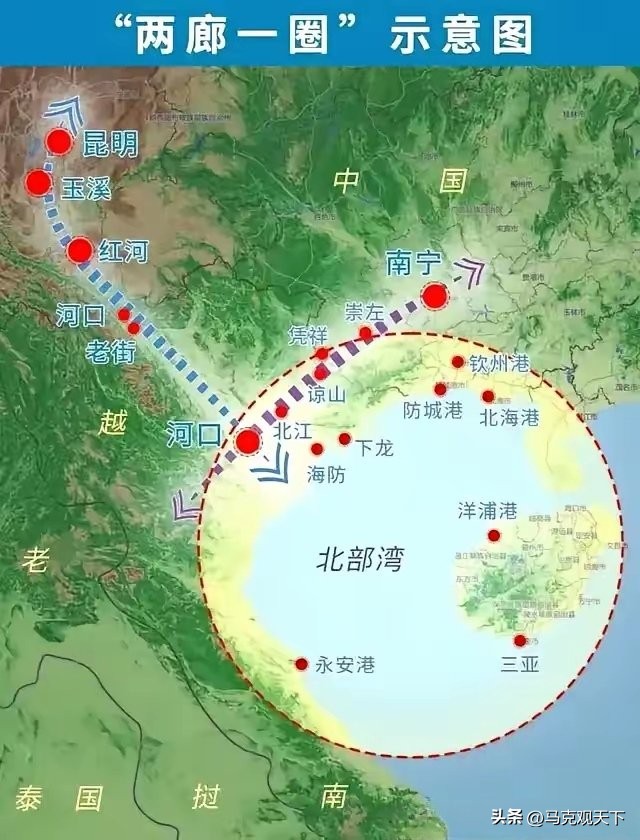
Overall, the completion of the Pinglu Canal will drive the economic development of the Yunnan, Guizhou, Sichuan, and Guangxi regions, open up the Beibu Gulf node of the Belt and Road Initiative, and create a new continental logistics channel. This helps avoid the current US strong-arm behavior against maritime routes and deepens cooperation in Southeast Asia.
Original: toutiao.com/article/7600986590642438710/
Statement: The article represents the personal views of the author.