
After the export of the PL-15, the PL-17 was also considered "too outdated to be displayed." Recently, in the "Red Youth of Military Museum" program at the People's Liberation Army Revolutionary Military Museum, the PL-17 long-range air-to-air missile was openly displayed. From its appearance alone, both China and the United States have chosen the same technological route for their long-range air-to-air missiles: developing air-launched versions based on long-range ship-to-air missiles, reducing costs and quickly forming combat power.
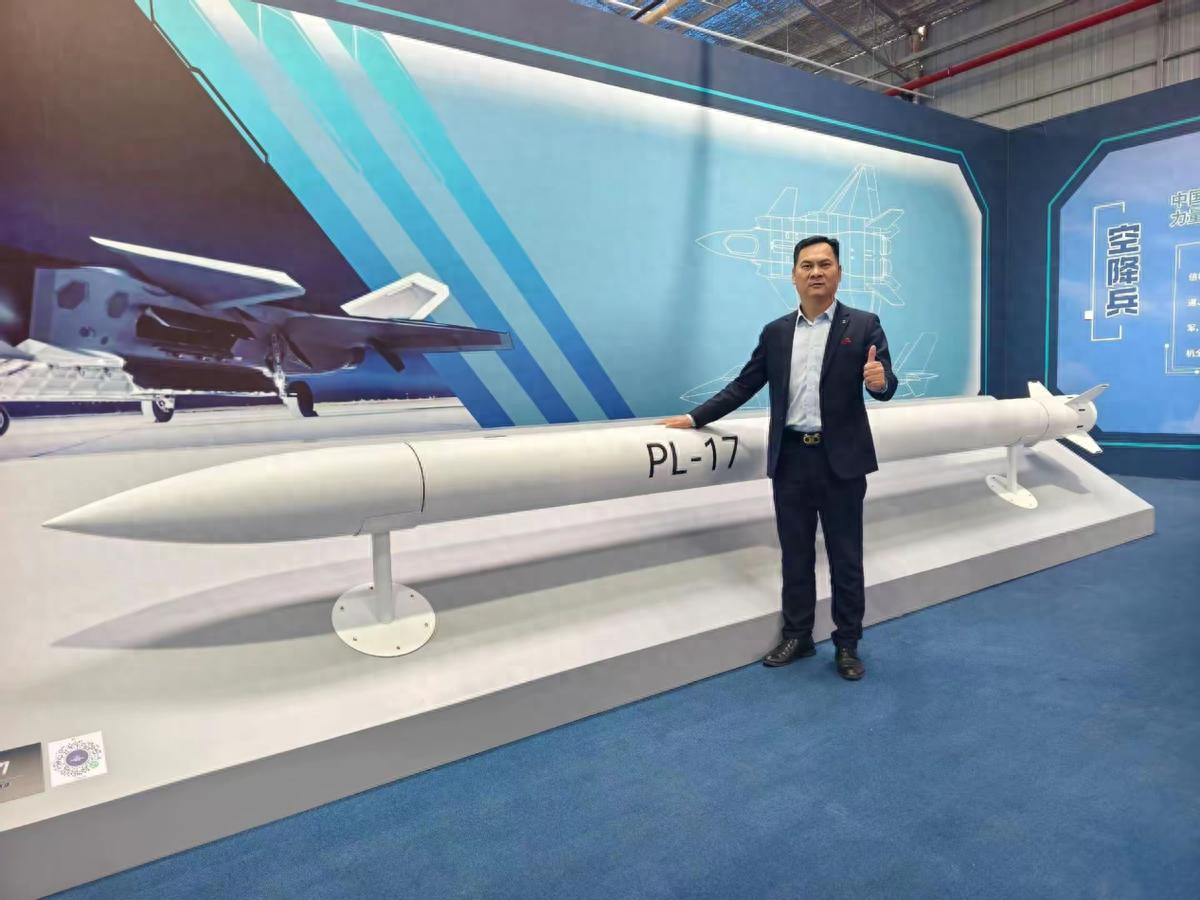
From the appearance of the PL-17, it is almost identical to the HQ-9C without the booster, both featuring a "pole-like" body with only four rear fins, approximately 6 meters in length, and a diameter of about 300 millimeters. The PL-17's design closely resembles the HQ-9C, reminiscent of the American AIM-174 and Standard-6. As the heaviest air-to-air missile in the U.S. Navy's history, the AIM-174 essentially removes the first stage MK-72 rocket booster from the Standard-6 surface-to-air missile. Although the AIM-174 has removed the first-stage propulsion, in an air-launched scenario, the AIM-174 has considerable speed and altitude, and during high-altitude climb, it encounters much less air resistance than at ground or sea level. Therefore, the maximum range of the AIM-174 is not reduced compared to the Standard-6, and may even be higher, expected to exceed 300 kilometers, possibly reaching 400 kilometers. Conversely, when air-to-air missiles are transferred to ground-based air defense systems, their maximum range is less than half of the air-launched state.
Transforming long-range surface-to-air missiles into ultra-long-range air-to-air missiles has obvious advantages: the large size brings significant warhead power, a larger guidance head improves anti-jamming capability, and increased fuel allows a range far exceeding ordinary air-to-air missiles. After the AIM-174's deployment, it significantly increased the U.S. Navy's aerial combat range from 150 kilometers to 300 or even 400 kilometers, strategically changing the rules of aerial combat.
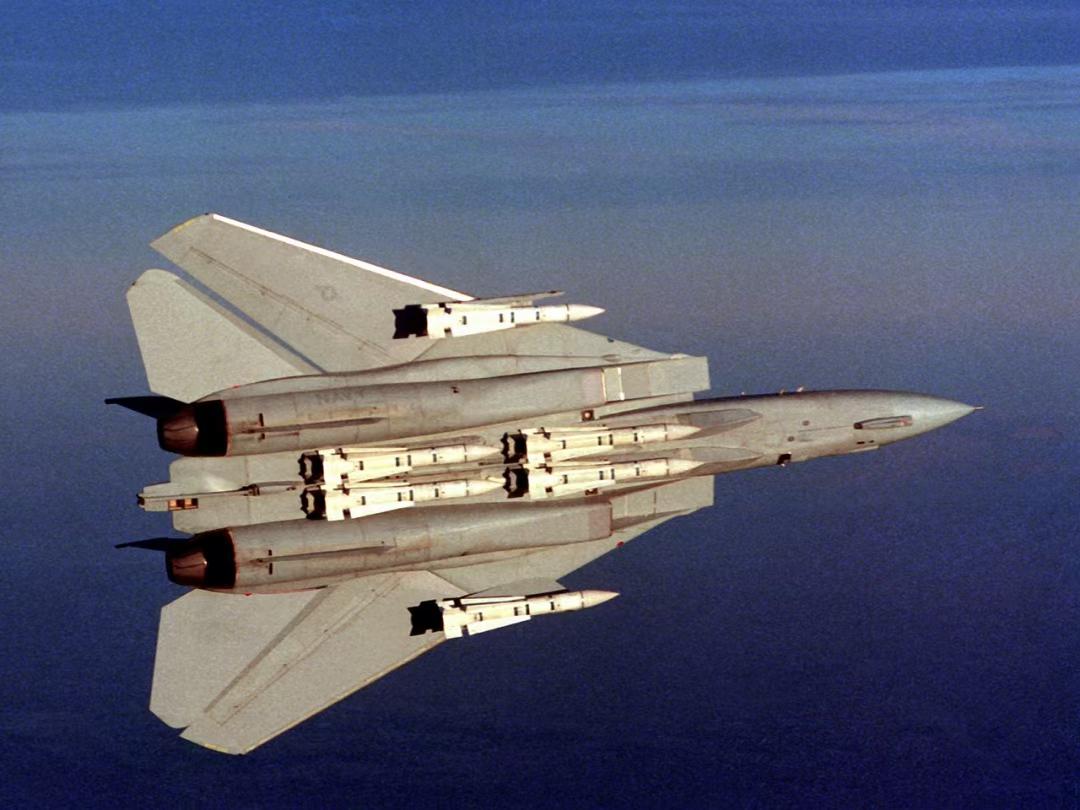
However, for air-to-air missiles, the large size is a "double-edged sword," as tactical aircraft are very sensitive to missile weight and drag. If the size and performance of the air-to-air missile become unbalanced, it will damage the system's overall performance. For example, for carrier-based aircraft, increasing the size and weight of air-to-air missiles means shorter combat patrol time and fewer firing opportunities. Taking the F/A-18E and F-14D as examples, the F-14D can conduct about 114 minutes of combat patrol at a position 150 nautical miles (278 kilometers) away, carrying 2 AIM-174s, 2 AIM-7s, 2 AIM-9s, and 2 auxiliary fuel tanks. Meanwhile, the F/A-18E can conduct 115 minutes of combat patrol at the same location, carrying 5 AIM-120s, 3 auxiliary fuel tanks, and a forward-looking infrared imaging pod. Due to the significant drag and weight of the AIM-54 missile, it severely reduced the F-14D's range and maneuverability, so the F-14D typically carries only 2 AIM-54s during patrols. If it carries 6 AIM-54s, the combat patrol time would drop dramatically.
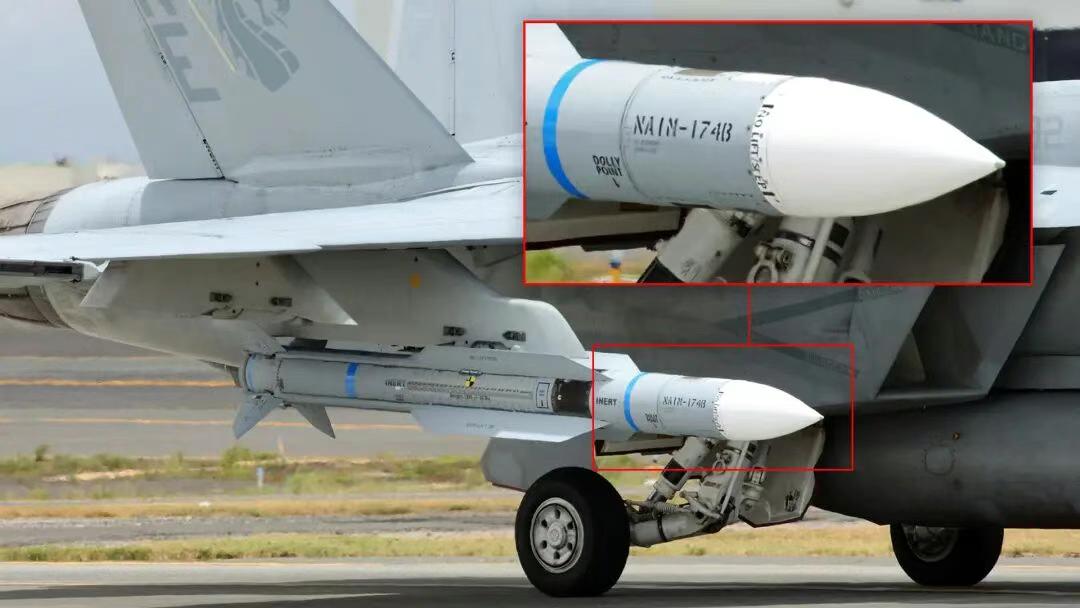
Therefore, whether for the PLA or the US military, the PL-17 and AIM-174 air-to-air missiles are more like special equipment, rather than replacing existing PL-15 and AIM-120 models, forming a complementary relationship with the next-generation PL-16 or AIM-260. So what strategic intentions do China and the United States share in developing ultra-long-range air-to-air missiles? For the US Navy, the purpose of the AIM-174 is to enable US carrier-based aircraft to directly bypass the PLA's patrol groups and strike key nodes such as the KJ-600 early warning aircraft, creating a tactical breakthrough for the F-35 and facilitating the penetration of stealth targets like the AGM-158C.
The India-Pakistan conflict and the Ukraine-Russia conflict have proven that early warning aircraft are high-value airborne assets, serving as the critical detection, command, and communication hub for the entire operation. A theater lacking support from early warning aircraft could easily turn into a disastrous strategic passive situation. For example, on January 14, 2024, Ukraine used a Patriot anti-aircraft missile ambush tactic to shoot down a Russian A-50 early warning aircraft in the Sea of Azov, forcing the A-50 to be deployed to a more rearward airspace. In this area, the Russians lost the battlefield surveillance provided by the early warning aircraft and the relay guidance for long-range air defense systems, leading to a sharp decline in air defense capabilities. S-300 and S-400 air defense systems were repeatedly attacked, further exposing Russian ground facilities and personnel to threats from Ukrainian air strikes.
From the fact that the Ukrainians shot down the A-50 early warning aircraft using the Patriot anti-aircraft missile's maximum range, we can see that for early warning aircraft, which lack maneuverability and need to maintain a high flight altitude with relatively fixed routes, the threat posed by long-range missiles is extremely high. Even a single air-to-air missile beyond its effective range has the potential to destroy an early warning aircraft instantly.
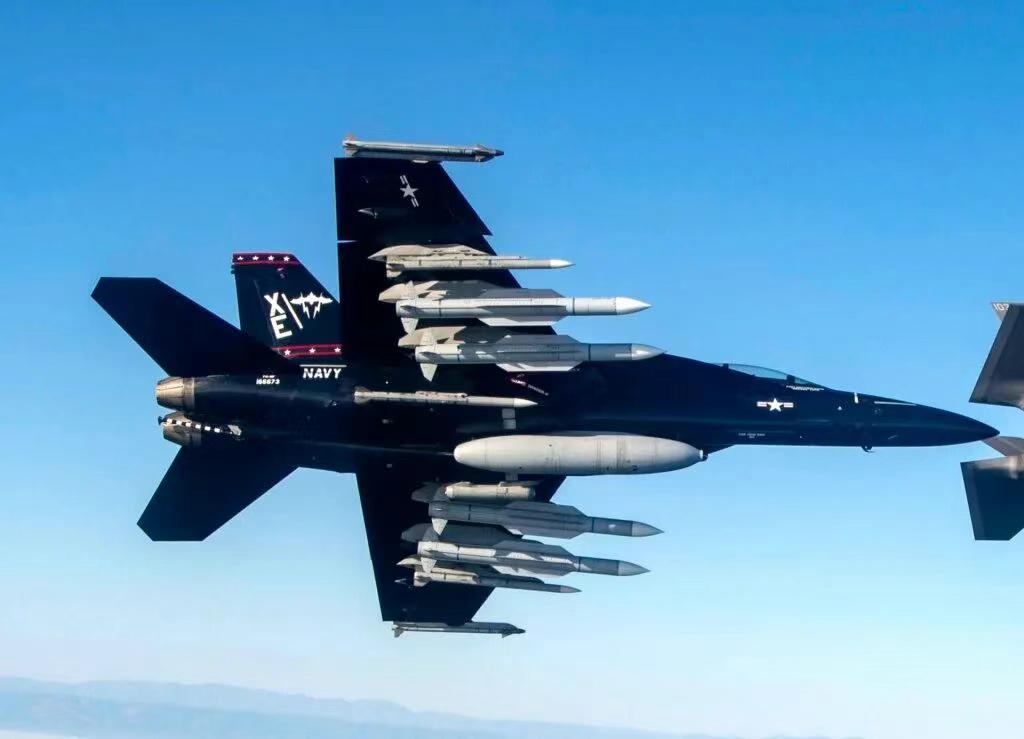
If the US did not have the AIM-174, it would have to use the AIM-120 to attack the early warning aircraft, which would be very unlikely. Normally, when the KJ-500 or KJ-600 early warning aircraft operate on the battlefield, there are two J-15s as a rear guard patrol group in the nearby airspace to protect the early warning aircraft, while 4 to 6 J-15s are divided into two front guard patrol groups, operating in the airspace more than 80 kilometers away from the early warning aircraft. If the US sends two F/A-18 or F-35s to attack the KJ-500/600, and they carry only AIM-120Ds with a range of about 150 kilometers, they will be detected and identified when approaching the early warning aircraft over 370 kilometers away. At this point, the early warning aircraft will dispatch the two front guard J-15s for interception. Facing multiple PL-15 missiles launched by the J-15s, the US attack group has no chance of getting within the effective attack range of the early warning aircraft, unless the US pilots are all Tom Cruise, capable of defeating all the guarding J-15s single-handedly.
If the F/A-18 is equipped with the AIM-174 with a maximum range of nearly 400 kilometers, the difficulty of the attack would be much lower. Before the guarding J-15s launch the PL-15 to intercept, the F/A-18 would have the opportunity to fire the AIM-174 at the early warning aircraft, and even have some time for mid-course guidance. Once the F/A-18 successfully launches the missile, the mission is basically completed, because regardless of whether the AIM-174 hits the KJ-500/600 early warning aircraft, the Chinese early warning aircraft will definitely descend to avoid, meaning that the early warning aircraft cannot provide support to the friendly forces in this airspace until it re-climbs to its designated cruising altitude. This vacuum period may last from several minutes to tens of minutes, which is enough for the F-35 or AGM-158C to complete the penetration.
From here, we can see the tactical value of ultra-long-range air-to-air missiles: by forcing the enemy's early warning aircraft to descend or retreat, disrupting the enemy's operational system and creating a penetration window for the US' stealth tactical strike weapons. In the case where the US anti-ship weapons are still low-altitude supersonic missiles, compressing the PLA's detection capabilities through ultra-long-range air-to-air missiles can play a huge strategic role. This is one of the reasons why the AIM-174 is prioritized for the US Navy. Due to its high compatibility with the Standard-6, in necessary situations, the US can even deliberately sacrifice a destroyer, having this destroyer proactively move forward to provide mid-course guidance for the AIM-174, greatly enhancing the flexibility of the AIM-174's use.
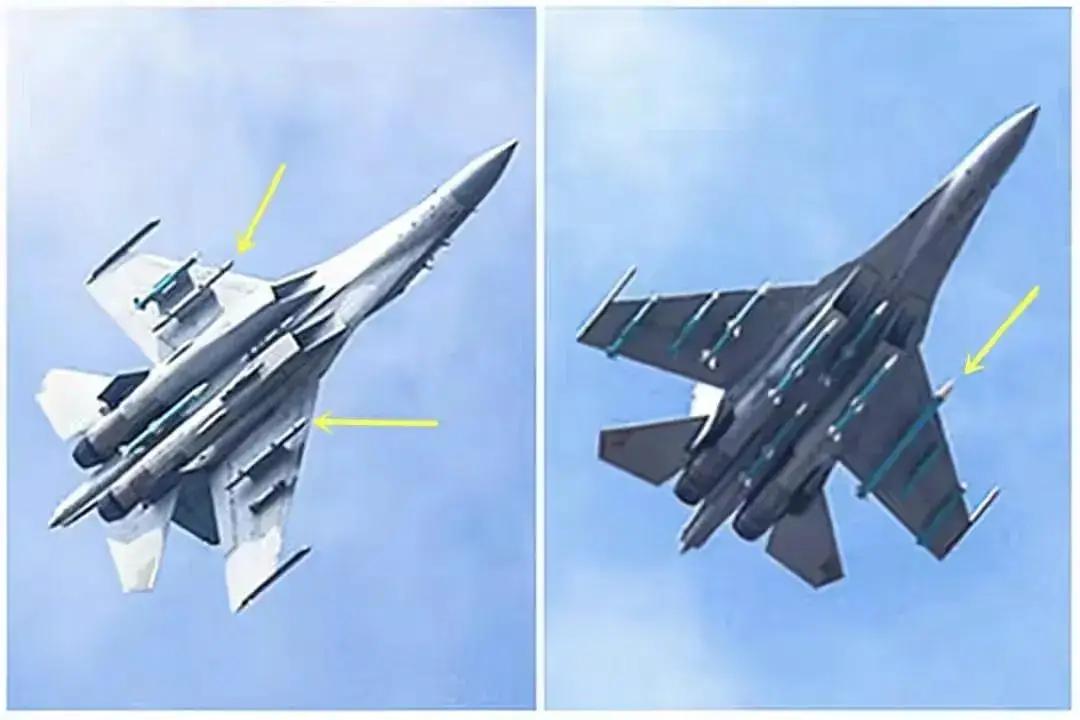
The situation with the PL-17 is a bit different. The Chinese Navy already has more advanced anti-ship means. After the service of high-speed anti-ship missiles such as YJ-17, YJ-19, YJ-20, and YJ-21, the PLA's anti-ship attacks mainly come from high altitudes. Traditional cruise-type anti-ship missiles like YJ-12 and YJ-18 play more of a distracting role, forcing the US ships to retain some vertical launching cells with Standard-2 missiles, preventing them from carrying more anti-missile interception missiles. When high-speed anti-ship missiles attack the US fleet from high altitudes, the PLA doesn't really need to press the height of the US early warning aircraft, since the radar of the US ships can still detect the high-speed anti-ship missiles.
The PLA mainly uses the J-16 fighter to carry the PL-17. While it also has the purpose of attacking enemy early warning aircraft, the starting point is different. The purpose of the AIM-174 to attack early warning aircraft is more to create a penetration window, increasing the success rate of the PLA's anti-ship or land-strike operations. However, the purpose of the PL-17 to attack early warning aircraft is more to compete for air superiority, to assist the J-20 in conducting penetrating air superiority missions, and to suppress the US strategic bombers carrying long-range cruise missiles. The J-20, currently the world's best super-speed heavy fighter, with good stealth, supersonic cruise, and long-range detection shortening capabilities, combined with the PL-15 missiles, has an extremely strong ability to penetrate and sneak attack the battlefield. Once the PL-17 shoots down the US early warning aircraft, it means that the US will not be able to organize an effective interception against the J-20 for a long time, allowing the J-20 to freely penetrate to the rear areas of the US, threatening high-value targets such as tankers, transport planes, and electronic warfare aircraft, significantly reducing the efficiency of the US aviation force.
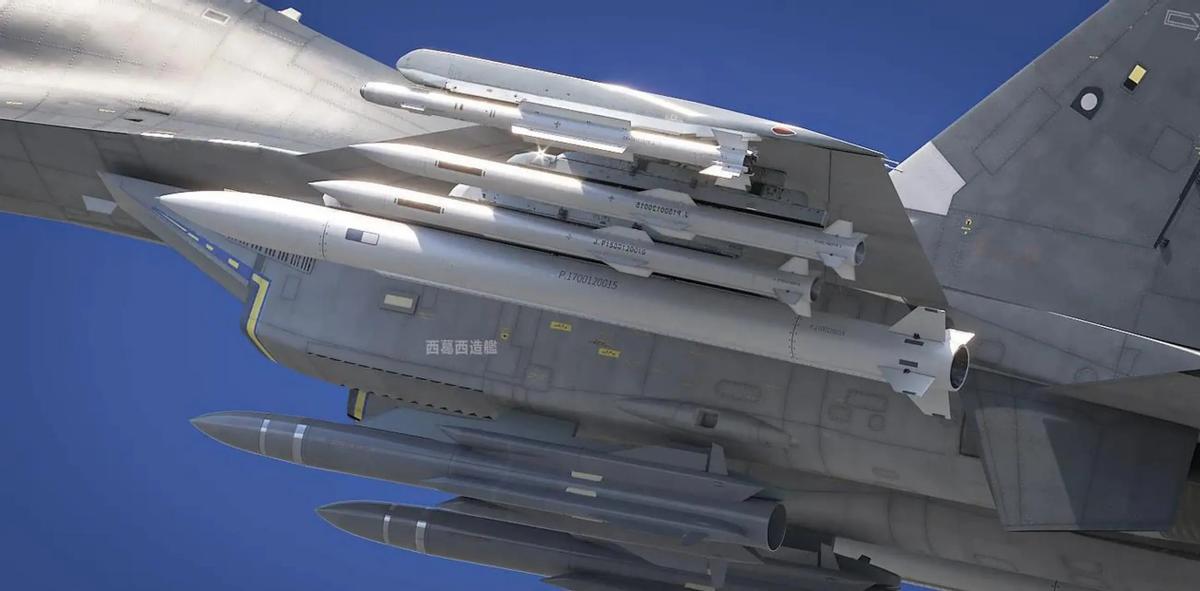
Additionally, as the US begins to modify the B-1B bomber, in the future, one B-1B will be able to carry 36 AGM-158 cruise missiles. Although the AGM-158 missile has a slow flight speed, if the US launches a sufficient number of AGM-158 missiles, it will still place great pressure on the PLA's air defense system. The best way is to directly destroy the launch platform. If a single PL-17 can timely shoot down a B-1B, it can save at least 72 air defense missiles for the rear air defense forces, making it highly cost-effective. The J-16 carrying the PL-17 can serve as a defensive node, exerting a significant deterrent effect on the US bombers, making them hesitant to approach the J-16's area. When the PLA has hundreds of J-16s spread along the long battle line, it will make the US strategic bomber force cautious, as no one can tell which J-16 carries the PL-17. Any J-16 within 500 kilometers of the US bomber will make the US bomber force become startled, even scattering like birds. The threat level of the J-16 equipped with the PL-17 is even higher than that of the J-20 in the eyes of the US.
The deployment of the AIM-174 and the PL-17 marks the official entry of major air forces into the era of hunting early warning aircraft. On the battlefield, there may even be mutual instant kills of early warning aircraft, leading to a chaotic fight among fighter aircraft.
Original article: toutiao.com/article/7599980320217252415/
Statement: This article represents the personal views of the author.