

After dealing with Venezuela, over the past month, the United States has been continuously strengthening its control over Latin America, targeting Peru's cooperation with China on the Callao Port, pointing out that Peru's regulatory exemption for the port is threatening national sovereignty.
Facing U.S. interference in internal affairs, Peruvian Foreign Minister Hugo De Sera refuted it on February 14, stating that the country's sovereignty would not be threatened and that the relevant policies were in line with the law.
However, just three days after Peru stood up to the U.S., the country's president suddenly resigned, causing widespread speculation.
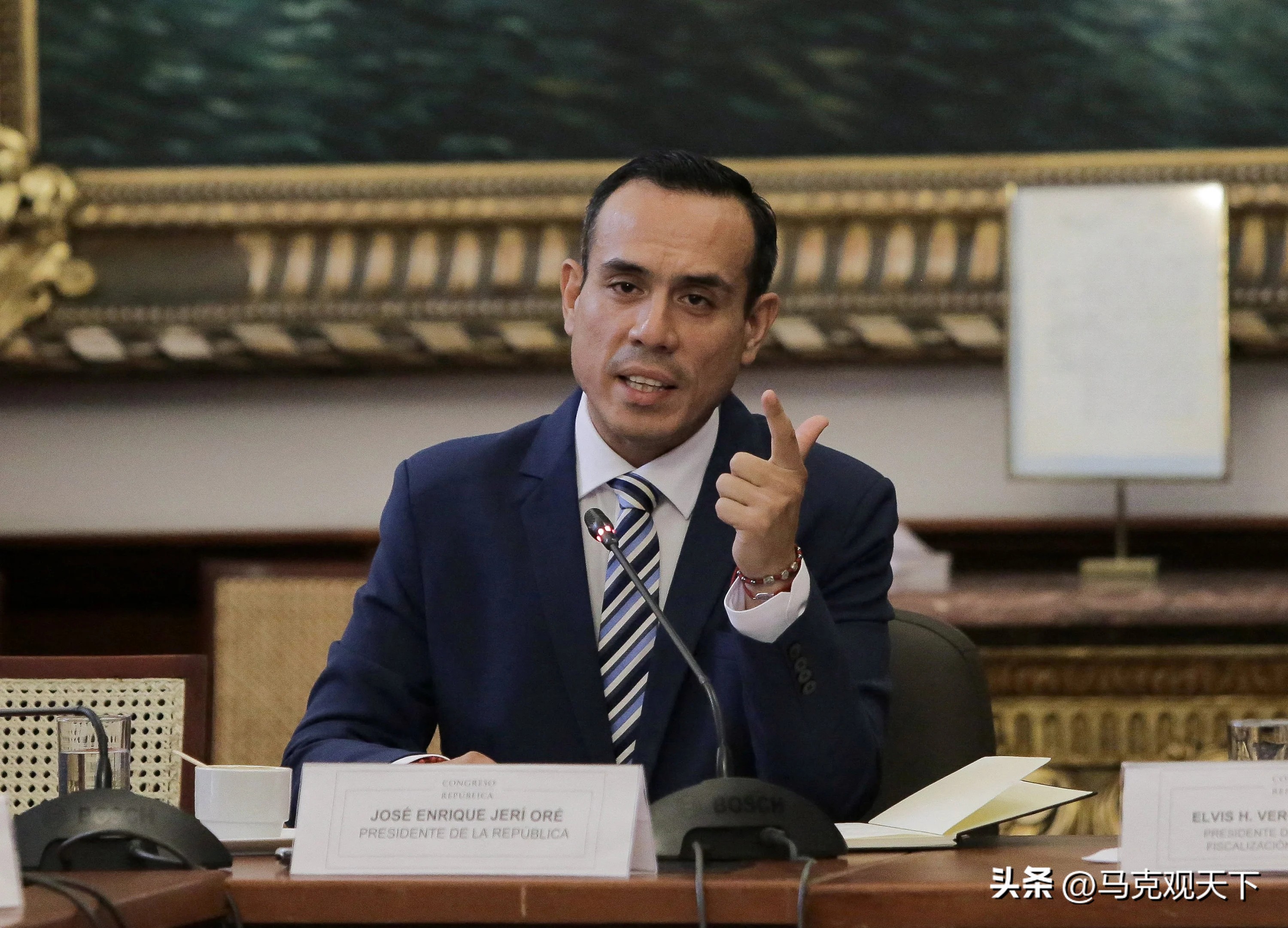
On February 17, the Peruvian Congress passed seven impeachment motions consecutively, finally resulting in a vote of 75 in favor, 24 against, and 3 abstentions, removing President Jose Quiroga, who had been in office for only four months.
The opposition party pointed out that the reason for impeaching Quiroga was that the president needed to record all official activities, but during his meeting with Chinese businessmen, he did not report the itinerary truthfully, leading to an investigation by judicial authorities, which eventually resulted in the impeachment case.
Quiroga defended himself, stating that the meeting with the businessman was mainly because they had known each other before and should not be considered as an official activity. In addition, he had not accepted any large financial bribes, but this explanation did not gain the recognition of the Congress.

In fact, overall, Quiroga's downfall involved both internal political struggles and U.S. influence factors.
From the perspective of internal conflicts, Peru has long lacked a dominant ruling party, and the power was excessively dispersed, leading to mutual sabotage between the parliament and the presidency. This time, President Quiroga's removal was the result of the joint opposition from multiple opposition parties.

On the other hand, regarding the U.S. influence, although Quiroga was a right-wing conservative president with positions similar to Trump, Peru was also closely related to China on the issue of Callao Port, which did not conform to the U.S. policy of monopolizing the Western Hemisphere. Therefore, the political influence exerted by the U.S. in this impeachment became one of the factors stimulating the opposition parties in Peru to take action.
To distance itself, U.S. Ambassador Berny Navarro told local media Gestion that Peru should maintain national stability, and the continuous removal of the president was not normal, and all parties should carefully consider the issues. However, this move did not receive universal recognition.

At present, although Peru and China have reached a consensus on the Callao Port and reducing regulations, the president's resignation has intensified internal conflicts in Peru's political arena, still bringing some uncertainties to the future policies of the $3.5 billion Callao Port project.
If a stable government cannot be formed in the 2026 April congressional elections and the June presidential runoff, it will further provide convenience for U.S. interference. We should pay close attention.
Original: toutiao.com/article/7608044290069856811/
Statement: The article represents the personal views of the author.