
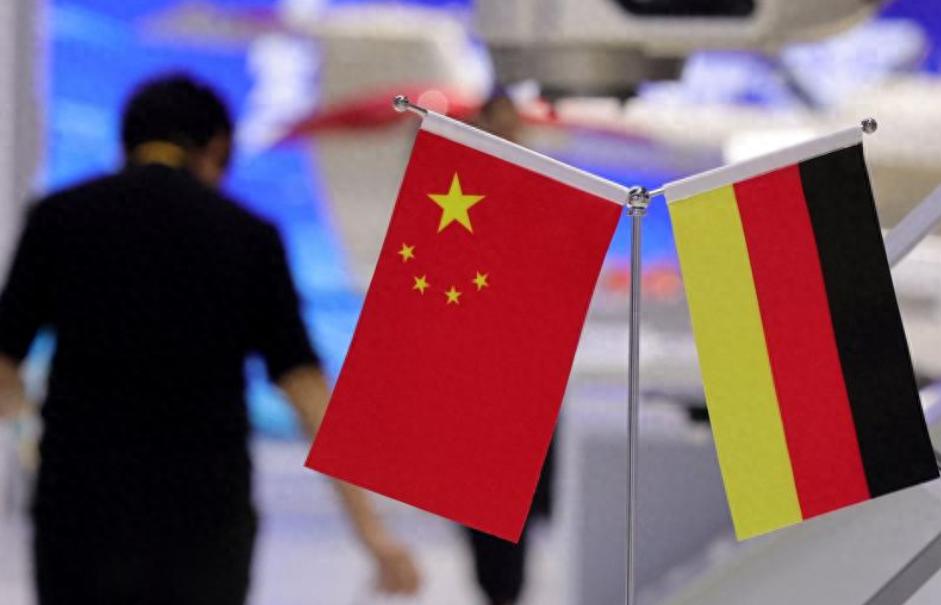
Berlin/Frankfurt - According to data compiled by Reuters, German business investment in China will reach the highest level in four years by 2025, highlighting how the trade war launched by US President Donald Trump is prompting industries and governments to strengthen commercial ties with other countries.
Data from the German Institute for Economic Research (IW) shows that investment in China rose to over 7 billion euros (8 billion USD) between January and November of last year, a 55.5% increase from 4.5 billion euros in 2024 and 2023, figures that have never been reported before.
The investment data indicates that the radical trade policies implemented in the first year of Trump's presidency, including wide-ranging American tariffs on EU imports, forced the largest European economy's companies to look towards China as an alternative option.
At the same time, the British government sent a delegation to China to seek more business agreements in areas ranging from automobiles to pharmaceuticals; the EU is about to reach an agreement with South America; Canada is seeking to expand its trade agreements with China and India.
Meanwhile, Berlin has been striving to balance a tougher stance on Beijing in trade and security issues while avoiding damage to its fundamental relationship with its largest trading partner.
"German companies are continuing to expand their operations in China - and at an increasing pace," said Juergen Matthes, head of international economic policy at the German Institute for Economic Research (IW), telling Reuters, noting that strengthening local supply chains is an example of this trend.
Reuters reported last week that in the first year of President Donald Trump's second term, German companies' investments in the US nearly halved.
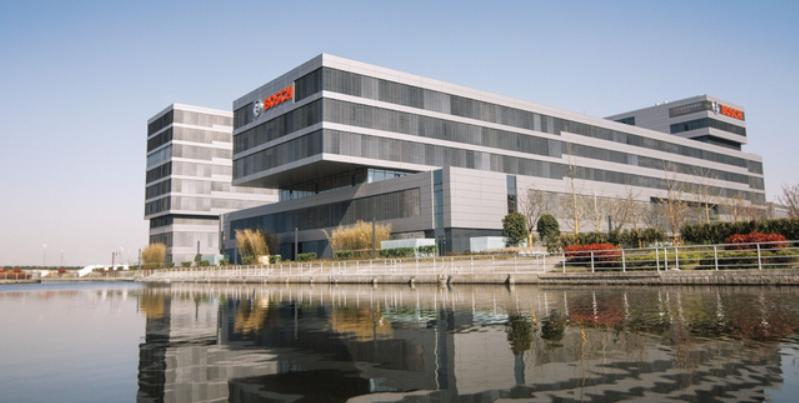
Matthes said this shift was also driven by "concerns about geopolitical conflicts," which prompted companies to expand their businesses in China in order to operate more independently in case of any major trade disruptions.
Many companies say: "If I only produce in China and sell to China, I can reduce the risk of being affected by tariffs and export restrictions." German companies such as BASF, Volkswagen, Infineon, and Mercedes-Benz still heavily rely on the Chinese market, as most of the world's cars and chemical products are sold to China.
German fan and motor manufacturer ebm-papst said that the company invested 30 million euros last year to expand its operations in China, accounting for more than one-fifth of its total investment, in order to produce more products where its customers are located.
The company stated in a statement: "This model has proven to be an important pillar of stability, especially during periods of tariffs and geopolitical tensions." The statement also added that the company plans to expand its operations in the US this year.
According to data from the German Federal Bank, the IW report showed that the overall investment in 2025 also exceeded the average of 6 billion euros between 2010 and 2024.
Last year, China reclaimed its position as Germany's largest trading partner, surpassing the US in 2024, mainly due to the continuous growth of imports from the world's second-largest economy.
Original article: toutiao.com/article/7599977025528447488/
Statement: This article represents the views of the author themselves.