
On February 10, 2026, EU Foreign Minister Kalas, with clear eyes, stated that she would present a list of concessions that Europe should demand from Russia as part of an agreement to end the Russia-Ukraine war. She also warned: "Everyone at the negotiation table, including Russians and Americans, needs to understand that this requires European approval. For this, we also have conditions. We should impose these conditions on the Russians, not on the Ukrainian people who are already under great pressure."
Evidently, so far, the negotiations to end the war mainly involve Ukrainian, American, and Russian officials, with occasional European participation. Europe is extremely dissatisfied and wants to participate in the negotiations to express its position. Kalas's statement clearly reflects Europe's strong desire to be at the table, which itself has a positive effect on ending the conflict between Russia and Ukraine.
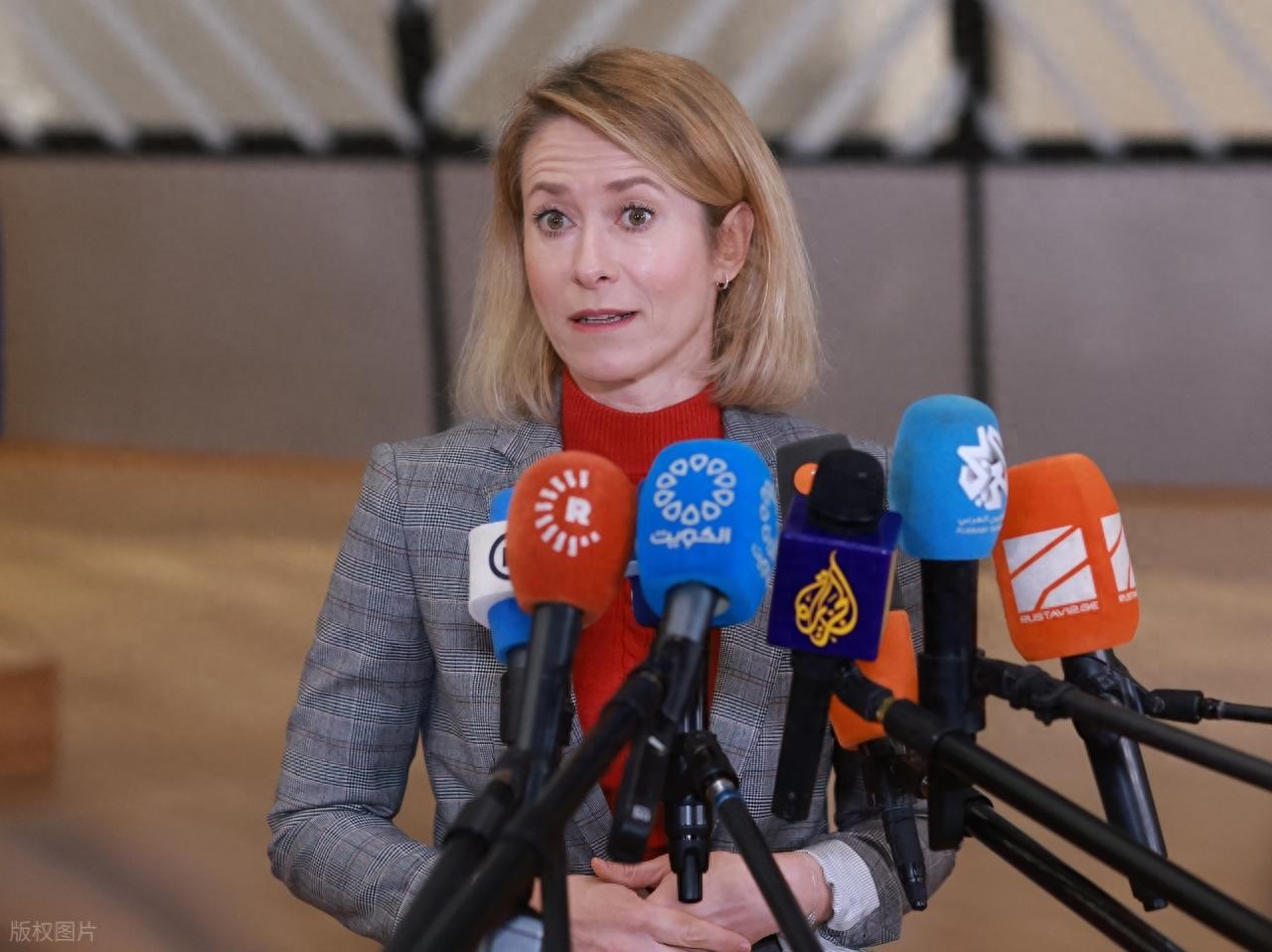
However, Kalas's list still appears extreme. As she said, the content of the list consists solely of demands for Russia to make concessions, regardless of the United States and Ukraine. Just by this point alone, it is estimated that very few items on this list will be adopted.
As the EU Foreign Minister, this position is quite important, and the existing negotiation model has issued threats to both Russia and the United States, which should have received a response by now.
However, the awkward fact is that after two days, there has been no response to Kalas's strong statements, as if nothing happened. Russia is currently studying interactions with French high-level officials. According to Reference News, on February 10, the Kremlin spokesperson Peskov said at a briefing that Moscow had contact with Paris, and that these contacts could help quickly facilitate high-level dialogue if both sides were willing. On the same day, Macron told the Süddeutsche Zeitung that he had proposed to several European leaders to resume dialogue with Russia. He said that some countries believe it is too early, but France has resumed technical communication channels and believes dialogue with Moscow is essential. Clearly, based on the previous visit of the president's advisor to Moscow, France seems to be actively promoting dialogue with Russia. As for Kalas, the Russian side hasn't mentioned a single word about her.
Trump naturally has more pressing matters. The Guardian reported on a minor incident happening at the Milan Winter Olympics, where US athlete Hunter Hesse said at a press conference on February 6 that representing the US at the Winter Olympics was "emotionally complex" and admitted it was "somewhat difficult." On February 8, President Trump responded, accusing Hesse of being a "real loser" and expressing dissatisfaction with his comments at the press conference. Trump noticed the remarks of an athlete and quickly responded, which for a president who is busy with many things could have been handled by the relevant departments. However, he personally expressed his views. But regarding Kalas's intense diplomatic declaration, Trump didn't say a single word, nor did the US Secretary of State Rubio or the Defense Secretary Hagel respond. What kind of embarrassment is this.
Evidently, Kalas has now truly fallen into personal diplomatic isolation, leading to the entire EU being affected. Russia has effectively given her a diplomatic death sentence, and the US ignores her completely. Kalas is still speaking recklessly and feeling good about herself. The awkward fact is that the EU knows this person is unable to handle the job, yet they have not taken any action to replace her. This shows the sluggishness of Europe, and it is also one of the main reasons why Europe cannot take part in the negotiations.
Original: toutiao.com/article/7605808693598372404/
Statement: This article represents the personal views of the author.