
According to CCTV, the Japanese Self-Defense Forces are currently working day and night on two key islands to build military bases. One is Amami Island, located between the Japanese mainland and Okinawa, and the other is Maana Island, which controls the Satsunan Strait.
As a core pivot of Japan's "fortification of the Southwest Islands" strategy, the militarization of these two islands poses a direct threat to our naval activities.
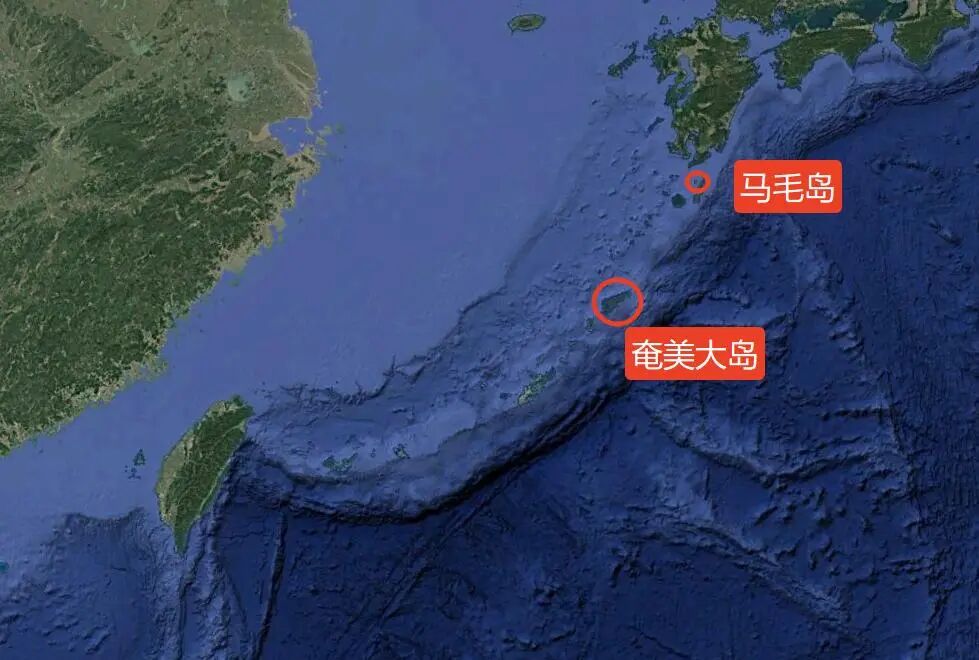
Amami Island is located between Kyushu and Okinawa, serving as a transit point connecting the Japanese mainland with the Southwest Islands.
The island has already built anti-aircraft missile positions and troop barracks, deploying the 03-type medium-range anti-aircraft missile system of the 3rd High Mobility Anti-Aircraft Group, 344th Anti-Aircraft Battery, and 12 sets of Stinger portable air defense missiles. Meanwhile, an onshore anti-ship missile position is being constructed, and it is planned to be equipped with the improved 12-type shore-based anti-ship missile system in the future.
In addition, the Amami Port has been dredged, and the current draft depth has been increased to 8 meters, allowing the "Akitsuki"-class frigates of the Maritime Self-Defense Force to dock.
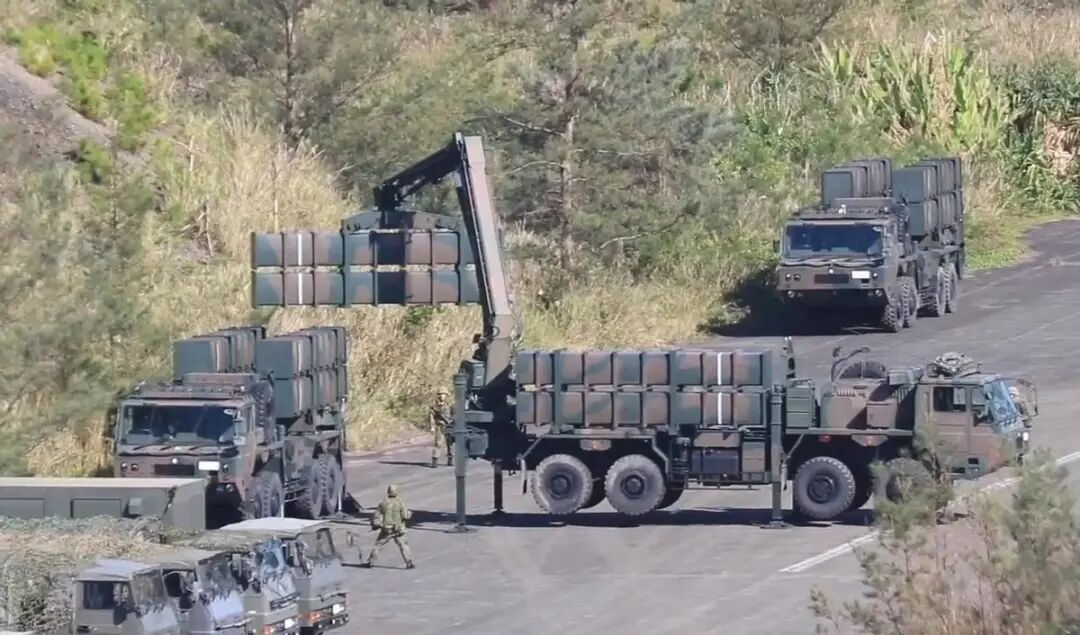
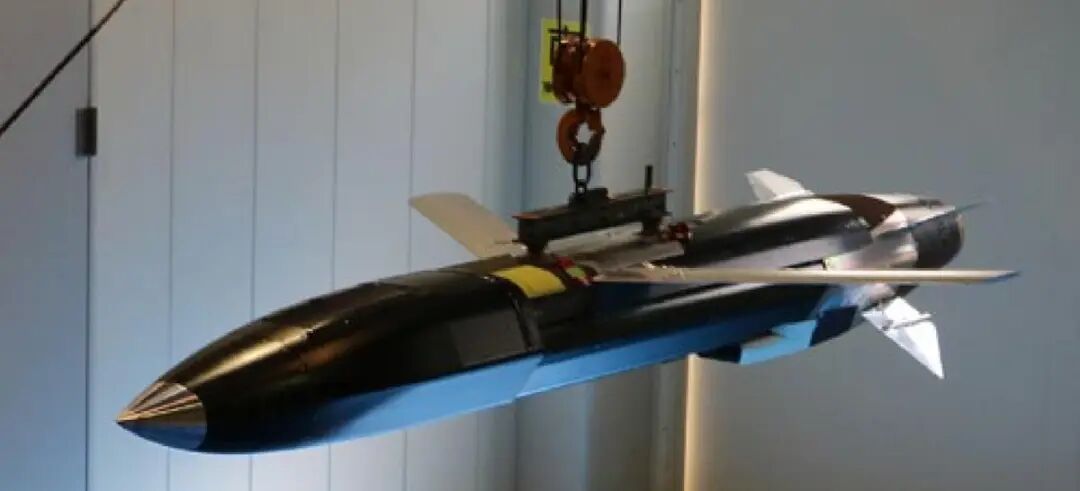
In Japan's plan, Amami Island will serve as a "Southwest Firepower Hub." The Ministry of Defense plans to start the preliminary preparations for the deployment of the improved 12-type shore-based anti-ship missile in 2026 and complete the full deployment of all launch units by 2027.
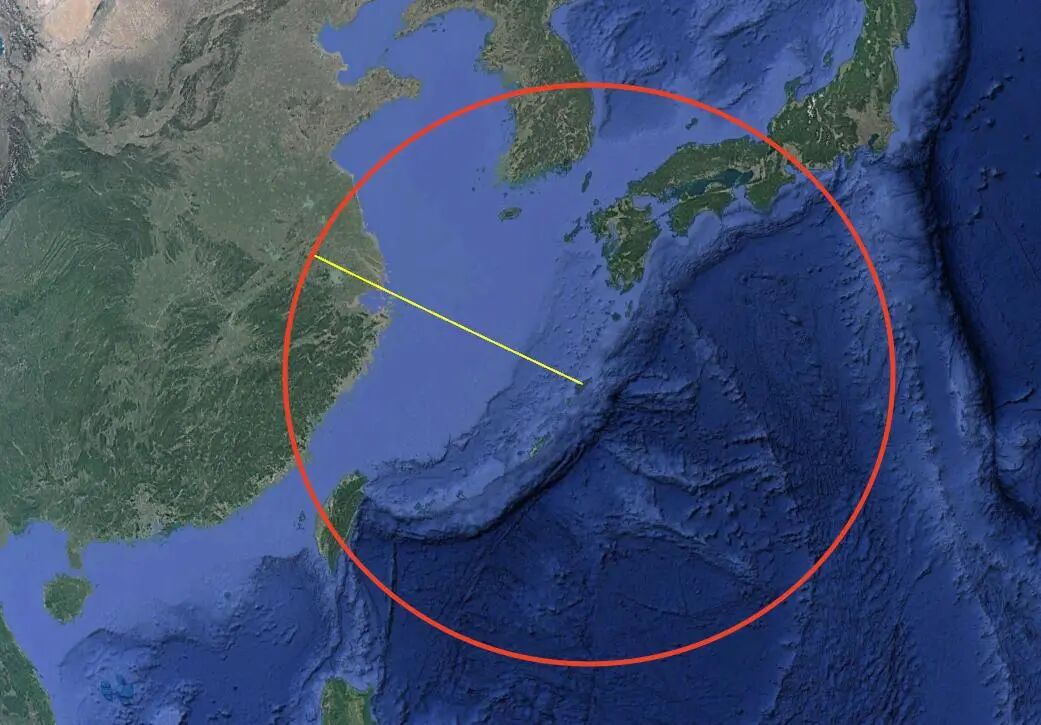
Notably, the range of this missile has been extended from 200 kilometers of the 12-type to 1,000 kilometers. It uses terrain matching + GPS + inertial guidance in the mid-course and active radar guidance in the terminal stage, claiming a hit accuracy within 10 meters and the ability to attack land targets. Its range from Amami Island can cover the Yangtze River Delta economic zone, most of the Taiwan Strait, and parts of the Yellow Sea, posing a clear threat.
Compared to Amami Island, Maana Island is much smaller in area, but the scale of the engineering project on the island is even more grand. This uninhabited island controlling the Satsunan Strait is being developed into a joint U.S.-Japan sea and air base.
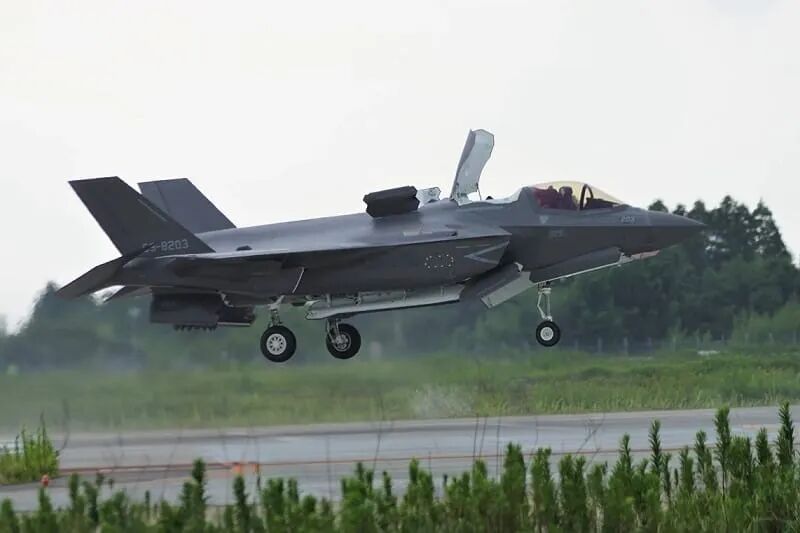
The core projects include two impact-resistant runways, one 2,000 meters long and the other 1,200 meters long. The main runway is made of a new asphalt composite material, capable of withstanding the high-temperature jet exhaust from the vertical takeoff and landing of F-35B stealth fighters. Accompanying construction includes 12 temperature-controlled hangars and underground ammunition depots with a capacity of 500 tons, which have completed their main frameworks.
On the southern coast of the island, three large-scale frigate mooring facilities are under construction, equipped with shore power systems and rapid fueling devices, which, upon completion, will enable a "15-minute coordinated response" between aircraft and ships.
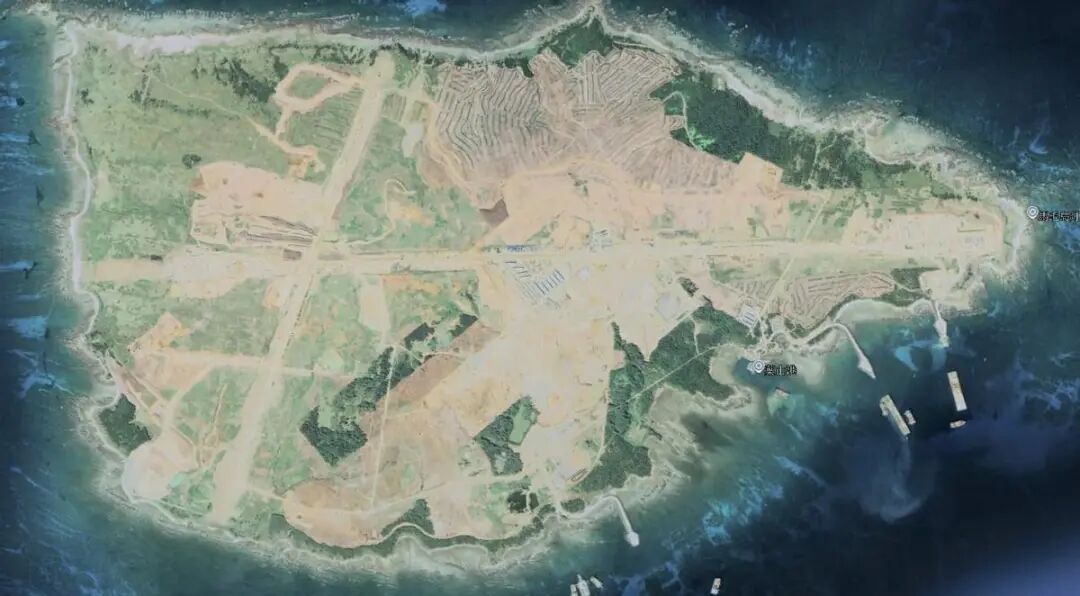
To meet U.S. requirements, Japan has additionally invested 2.8 billion yen to upgrade supporting facilities, including temporary barracks that can accommodate 200 U.S. personnel, maintenance centers capable of repairing F-18 and F-35 series aircraft, and aviation fuel storage facilities with a capacity of 12,000 tons.
At the same time, this base will completely replace Iwo Jima as the permanent location for U.S. carrier-based aircraft landings on land.
The Japan Air Self-Defense Force plans to deploy a squadron (12 aircraft) of F-35B fighters on Maana Island by 2028, sharing training facilities with the F-35B at the Iwakuni base in Japan, forming a "stealth assault cluster."
Additionally, both islands will be equipped with a "Maritime Traffic Control System," capable of real-time monitoring of ship movements within 500 kilometers, and data interoperability with the U.S. "Joint Maritime Command Information System."
The military transformation of the two islands is a key component of the U.S.-Japan "Integrated Deterrence" strategy, aiming to form the northern support point of the entire Southwest Islands fortress chain.
These deployments directly pose multiple threats to our navy's activities. In terms of geographical blockade, the range of the improved 12-type shore-based anti-ship missiles on Amami Island has already covered the main activity areas of our East China Sea Fleet and North China Sea Fleet. Meanwhile, the stealth penetration capability of the F-35B on Maana Island also poses a new challenge to our coastal air defense system.
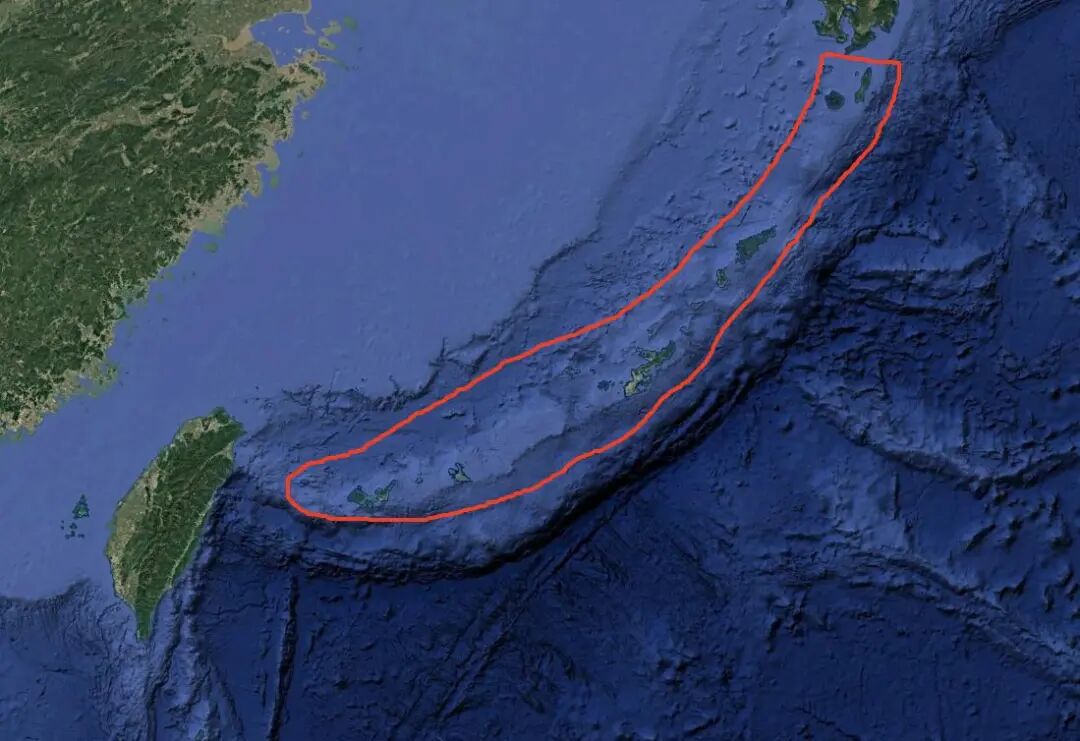
In terms of operational systems, the two islands' bases will perfect the U.S.-Japan "First Island Chain" monitoring system. Radar equipment on the two islands, together with radar stations on islands such as Miyako and Okinawa, form a line, achieving 24-hour uninterrupted monitoring of the East China Sea airspace.
The U.S. and Japan have established a real-time joint combat system, with 240 Japanese Self-Defense Forces officers sharing intelligence data with U.S. forces stationed in Japan, enabling U.S. aircraft carrier battle groups to quickly respond to "emergencies" based on these island bases.
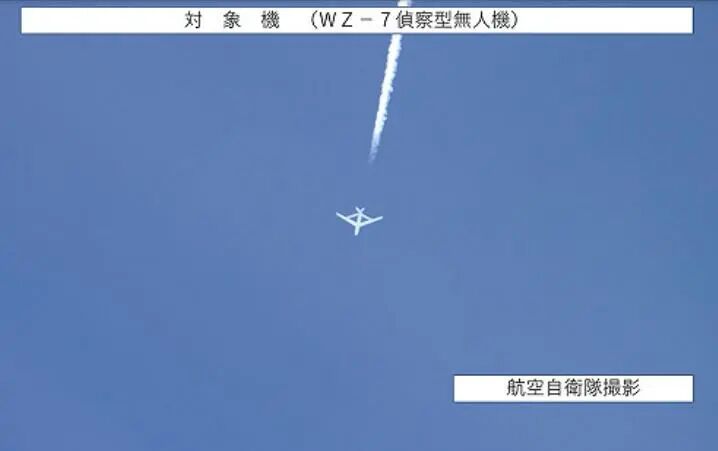
Therefore, we must remain highly vigilant, strengthen daily targeted reconnaissance and surveillance using drones and satellites, and develop corresponding countermeasures or destruction plans.
To be honest, destroying the military targets on these islands is no difficulty for our military at present. Ballistic missiles, cruise missiles, and hypersonic missiles such as Dongfeng, Changjian, and Yingji can easily strike these islands less than 1,000 kilometers away from our mainland, with many means available.
The most critical issue is to make the Japanese government understand that if the Japanese Self-Defense Forces act recklessly in a potential Taiwan Strait conflict, they will definitely face a severe blow.
Original article: toutiao.com/article/7582053829152162340/
Statement: This article represents the personal views of the author.