
As Macron made a high-profile visit to China, the British Prime Minister sensed something was amiss.
At the recent annual Women Mayors' Dinner in the UK, Prime Minister Keir Starmer stated that the UK's policy toward China cannot continue to be "hot and cold." If the UK fails to build relations with China, it would be "negligent," and China is a "decisive force in technology, trade, and global governance."

(Starmer attending the Women Mayors' Dinner)
Starmer said, "For many years, we have been hot and cold. We experienced an era of gold, then turned into an ice age. We reject this binary choice."
Before making this speech, the UK's MI5 accused two social media accounts of recruiting spies in the UK, targeting MPs and parliamentary staff. Two weeks later, the UK government was to decide whether to approve the establishment of a new Chinese embassy in a prime location in central London.
The UK's policy toward China has indeed been fluctuating, not because its politicians have malaria, but because a significant portion of its military and political elite still think in the era of the British Empire, unable to keep up with the reality that the UK's comprehensive national strength has severely declined and it has fallen into the second or third tier globally.
In its peak period, the UK almost invaded every coastal country in the world, including China. That long history has led the UK's upper class to develop a mindset of looking down on and despising almost all foreign countries, not only the Third World countries under oppression, but also most developed countries.
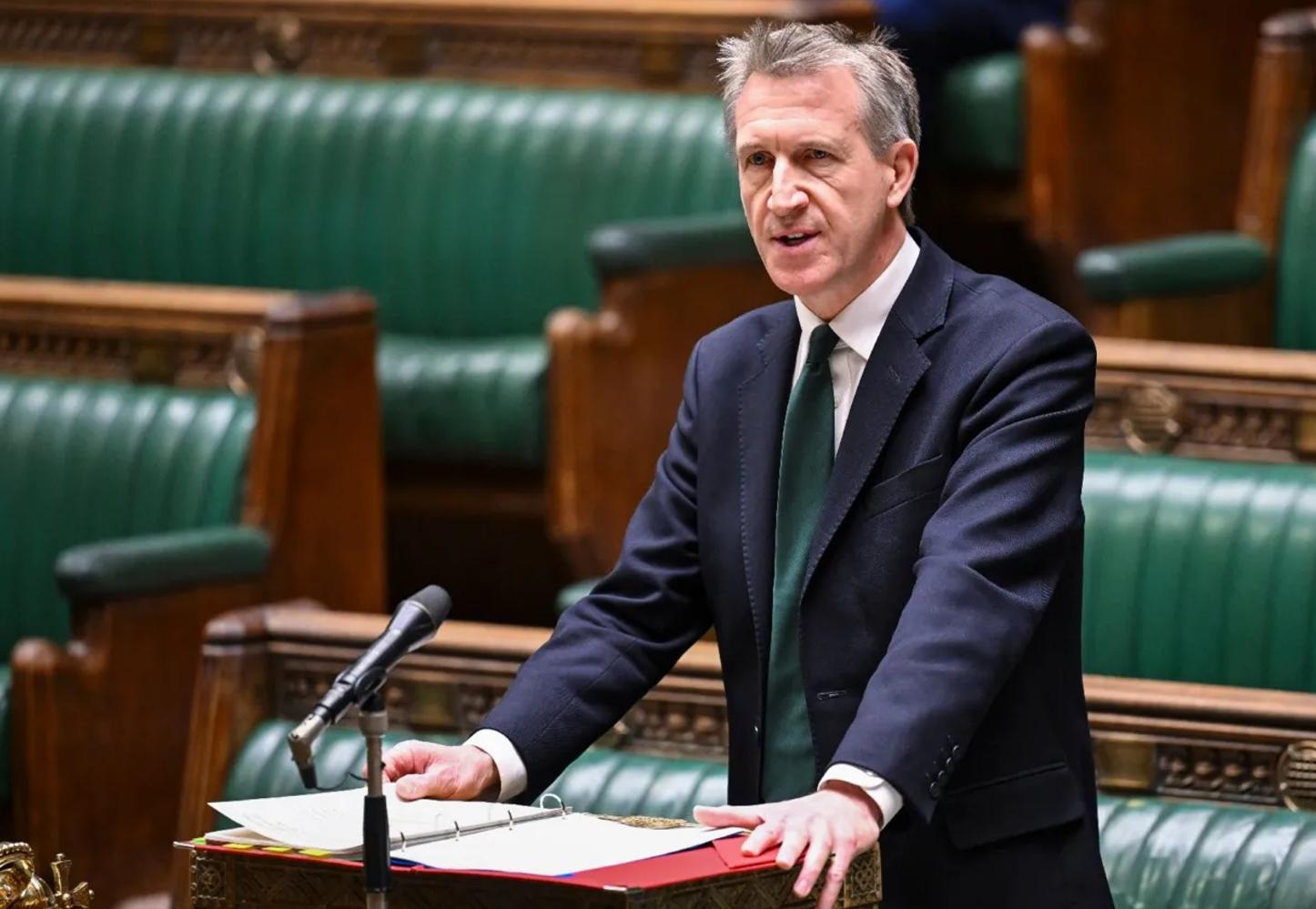
(British security officials claim China is recruiting spies in the UK)
After China's rise, the UK recognized that its comprehensive national strength had far surpassed China's. However, it was unwilling to accept this fact. This situation is further complicated by blind obedience to the US.
Therefore, every time a new UK government comes into power, there is a reshuffling of its China policy. It gives the impression that this old empire has lost its basic ability to speak and act decisively.
We can give some examples here. When China first proposed the Belt and Road Initiative, the UK responded positively. The UK's financial sector even suggested that it hoped to become a center for offshore RMB transactions.
Between 2014 and 2015, the UK once decided to entrust the Hinkley Point C nuclear power plant and the HS2 high-speed rail project to Chinese companies.
However, as soon as the Cameron government fell, the new Johnson government immediately changed its stance, not only withdrawing from the Belt and Road Initiative but also canceling the contracts for the nuclear power plant and high-speed rail projects. This not only worsened Sino-British relations but also closed the window of opportunity for the UK, leaving its infrastructure without improvement.
Since then, the UK has had several governments. The May government held a relatively correct stance toward Sino-British relations. However, when the short-lived Prime Minister Truss came to power, she made extreme remarks about Sino-British relations.
This kind of change can't be fully explained by blaming the US. After all, the UK is an empire with a much longer history than the US, and it has a wealth of experience and resources in modern diplomacy and international relations.
If the UK were to firmly establish confidence, stabilize its relations with China, and develop economy and trade, it wouldn't be so hot and cold. This only reflects that the UK itself doesn't know what its diplomatic strategy should be, nor does it know what it should gain from Sino-British relations, but instead oscillates between the will of the US, the glory of the past empire, and current interests.
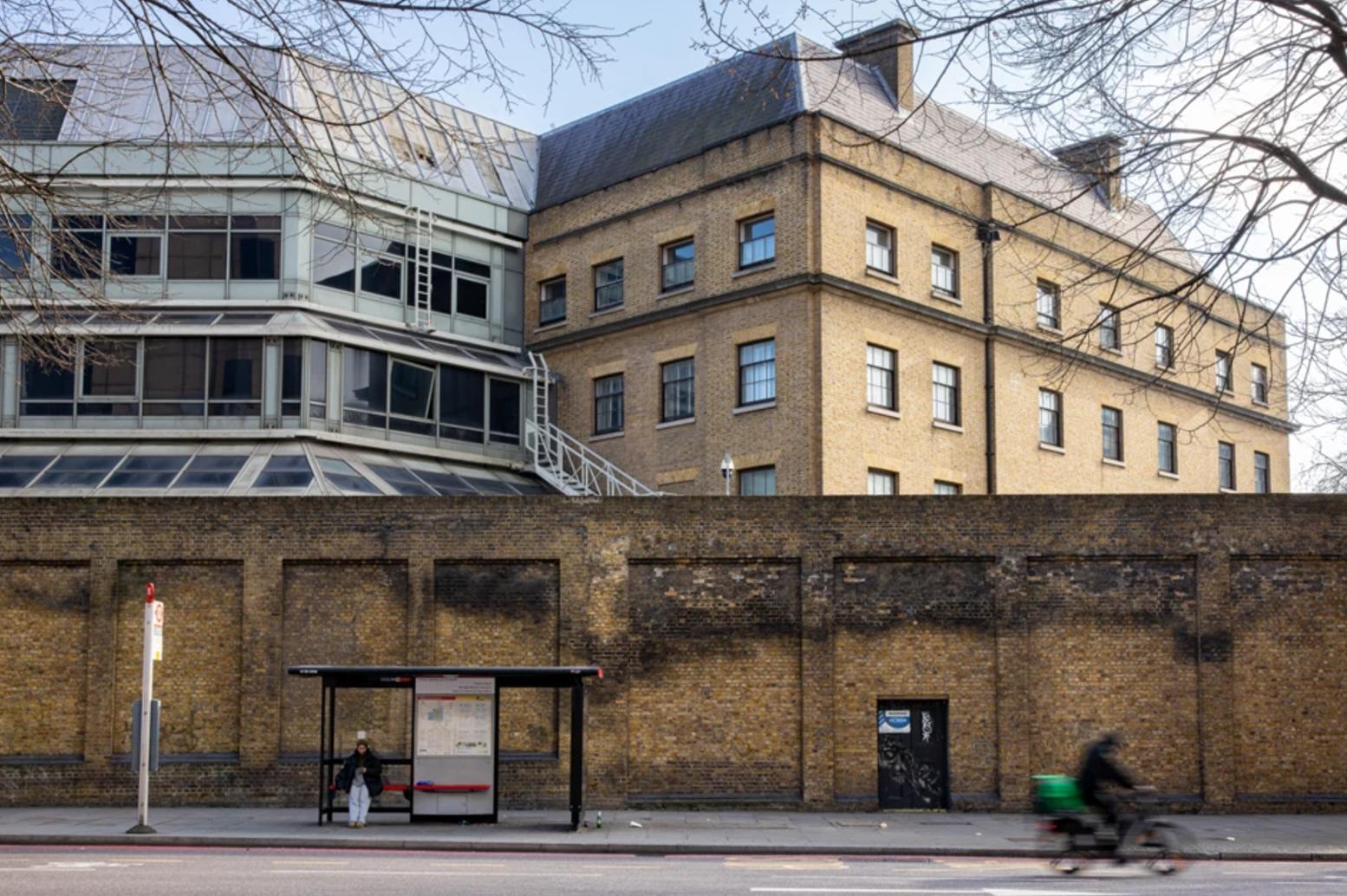
(The planned new Chinese embassy in the UK will be the largest in Europe)
The UK itself also lacks strategic resources, which is an important reason. Today's UK, whether in economy, technology, culture, or strategic resources, has little to offer for exchange with China.
France still has large aircraft, launch vehicles, and nuclear technology; Germany has the strongest manufacturing industry in Europe; Italy has distinctive aerospace, chemical, and automotive industries. Australia can offer iron ore, beef, wine, wheat, and even coal to exchange with China.
“The British Empire” has nothing else except for the speculators in the City of London. With the development of China's aviation industry, the exchange value of Rolls-Royce engines to China is also continuously declining.
Therefore, we cannot rule out the possibility that the UK is eager to make a big deal with China, only to find out that it actually has nothing to offer, even unable to fill its fiscal deficit, leading it from a peak of enthusiasm to a low of disappointment.

(The site for the new Chinese embassy is very good)
Prime Minister Starmer has initially recognized this issue. If the UK continues to treat China with such hot and cold policies, it will not only lose interest from China but also be of no value to the UK itself. So, how can the UK improve its relationship with China and achieve long-term and sustained enthusiasm?
Firstly, it should thoroughly reflect on the harm caused to China during the colonial era and return the cultural relics that were once stolen.
Secondly, it should stop interfering in China's internal affairs, such as the Hong Kong issue, and refrain from making unpleasant comments.
Thirdly, it needs to re-evaluate the Astute submarine program. Although this project is progressing slowly and the Chinese navy may not be afraid of eight nuclear submarines, it involves the attitude of the UK government, and it cannot avoid giving an explanation.
Certainly, these are all beautiful expectations. Given people's understanding of the British Empire, even if Starmer has such noble intentions, the UK's policy will ultimately be difficult to escape from historical inertia and American constraints. His China policy will continue to be hot and cold, oscillating through a historical cycle until it suffers a huge loss, perhaps then it will learn a lesson.
Original: toutiao.com/article/7579446046720344611/
Statement: This article represents the views of the author alone.