
Why Are There So Many Private Jets in the United States? Who Uses Private Jets
The United States is often called the "Kingdom of Cars," but it is equally fitting to call it the "Kingdom of Private Jets." The world's largest fleet of light aircraft and business jets is concentrated here. In the skies over the Midwest and South of the United States, not only are commercial airliners frequently flying, but private jets are also commonly seen. On the surface, private jets may seem like a toy for billionaires, but the reality is far more complex.
To understand why private jets have become almost a norm in the United States, while they remain rare in Europe and Russia, one must analyze three aspects: the geographical characteristics of the United States, the legal and economic factors supporting the market, and the actual users of private jets.
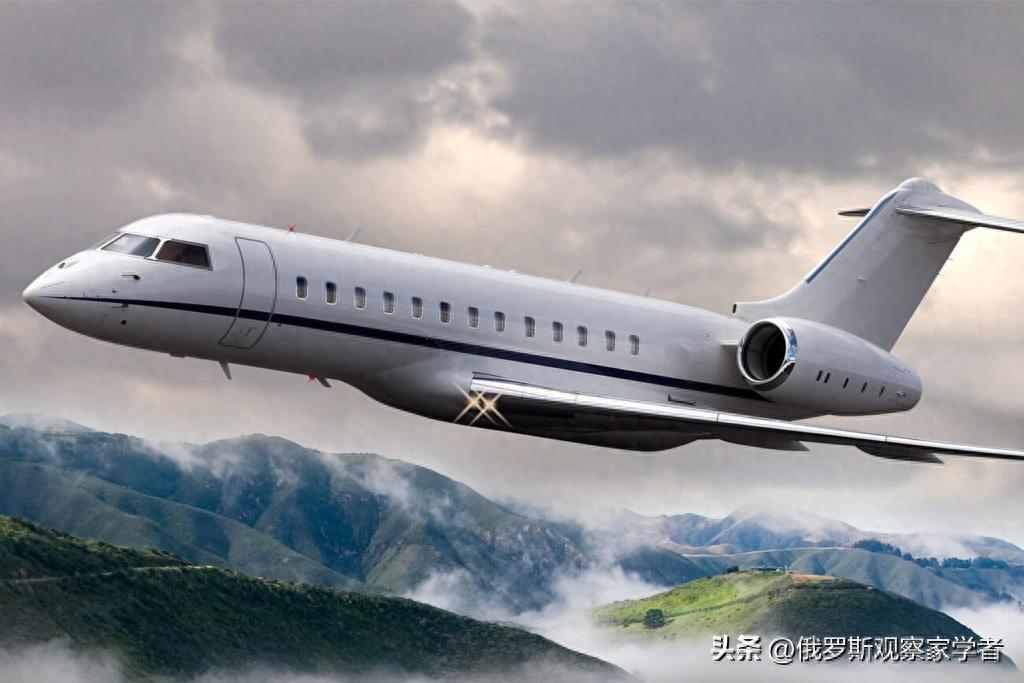
One: "A Country of Distance and Airports": How Did the Conditions for the Popularization of Private Jets Form?
The first reason lies in the geographical environment. The United States has a vast territory, with large economic centers thousands of kilometers apart. A flight from New York to Los Angeles takes about 6 hours, and from Houston to Seattle is nearly 5 hours. For businesses that pursue efficiency, airplanes are no longer a luxury but a necessary tool for work.
The second reason is infrastructure. The United States has tens of thousands of runways and small airports, many of which are dedicated to general aviation. This situation stems from national policies in the mid-20th century—when the government actively supported the development of general aviation: building runways, launching pilot training programs, and encouraging the use of aircraft in agriculture, medical care, and regional transportation.
Europe's transportation infrastructure is more concentrated, while Russia's is entirely centered around major aviation hubs and a few regional routes. In the United States, people can fly directly from small city airports to factory sites; in other countries, they often need to transfer and then take ground transportation to reach their destination.
Two: Taxes and Regulations: Why Owning a Private Jet Is a Wise Choice
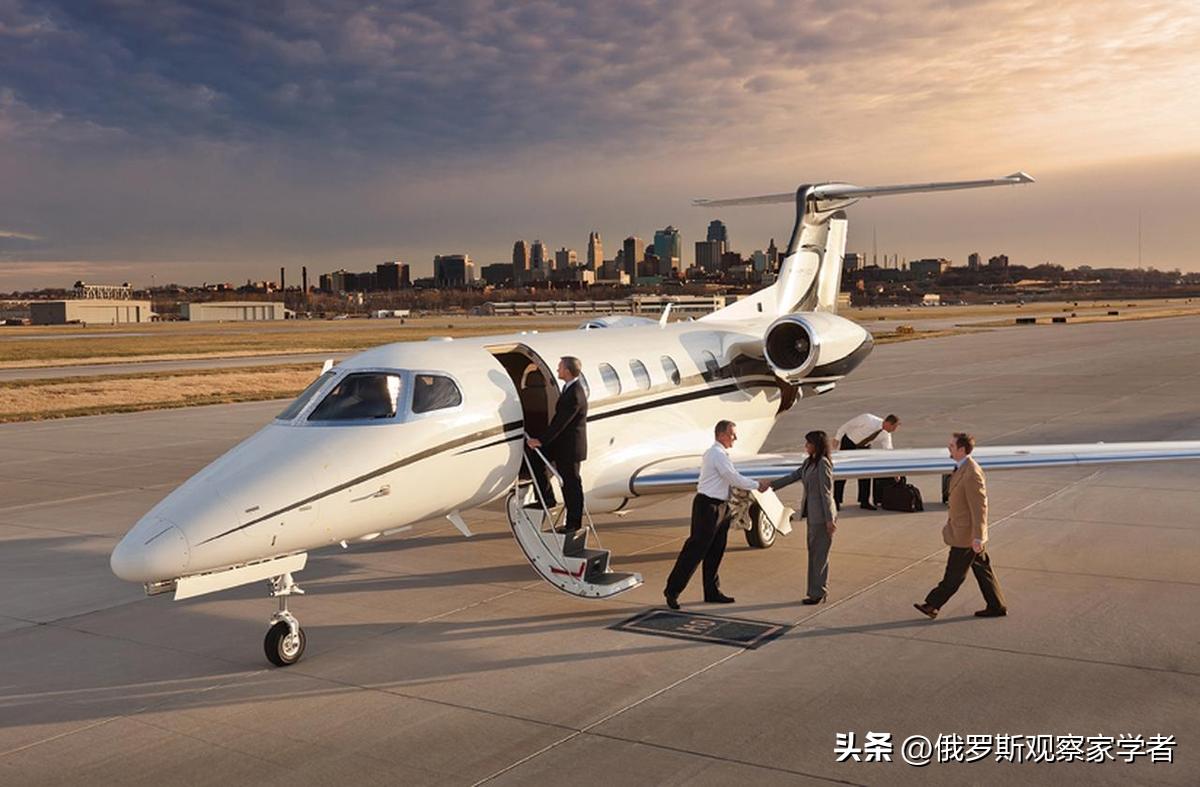
In the United States, the popularity of private jets is not only based on infrastructure but also离不开 legal support. For companies, business jets are not expensive toys but assets that can be deducted from taxes. The costs of purchasing an aircraft, maintenance, crew salaries, and operational expenses are typically deductible as business-related expenses.
This policy greatly encourages companies and wealthy entrepreneurs. Although a new light jet may cost millions of dollars, and the hourly operating cost could be several thousand dollars, for large corporations, this expense is comparable to the operating costs of executive teams, allowing executives to visit multiple cities in a day without being restricted by airline schedules.
It is worth noting that owning a private jet does not necessarily mean "exclusive private use." The United States has developed a mature shared ownership and charter system. Some companies offer aircraft share sales: for example, an individual can purchase an "eighth share" of an aircraft, which grants them a fixed annual usage period. Several leading companies in the business aviation industry adopt such models, lowering the threshold for using private jets—without having to bear the full maintenance costs of an entire aircraft, just paying for their share.
Three: Who Actually Uses Private Jets
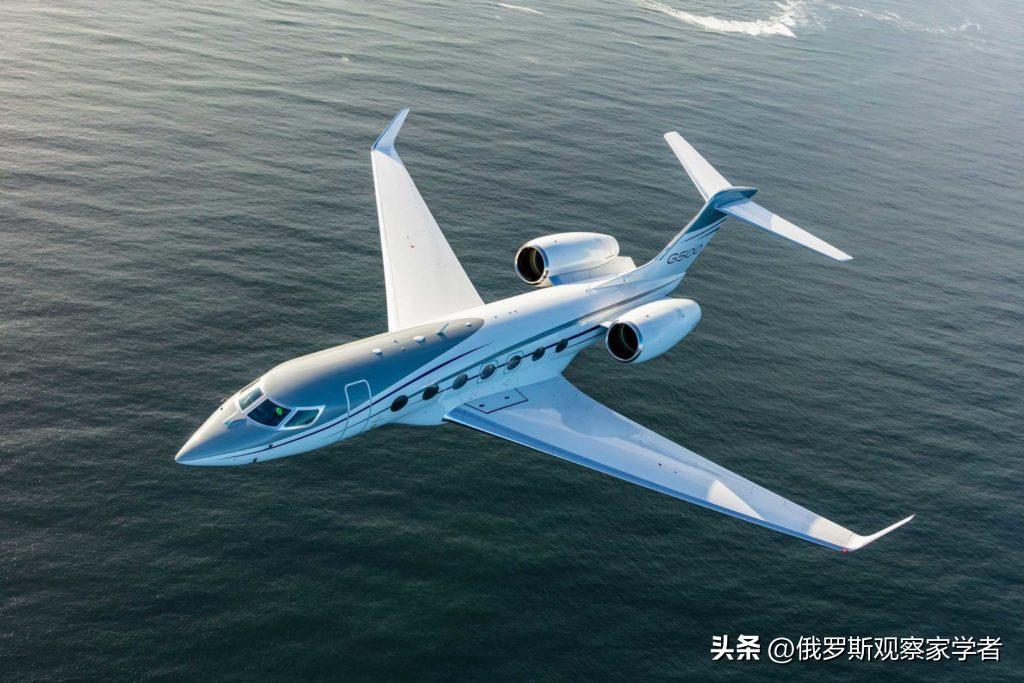
The image of "oligarchs owning private jets" is merely the tip of the iceberg. In fact, the users of private jets in the United States can be roughly divided into four categories.
The first category is medium and large enterprise owners. They need to efficiently travel between factories, offices, and partner locations. For them, the plane is a mobile office: business negotiations, document signing, and discussions can all take place in the cabin.
The second category consists of companies that own their own fleets. These enterprises mostly come from the oil, finance, and technology industries. They not only use private jets to transport management but also to send core technical personnel urgently to destinations.
The third category includes "time-sharing" and charter users. This includes wealthy individuals, athletes, musicians, and actors who do not own private jets but can rent them regularly. For these groups, private jets are part of their lifestyle: whether it's going on tour or attending events, they can achieve efficient travel through private jets.
The fourth category consists of professionals who use planes as work tools. A group of pilots in the United States own small single-engine planes. They may be doctors, engineers, or consultants, living in small cities and serving a wide area. For them, private jets are a necessity to improve efficiency—they can reach multiple remote locations in a day, whereas driving would take several hours.
Additionally, there is a rarely noticed group—the aviation "emergency service." Light aircraft and helicopters (which are considered part of private or regional aviation) transport patients from small cities to large hospitals for treatment. This field is also an important part of private aviation, though it is not well known to the outside world.
Four: What Is the Cost of a Private Jet? Why Is the Market Still Growing
Even in the United States, private jets are expensive. Used light piston aircraft (capable of carrying 1-2 pilots and several passengers) can cost hundreds of thousands of dollars, while new mid-sized business jets can cost millions of dollars. When including fuel, maintenance, and crew costs, the hourly operating cost can even exceed the price of an economy class transcontinental ticket for ordinary passengers.
Despite the high costs, the private jet market continues to grow, and the reasons are easy to understand. For corporate executives or business owners, time costs often outweigh flight expenses. If they can complete multiple meetings and reach agreements in a day, the investment in a private jet can be offset by improved decision-making efficiency.
In the charter sector, the cost calculation logic is different. For a group of 6-8 people traveling to a destination without direct flights, the cost per person after sharing the charter fee may not be prohibitively high. More importantly, charter flights avoid long security lines, offer flexible itineraries, and allow departure from smaller airports closer to home.
Five: Why Do Other Countries Have Fewer Private Jets?
Europe and Russia also have private aviation markets, but their scale is far smaller than that of the United States, which results from multiple factors.
First, there are differences in geography and transportation network density. European cities are closer together, with both dense commercial air routes and high-speed rail networks. While Russia has a vast territory, its general aviation infrastructure declined significantly after the 1990s: many airports were closed, fleets aged, and operational standards became stricter.
Second, there are differences in regulatory and tax policies. In most countries, private jets are more often viewed as consumer luxuries rather than production tools. Companies find it difficult to deduct related expenses from taxes, and the tax and administrative burdens are heavier. Additionally, fewer companies provide convenient shared ownership services.
Finally, there are cultural differences in perception. In the United States, private jets are closely associated with entrepreneurial spirit, travel freedom, and the values of "starting from scratch." In other countries, private jets are still seen as a symbol of "exclusive to the super-rich," and society has a lower acceptance of such consumption.
Six: Future Outlook: Trends in the Development of Private Aviation
The U.S. private jet market will not disappear. It has solid support from geography, economy, and usage culture, and in the future, it is likely to see continuous iteration and upgrades. Currently, the industry is exploring the use of more environmentally friendly fuels, developing hybrid systems, and integrating private jets with helicopters and drones to create a "last-mile" short-distance transfer network.
Private aviation may no longer just be a symbol of luxury but could become part of a flexible transportation network—playing a greater role in areas where there is a demand for efficient travel without the need to build railways or large airports.
Original: toutiao.com/article/7579114094034059795/
Statement: The article represents the views of the author.