
Social media posts show that the full-scale model of China's PL-17 long-range air-to-air missile has been officially exposed, revealing its mysterious veil. The overall design of this missile doesn't deviate much from traditional approaches, but its aerodynamic layout and power system have introduced new innovations. What really caught people's attention is its claimed range of 500 kilometers, which, looking around the world, currently has no other similar missile to match it.
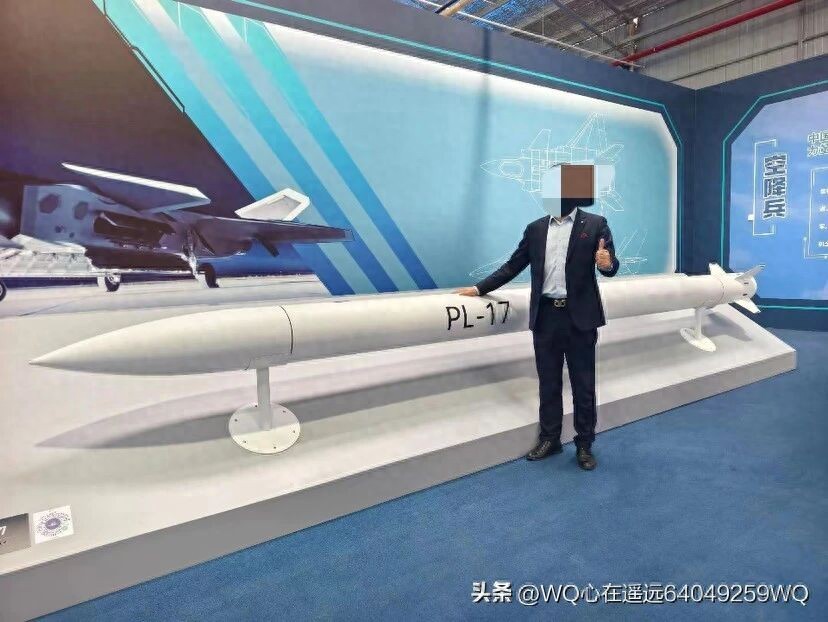
Based on existing test rounds and model images, once the PL-17 was unveiled, the Chinese People's Liberation Army is likely to again sit at the top of the global long-range air-to-air missile rankings. In my view, this leadership isn't just about chasing numbers; it's the result of our hard core technologies in missile design and power control, as well as the gradual upgrading of the entire national defense industry system.
The past few years have seen updates and real-world applications of air-to-air missiles, and it's clear to everyone that remote operation has become the core development direction. From the first generation with a range of less than 10 kilometers, to the fourth generation radar-type missiles, the range has jumped up to 70-80 kilometers, even up to a hundred or so kilometers. Air combat modes have shifted from close-range "dogfights" to beyond-visual-range strikes, and remote operation has become key to improving air combat capabilities.
This trend will only become more pronounced in the future. On one hand, current short-range and medium-range missiles will gradually increase their ranges. On the other hand, long-range and ultra-long-range air-to-air missiles will form separate equipment series, gradually be equipped with the military, and play a role, redefining the way of air combat. This change is not accidental; essentially, it's because countries are all desperately vying for air superiority, and whoever can strike further will gain the initiative in air combat.
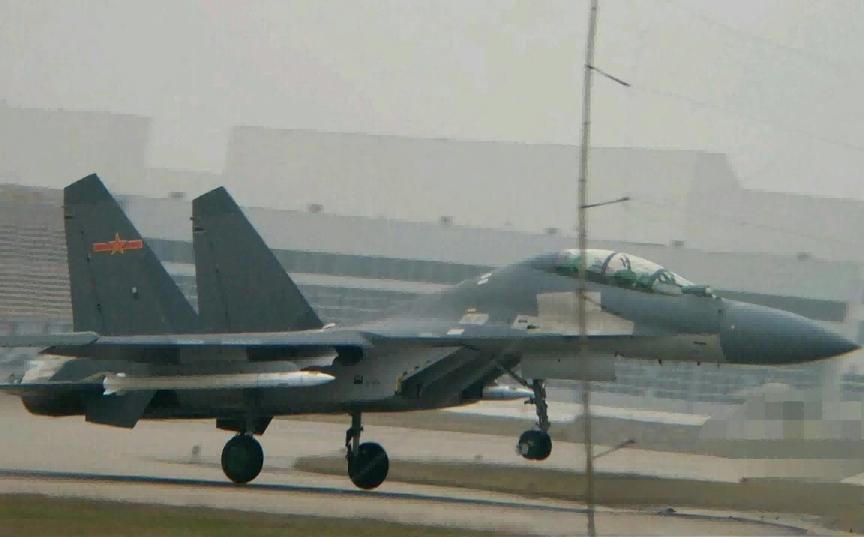
Currently, among the ultra-long-range air-to-air missiles that have been deployed or are still under development worldwide, the AIM-260 of the U.S. Air Force, the AIM-174B of the U.S. Navy, and Russia's 810 product are considered representative. The range of these models is basically capped at 300 kilometers.
The core use of ultra-long-range air-to-air missiles is to meet the four requirements of "first discovery, first lock-on, first launch, and first hit" in air combat. They can take advantage of their range to fire before the enemy, and accurately strike key special aircraft such as early warning aircraft, refueling aircraft, and electronic warfare aircraft behind the enemy, thereby disrupting the enemy's air combat system and significantly enhancing our system confrontation capability. Compared with others, the 500-kilometer range of the PL-17 is far ahead of similar products from the U.S. and Russia, and this is not simply a matter of hundreds of kilometers more. It might quietly change the current air combat rules.
The most attention-grabbing feature of the PL-17 is its aerodynamic layout - it uses a rare wingless design, with four trapezoidal tail fins at the rear. As for whether each fin is equipped with an aileron, there is currently no clear information. The benefits of the wingless layout are obvious, as it can greatly reduce the resistance and induced rolling moment during missile flight, allowing the missile to fly far while maintaining stability at high speeds and under high pressure.
However, every coin has two sides. This layout also has inherent shortcomings, which may affect the missile's range during low-speed flight, guidance response speed, normal overload, and aerodynamic control. These aspects must be carefully balanced during the design process. I think this design actually shows the careful consideration of the research team - they first ensure the core needs of ultra-long range and high-speed flight stability, then use other technologies to compensate for the shortcomings.
Since the wingless layout has inherent shortcomings, the solution must catch up. Introducing direct force control, an unconventional technology, is the key step. Some people may not understand what direct force means, also called reaction jet lateral force. This control technology is not simple; it can greatly shorten the response time of air-to-air missiles, significantly improve their maneuverability, terminal guidance accuracy, and initial turning flexibility, and even allow the missile to destroy the target by direct kinetic impact, fundamentally solving the shortcomings of the wingless layout.
The application of this technology is not simply about putting parts together; it is the result of long-term research and accumulation in the field of missile control. It also shows that the PL-17 is not a "one-dimensional student" that only pursues range while neglecting other aspects. Its technical maturity is sufficient.
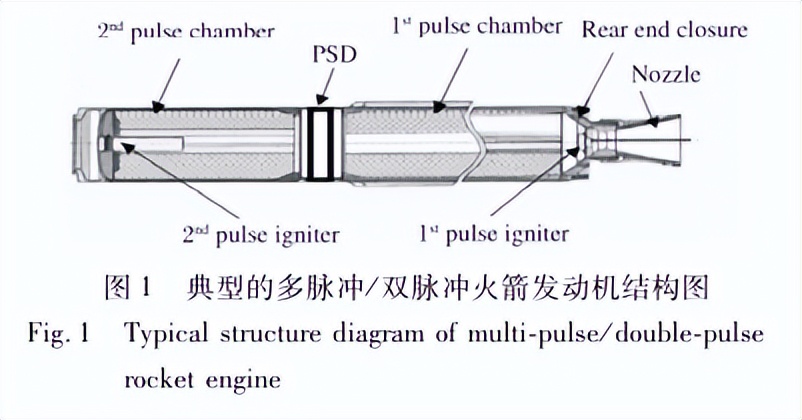
In terms of power system selection, the PL-17 took everyone by surprise. Everyone previously thought it would use a ramjet engine, but instead, it chose a multi-pulse solid rocket engine. The most direct evidence is that the missile body has no inlet for a ramjet engine.
Some people might ask, isn't a ramjet engine good? Actually, it has its advantages, such as higher specific impulse and the ability to adjust thrust by regulating fuel flow and inlet conditions, which can suit the need for optimizing the missile's flight trajectory and reasonably distribute thrust and energy. However, the multi-pulse solid rocket engine also has its own strengths. It can flexibly adjust the interval between multiple pulses, allowing the missile's flight trajectory to reach the optimal state, making full use of energy, greatly expanding the application range of solid rocket engines, and perfectly suitable for meeting the range requirements of ultra-long-range missiles.
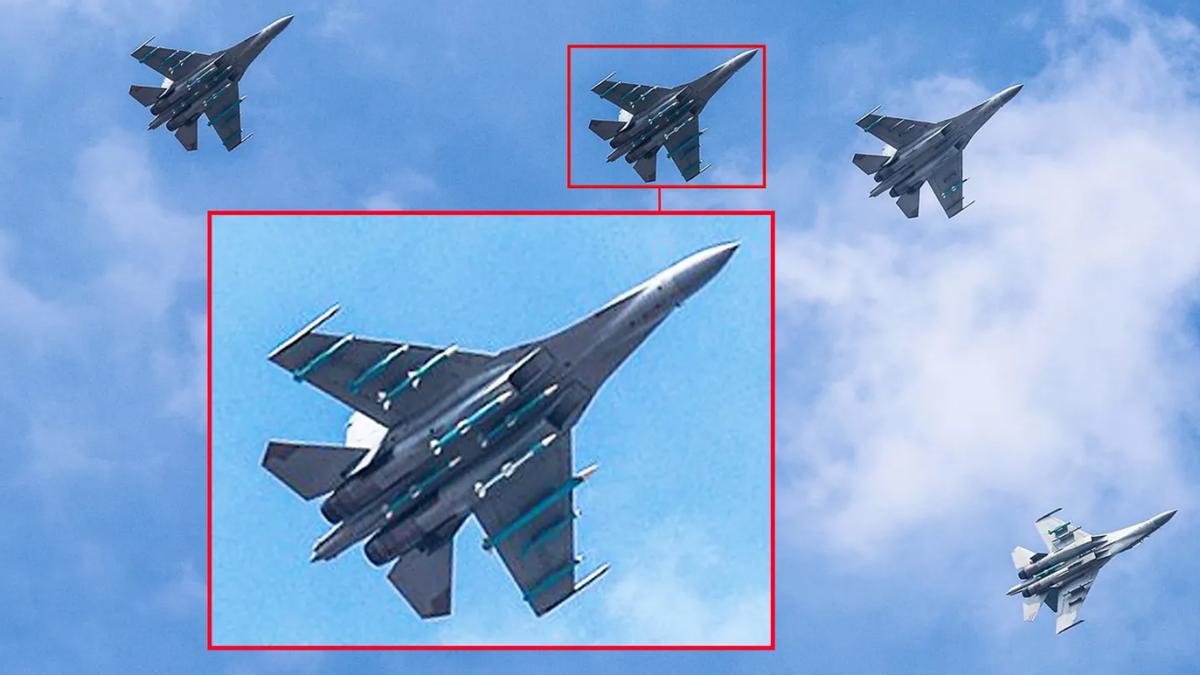
Nowadays, targets on the battlefield are becoming increasingly diverse, and the interference environment is also getting more complex. Single-mode guidance systems are gradually becoming insufficient. Compared to single-mode guidance, multi-mode guidance can obtain more target information, analyze and process it, which can significantly enhance the guidance head's ability to detect stealth targets and small targets, and improve the missile's anti-jamming capability through multi-dimensional information fusion. This is especially important in future battles with strong electromagnetic interference.
Considering the ultra-long range of the PL-17 and its operational requirements, it is very likely to adopt a multi-mode guidance system. The previous "difference" in design actually lies here - other similar missiles mostly use improved normal aerodynamic layouts and favor ramjet engines, while the PL-17 does not follow the same path, but instead takes a unique route suited to itself.
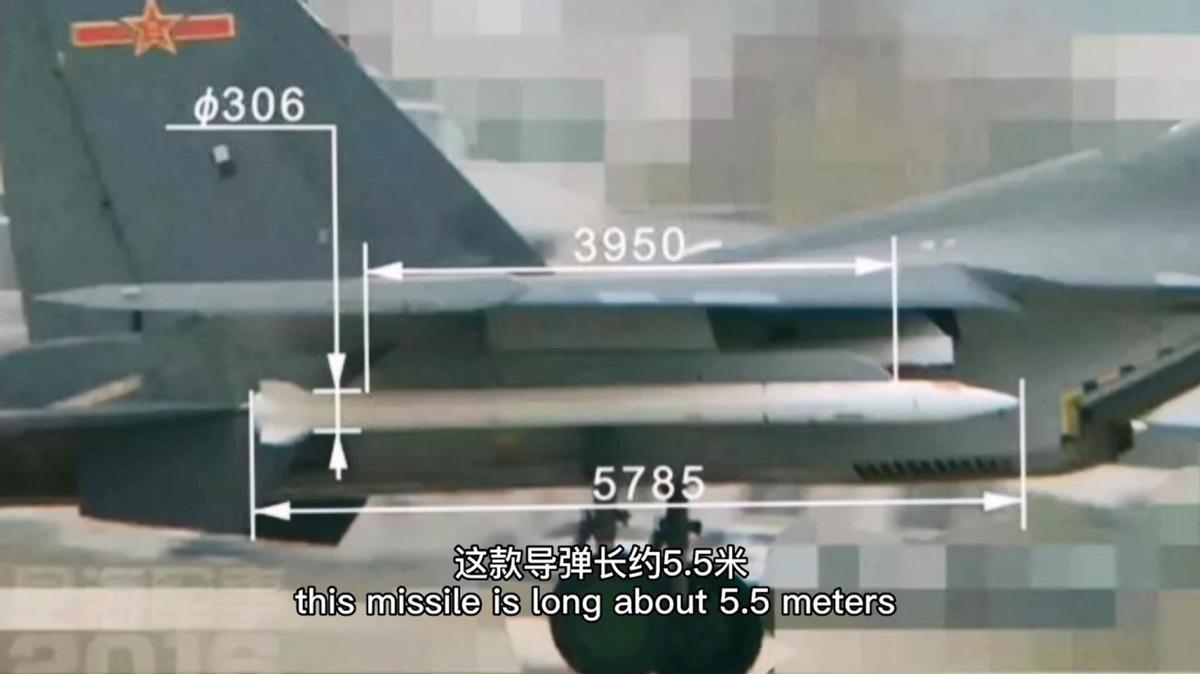
If we look at the development of ultra-long-range air-to-air missiles in the United States and Russia, a range of 300 kilometers is already a difficult upper limit for them. But this limit has been broken by the PL-17, with a range of 500 kilometers, placing it firmly at the top of the global ultra-long-range air-to-air missile rankings. The appearance of the PL-17 is not just about breaking range records, but is the inevitable result of the country's air combat system reaching a certain stage. Its significance is no less than when the PL-15 appeared. People often say, "A寸 longer, a寸 stronger," and this saying fits the PL-17 perfectly. Behind this, it's not only the support of technological accumulation, but also directly reflects the strength of our national defense industry.
Original article: toutiao.com/article/7600615794673746483/
Statement: This article represents the personal views of the author.