
Breaking news, the UK has once again gone back on its word, postponing the approval of China's new embassy planning application from December 10 to January 20, 2026.
Meanwhile, Bloomberg also reported that a spokesperson for UK Prime Minister Starmer has publicly announced that the final decision on whether to approve the construction of a Chinese embassy at the former Royal Mint site in London will be given on January 20 next year.
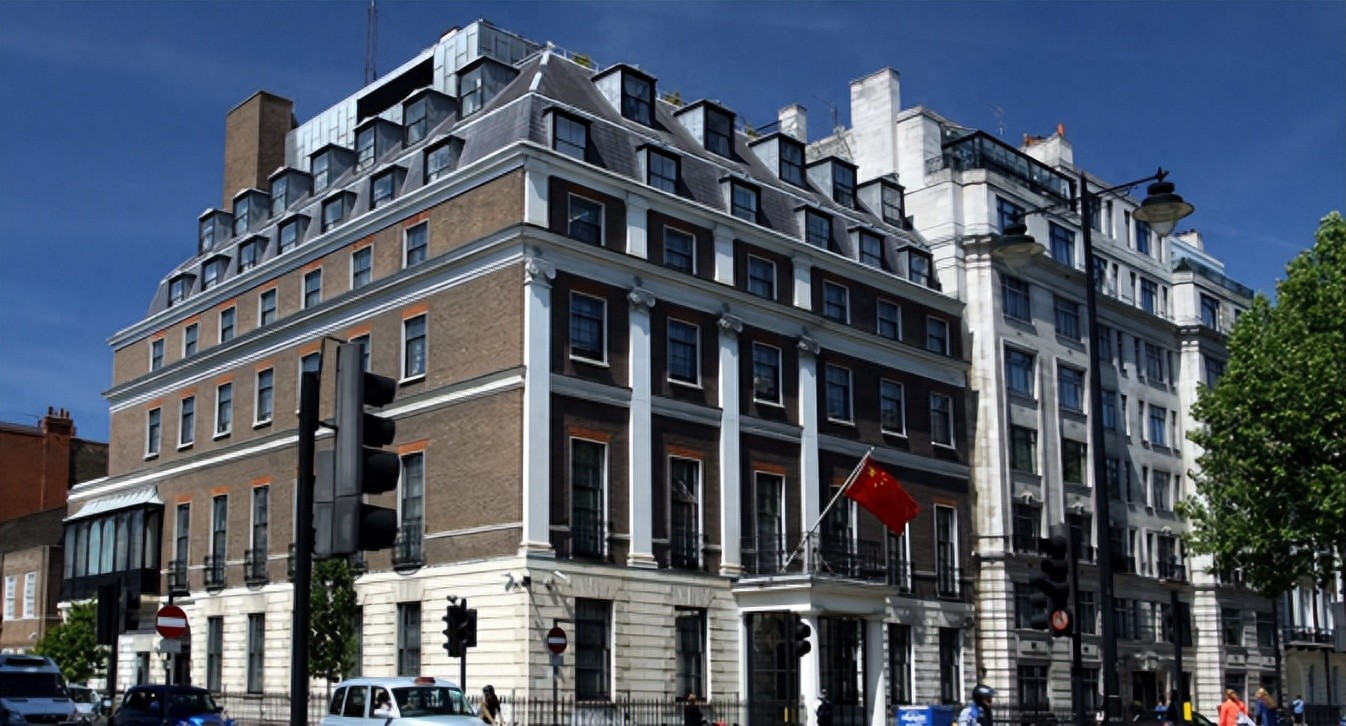
However, this so-called "final reply" is hardly credible.
Originally scheduled for October, the approval was delayed to December 10 due to the so-called "China espionage accusations" farce.
Now that the new deadline is approaching, the UK has once again used the excuse of "needing to seek opinions from multiple departments" to delay it further.
Remember, there were earlier reports that UK Prime Minister Starmer planned to visit China at the end of January next year. Along with that announcement, it was also said that Starmer would officially approve the new Chinese embassy project on December 10.
At that time, the UK's MI5 and MI6 intelligence agencies had "given the green light," and the Ministry of the Interior and the Foreign Office also stated they had "no objections."
It should have been a straightforward matter, but now it has turned into an unscrupulous "game of delay."
To be honest, whether Starmer can give an answer by January 20 next year remains uncertain.
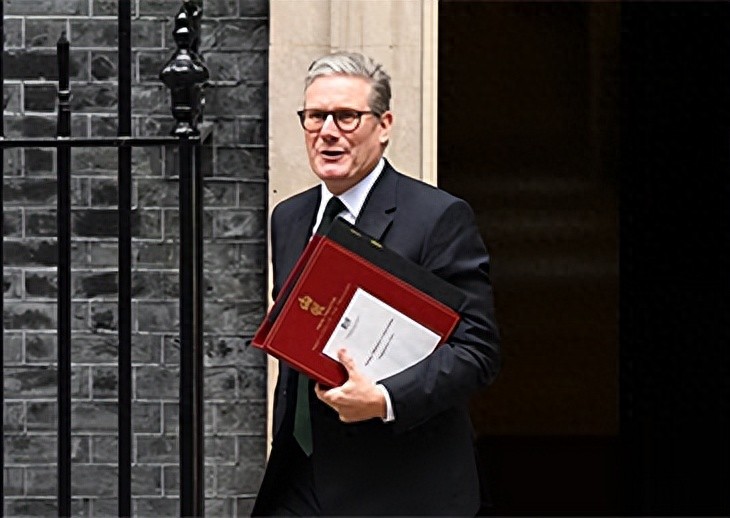
Currently, domestic opposition voices in the UK remain strong, with the Conservative Party and the Liberal Democrats putting pressure on the Labour government led by Starmer, openly demanding to reject the Chinese application.
Their main argument is the "security risk," claiming that the new embassy is located near the core area of London's financial district and could be used for "espionage activities."
This tired rhetoric is nothing more than political manipulation under the guise of national security. British politicians always like to hype up the so-called "Chinese spies," but where do they get their "confidence" from?
According to a report from Lianhe Zaobao, the Chinese side has already made it clear that if the application is ultimately not approved, there will definitely be "consequences."
Although they didn't say it outright, the message was clear: If the UK continues to drag its feet, bilateral relations are likely to be affected, especially the economic and trade cooperation that Starmer is eager for may fall through.
In recent days, Starmer has made a new statement, promoting the so-called "China threat theory" while desperately wanting to profit from China's money.
In his speech, he first publicly declared that China is a "real threat to national security," emphasizing that the UK will not compromise on issues of national security.

At the same time, he also called for a more "business-friendly" approach towards China, saying that he would create conditions for Sino-British economic and trade cooperation.
He emphasized that bringing the UK closer to China's trade relations is essentially in line with Britain's own interests, encouraging British companies to seize market opportunities in finance, pharmaceuticals, and luxury goods sectors.
Additionally, Starmer mentioned that previous Conservative governments had taken an extreme stance on Sino-British relations, which had made the relationship very tense.
He stated that he did not agree with such a black-and-white way of looking at things.
This statement sounds like it aims to show "pragmatism," but when combined with the entire statement, it becomes clear:
On one hand, Starmer knows that the UK economy needs the support of the Chinese market, hence his call for a "business-friendly" approach;
On the other hand, he is afraid of being caught by the opposition party for being "weak" towards China, especially on the so-called issue of national security, and thus puts up a tough posture.
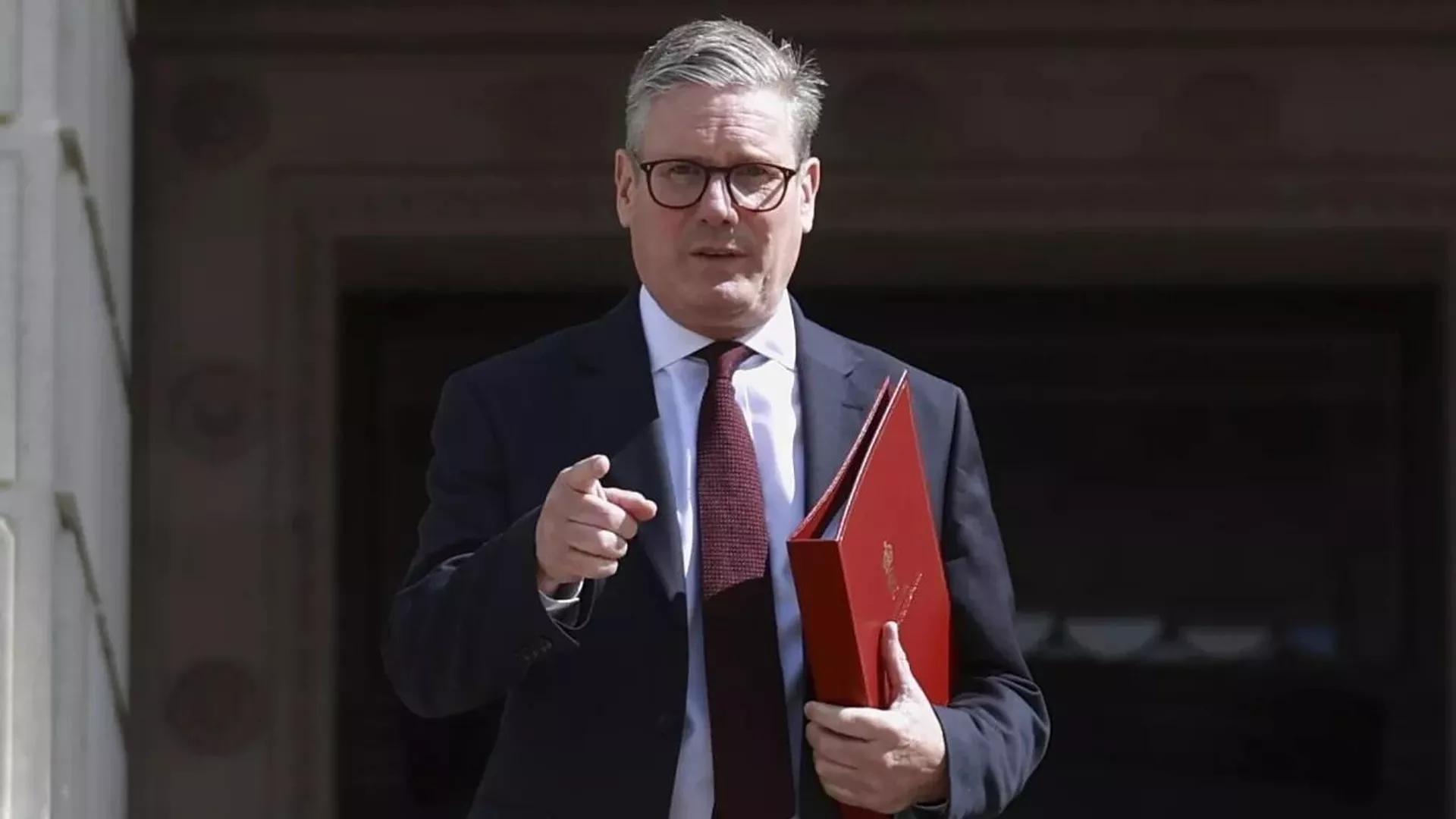
It can only be said that Starmer wants both, but this is not the right way to deal with China.
Now, there is still over a month until the next decision by the UK.
For healthy development of Sino-British relations, the key lies in mutual respect and equal benefits, rather than linking economic and trade cooperation with political issues, or using embassy approvals as a "tool for negotiation."
What China wants to see is sincerity and concrete actions.
The seven-year delay has already made this embassy project go beyond the meaning of the building itself.
From the initial land purchase, to repeated revisions of the planning scheme, and then to repeated obstacles in the approval process, China's patience is running out.
If approved on time, it might pave the way for the Prime Minister's visit to China next year, making the "pro-business slogan" a reality.
But if it is delayed again, it will only further damage mutual trust between the two sides, and the embassy project may end up becoming a "political sacrifice," affecting bilateral economic and trade cooperation.
It all depends on whether Starmer can make a convincing statement before his visit to China. If he cannot provide a satisfactory response, the economic and trade cooperation he desires may be difficult to achieve as expected.
Original: toutiao.com/article/7579502847276876322/
Statement: This article represents the views of the author alone.