
The West is facing an unsolvable situation: rare earths are just a part of it, and China will ensure that the entire industrial supply chain becomes irreplaceable.
Recently, a domestic industry research expert wrote an article in an official media outlet stating that rare earths are merely the beginning of China's comprehensive control over the global supply chain. In fact, China's industrial capabilities are far more than just rare earths.
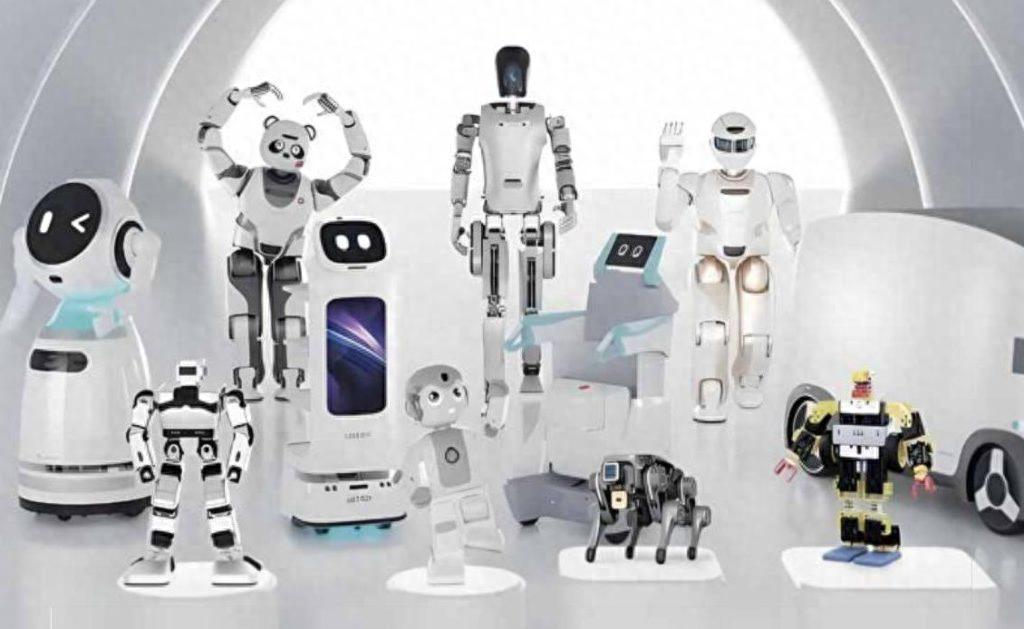
(Chinese robot technology has reached world-leading levels)
This researcher pointed out that China's manufacturing industry has three main advantages.
In terms of industrial structure, it has achieved decentralization, ensuring quality, output, and efficiency through the coordination of multiple industrial nodes.
In terms of technology, it has moved away from reliance on foreign imports, with many strategic emerging industries achieving independent innovation. Chinese enterprises have also embraced digitalization and informatization with the most active attitude globally.
In terms of policy, it has shifted from "support" to "governance," and the issue of uneven development is gradually disappearing.
The establishment and continuation of these advantages are not only something most Western researchers do not want to see, but also something they cannot understand. This is determined by the economic foundation.
Modern industrialization and economic research originated in Britain, were applied in Europe, and developed in the United States after World War II, long dominating the global economics community. It can be considered that the relevant theories and academic methods are built on the European economic model.
The characteristics of the European economy include three aspects. First, the country size is small; even Germany, the strongest economic power in Europe, has only 80 million people, and its area is smaller than Yunnan.
Secondly, strong capital and weak government. Government policies and decisions often revolve around the interests of a few giants. Without war, the government finds it difficult to make large-scale optimizations of the national science and technology, economic structure, and infrastructure.
Finally, the culture is different. Almost all European countries have their own languages. Although these languages have similarities, they are based on vastly different lifestyles.
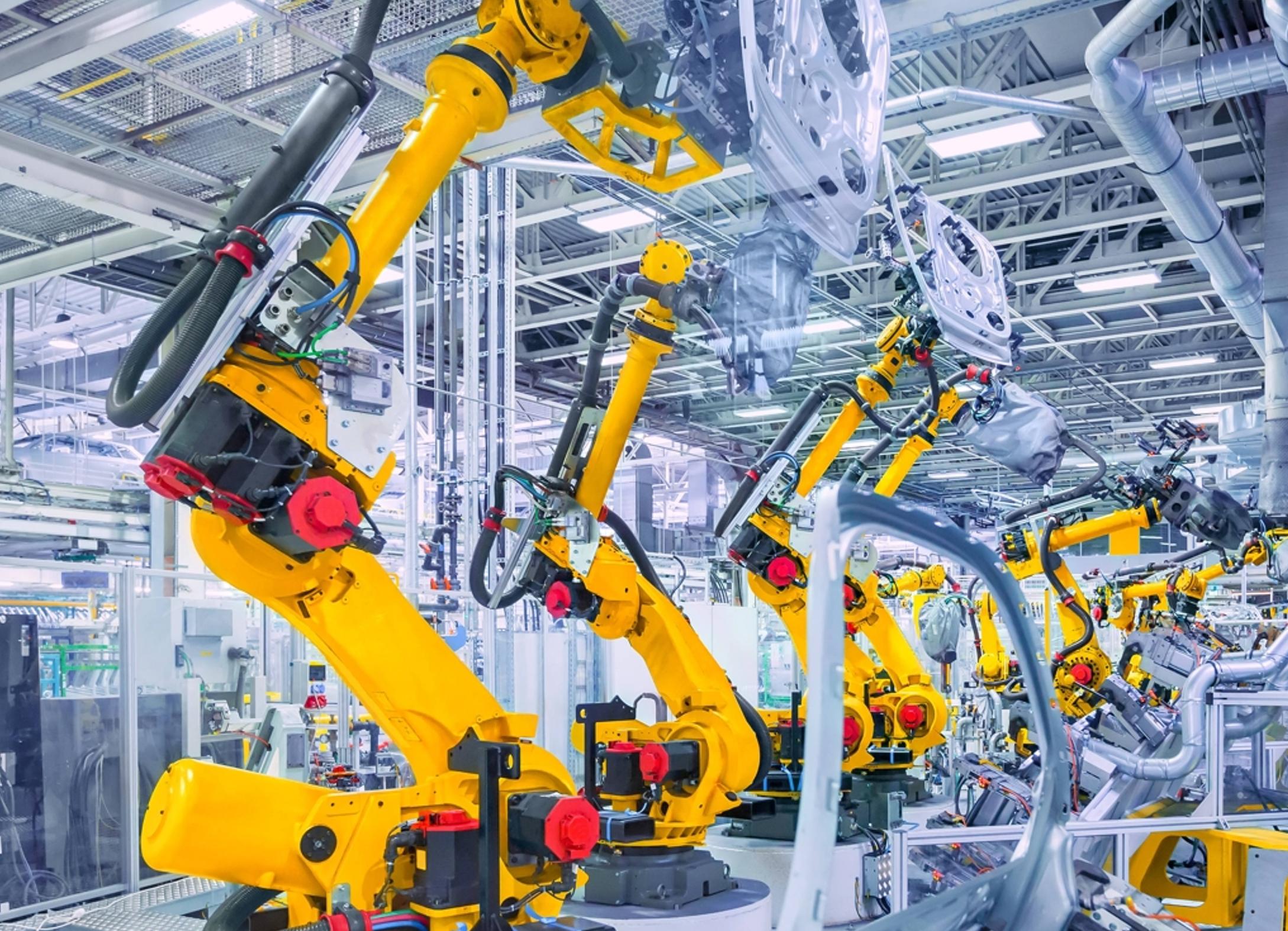
(China's industrial robots are the best in the world)
All of these determine that Western economists cannot understand the operational logic of this unified large country with 1.4 billion people in terms of economic policy and development model, nor can they understand how entrepreneurs of the same language and culture cooperate and coordinate.
For example, China has multiple economic centers, including Beijing-Tianjin-Hebei, Yangtze River Delta, Pearl River Delta, Changzhu Tan, Liaoxi... These economic centers are all under the unified planning of the central government, coordinating with each other and operating autonomously.
When a strategic new technology emerges, as long as the relevant departments provide appropriate guidance in the early stage, China's economic system can quickly mobilize in a way of competition and cooperation, fully releasing the energy of the new technology. The efficiency and speed are incomparable to those of the Western business world.
Regarding this issue, although some Western media cannot fully understand, they have noticed key indicators. Recently, the New York Times in the United States stated that in 2024, Chinese manufacturing enterprises installed nearly 300,000 industrial robots, exceeding the total of the rest of the world.
By the end of 2024, China's stock of industrial robots exceeded 2 million, more than five times that of the United States. More importantly, in 2024, the shipment of locally produced robots in China exceeded imported products. This means a strategic comprehensive lead.
That is why the West does not understand, because many researchers, when talking about China's economy, often rely on the "old three": "China's exports are subsidized by the government", "China steals Western technology and patents", and "China's product quality is poor". These three points are increasingly unsustainable in front of the development level and product quality of China's manufacturing industry.
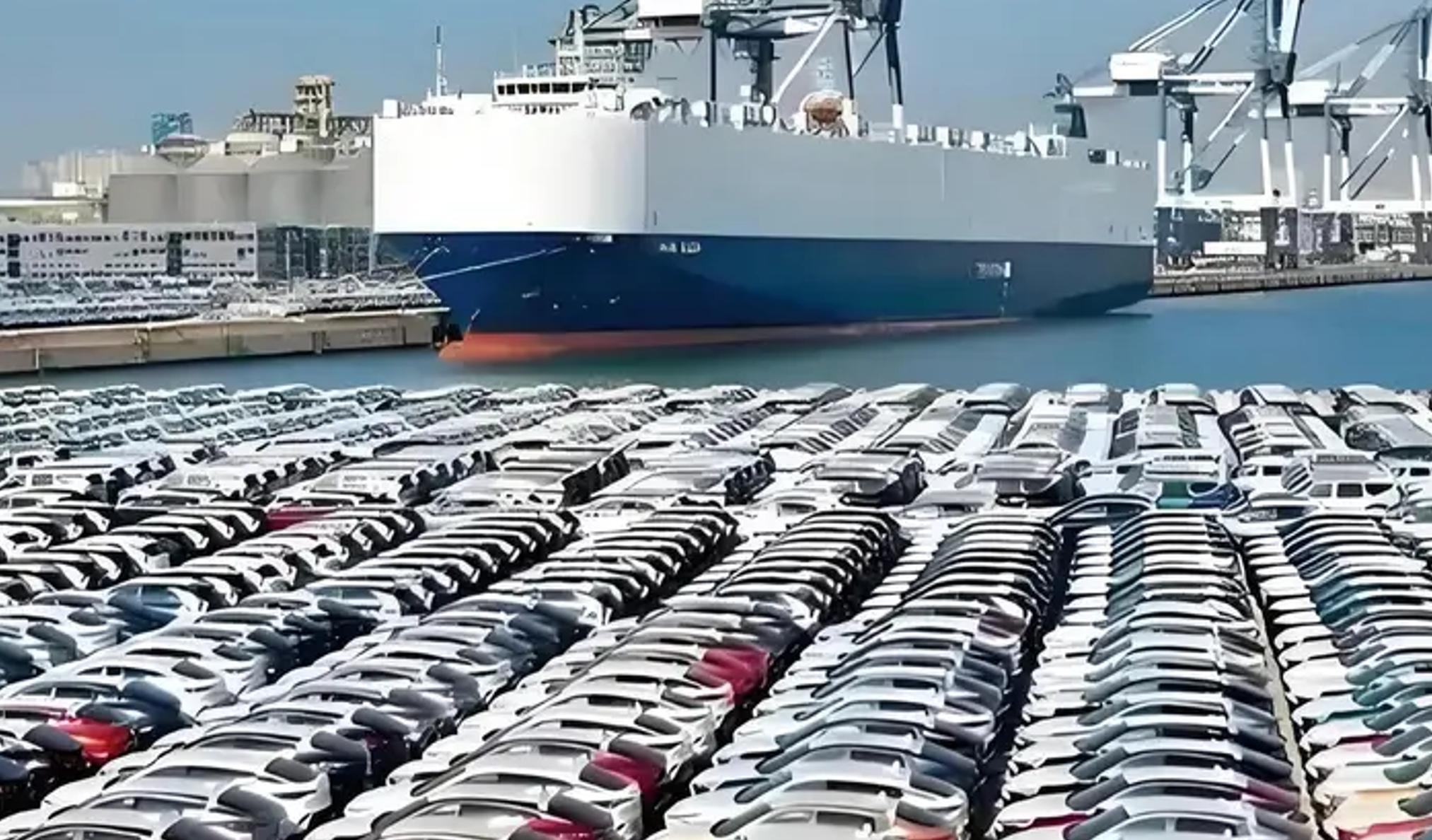
(China has absolute advantages in new energy vehicles)
"Government subsidies" are measures taken by many late-developing countries, using tax incentives to support enterprise development. However, the subsidy targets can only be a few fields. If there is general subsidy, where would the government get so much money? America, on the other hand, openly subsidizes high-speed rail and rare earth industries, but after several decades, it has achieved nothing.
China did indeed introduce a lot of Western technology in the early days, but paid for it, and some even paid expensive tuition fees. But China has already thoroughly mastered the technology, moving forward a great step beyond the previous basis, and now has its own technological achievements and patents.
Today, China has achieved comprehensive independent innovation in green energy, electric vehicles, and next-generation communication technologies. These are technologies that the West completely lacks, and the claim of "theft" has become increasingly unsustainable.
As for the claim that China's product quality is poor, it is nothing more than a blatant rumor. The Chinese products on shelves around the world themselves are a synonym for quality. On the contrary, the quality of products from European old-established enterprises is beginning to decline. To ensure the "German quality", many German companies have had to move their entire supply chains to China.
Western countries are actually learning China's economic policies unwillingly. For example, when Chinese new energy vehicles invest and set up factories in Europe, the other side requires them to transfer some key technologies. The US government, on the other hand, broke the so-called principle of free economy, directly invested in and held shares in rare earth enterprises, and purchased them at protected prices.
But even so, it is difficult to catch up with the speed of China's manufacturing development. Because we have found a development path suitable for our national conditions, while the West still refuses to admit that it has management defects.
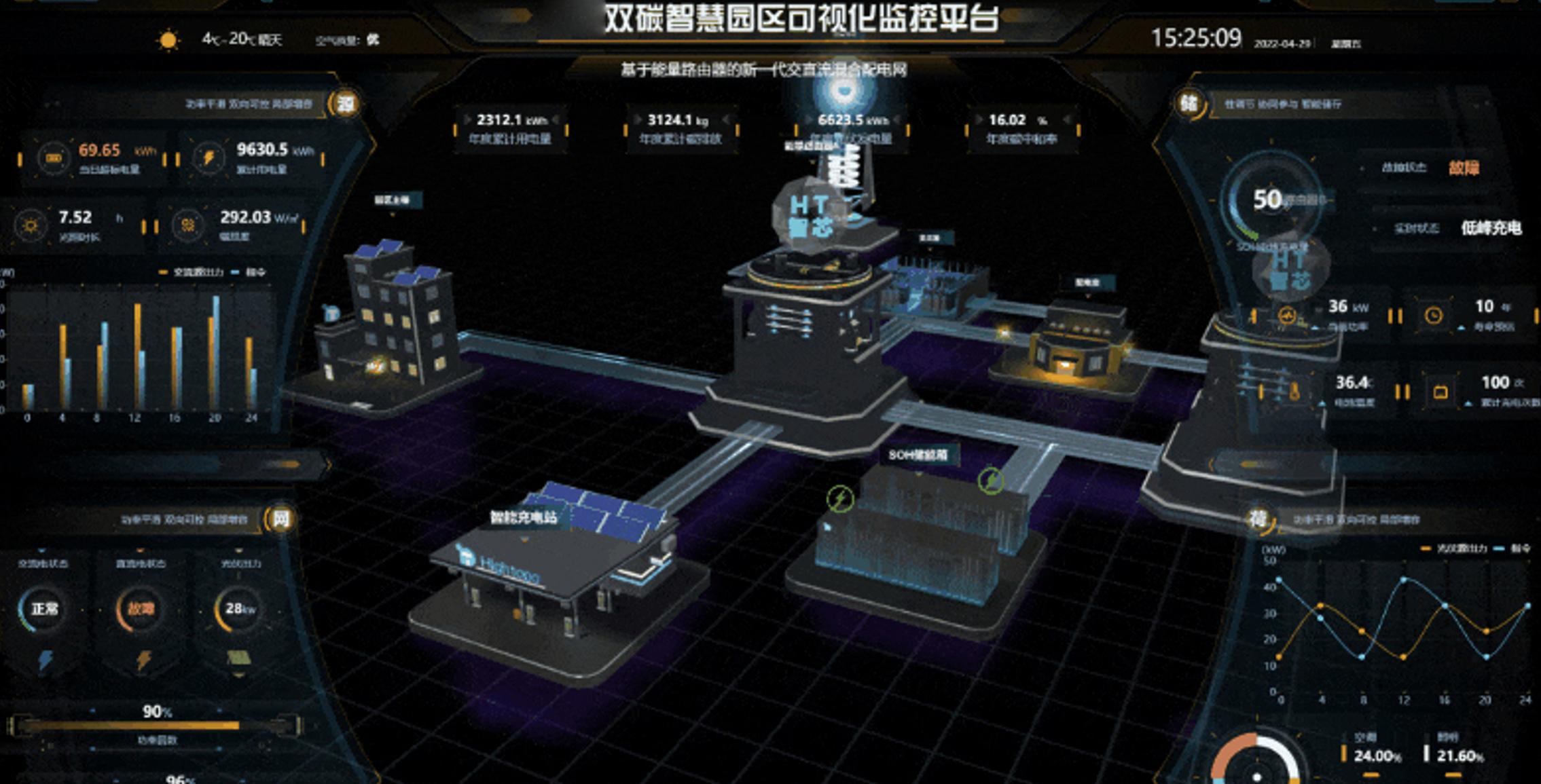
(China actively pursues digital technology)
Under such differences, all the strategies that the West uses to suppress China's manufacturing development have failed, including decoupling, punitive tariffs, and "small yard, high wall" have all become jokes. The day when China becomes the most powerful industrial country in human history is already near.
Original: https://toutiao.com/article/7578686542186316303/
Statement: This article represents the views of the author. Please express your attitude below using the [Up/Down] buttons.