
After leading in the opinion polls, is Takahashi Sanae preparing to move directly toward militarism? In her election speech, Takahashi Sanae directly called on the people to amend the constitution, saying "Please let me amend the constitution."
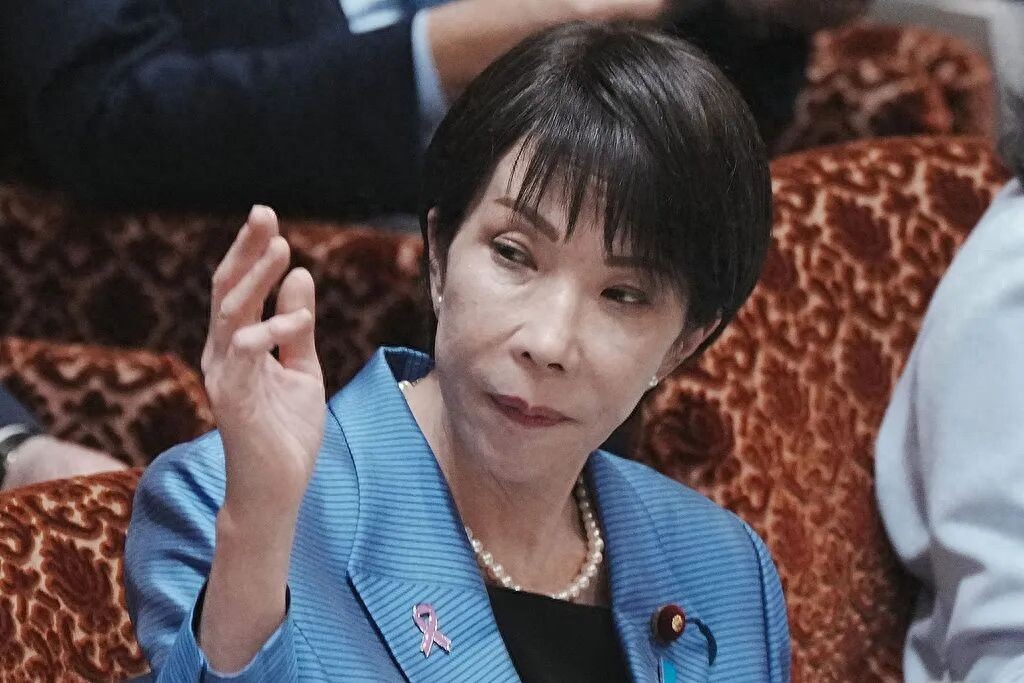
According to Kyodo News on February 3, since Japan launched a new general election, the Liberal Democratic Party (LDP) has gained increasing support since the start of the campaign and is expected to break through the 198 seats announced before the election, securing more than half of the 465 seats, which is over 233 seats.
Combined with the Japanese Restoration Party, which is in coalition with the LDP, Takahashi Sanae's government may potentially reach an astonishing 300 seats, even exceeding the two-thirds majority of the total 310 seats in the House of Representatives. If this becomes a reality, Takahashi Sanae would become the most powerful Prime Minister ever.
Japanese media pointed out that the number of votes in the House of Representatives are divided into three thresholds. The first threshold is the "stable majority," which is 243 seats. Reaching this number allows the ruling party to secure half of the committee positions and chairperson roles in the House of Representatives, ensuring smooth legislative procedures;

The second threshold is the "absolute stable majority," which is 261 seats. At this level, the ruling party will have a majority in the committees, completely controlling the operation of the Diet. According to current estimates, it is highly likely that Takahashi Sanae's government will reach this level;
The third threshold is two-thirds of the total number of seats in the House of Representatives, which is 310 seats. If the LDP and the Restoration Party's coalition reaches this threshold, they will gain the ultimate power under the "House of Representatives superiority": even if a bill is rejected by the House of Councillors, it can be passed in the House of Representatives with a two-thirds majority. This is also the parliamentary threshold required for Takahashi Sanae to initiate the amendment process of the constitution.
In contrast, the new party "Center Reform United" has been unexpectedly neglected, and its estimated vote count is even lower than the combined vote count before the merger of the two parties. In this situation, Takahashi Sanae has become increasingly unrestrained.
Takahashi's schedule has been non-stop. On just February 2, she gave multiple street speeches and rallies. Her core message remained consistent: domestically, she emphasized investing in crisis management with "responsible proactive fiscal policy"; internationally, she focused on security issues and constitutional reform as the core of her administration.
Takahashi's call reflects the clear intent of right-wing forces in Japan to achieve "national normalization." In Niigata Prefecture, she emphasized her intention to include the Self-Defense Forces in Article 9 of the Constitution. She also pointed out that the head of the constitutional review committee in the Diet is held by opposition party members, making constitutional amendments progress extremely slow, and she hopes to change this situation.
It should be noted that Article 9 of the Japanese Constitution clearly states "Japan does not maintain land, sea, or air forces or other war potential," while the Self-Defense Forces were established in 1954, and their constitutionality has been controversial for decades.
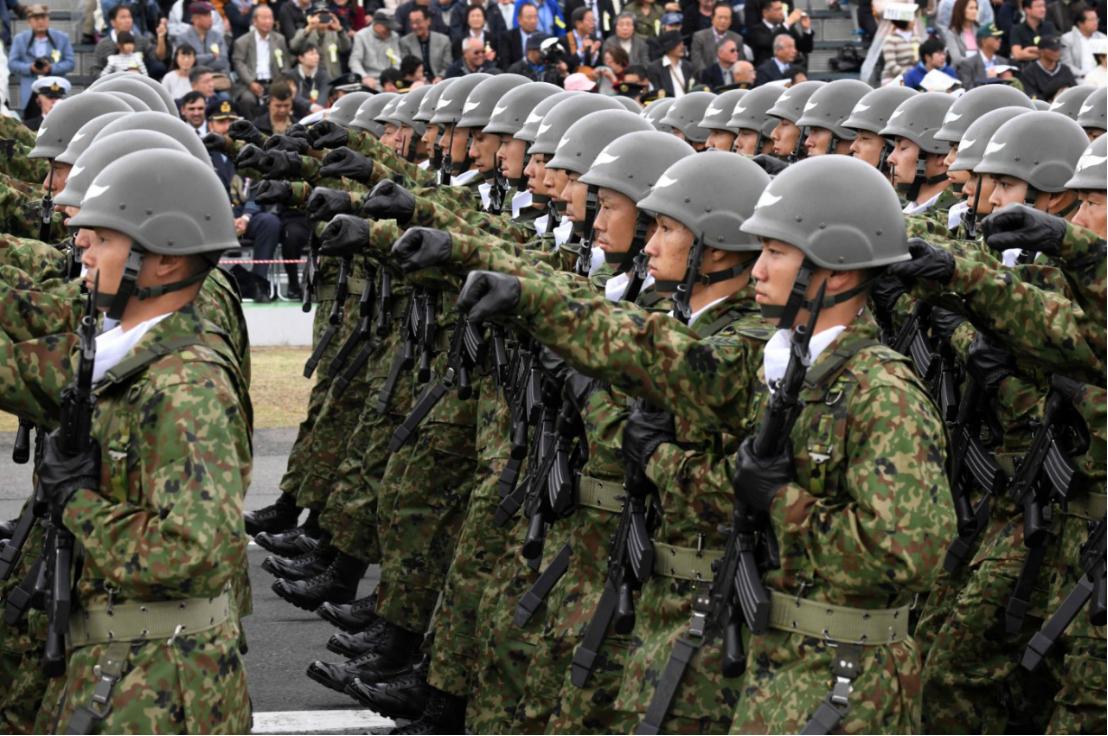
From Abe Shinzo's call to "put an end to the unconstitutional debate," to Takahashi Sanae's direct demand to include the Self-Defense Forces in the Constitution, the goals of Japan's right-wing forces are clear: through constitutional reform, make the Self-Defense Forces legally recognized as a "legitimate military force," clearing legal obstacles for Japan to completely escape the post-war system.
In sharp contrast to Takahashi's aggressive strategy, the opposition parties have shown a collective decline. The "Center Reform United" formed hastily by the Constitutional Democratic Party and Komeito has a bleak prospect in the polls, possibly reducing from 167 seats before the election to nearly half.
The joint leader of the party, Hashimoto Yoshihiko, in his speech in Okayama Prefecture, mainly stated, "I will adhere to the Three Non-Nuclear Principles. We must build a country that will not trigger wars and will not be involved in wars."

However, according to the reaction of the Japanese public, more and more Japanese people are beginning to support Takahashi Sanae's path towards militarism. The opposition parties' calls for "adhering to the Three Non-Nuclear Principles" are becoming increasingly smaller in the market. It can be seen that the atmosphere throughout the country is undergoing a dangerous shift.
Original article: toutiao.com/article/7602494378724049458/
Statement: This article represents the personal views of the author.