
Before UK Prime Minister Starmer arrived in China, the G7 reached an agreement on key mineral issues, confirming to work together to respond to China? After Starmer's visit to China, he will immediately go to Japan, and Takahashi Hayato is already prepared to discuss "resisting China" with him?

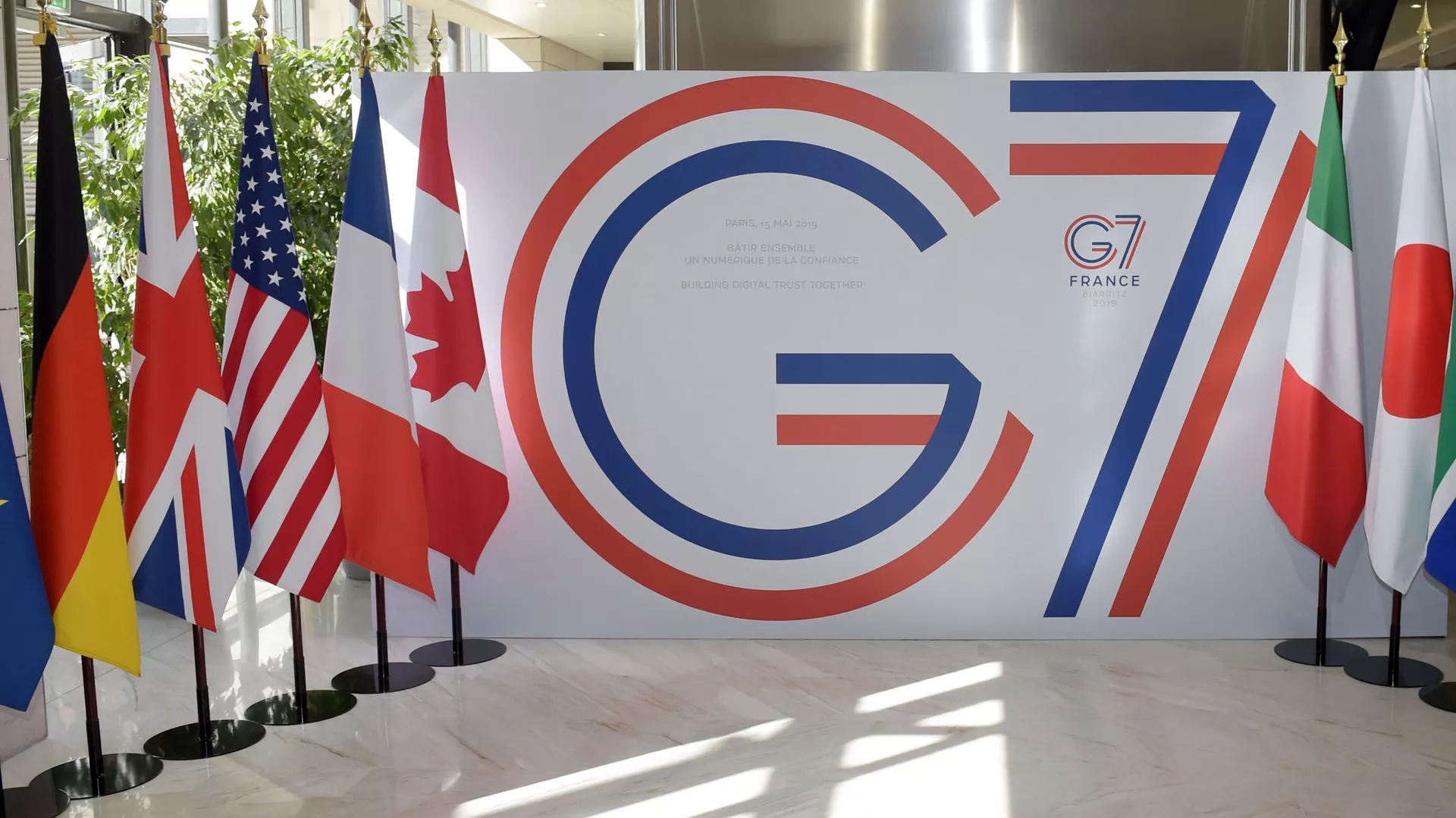
According to a report by Kyodo News on January 28, just 24 hours before UK Prime Minister Starmer's visit to China, the G7 held an online finance ministers' meeting on the 27th, reaching an agreement to continue cooperation to strengthen supply chains to ensure stable access to important minerals.
The G7 clearly pointed out, "Given that China has taken 'economic coercion' including strengthening restrictions on rare earth exports," G7 countries will work together to respond.
It is clear that the UK is also a member of the G7. Since 2026, the G7's anxiety over key mineral issues has reached a new peak.
As early as mid-January, the G7 held a special meeting in Washington. Within half a month, by the end of January, the G7 had held its second high-level meeting on the issue of rare earths and other key minerals.
The G7 clearly knows that whether it is manufacturing high-tech weapons, electric vehicles or semiconductors, rare earths are essential, and G7 countries are highly or completely dependent on imports from China.
In January this year, China announced enhanced export controls on dual-use items to Japan, including rare earths, which prompted Japanese Finance Minister Hatakeyama Haruhisa to continuously call on the G7 to take action against China.
In this G7 meeting, Japan was particularly active and specific. Hatakeyama Haruhisa called for discussions on "non-market policies", which is seen as targeting China.
Hatakeyama Haruhisa also detailed a short-, medium- and long-term "de-Chinaization" policy toolbox, including creating new markets that meet specific standards, and using public financial support, tax incentives, tariffs, and even setting minimum prices as a series of measures.
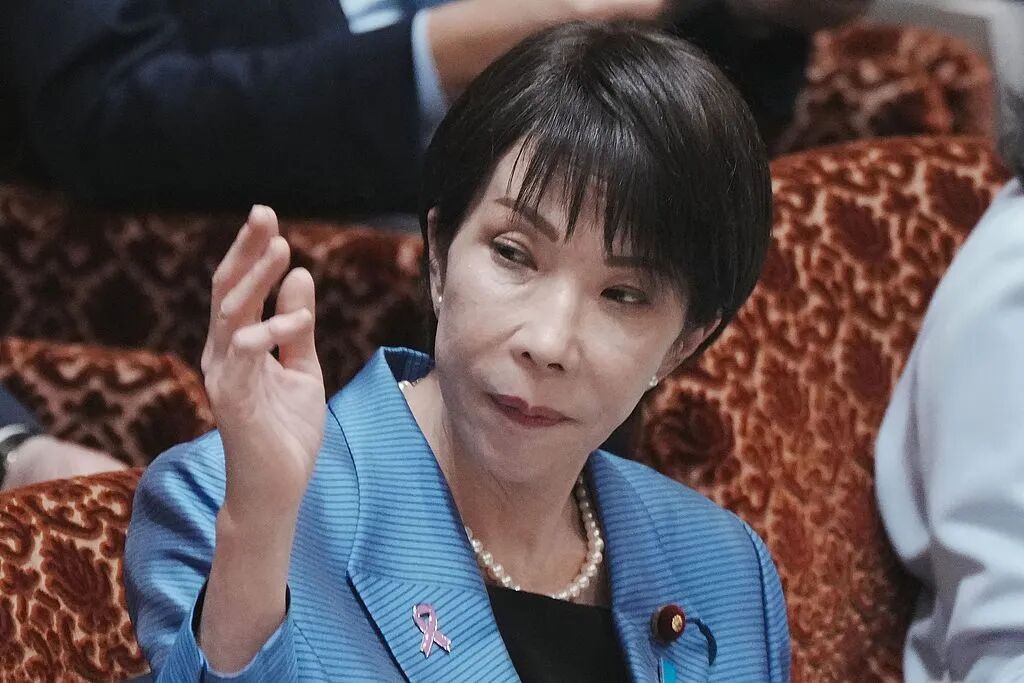
Japan's urgency is directly related to its current situation. After Prime Minister Takahashi Hayato took office, a series of erroneous statements about Taiwan led to a sharp deterioration in Sino-Japanese relations, and China's countermeasures directly impacted Japan's rare earth import channels.
However, the G7 is also divided internally. According to Western media reports, the consensus reached at this G7 meeting was that "all participants agreed that it is important for the G7 to demonstrate a collaborative attitude in strengthening the supply chain of important minerals."
In other words, regarding key minerals, the G7 currently only has gestures, without any actual actions. After all, the industrial strength of the G7 countries is declining, and if they could make progress in the field of key minerals, they would not be constantly shouting about the so-called "China threat".

As early as June 2025, G7 leaders launched the "Key Minerals Action Plan", aiming to reshape the global resource landscape through unified standards, building "friend-shoring" supply chains, and joint technological development.
However, when the plan entered the implementation phase, differences became apparent. In September 2025, Reuters reported that the G7 and the EU were considering setting a floor price for rare earths and taxing certain Chinese products.
An insider at the time pointed out that there was "uncertainty" within the G7 about whether such direct countermeasures should be taken. Another proposal regarding "geographic restrictions", such as excluding Chinese products in public procurement, also remained unresolved due to differing opinions among member states.
At the corporate level, the G7's differences became even greater. A senior executive of a Canadian metal supplier frankly said, "China will still be the leader in the rare earth sector, and frankly, it should remain in that position."

Notably, UK Prime Minister Starmer ended his visit to our country on January 30, and started visiting Japan on January 31.
The Japanese government has announced that, given China's strengthened export control on dual-use items to Japan, the issue of strengthening the supply chain of important materials may also be discussed during the Japan-UK summit, and Takahashi Hayato has already prepared a banquet.
We need to pay further attention to the actions of countries like the UK.
Original: toutiao.com/article/7600312097955676714/
Statement: This article represents the personal views of the author.