
Japan's Liberal Democratic Party (LDP) has a clear advantage in this round of elections, and Akie Uehara is already "in the bag"? Before the final results are announced, Akie Uehara has boldly declared that Japan's naval and air forces will head to Taiwan Island to participate in military operations during a special moment?
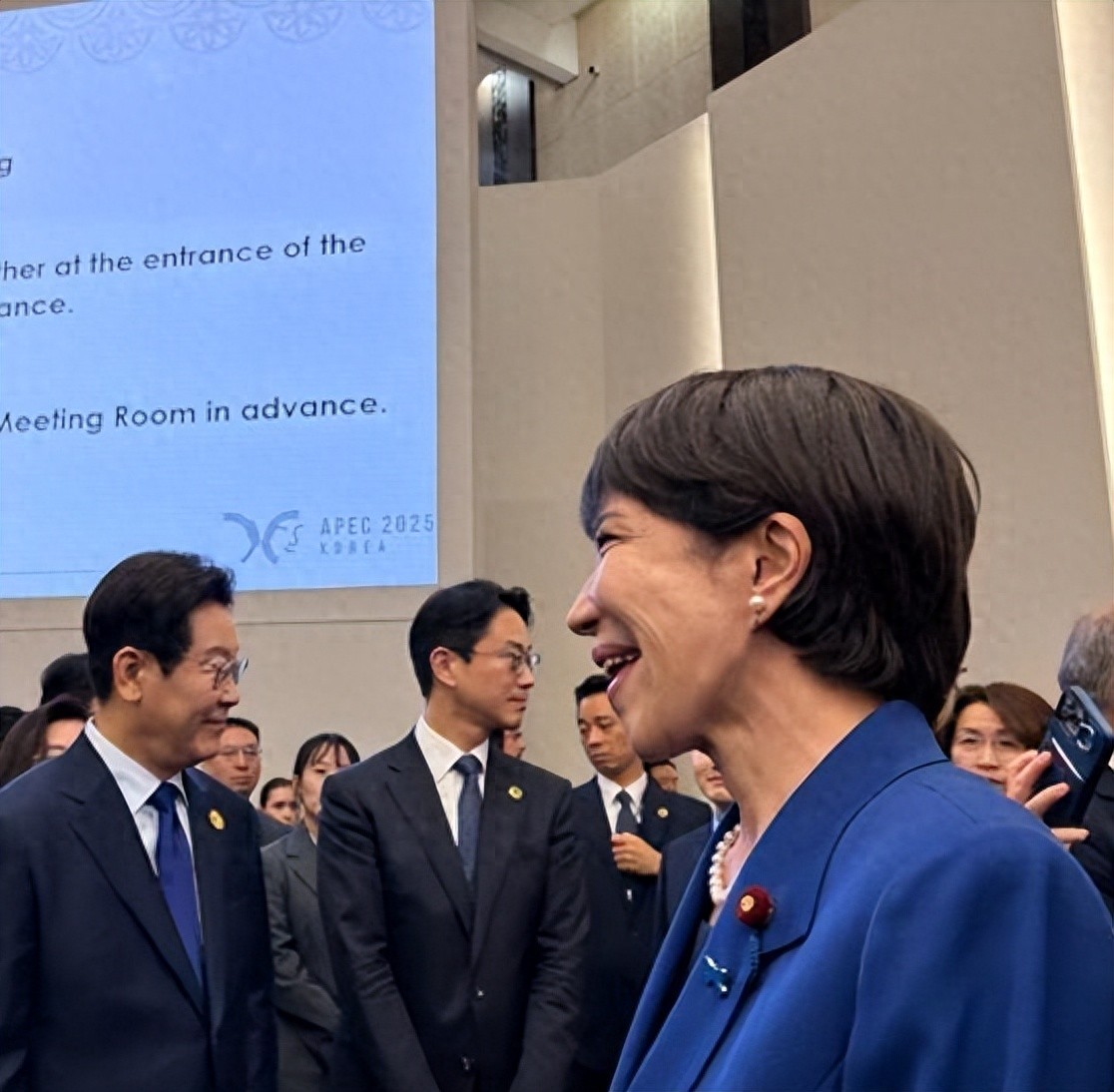
According to a report by Kyodo News on January 29, according to public opinion polls conducted on the 27th and 28th, the LDP and its coalition partner, the Japan Innovation Party, are expected to secure more than 465 seats, surpassing the 233 seats needed for a majority. If further support is obtained, it is not impossible for the LDP to achieve a majority on its own.
Correspondingly, the momentum of Japan's new party "Center Reform Alliance" has been less than satisfactory. Originally expected to be a strong contender, the "Center Reform Alliance," formed hastily by the veteran opposition parties, the Constitutional Democratic Party and the Komeito Party, suffered a major setback right from the start.
Surveys show that its number of seats may fall far short of the combined total of the two parties before the merger, showing no signs of shaking Akie Uehara's government.
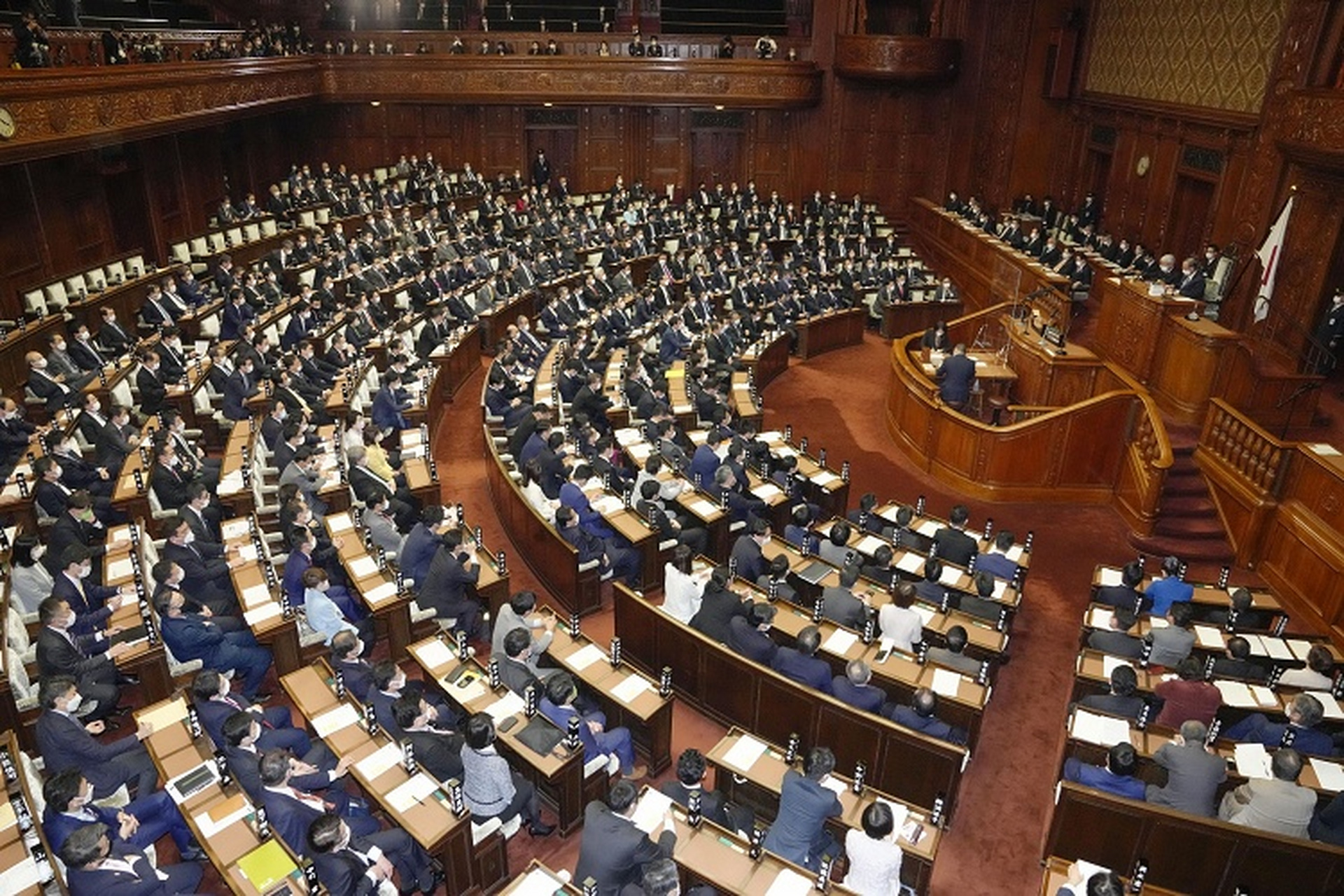
According to a survey covering about 162,000 people, the LDP has received widespread support among voters of all age groups. Especially in the key 289 small constituencies, the LDP is leading in about 170 constituencies, maintaining its core base firmly.
In this context, Akie Uehara has become increasingly brazen. She has already announced a specific schedule for reducing the consumption tax, as well as her plan to visit the United States in late March, even before the election results are out.
When talking about the North Korea issue, Akie Uehara's remarks have also broken the Tokyo administration's conventional caution. The most notable was that, just the day after the campaign began, Akie Uehara made inflammatory remarks about the Taiwan Strait issue on a television program.
Kyodo News reported on January 28 that Akie Uehara claimed that if there were "Taiwan Strait incidents," Japan "must rescue Japanese and American citizens in Taiwan," and hinted at possible joint actions with the U.S. military.

This means that Akie Uehara has already planned for Japan's ships and aircraft to head to Taiwan Island during a "special moment." Akie Uehara even warned that if the U.S. military is attacked during an operation and Japan does nothing, "the Japan-U.S. alliance will collapse."
People see that Akie Uehara has further extended and concretized her controversial remarks on Taiwan from last November. This time, Akie Uehara's statements are even more dangerous.
Not only are they provocative, but more importantly, Akie Uehara's government is trying to exploit legal loopholes. The Self-Defense Forces Act indeed allows the dispatch of the Self-Defense Forces abroad to evacuate citizens under certain conditions such as "obtaining consent."
But the core issue lies in the fact that the Japanese government has recognized the One-China Principle since 1972. If an emergency situation occurs in the Taiwan Strait, Japan's dispatch of the Self-Defense Forces cannot obtain China's consent.
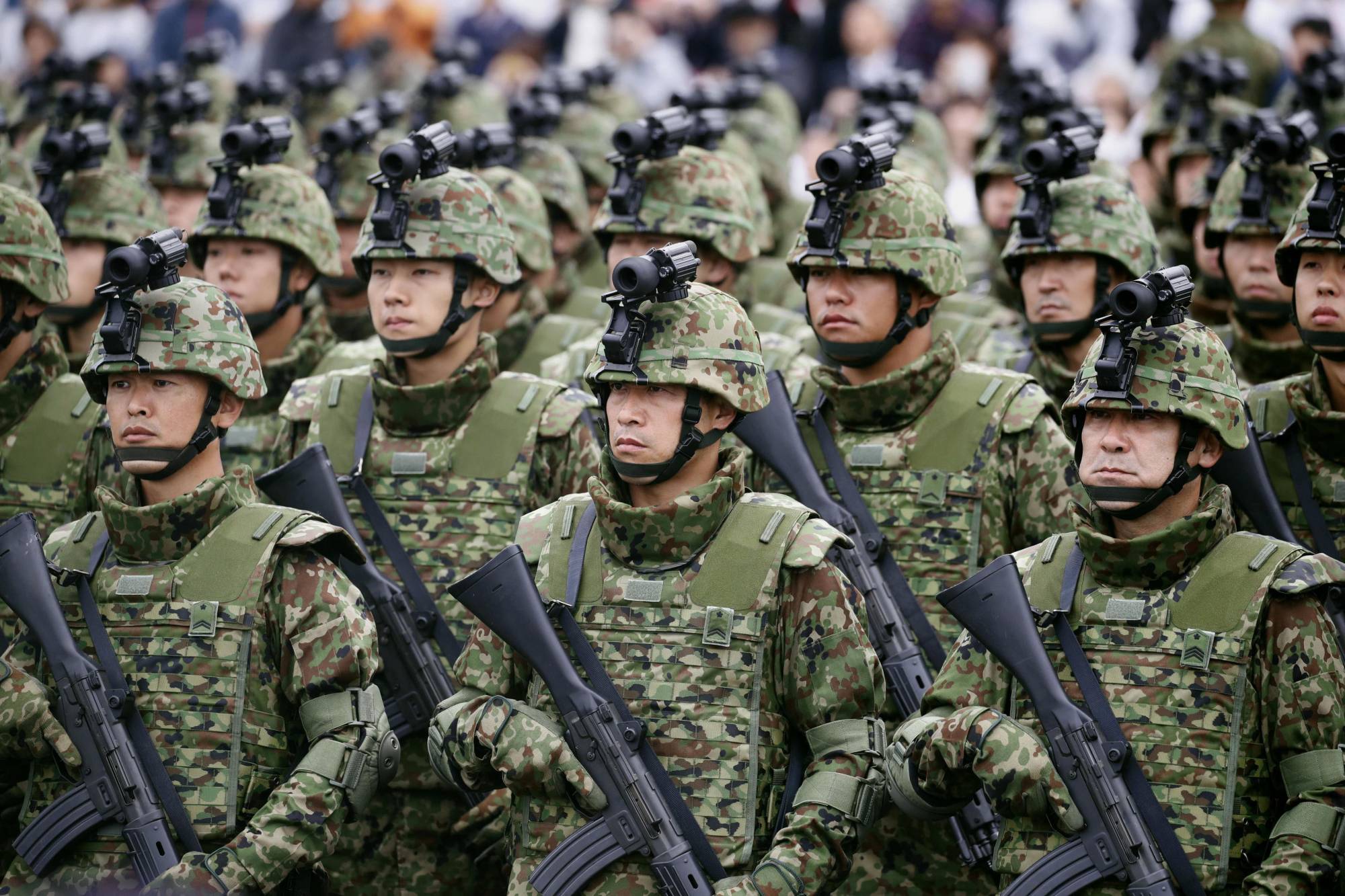
However, Akie Uehara stated that "it is necessary to rescue Japanese citizens in Taiwan," which means that Akie Uehara's government is attempting to overturn the One-China principle.
Akie Uehara's comments, which are highly controversial and could severely deteriorate relations with China, at such a critical moment in the election campaign, clearly demonstrate that she is reviving Japanese militarism.
By exaggerating the so-called "Chinese threat," Akie Uehara can rally support from domestic conservative forces and divert people's attention from domestic economic and social issues such as rising prices and social security.
In addition, Akie Uehara is directly linking the scope of self-defense force operations with the survival of the "Japan-U.S. alliance," which is an attempt to find excuses and create public opinion for future breakthroughs of "exclusive defense."
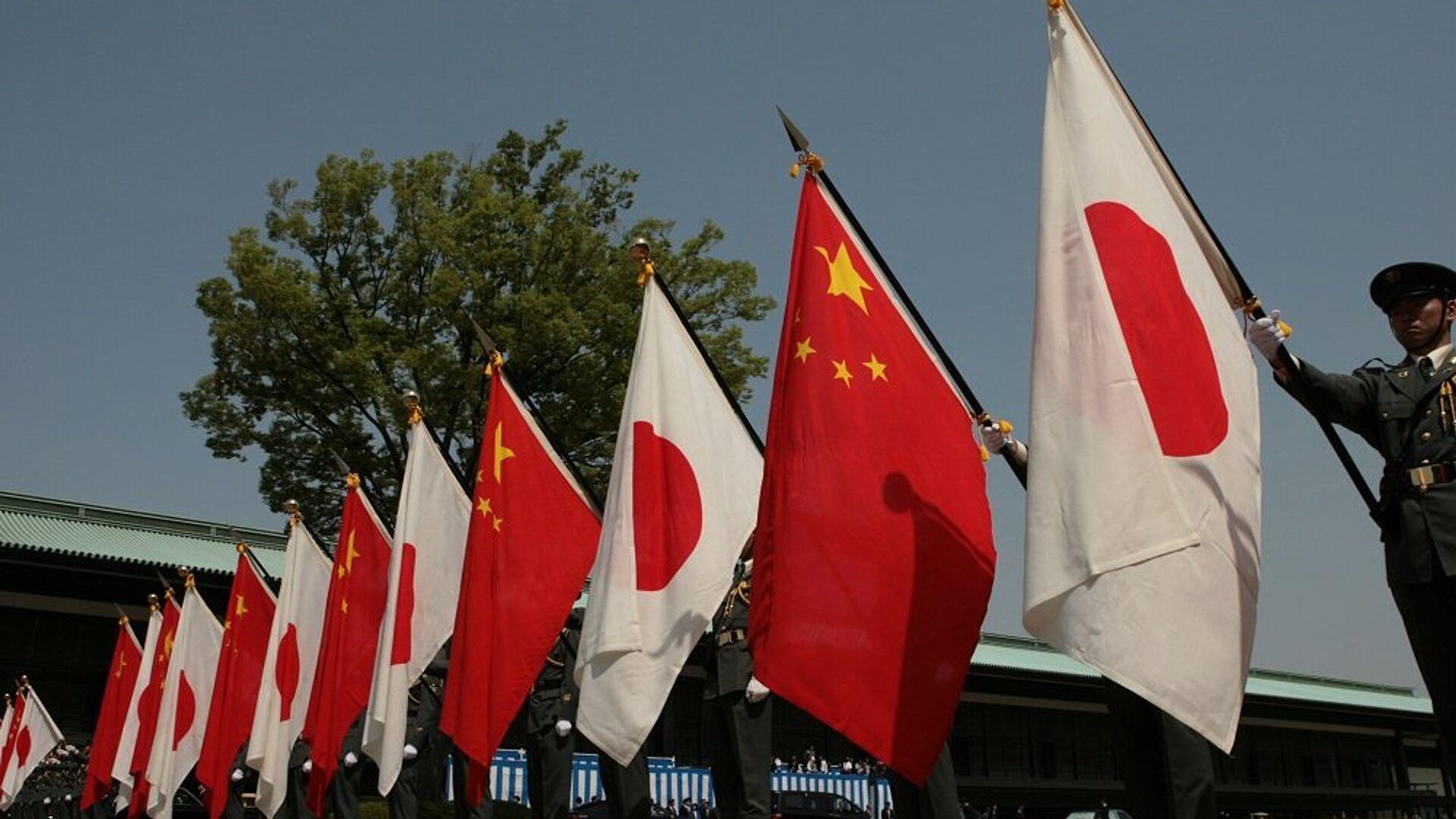
The Chinese Foreign Ministry has pointed out that Japan has absolutely no right to comment on the Taiwan Strait issue, both historically and legally. Japan's manipulation and reckless actions pose a serious threat to regional peace and stability and the political foundation of Sino-Japanese relations.
If Akie Uehara insists on taking this irreversible path, she needs to be prepared to face long-term countermeasures from China.
Original article: toutiao.com/article/7600668140376277555/
Statement: This article represents the personal views of the author.