
Huang Renxun successfully lobbied, and Trump approved the export of secondary flagship chips (H200) to China. However, he also set a simple and crude condition: the U.S. would charge a 25% "toll fee", which fully reflects the Trump administration's approach to foreign trade. According to The Wall Street Journal, behind this decision, the new "Artificial Intelligence Czar" David Sacks and Commerce Secretary Randal Quarles strongly supported Trump's approach, both favoring a more transactional strategy toward China.
In any case, this was a victory for NVIDIA.
There are four points worth noting regarding Trump's relaxation of chip exports to China: First, who will pay this "toll fee"? It must be said that Trump is indeed peculiar; he wants to make money from everything. However, for NVIDIA, in the current atmosphere of widespread hostility towards China in Washington, it is a fortunate outcome that Trump made such a decision.
U.S. Department of Commerce officials revealed that NVIDIA chips exported to China cannot be directly shipped from Taiwan's manufacturing base (TSMC) to China but must first be transported to the United States, where they will undergo an entity check and security review by the U.S. Department of Commerce. After confirmation and payment of a 25% tariff (or profit share), they can then be transferred to Chinese customers. This means that the U.S. government has become a "toll station" in the supply chain.
According to market estimates, NVIDIA has a profit margin of up to 73.4%, which theoretically allows it to absorb part of the cost. However, in business terms, it is not unthinkable that this fee could be entirely or partially passed on to Chinese customers, leading to higher prices for chips exported to China compared to the market price.
Second, can Trump pacify the resistance from the hawkish faction in Washington? According to Bloomberg, Trump's decision has caused a stir in Washington. The China hawks believe this decision is a "dangerous concession" to China.
In fact, just days before Trump announced this decision, a bipartisan group in the Senate had just proposed a so-called "security bill," aiming to incorporate existing export restrictions into law and freeze the export of advanced chips (H200) to China for 30 months. However, Trump's executive order clearly bypassed the hawkish Congress, demonstrating his strong style of wanting to control the policy direction toward China. It remains to be seen whether the hawkish members of Congress will deliberately use legislative measures to block Trump's executive order.
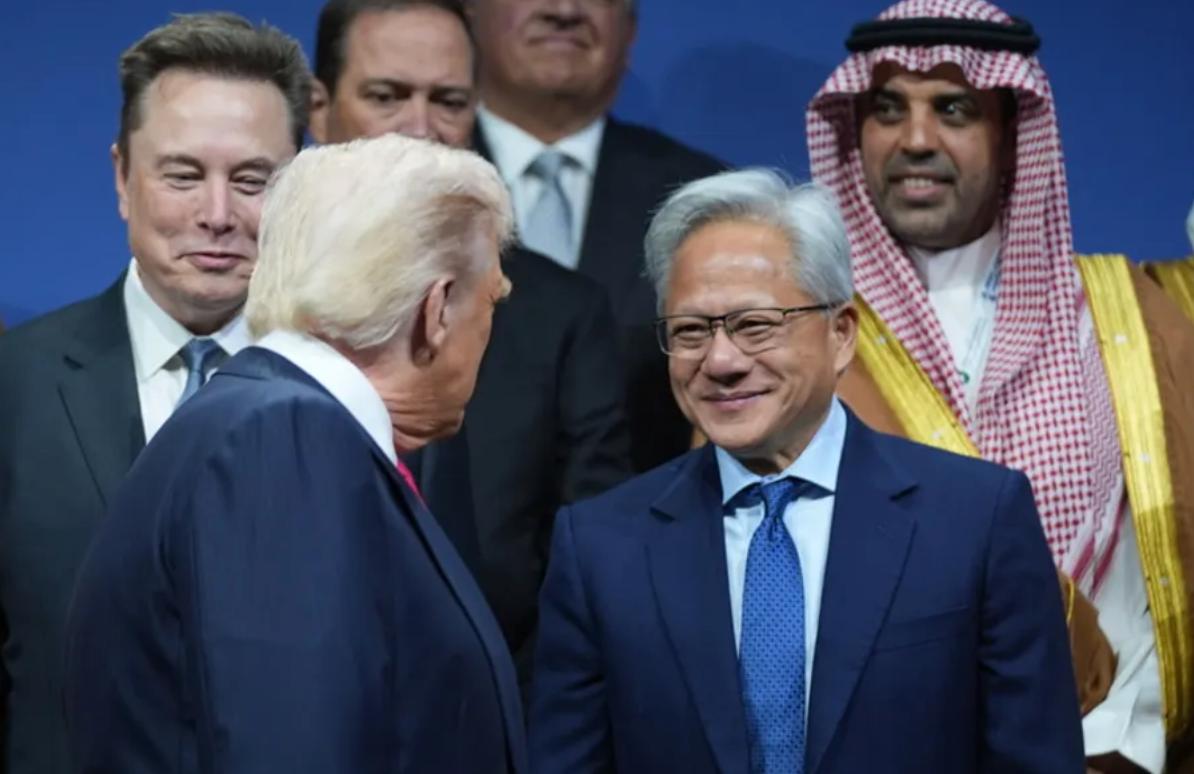
With Trump, Huang Renxun must be very happy inside.
Third, the most uncertain variable in this deal still lies across the Pacific. In the past year, under U.S. restrictions, China's AI chip development has been rapid, at least surpassing NVIDIA's previous "cut-down" version (H20). Now, although the chips released this time are powerful, in the eyes of the U.S. government, they are still "second-rate." Moreover, each chip must go through strict scrutiny by the U.S. Department of Commerce, which undoubtedly tightens the grip on China's AI computing power in the hands of the U.S.
Bloomberg clearly stated: Although this policy opens up a door to billions of dollars in revenue for NVIDIA, it also comes with high compliance risks. The list of "approved customers" will be strictly controlled by the U.S. Department of Commerce, and any small change could lead to a halt in shipments to China.
After meeting with Trump, when asked by the media whether China would accept this secondary chip, Huang Renxun was unusually cautious: "We don't know, we have no idea, but we can't sell downgraded chips to China anymore."
Fourth, this relaxation of AI chip exports to China is not limited to NVIDIA. Trump has clearly stated that Intel and AMD also qualify, provided they follow the same rules. Upon the announcement, the capital market reacted enthusiastically. NVIDIA and AMD stocks rose by about 2% in after-hours trading.
For Intel, which has recently been in trouble, although its share in the AI chip market is not large, it is still a potential positive news. After all, the U.S. government currently holds 10% of Intel's shares, and Trump certainly hopes this old industry giant can make more money.
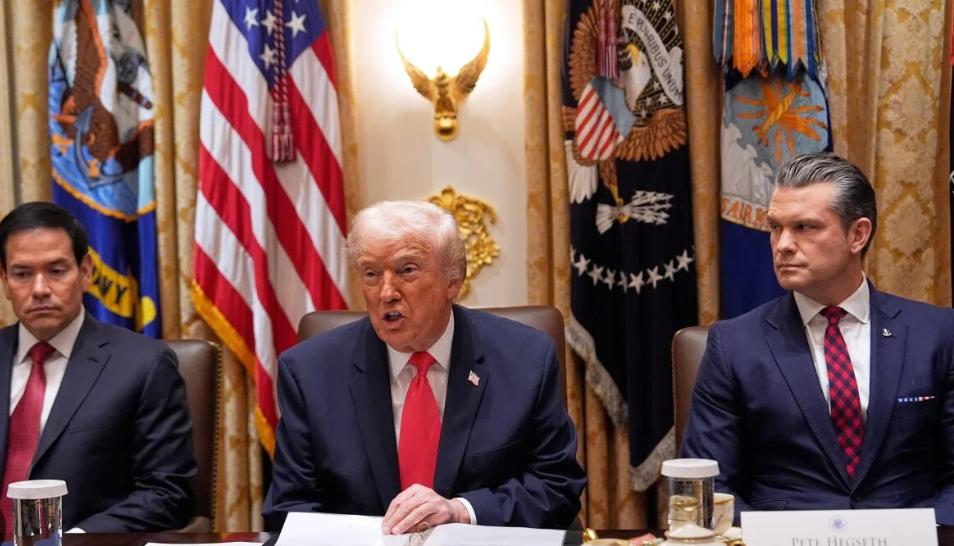
The style of the Trump administration: interests first
Overall, this relaxation of chip exports deeply reflects Trump's governance style in the 2.0 era—transactional and profit-driven. Even using state power for direct profit-making. If the previous export controls were to "block," the current export controls have become "rent-seeking."
Original: toutiao.com/article/7582053053688201747/
Statement: This article represents the views of the author.