
Why did the Australian government suddenly change its stance and consider reclaiming Darwin Port leased to Chinese enterprises? What does Ambassador Xiao Qian's statement from China's embassy in Australia mean? What is the more tactful statement from the Chinese Foreign Ministry reminding Australia of?
According to Bloomberg, Ambassador Xiao Qian stated on January 28 in Canberra that if Darwin Port was reclaimed through forced sale, Beijing has "an obligation to protect the legitimate rights and interests of Chinese enterprises overseas," and "we will make statements or take actions at an appropriate time to reflect the position of the Chinese government and demonstrate our determination and position to protect the legitimate rights and interests of Chinese enterprises."
After issuing a warning to the Australian government, Ambassador Xiao Qian also emphasized that he hopes the relevant issues can be properly resolved, showcasing Australia's willingness to welcome Chinese investment.
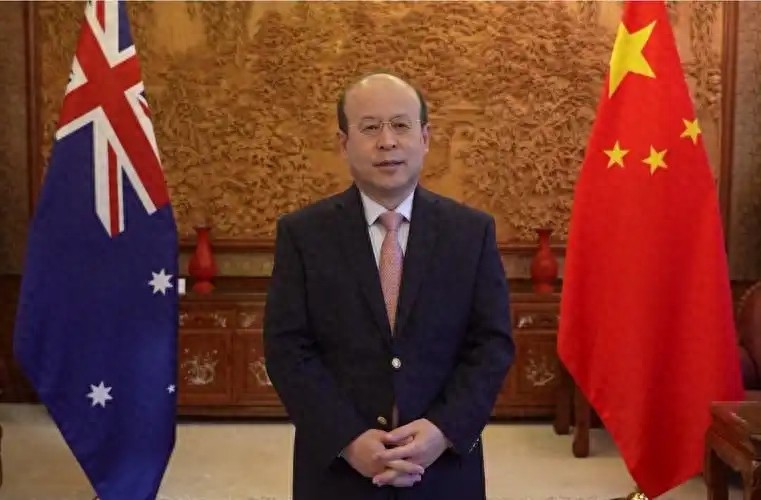
Embassy Ambassador Xiao Qian
At the regular press conference held by the Chinese Foreign Ministry on January 28, Reuters asked Ambassador Xiao Qian about his remarks and questioned how China views the related statements in the report. Guo Jia Kun stated that China is willing to reiterate that the Chinese enterprise obtained the lease of Darwin Port through market-based means, and its legitimate rights and interests should be fully protected.
Evidently, both Ambassador Xiao Qian and Guo Jia Kun expressed the same message, which is that they do not want Australia to breach the contract and forcibly reclaim Darwin Port leased to Chinese enterprises. Compared with Xiao Qian's statement, Guo Jia Kun's expression is more tactful, meaning that the Chinese enterprise obtaining the lease of Darwin Port is a market-driven action, and its legitimate rights and interests should be fully protected; forcibly reclaiming it would damage Australia's international credibility.
In fact, the Australian government had already considered reclaiming Darwin Port as early as April last year. At that time, then-Prime Minister Albanese, who was seeking re-election, claimed that Darwin Port must be under the control of Australians, and the government was developing a plan to regain control.
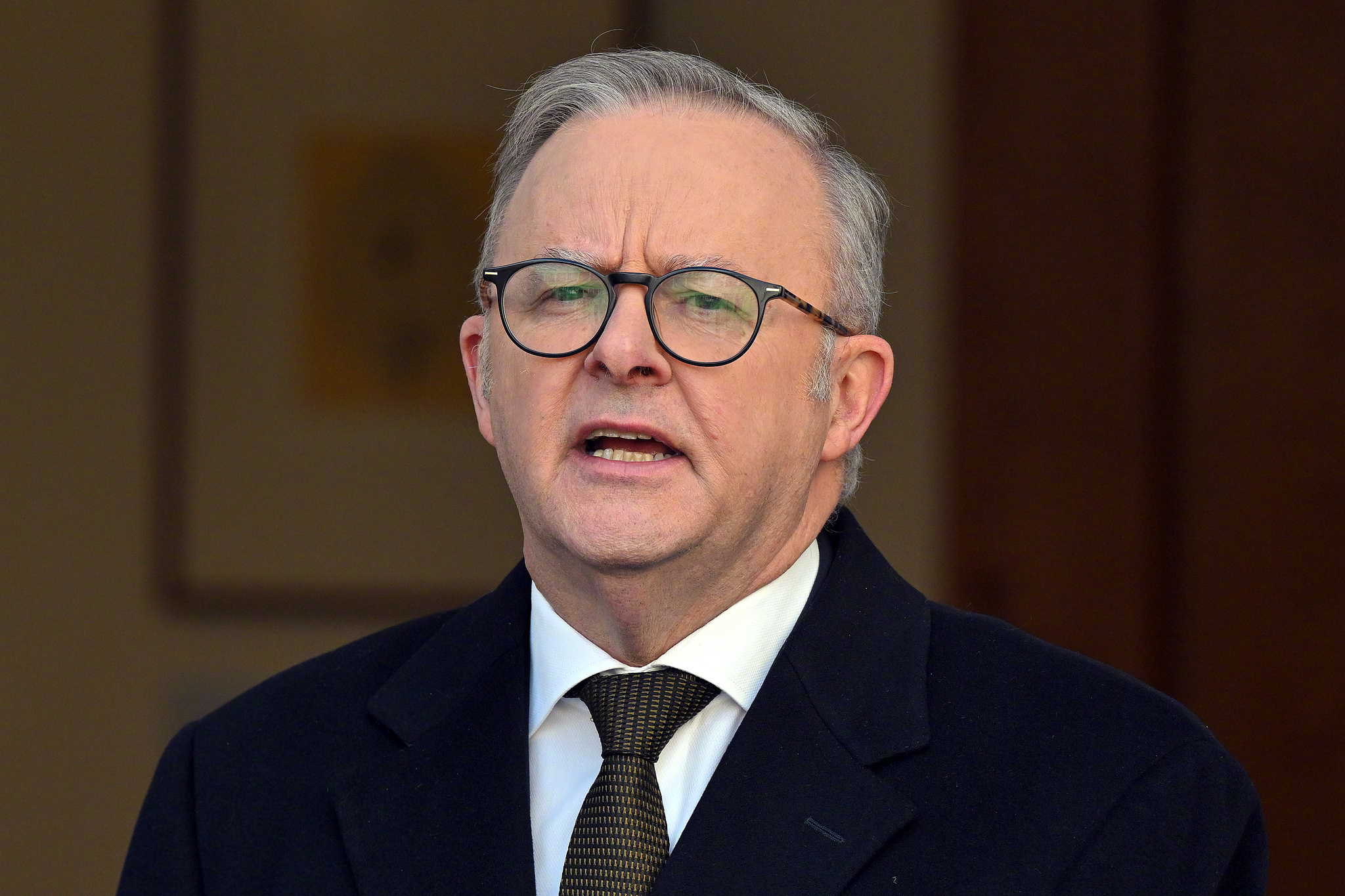
Albanese
The mainstream view in Australia is that Darwin Port has strategic significance. In plain terms, this means that the port is considered to involve national security issues and should not be in the hands of Chinese enterprises, but rather controlled by Australians or their trusted partners.
However, the Albanese government faces two major difficulties in reclaiming Darwin Port. First, there is a 99-year lease agreement with Chinese enterprises, and arbitrarily breaching the contract would severely impact Australia's international credibility, especially at a time when it is hoping to strengthen Sino-Australian economic cooperation. Offending China on this issue would certainly be detrimental to Australia.
Second, Chinese enterprises are backed by China. To reclaim Darwin Port, the approval of China is essential. However, the current situation is that whether it is Ambassador Xiao Qian or the Chinese Foreign Ministry, they have clearly expressed their "disagreement" stance. If Australia forcefully reclaims the port, it will inevitably affect Sino-Australian economic cooperation.
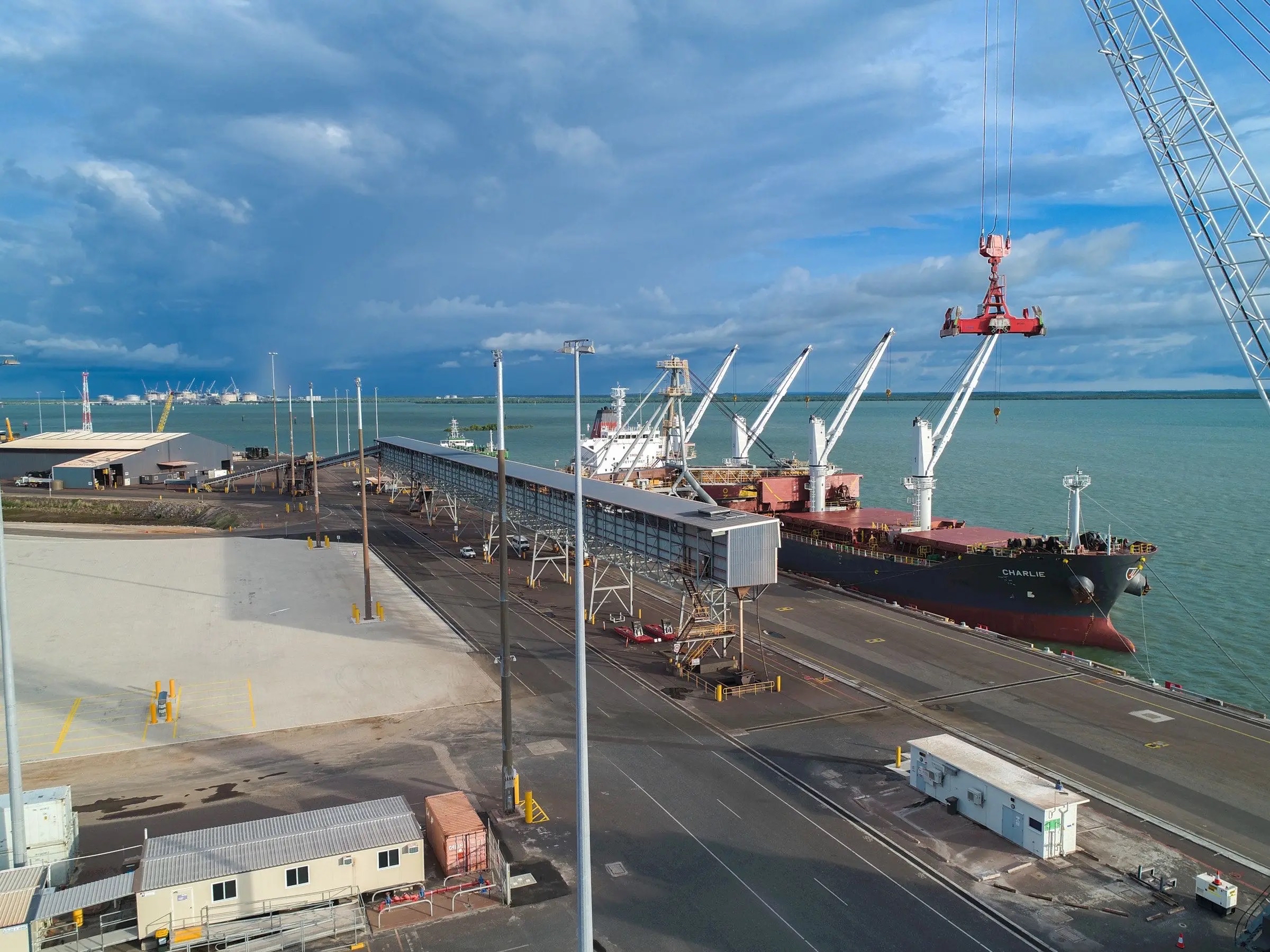
Darwin Port
In other words, after China made consecutive statements on January 28, the position has been clearly stated, and the Albanese government must handle the issue of Darwin Port with caution. Any action that harms Chinese interests will invite retaliation from China.
As for the methods of retaliation, Ambassador Xiao Qian has already made it very clear. He said, "We hope the relevant issues can be properly resolved to demonstrate Australia's willingness to welcome Chinese investment." The implication is that if Australia persists in breaking the contract, China will have no choice but to halt Chinese enterprises or capital investments in Australia.
Frankly speaking, this is a serious warning. During the term of former Prime Minister Morrison, Australia followed the United States in opposing China, and the consequence was the complete collapse of Sino-Australian economic cooperation. It was only after Albanese took office that Sino-Australian relations were restarted.
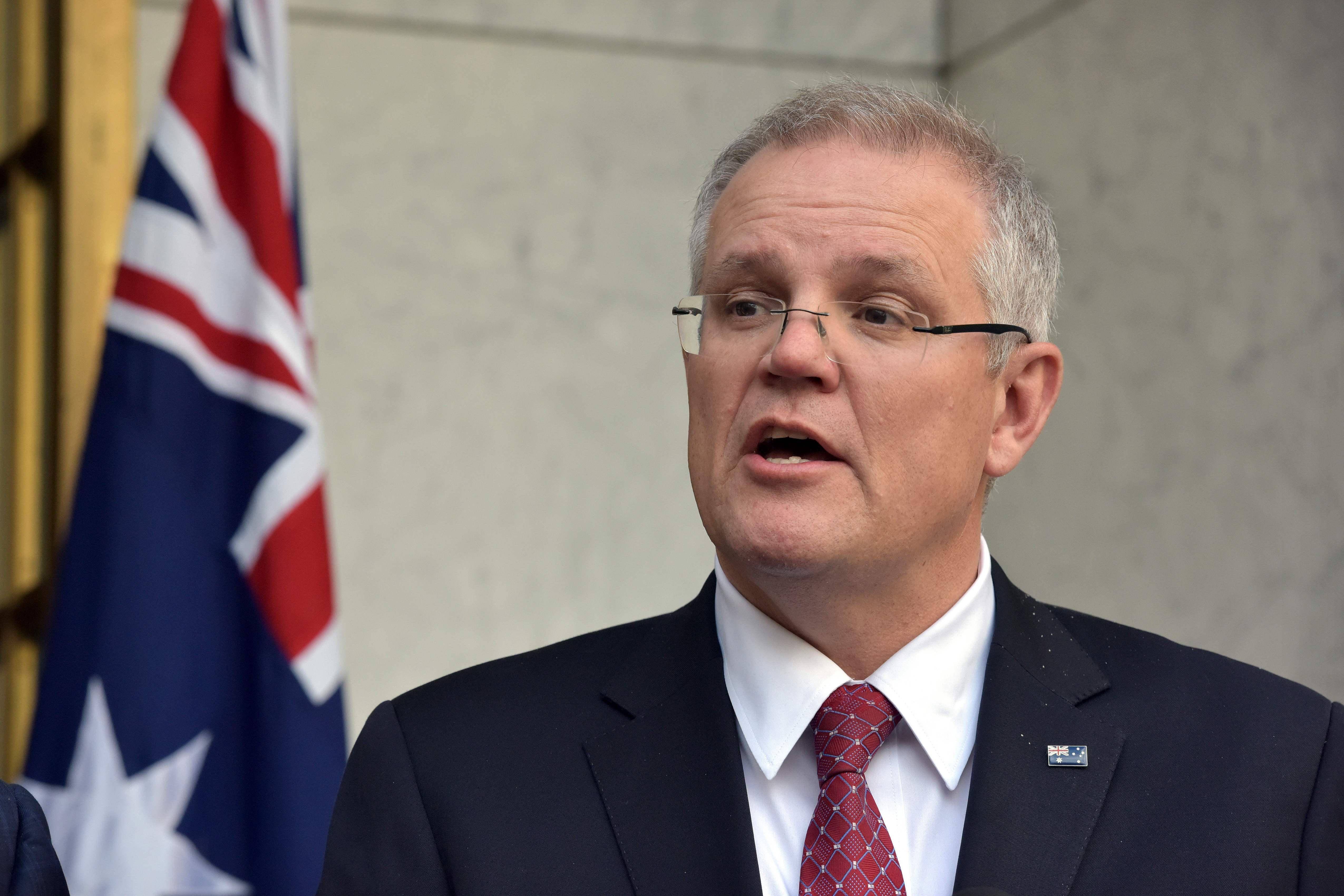
Morrison
If Albanese doesn't want to follow in Morrison's footsteps, he should heed China's advice, fully respect the legitimate rights and interests of Chinese enterprises operating in Australia. Otherwise, if Sino-Australian relations deteriorate, it will not be easy for Albanese to reverse the situation again.
Original: toutiao.com/article/7600314088421343750/
Statement: This article represents the personal views of the author.