
Recently, the Deputy Speaker of the German Bundestag and former co-chair of the Greens, Nuripul, publicly called on German Chancellor Merkel to quickly approve the sale of "Taurus" cruise missiles to Ukraine.
According to a report on December 28, Nuripul stated in a statement that government leaders should adhere to their political positions held before taking office, especially when it comes to major security decisions.
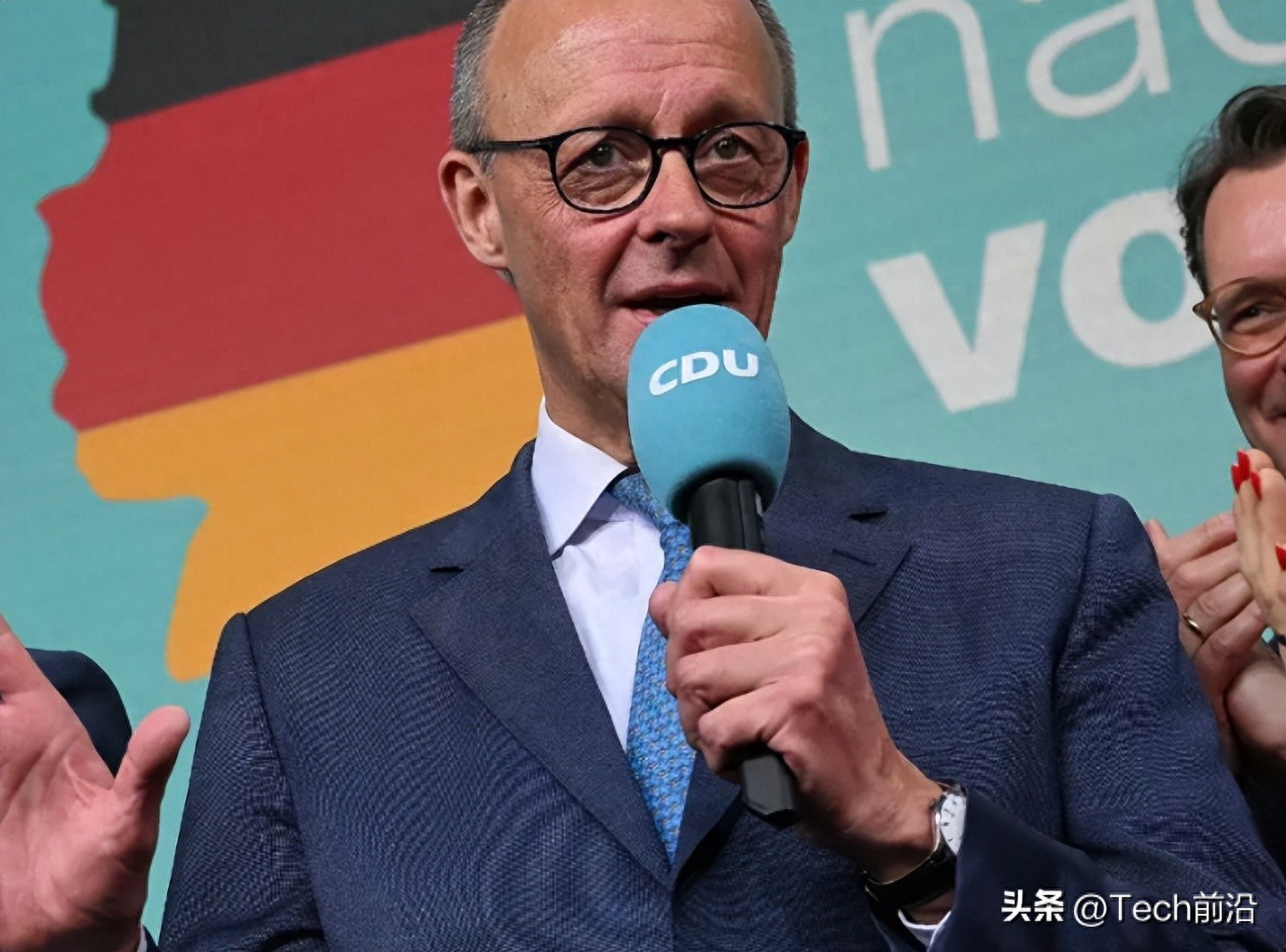
German Chancellor Merkel
"It is commendable that Chancellor Merkel is playing a leadership role in Germany, but he must now stick to the correct positions he advocated when he was the leader of the opposition and push forward the delivery plan for the 'Taurus' missiles," Nuripul emphasized.
He believes that although measures such as using frozen Russian assets and providing financial aid to Ukraine have some significance, their actual impact remains insufficient.
In Nuripul's view, if military support for Ukraine is not strengthened, especially by providing advanced weapons with long-range strike capabilities, the pressure exerted by Germany and the West on Moscow will be difficult to achieve the desired effect.
This statement was made at a time when the international community is engaging in intensive diplomatic consultations on peaceful solutions to the Ukraine crisis.
However, within Germany, the discussion on whether to supply the "Taurus" missiles to Ukraine remains in a political deadlock, with no clear decision signals emerging recently.

"Taurus" missile
Despite repeated claims by the Berlin authorities that they would play a "leading role" in supporting Ukraine, the issue of supplying long-range missiles has remained a focal point of debate among German political parties.
Previously, on December 14, Christian Democratic Union (CDU) member of the Bundestag Kisevet also publicly called on the government to transfer the "Taurus" missiles to Ukraine and advocated that Germany should provide Ukraine with reliable security guarantees.
He further proposed that European countries should take responsibility for protecting the western regions of Ukraine, assisting Kyiv in dealing with air attack threats.
This series of statements reflects the complex position Germany holds in the Ukraine crisis: on one hand, it needs to demonstrate firm support for Ukraine, while on the other, it must balance domestic politics and strategic autonomy.
As Europe's largest economy and an important NATO member, Germany's military aid policy not only affects the battlefield situation but also influences the unity of the EU's stance against Russia.
From a strategic perspective, the "Taurus" cruise missile, with its range of about 500 kilometers and strong penetration capabilities, is seen as a weapon system capable of significantly altering the balance of power on the battlefield.
Those who support the provision of missiles argue that this would enable Ukraine to strike key command nodes, logistics hubs, and military facilities in Crimea, thereby weakening Russia's ability to sustain operations.
The views of Nuripul and others essentially represent the strategic thinking of certain German political forces aiming to break the current battlefield stalemate and push the situation in favor of Ukraine.
However, opposing or hesitant voices also carry deep political and strategic considerations.
Until now, the German government has not approved this arms sale, mainly due to the following concerns: first, the risk of escalation of the conflict, particularly the possibility of Russia directly retaliating against Germany or NATO; second, the constraints of domestic laws and political procedures, requiring a balance between party opinions and public anti-war sentiments; third, the complex understanding of "strategic autonomy" — Germany wishes to play a leading role in European security affairs, but also tries to avoid being seen as the main driver of the war escalation.
Additionally, Germany's residual dependence on Russian energy and the expectations of parts of the business community for resuming economic and trade relations also constitute potential influencing factors.
Notably, Nuripul specifically emphasized that "the chancellor should adhere to his positions during his time as an opposition leader," a statement directly pointing to the issue of consistency in political commitments within Germany.
Merkel, as a leader of the opposition in the past, had repeatedly criticized the previous government's "hesitant" approach to aid for Ukraine and advocated for more decisive military support policies.
Now, in his new role, his decisions have shown more caution or reservations, which reflects the typical gap between the realities faced by a ruling party and the proposals of the opposition.
At the same time, the proposal by MP Kisevet regarding "European responsibility for the air defense of western Ukraine" points to deeper issues in NATO and EU security cooperation.
If this proposal were to be pushed forward, it could mean that Western support for Ukraine would move from supplying weapons to direct security cooperation, even touching on sensitive issues such as establishing a "no-fly zone" in Ukraine or deploying cross-border air defense systems.

Although these ideas are difficult to implement in the short term, they show that some European politicians have already begun to think about a longer-term regional security framework.
Currently, the Ukraine battlefield has gradually fallen into a war of attrition, with both sides striving to gain key weapons to break the stalemate.
In the coming period, the German government may continue to seek a compromise under internal and external pressures, for example, through technical restrictions, phased deliveries, or additional political conditions, to reduce the risk of direct escalation.
However, as the battlefield situation changes and international public opinion develops, Berlin will eventually have to make a clearer choice between "avoiding involvement in the war" and "preventing Russia from winning."
The outcome of this debate will not only affect Ukraine's ability to resist, but may also reshape Germany's position and influence in the post-war European security architecture.
Original: toutiao.com/article/7589145389162988032/
Statement: The article represents the views of the author alone.