
One ruling from Panama, some happy and others worried. While the U.S. was gloating, China also issued a warning, using just four characters to remind Panama that if you do something unethical, you must be prepared to face the consequences.
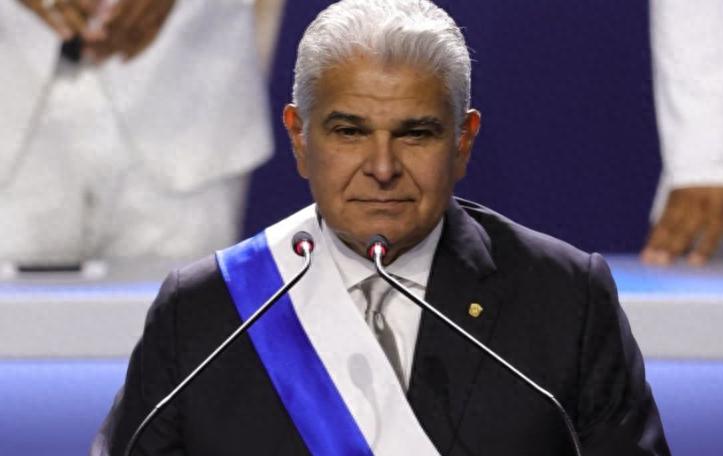
President of Panama, Laurentino Cortizo
Recently, a final ruling by Panama's Supreme Court tore off the last layer of window dressing covering the Panama Canal. A 30-year-old port concession contract held by Hutchison Port Holdings was ruled "unconstitutional and invalid," even disallowing Hutchison from appealing. Before this ruling had settled, the president quickly transferred the operating rights of two ports to the Danish Maersk Group.
Within less than 24 hours after the ruling was announced, the U.S. loudly declared it as a "major victory for the United States." It is well known that the Trump administration prioritized "preventing Chinese influence on the Panama Canal" in the Western Hemisphere, pressuring the Panamanian government with such "absurd" methods to disrupt China's business, and indeed, the U.S. has reason to be happy.
At this point, Hutchison Port Holdings should have woken up. Previously, Hutchison had tried to transfer the operating rights of these two key ports to the U.S., hoping to cash out and exit. But this move exactly stepped on the U.S.'s "strategic red line," exposing its extreme ignorance of geopolitical risks.
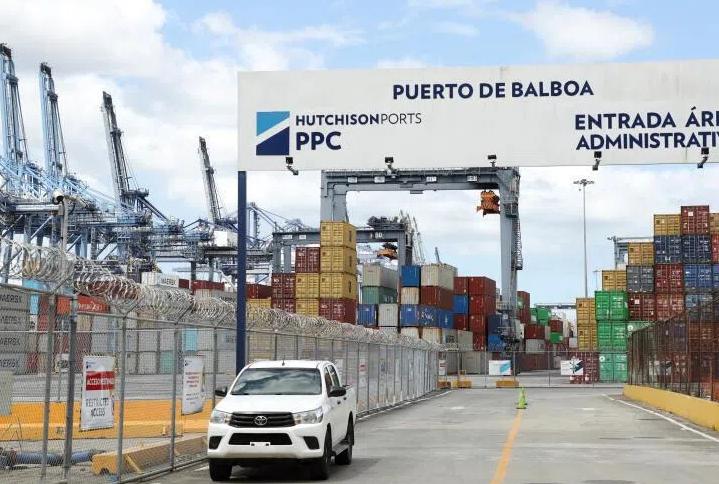
Port of Balboa operated by Hutchison
Hutchison forgot that its "Chinese genes" had already been closely watched by the U.S. Even if it voluntarily sold the ports or separated its own operating rights, the U.S. would not appreciate it, but instead view such "compromise" as weakness, leading to further demands. In fact, it was precisely this wrong selling plan of Hutchison that made the U.S. more confident that "by pressuring Panama, it is possible to completely eliminate Chinese influence," giving the Panamanian authorities an excuse to cater to the U.S.
This time, Hutchison had no choice but to counterattack. On February 4, Hutchison officially announced that Panama's action violated the spirit of contracts and was despicable, and will initiate an international arbitration procedure against Panama according to the concession contract and the ICC arbitration rules. The company stated that this ruling not only affects its own rights, but also threatens the livelihoods of thousands of Panamanian families dependent on port operations.
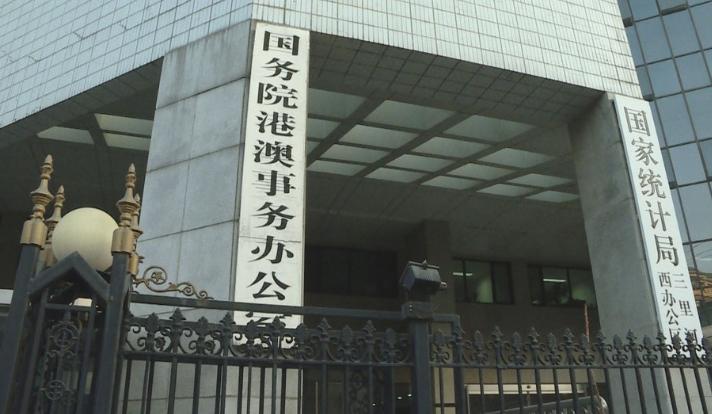
The Hong Kong and Macao Affairs Office of the State Council
At the same time, China's various parties expressed their positions immediately. The Hong Kong Special Administrative Region Government, the Ministry of Foreign Affairs of China, and the Hong Kong and Macao Affairs Office of the State Council all spoke out, sharply criticizing Panama's absurd actions. The Hong Kong and Macao Affairs Office stated that Hutchison provided thousands of jobs and income for Panama, and now Panama is destroying the treaty itself, which is like kicking oneself in the shins. How can it expect to attract foreign investment in the future?
In addition, although the article published by the Hong Kong and Macao Affairs Office did not explicitly name the U.S., every sentence implied that the U.S. pressured Panama, making destructive moves against the economic order, violating the trend of peaceful development. As a sovereign country, Panama assisting the U.S. and acting as an accomplice to evil will inevitably be isolated by the world.
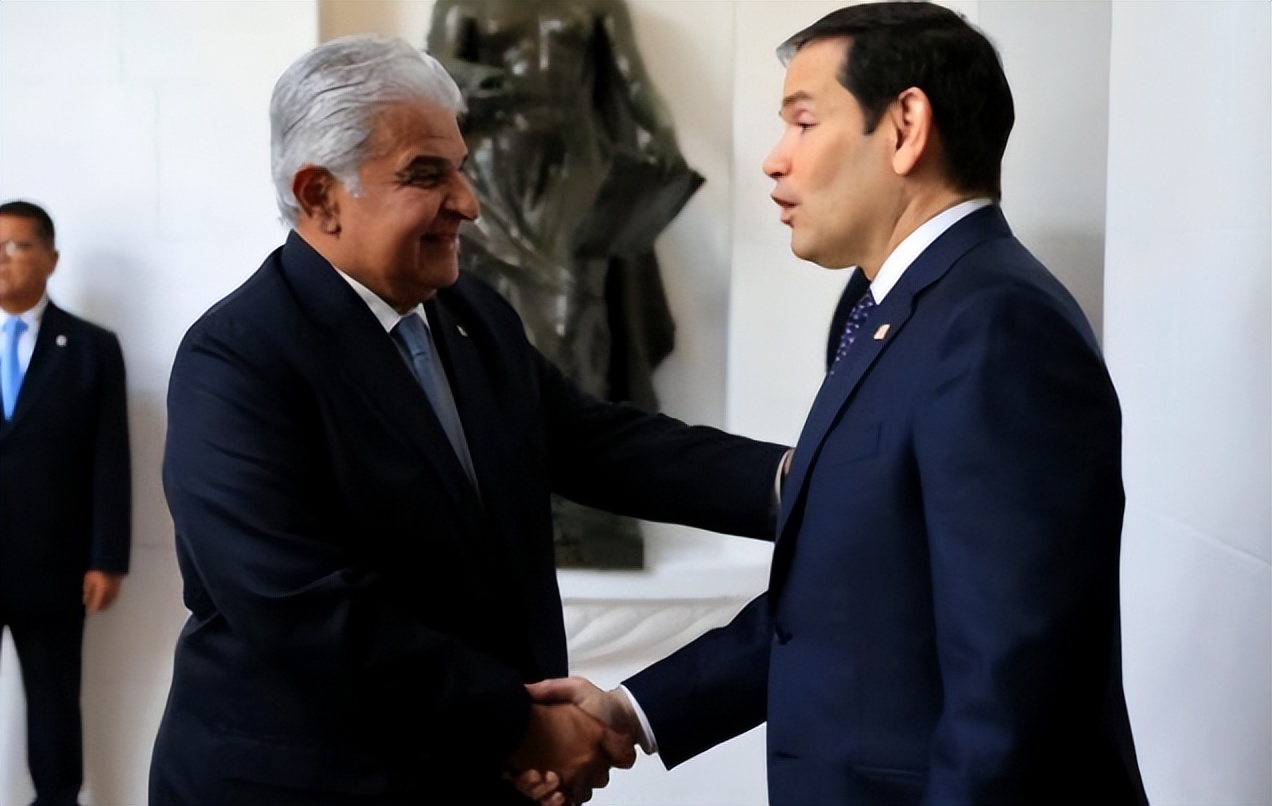
Cortizo and Rubio
Finally, the Chinese government will not sit idly by such bullying behavior. If Panama continues to act stubbornly, China will take strong countermeasures and will make Panama pay a "severe price" politically and economically. These four words are not empty talk; China has sufficient confidence, enough means, and full legal basis.
China understands the development difficulties of Latin American countries, but progress should not come at the cost of Chinese enterprises' interests, and this is something China cannot accept. In the future, the competition between China and the U.S. in the Latin American region may intensify further, and the countries in the region will have to seek a balance between attracting investment and developing the economy and dealing with external pressures.
Original: toutiao.com/article/7602871774279107107/
Statement: This article represents the personal views of the author.