
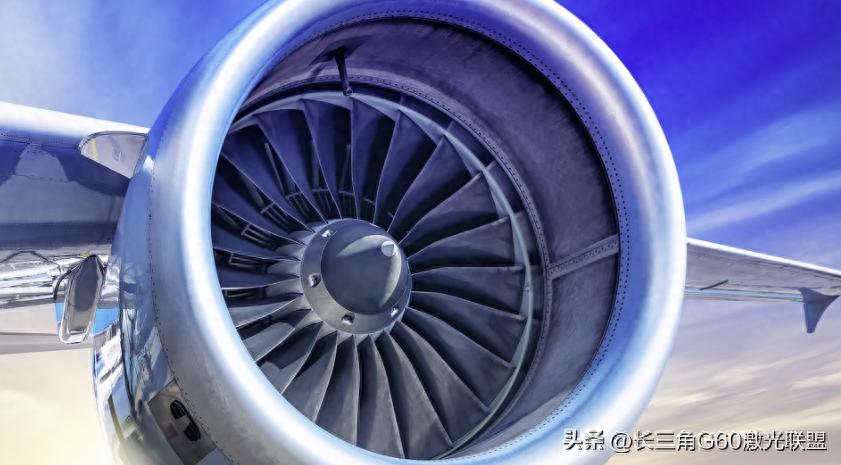
Aero engine turbine blade
01 Introduction to the Frontier
When a former Boeing aerospace engine engineer was interviewed by Aviation Week, he said that when China began developing the Changjiang 1000A aero engine several years ago, many people in the American aviation industry did not believe it would succeed. Some even thought that China would need at least another 20 years to catch up in the field of aero engines.
The reason is very simple. Aero engines are widely recognized as the crown jewel of industrial technology. General Electric and Pratt & Whitney have been operating in this field for decades, accumulating countless technical patents and manufacturing experience. Why should China be able to break through this technological barrier? Moreover, aero engines involve a series of extremely complex technical challenges, including materials, processes, testing, etc.
But by 2026, everyone had nothing more to say.
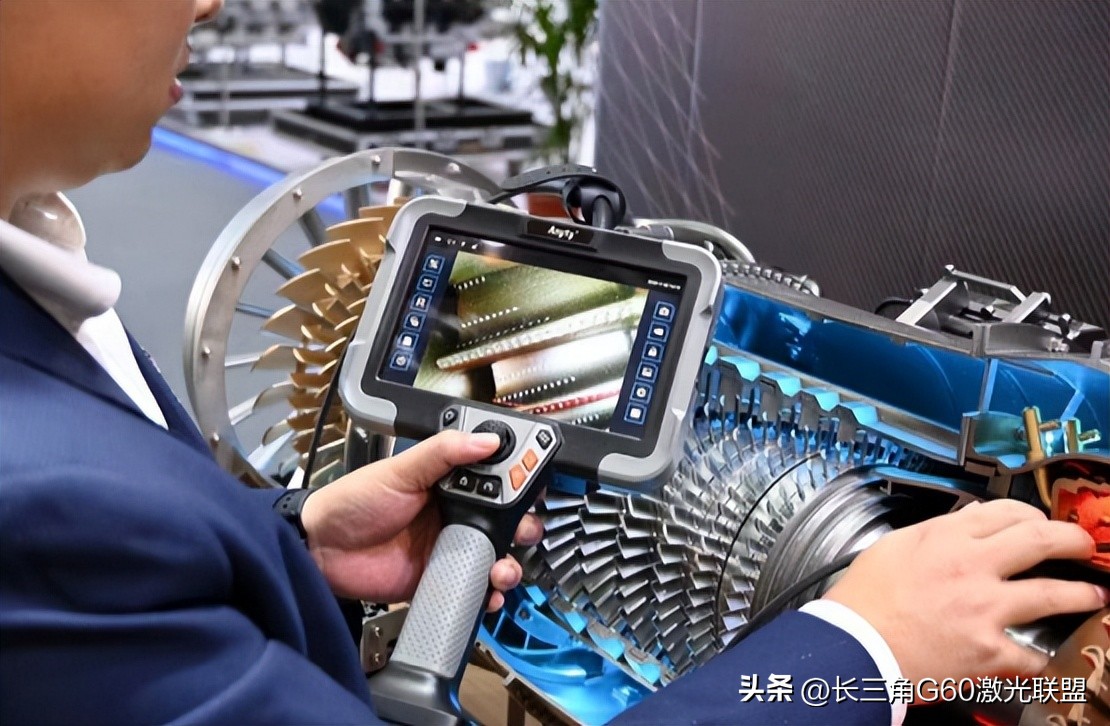
Aero engine testing
The Changjiang 1000A engine is expected to obtain the type certificate from the Civil Aviation Administration of China (CAAC) in the second quarter of 2026, and achieve its first installation delivery in the third quarter. So far, it has completed 6,142 hours of extreme environment verification, covering all scenarios of extreme conditions such as high altitude, ice formation, and bird strikes, with core performance already meeting the standards.
02 Breakthrough from Zero to One
In May 2018, the test model of the Changjiang 1000A engine successfully completed its first ignition test, initially verifying the reliability of each component and system. At that time, many people thought this was just the beginning, and there was still a long way to go before it could be actually installed.
The difficulties that China faces in breaking through aero engine technology are not ordinary at all.
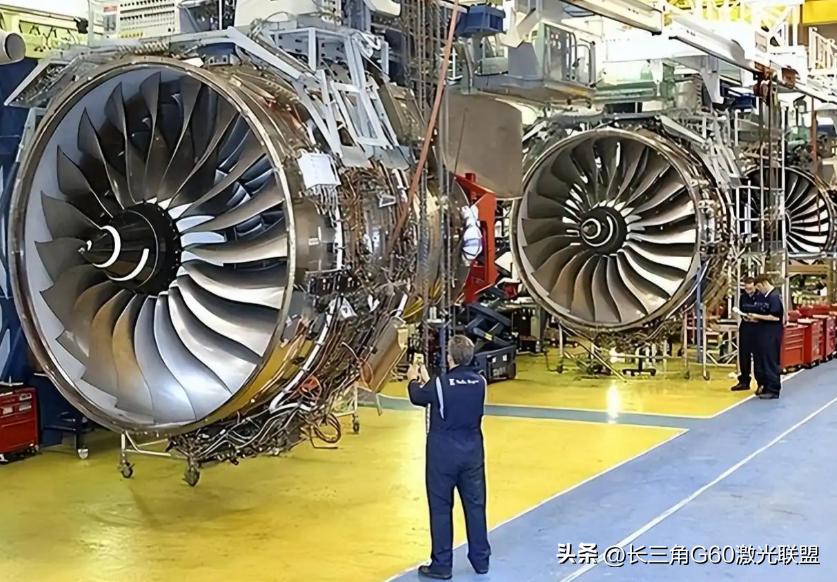
Aero engine manufacturing workshop
More importantly, this is not something that can be achieved simply by copying. From the first ignition in 2018 to the aerial flight test on the Y-20 in 2023, and then to the compatibility verification with the C919 airframe in March 2025, the Chinese aero engine team has steadily advanced step by step, and this path has been particularly solid.
Looking at the technical specifications of the Changjiang 1000A, they are quite impressive. This is China's first independently developed civil high-bypass turbofan engine, intended to power the COMAC C919 aircraft, especially seen as the future engine for the C919 freighter version. Such achievements are rare in the global aero engine field.
In March 2025, the Changjiang 1000A turbofan engine was mounted on the Y-20 airborne test aircraft and completed an aerial flight test, verifying the compatibility between the engine and the C919 airframe. This breakthrough is very important for China, which used to be almost blank in the field of aero engines.
03 Testing Under Extreme Conditions
As of now, the Changjiang 1000A has completed 6,142 hours of extreme environment verification, covering all scenarios of extreme conditions such as high altitude, ice formation, and bird strikes, with core performance already meeting the standards.
This number is not just talk.
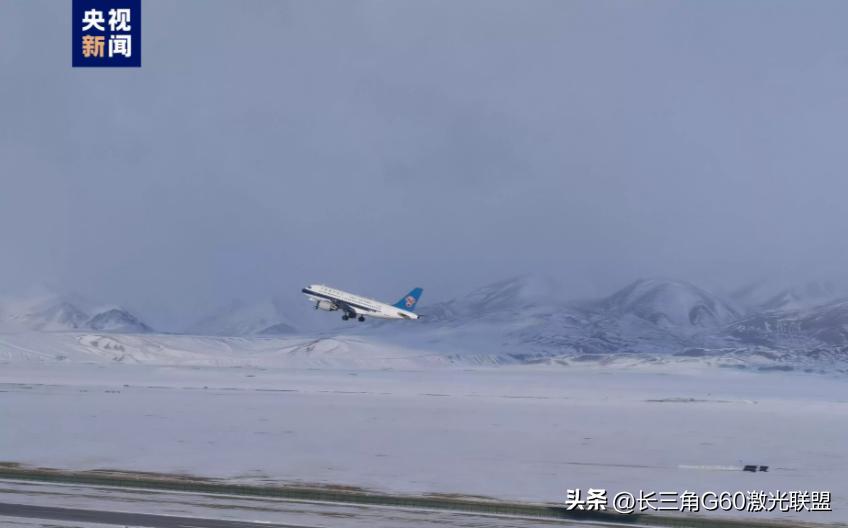
High-altitude airport environment testing
Firstly, high-altitude testing is particularly critical because the thin air at high altitudes places special demands on the engine's air intake and combustion efficiency. The Changjiang 1000A has undergone extensive testing in areas like the Qinghai-Tibet Plateau, verifying its performance under high-altitude conditions.
Secondly, icing testing is also a big challenge because icing can affect the engine's air intake and blade performance, potentially leading to engine shutdown. The Changjiang 1000A has undergone thorough verification under various icing conditions to ensure safety.
Moreover, bird strike testing is a mandatory item in aero engine airworthiness certification. The Changjiang 1000A has passed various bird strike tests, proving that its blade and structural design can withstand bird strike impacts.
This means that the Changjiang 1000A has already met the basic conditions for commercial operation.
04 Key Milestone in 2026
2026 is a crucial year for the Changjiang 1000A. It is expected to obtain the type certificate from the Civil Aviation Administration of China (CAAC) in the second quarter and achieve its first installation delivery in the third quarter.
This schedule indicates that the Changjiang 1000A is very close to actual installation and operation.
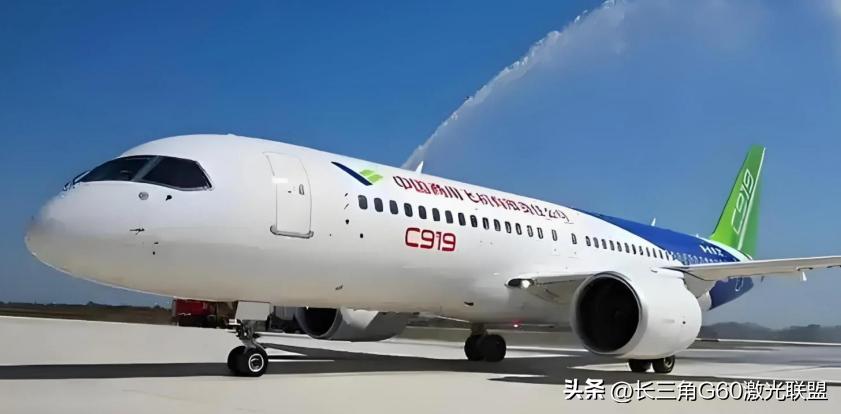
C919 domestic large aircraft
By 2026, once the Changjiang 1000A is installed, the annual production capacity of the C919 is expected to quickly increase to 50-70 units. This is a major breakthrough for COMAC, as the current production of the C919 is mainly limited by the supply of LEAP-1C engines.
This development speed has put great pressure on major aero engine giants such as General Electric and Pratt & Whitney.
General Electric used to think that its advantage in the civilian aero engine market would last for decades. Now, it finds that the Changjiang 1000A has completed the key steps of airworthiness certification and is about to enter commercial operation. This speed far exceeds their expectations.
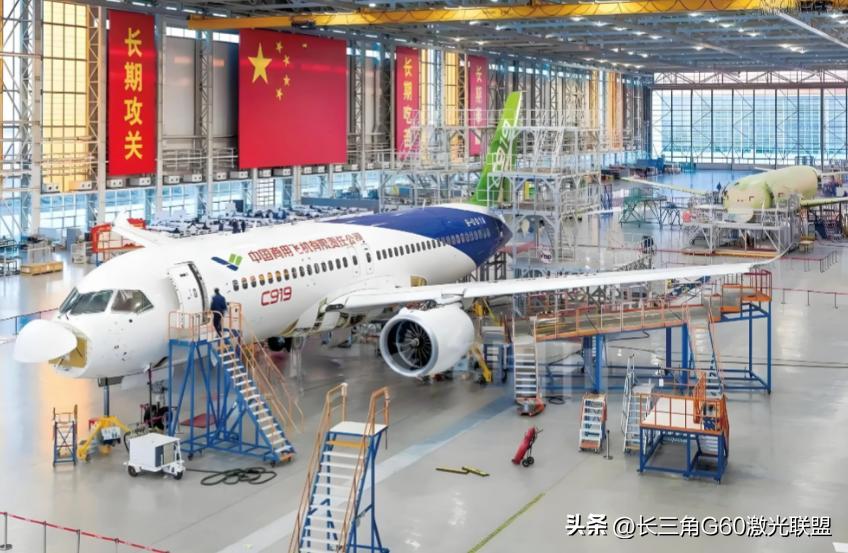
C919 taking off with domestically produced engines
A few years ago, Boeing and the U.S. aviation community thought that China would need at least 20 more years to catch up in the field of aero engines. A few years later, the Changjiang 1000A demonstrated with 6,142 hours of extreme verification and the upcoming airworthiness certificate that what real "latecomer" success looks like.
The breakthrough of China's aero engine is not accidental, but the result of decades of continuous investment and technological accumulation.
It is no longer a question of whether China can produce aero engines, but rather whether General Electric and Pratt & Whitney can maintain their market share. By 2030, the Changjiang 1000A will achieve mass production, and the competition will become even fiercer.
Chen Changjun, from the G60 Laser Alliance, reprinted this article.
We warmly welcome you to participate in our 8th Turbine Technology Conference and Civil Aviation Engine and Gas Turbine Exhibition, as well as the Conference on the Application of Lasers in Civil Aviation Engines and Gas Turbines (April 16) held in Suzhou from April 15 to 17, 2026.
Original source: toutiao.com/article/7604877947945648646/
Statement: This article represents the views of the author himself.