
Known for its "redneck" extremist views, the U.S. website "1945" continues to spread extremist views. On the day before yesterday, the site published an article titled: "China’s H-20 Stealth Bomber Looks Stalled, Russia’s PAK-DA is in Trouble, Why not Join Force?"
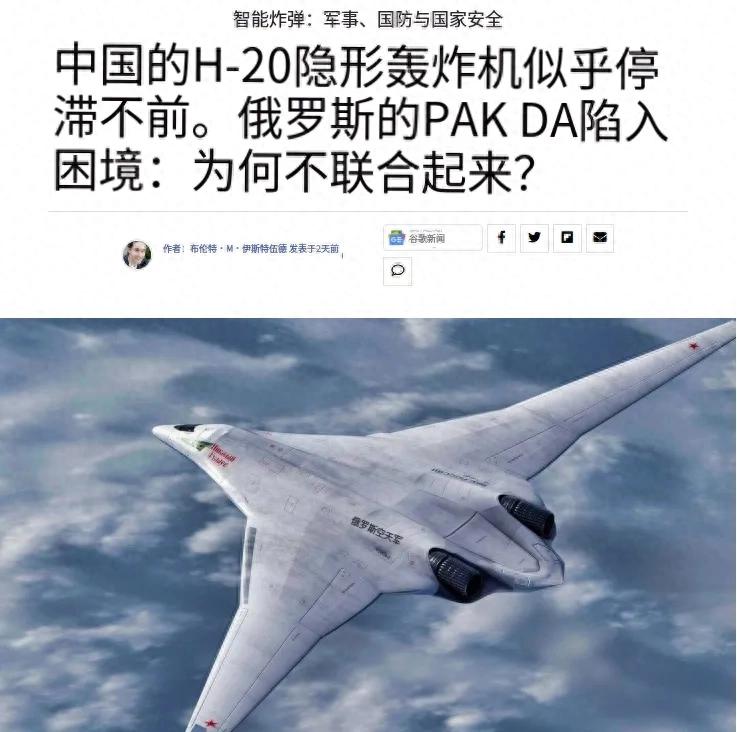
In simple terms, our H-20 strategic bomber has been delayed, while Russia's new generation strategic bomber, the PAK-DA, is also encountering problems. Since both countries' strategic bombers are experiencing delays, why not join forces to develop them together?
Is it really necessary for China and Russia to jointly develop the H-20 strategic bomber and the PAK-DA strategic bomber? Let's be straightforward—there is absolutely no need.
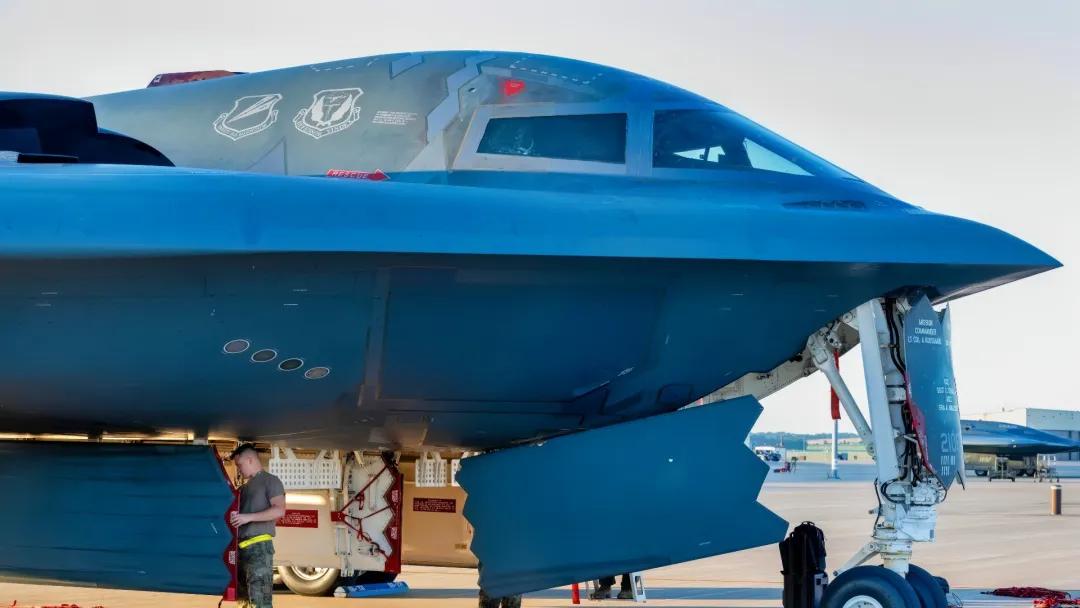
Whether considering the scale of China and Russia, their history of joint development, or the demand for strategic bombers, as well as specific technical standards and tactical requirements, there is no trace of any necessity for China and Russia to collaborate on the development of strategic bombers.
History of Sino-Russian Joint Development
Looking at the history of joint development or attempted joint development between China and Russia, at least since the end of the Cold War, the results have not been beautiful.
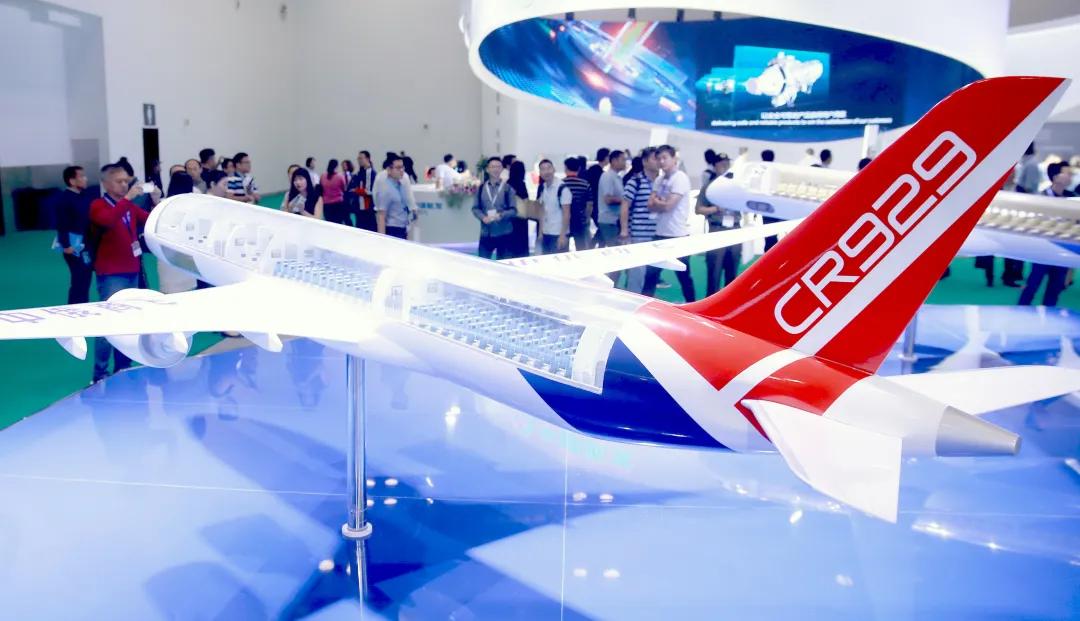
Currently, the two projects confirmed by China and Russia for joint development are the CR929 large wide-body passenger aircraft project, which was initially designed to compete with the Boeing 787-9, and the AHL 35-ton heavy helicopter project, designed to compete with the U.S. MH-53E.
In these two projects, the CR929 project faced significant differences in design standards, performance requirements, and positioning, leading to major disagreements over the selection of onboard subsystems, especially the aero-engine. Eventually, the project did not meet expectations, and we chose to "roll back" to independently developing the C929 large wide-body passenger aircraft.
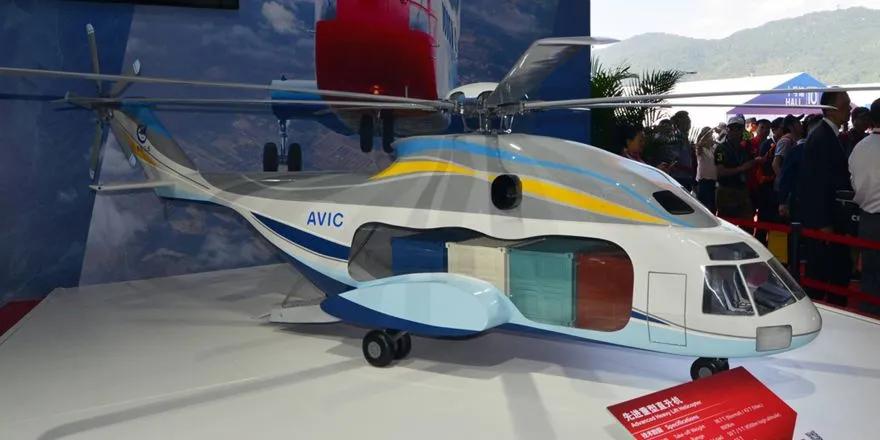
The 35-ton heavy helicopter project is still being pushed forward, but even after many years of displaying models at the Zhuhai Airshow, there is still no real aircraft. As for the actual situation of this project, only insiders know. Therefore, all of China and Russia's "joint development" has not gone smoothly.
Compared to large wide-body passenger aircraft or 35-ton heavy helicopters, the importance of strategic bombers is much greater. They are national treasures and strategic weapons, and they must succeed without failure.
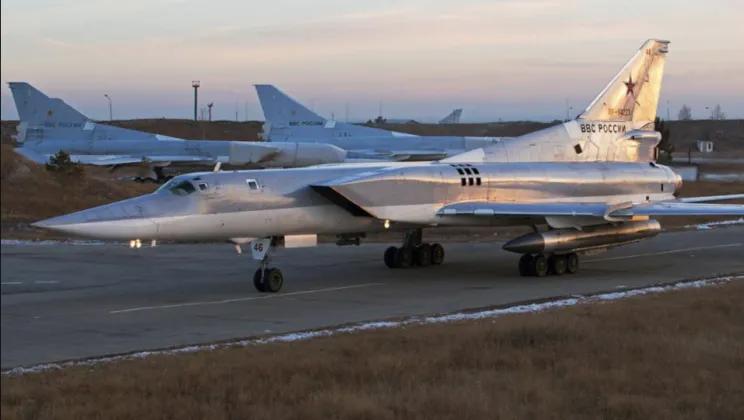
Since the joint development of large passenger aircraft and heavy helicopters has not gone smoothly for China and Russia, what evidence proves that the joint development of strategic bombers will go smoothly? To carry out joint development, the first thing to answer is this question. If it cannot be answered, and no one can guarantee it, then joint development is completely impossible.
Different Technical Requirements
What about the specific demands, technical standards, and tactical requirements for strategic bombers between China and Russia? They are entirely different, with huge differences.
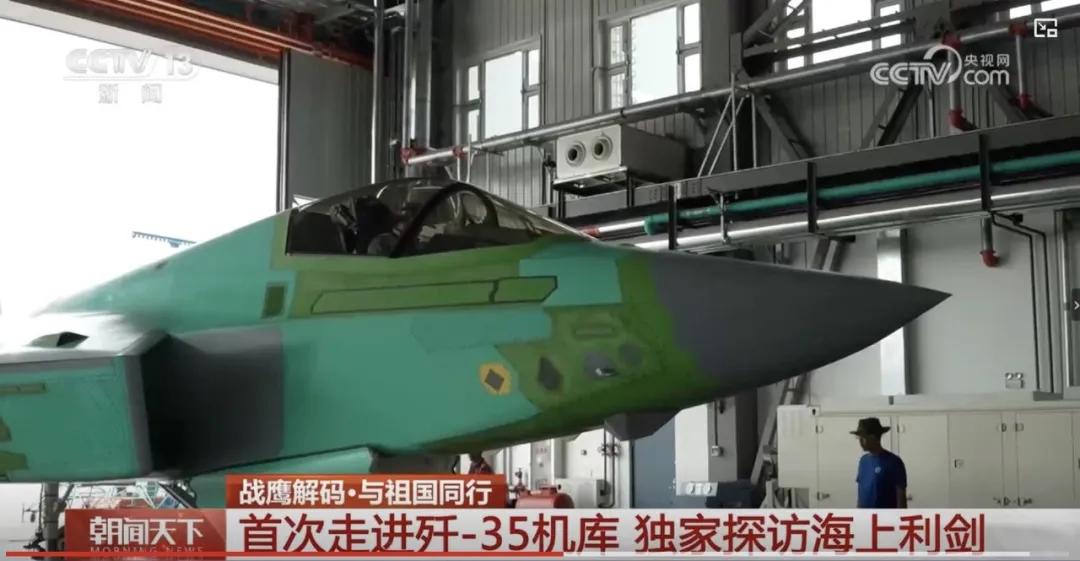
Firstly, regarding technical standards, from the development of the JH-7 fighter-bomber, our aviation industry gradually moved towards Western technical standards and Western production systems.
All relevant standards, specifications, and systems were based on Western norms. By the time of the J-10 fighter development, we had learned almost everything from the West. Our aviation industry has now completely left the shadow of the Soviet Union, and the entire old Soviet standard system is no longer applicable.
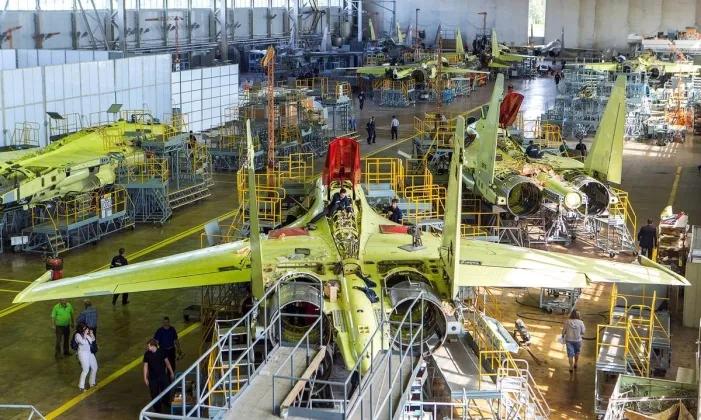
By contrast, Russia's aviation industry still uses a mixed system of Soviet and Western standards. Without going into other details, just looking at the whole aircraft construction, while we have fully implemented step-by-step pulse production lines, Russia's main aircraft production plants are still using old-style station-based assembly, which is a difference in the aviation industry systems between the two countries.
This difference would immediately lead to conflicts when it comes to joint design, such as which technical standard to use for load spectrum design. It is impossible to proceed with joint design under different standards.
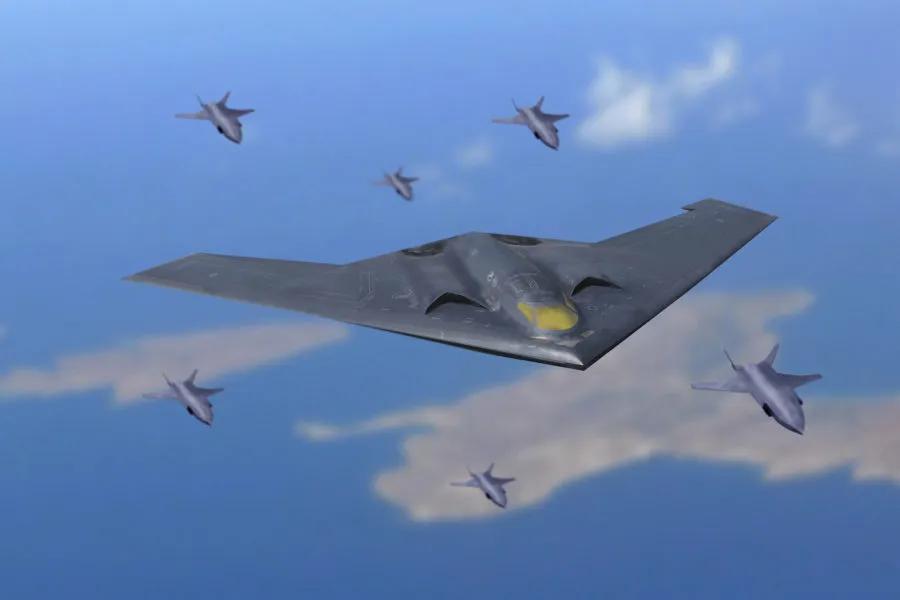
Moreover, aircraft design and manufacturing are just the beginning. Remember, a strategic bomber is an unprecedentedly complex strike system. In addition to the airframe, there are aviation engines, fire control radars, mission computers/fire control systems. Considering the needs of future sixth-generation strike systems, the aircraft will also need computing equipment for edge cloud computing to command accompanying loyal wingmen.
These complex systems have completely different technical standards between China and Russia. You can see how complicated it is for the Su-35SK fighter to coordinate with early warning aircraft, and you can also see how difficult it is for India to integrate the Su-30MKI into its own air situation command system. This is an extremely complex issue.
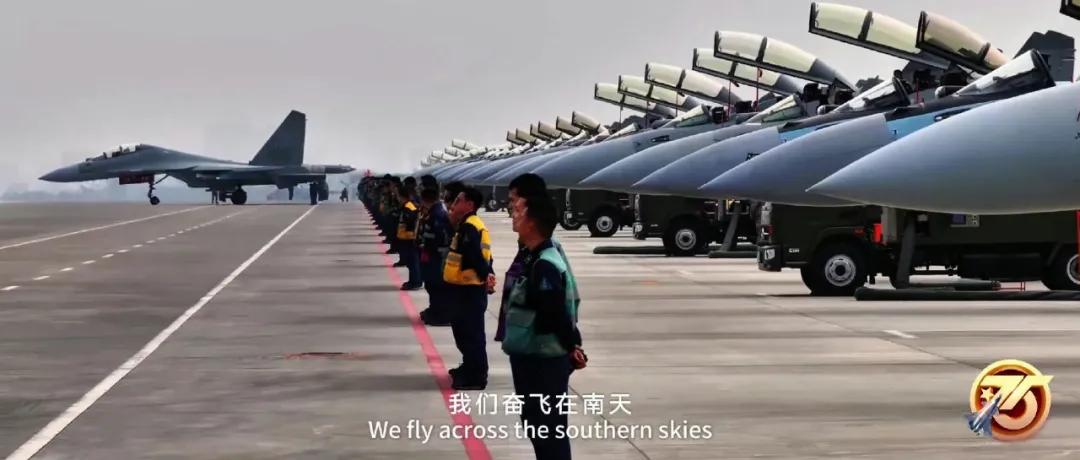
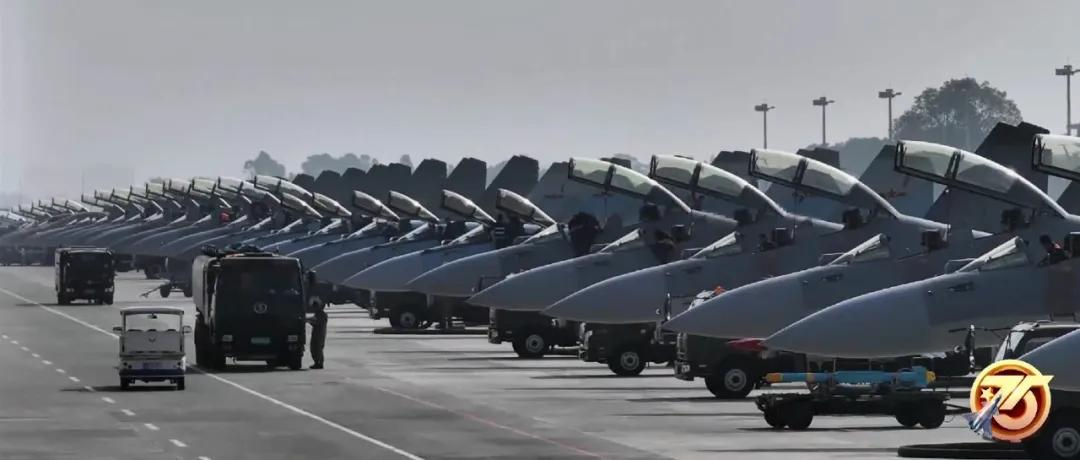
Data link specifications are different, communication protocols differ, data interfaces vary, and if both sides want to conduct joint design, which set do you use? Using any set means that the side whose system is abandoned will have to pay a huge cost to replace the system. If both sides use their own, it's like designing the same aircraft twice. Then, what is the point of joint design in terms of reducing workload and improving efficiency? It would be better to let each side design separately from the start.
Additionally, the selection of onboard subsystems itself becomes a major point of contention. For example, in the CR929 project, we wanted to initially purchase international supply chain-standard engines, such as Rolls-Royce's Trent series, and later choose our own aviation engine. However, due to sanctions, Russia insisted on using the PD-35 engine, which is still in the planning stage, in order to cultivate its own aviation engine industry.
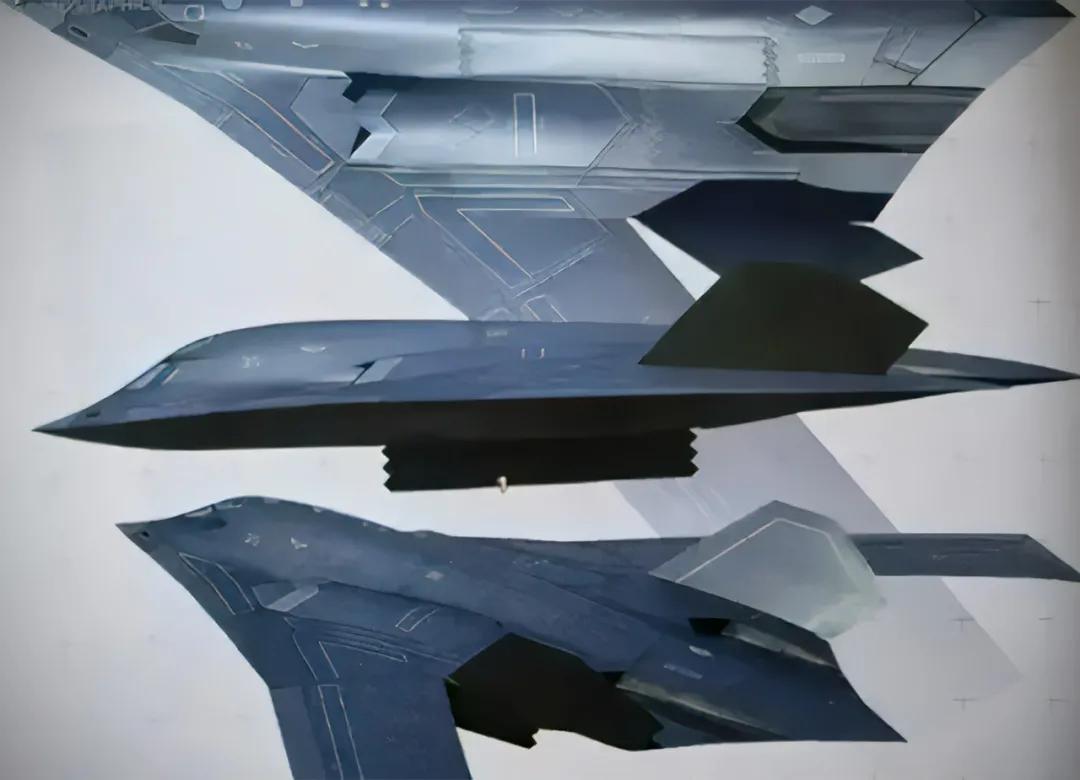
If it were a strategic bomber, we would use the non-afterburning version of the Taihang engine, while Russia insists on using the non-afterburning version of the AL-41F. Which one to choose? After all, different engines require completely different inlet designs. For example, the phased array radar installed on the aircraft, we want to use our own radar and match it with our fire control system, while Russia insists on using its own phased array radar. How to choose this radar?
Therefore, from this perspective, during the design phase—whether it is design standards, manufacturing standards, or the selection of subsystems—the technical and administrative friction between the two sides would offset the technical benefits gained from joint development.
Different Tactical Orientations
Not only are the design standards different, but the tactical requirements for strategic bombers between the Chinese and Russian militaries are also different. In fact, Russia's requirement for the range of strategic bombers is lower than that of the Chinese Air Force. After all, Russia is separated from the United States by only the Arctic Ocean, and strategic bombers can penetrate the U.S. mainland from the Arctic direction:
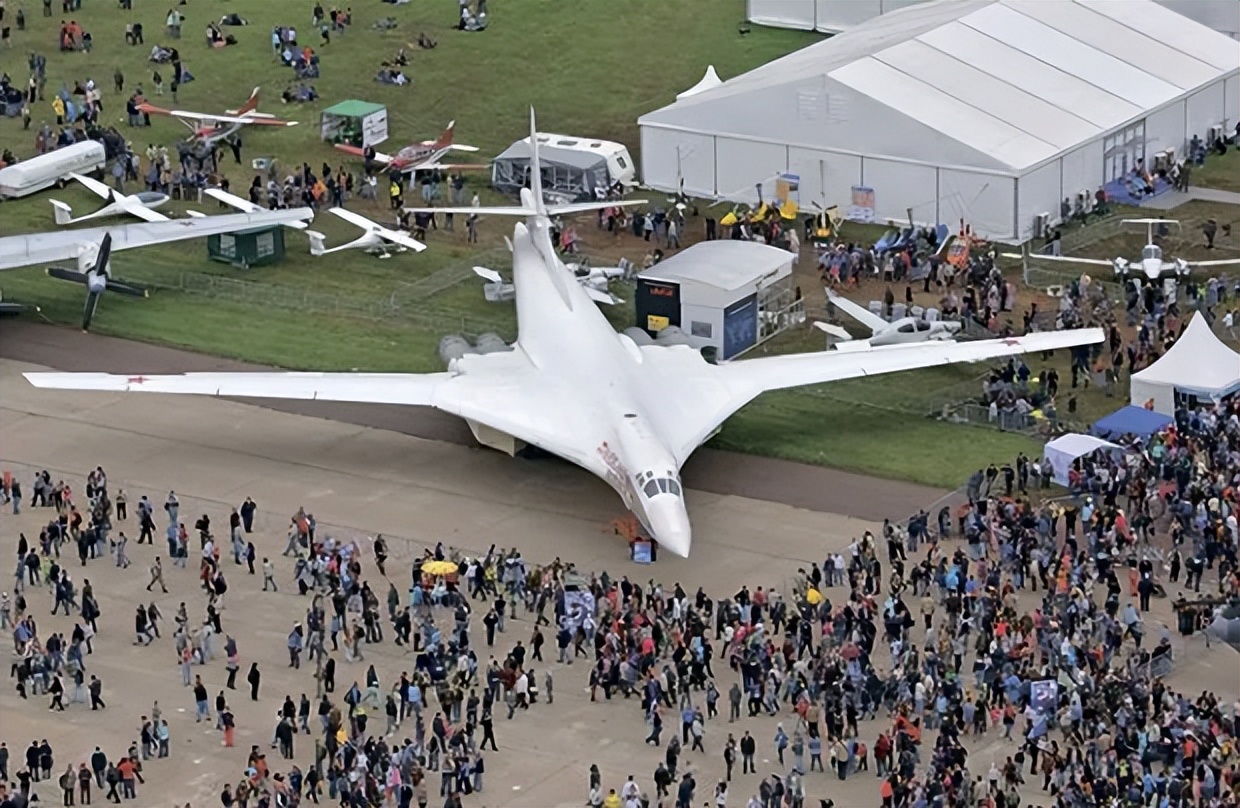
In this sense, the Tu-95MS, which has a maximum takeoff weight of about 180 tons, is sufficient. The Tu-160, with a maximum takeoff weight of up to 280 tons, is pure overdesign for supersonic performance. Considering the subsonic lift-to-drag ratio performance of large wings, and taking into account some statements made by Russia about the PAK-DA, it is likely that the maximum takeoff weight of the PAK-DA is between the Tu-22M3 and the Tu-95MS.
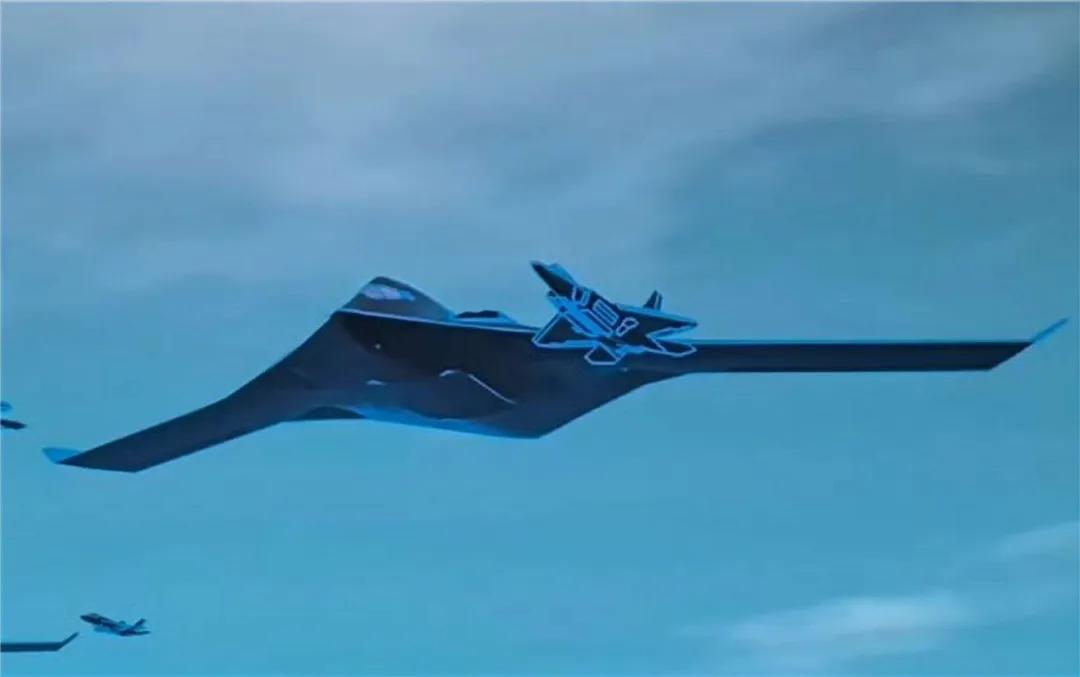
This might not apply to us—our requirement for the range of strategic bombers is certainly the highest among the three countries: China, the United States, and Russia. After all, we need to pass through complex routes to threaten the U.S. mainland, so the range requirement is high, and thus the maximum takeoff weight of the aircraft cannot be low. But such a long-range capability may be excess for the Russian Aerospace Forces. This is a point of contention between the two militaries regarding the tactical requirements for strategic bombers.
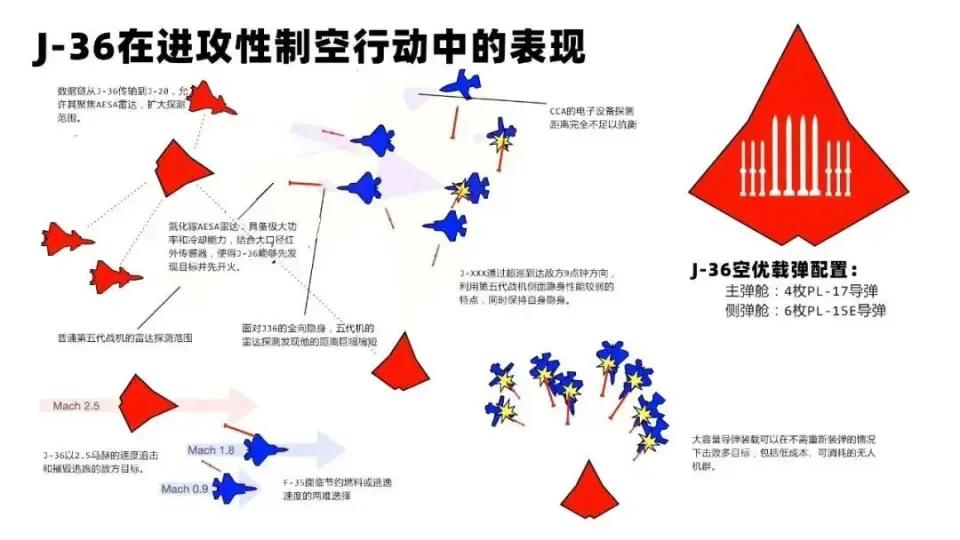
For example, regarding the positioning of the sixth-generation combat platform, the emphasis placed by China and Russia is clearly different. We have unprecedented emphasis, and it can be determined that all sixth-generation manned platforms will have edge computing capabilities. For strategic bombers, edge computing capabilities are even more important than the number of missiles carried. Our strategic bombers may be able to cooperate with unmanned strategic bombers in the future. Russia, on the other hand, lacks both the technical reserves and the operational experience in this area. At the very least, its R&D capabilities are far behind ours.
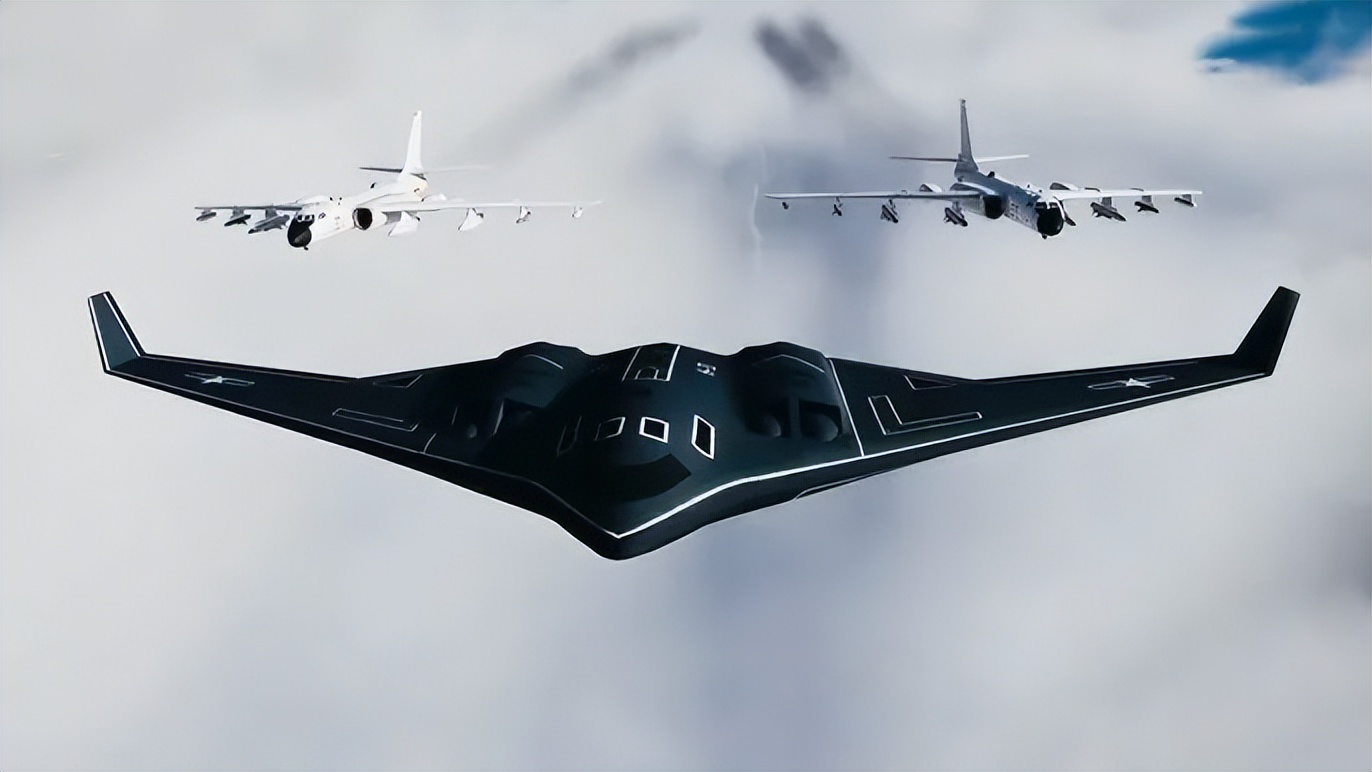
Without related technical reserves or operational application, how can we make design trade-offs? If we implement the relevant technological capabilities to meet our tactical needs and deploy them on a jointly designed model with Russia, wouldn't this become technology assistance, greatly benefiting Russia?
How to View Foreign Reports
Therefore, in summary, the so-called "joint development" only has one possibility. That is, who "leads" and who "follows" must be clearly defined before the development begins.
If both sides' technical levels are comparable, or at least one side believes its technical level is comparable to the other's, this "joint development" will inevitably lead to a lot of disputes. If the basic technical standards differ, the intensity of disputes will further increase.
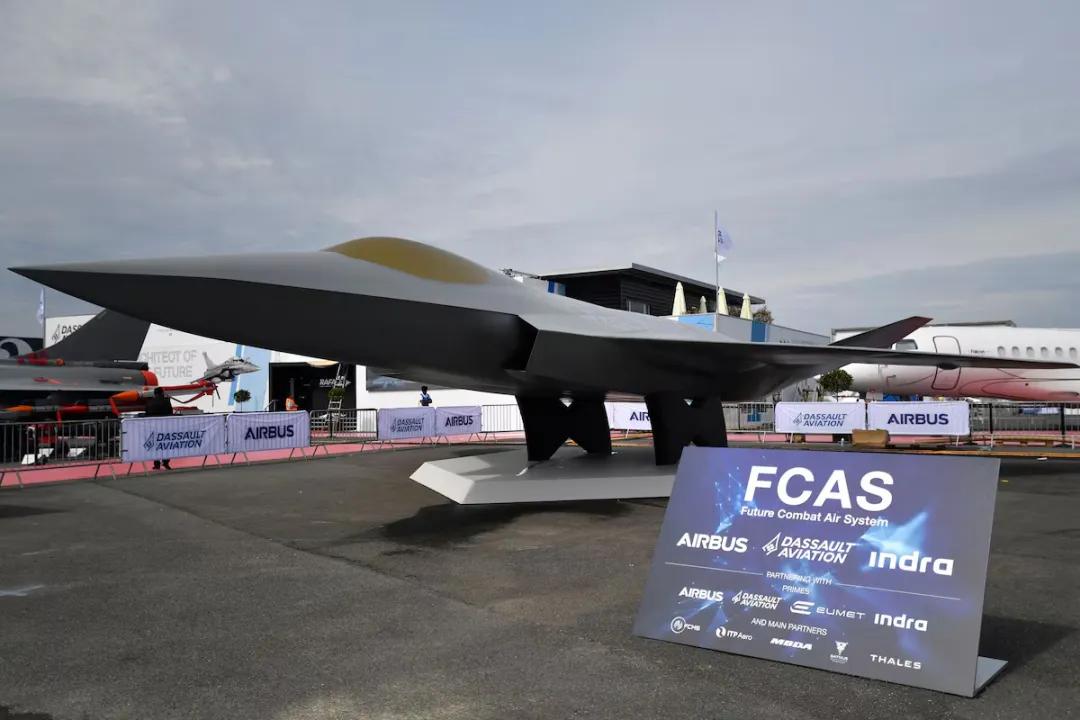
This problem does not only appear in the joint development of China and Russia. Look at the two current European sixth-generation aircraft projects, GCAP and FCAS, which are almost about to fail. The reason is that the parties involved in the "joint development" all think they should take the lead, leading to the inability to move the development forward.
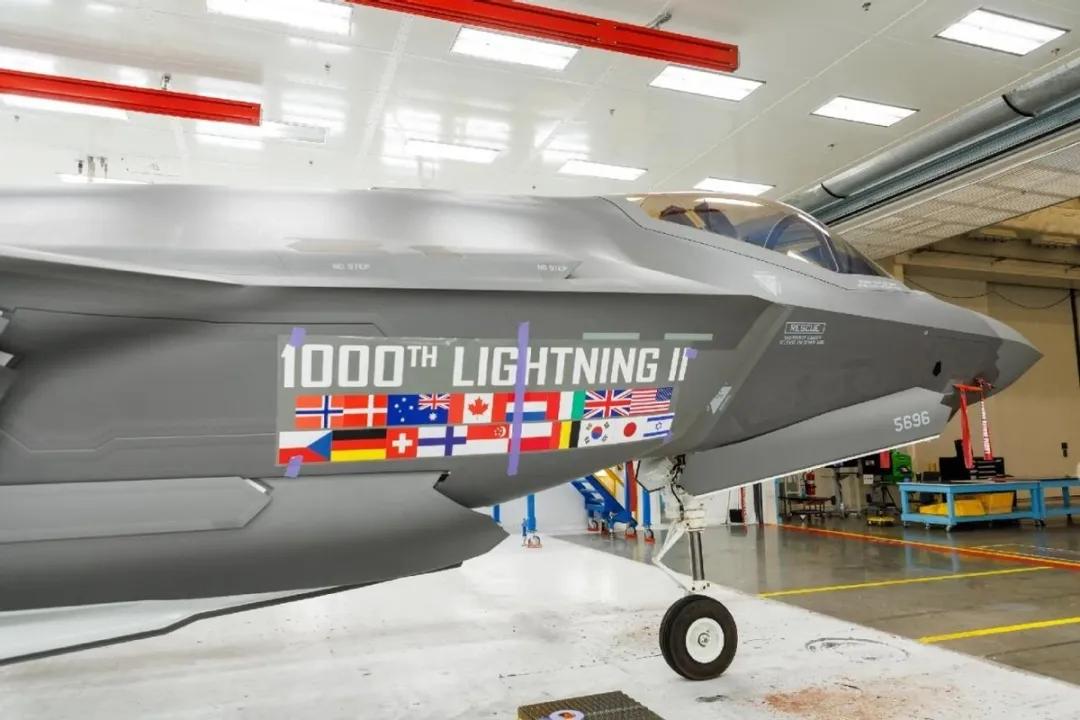
The JSF Joint Strike Fighter eventually became the F-35 because the United States held an absolute dominant position. No other prime contractor could match the U.S. in terms of scale, technical strength, or political dominance, so there were no major issues in the joint development. Therefore, the so-called "joint development" of strategic bombers proposed by "1945" is truly an extremist view.
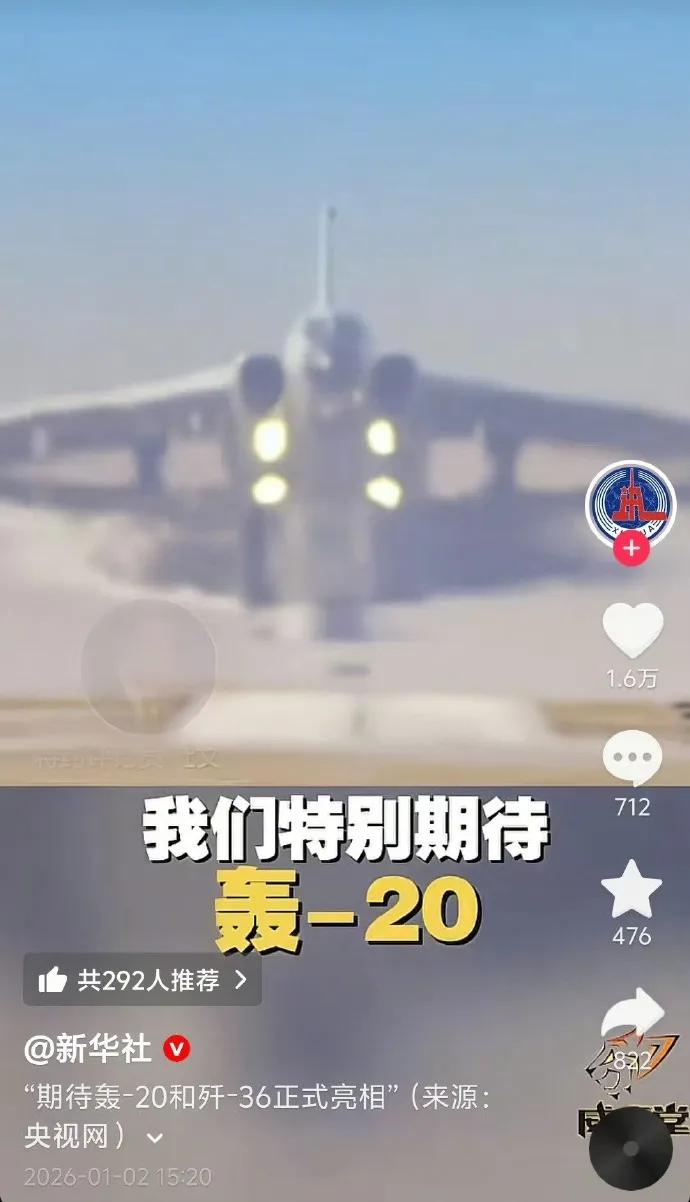
For us, cooperation with Russia should either be limited to purchasing some product samples from Russia for reference and research, or provide design consultation for a specific subsystem or component. Money for goods, consultation completed, and then we continue to assemble our own complete aircraft. This is the most suitable approach.
Original: toutiao.com/article/7603708384772145704/
Statement: This article represents the personal views of the author.