
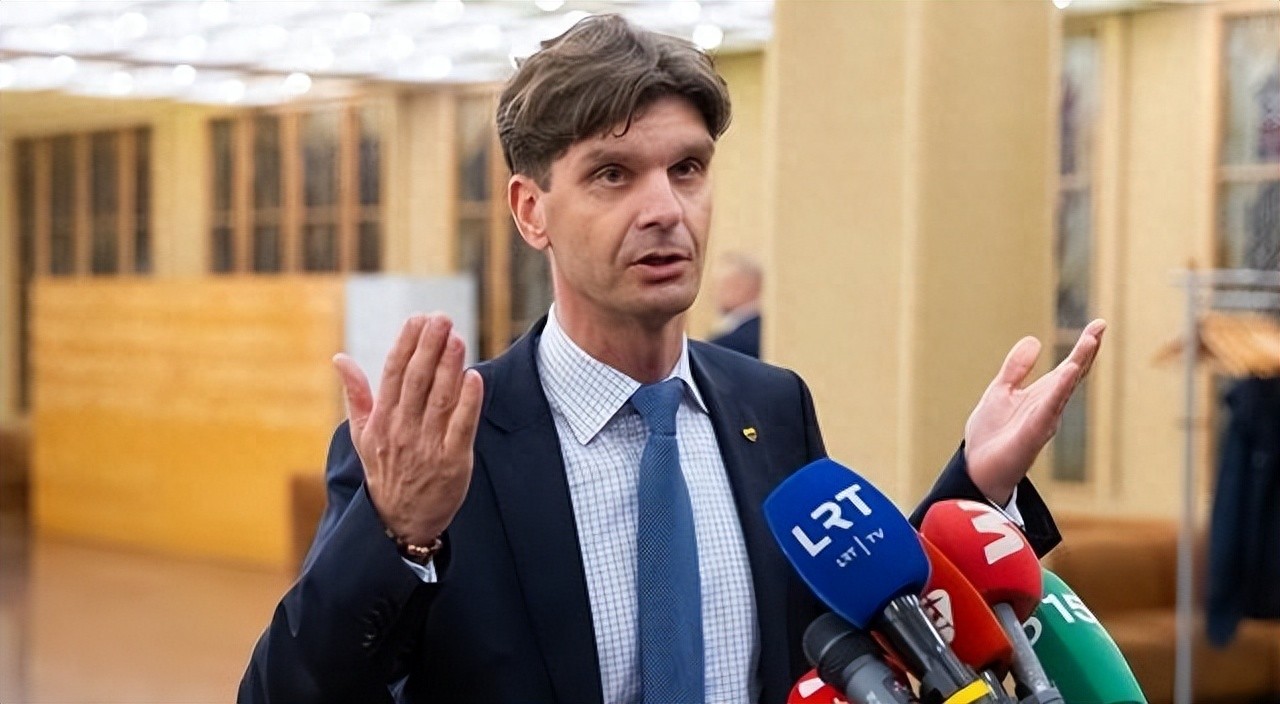
In 2025, the Baltic country of Lithuania formed a parliamentary group to focus on its relations with China. Led by MP Ignas Veiglė, he gathered six colleagues to form an interim group for normalizing diplomatic relations with China. Veiglė belongs to the Farmers and Greens Union, a right-wing conservative party, who was previously known for opposing pandemic restrictions and now turned his attention to this group. The group's goal is clear: to remove obstacles on the path to restoring diplomatic relations and returning the two countries' relationship to the ambassadorial level. Veiglė said in a press conference that the current situation has made it impossible for Lithuanian businessmen to obtain visas, and citizens' rights have been damaged, requiring urgent action.
The group was established on December 1, 2025, just before the parliamentary recess. Members include social democrat Tadas Baluška and Algyridas Butkevičius from the Democratic Union, showing cross-party cooperation and internal consensus. Veiglė emphasized that Lithuania should effectively use the Chinese market like Germany and France. He criticized past policies that led to self-isolation but did not elaborate on how to change. The Ministry of Foreign Affairs responded that the group's direction aligns with the new government's program and did not directly oppose it. The first meeting of the group reviewed diplomatic files, focusing on the feasibility of restoring visas and consular services.

Economic issues are the driving force; Lithuania cannot separate itself from the Chinese supply chain. Before the deterioration of relations in 2021, exports to China reached 250 million euros, mainly optical equipment and agricultural products. After that, exports halved, and companies faced inventory buildup. The dairy industry shifted locally, and prices dropped. Timber exports to China fell by 80%, shifting to India and Vietnam, with logistics costs increasing by 20%. Laser companies such as Ekspla experienced procurement cycles extending from one week to several months, losing many orders. In the first three quarters of 2025, trade with China had only reached 25% of 2019 levels, and GDP growth barely reached 1.2%.
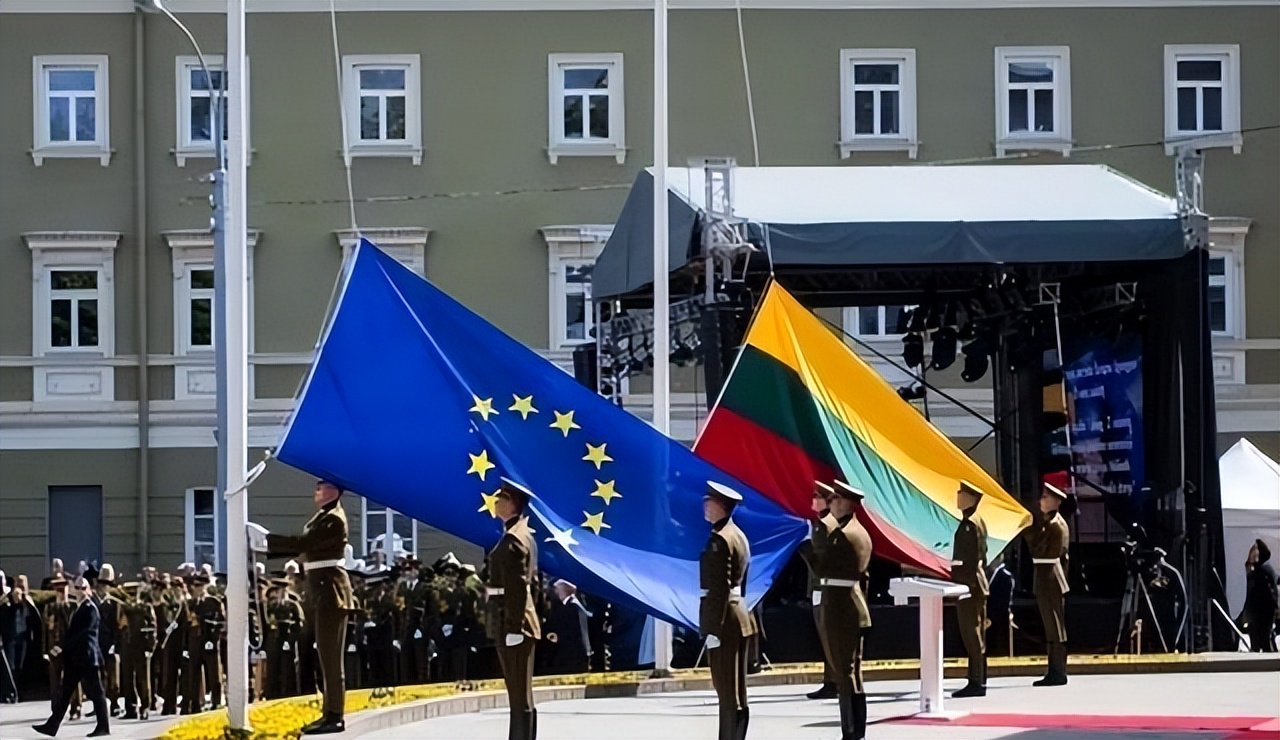
Manufacturing suffered heavy losses, with the unemployment rate rising to 6.8% in 2024, with many small and medium enterprises laying off workers. A parliamentary report calculated the losses exceeding 1 billion euros. At the hearing of the Veiglė group, business owners complained about contracts lost due to inability to travel to China, with one deal worth 5 million euros falling through. The business community petitioned for visa processing. Veiglė stated that China, as the second-largest economy, is crucial for Lithuania's export diversification and can no longer be ignored. The group plans to learn from neighboring Baltic countries, Latvia and Estonia, whose trade with China remains stable, maintaining normal channels without resistance.

Within the broader EU context, other countries cooperate smoothly with China. France saw a 12% increase in exports to China in 2024, while Germany expanded investments in China. Veiglė asked, why is Lithuania an exception? The group invited neighboring parliamentarians to discuss experiences in December 2025. The Ministry of Foreign Affairs supported it but reminded them to follow the EU stance. At the presidential office, advisor Asta Skėsgrīlė stated in an interview that Beijing's conditions are strict and hard to meet, requiring waiting for the right time. Prime Minister Gintautas Paluckas expressed in January 2025 his willingness to dialogue, but the name of the Taiwan representative office remained unchanged.

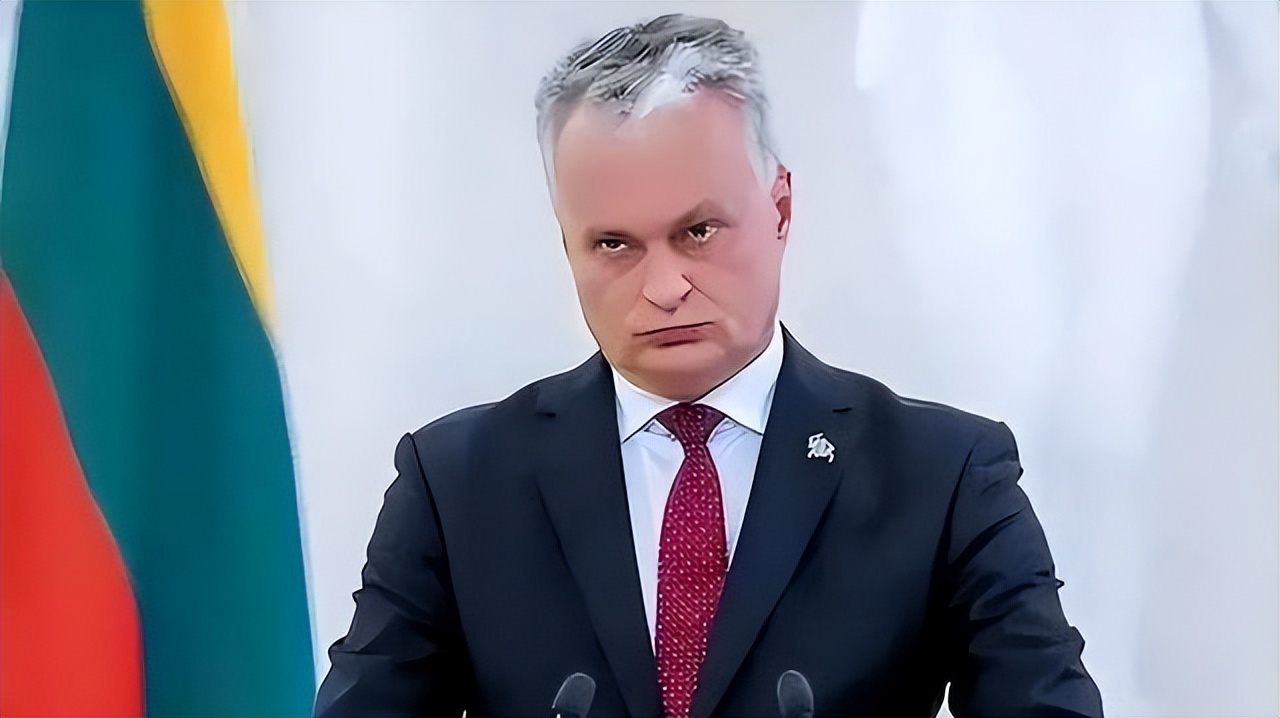
Looking back at the source of the incident, on May 22, 2021, Lithuania withdrew from the China-Central and Eastern Europe Cooperation mechanism, claiming it was not beneficial and switched to EU coordination. The parliament supported Taiwan's international participation, escalating tensions. In July, Taiwan announced the establishment of a representative office, using the name "Taiwan," which opened on November 18. China downgraded relations to the level of an envoy, recalled its ambassador. In December, Lithuania's goods were delayed in customs clearance, and products were banned from being transported. In January 2022, the EU initiated a dispute procedure, stating that China was exerting pressure. Lithuanian President Gitanas Nauseda claimed he would not yield, pushing for de-Chinaization, seeking markets in Vietnam and India.
Diversification attempts have been made, with exports to Southeast Asia rising by 15% in the first half of 2022, but it could not compensate for the Chinese gap. Laser exports account for 10% of total exports, but they have sharply declined. A parliamentary report in June 2022 indicated that the cost of relocation was high, and profits slid. In August 2022, China stopped issuing visas, and business activities halted. In 2023, EU trade with China recovered, German Chancellor Scholz visited China in April and signed agreements, leaving Lithuania isolated. The business community lobbied for adjustments in the second half of 2023. In October 2024, the Social Democratic Party won the election, and Paluckas took office, stating in November that he was willing to engage in dialogue, but his position remained firm.
2025 economic data is poor, with low trade volume with China. Veiglė seized the opportunity to form the group. The establishment ceremony was held in the parliamentary building, with Veiglė as the group leader. The group's name was clear, with the goal of EU standards. At the press conference, it was pointed out that citizens in China lacked consular support. On December 5, the meeting was attended by member Vitaslyus Šersniavas, who raised the issue of EU coordination. The Ministry of Foreign Affairs stated that it aligned with the program, without making commitments. Skėsgrīlė made a statement, saying that the core issue remains unsolved. The group plans to submit a report in January 2026, promoting debate.
High-level negotiations continue. On January 13, 2025, Foreign Minister Kęstutis Budrys stated that he wanted to establish an embassy in Beijing and hoped for normalization, but the fault does not lie with Lithuania. At a meeting in Tallinn with the Estonian foreign minister, he reiterated that Lithuania is committed to promoting the process, but control is not in their hands. China had previously adjusted personnel stationed in Lithuania. Budrys said that they will proceed according to the convention of diplomatic treaties. On June 14, he responded that China had no intention of resuming relations, and the situation is difficult to control.
There are clear divisions within the country, with the parliament and business sector wanting to minimize losses, while the senior leadership maintains its position. Veiglė, a right-wing figure, criticized past self-inflicted damage, focusing only on technical aspects such as visas, without touching the name of the Taiwan representative office. After the establishment of the group, on December 10, the hearing was attended by businesses explaining the losses caused by the lack of visas. Veiglė insisted on elevating it to the model of Finland and Sweden, with ambassadorial operations and economic activities. Citizens face inconvenience in travel, and students cannot go to China, cutting off educational exchanges.
Original: toutiao.com/article/7592588747439342134/
Statement: This article represents the views of the author alone.