
The U.S. media has discovered a terrifying fact: companies that can prevail in the Chinese market can dominate globally.
Recently, the Wall Street Journal found an interesting thing. The significance of the Chinese market for many foreign investors has undergone a reversal. Here, it is no longer a place to easily make big money, but a battlefield with the fiercest competition. Some companies have been defeated, while others have decided to stay and refine themselves.
For example, some business consultants say that for many foreign automobile manufacturers, doing business in China means being close to the market center and supply chain, and must remain in China to keep up with innovation. If you are not in China and compete with Chinese companies locally, you will eventually have to compete with them in the global market. Why not just sharpen each other here?
The report says that for many years, as China's economy has grown rapidly, many Western brands have made a lot of money in China. These include the cash cows of companies such as LVMH, Starbucks, Nike, Apple, and Tesla. For a long time, these companies had almost no local Chinese competitors.
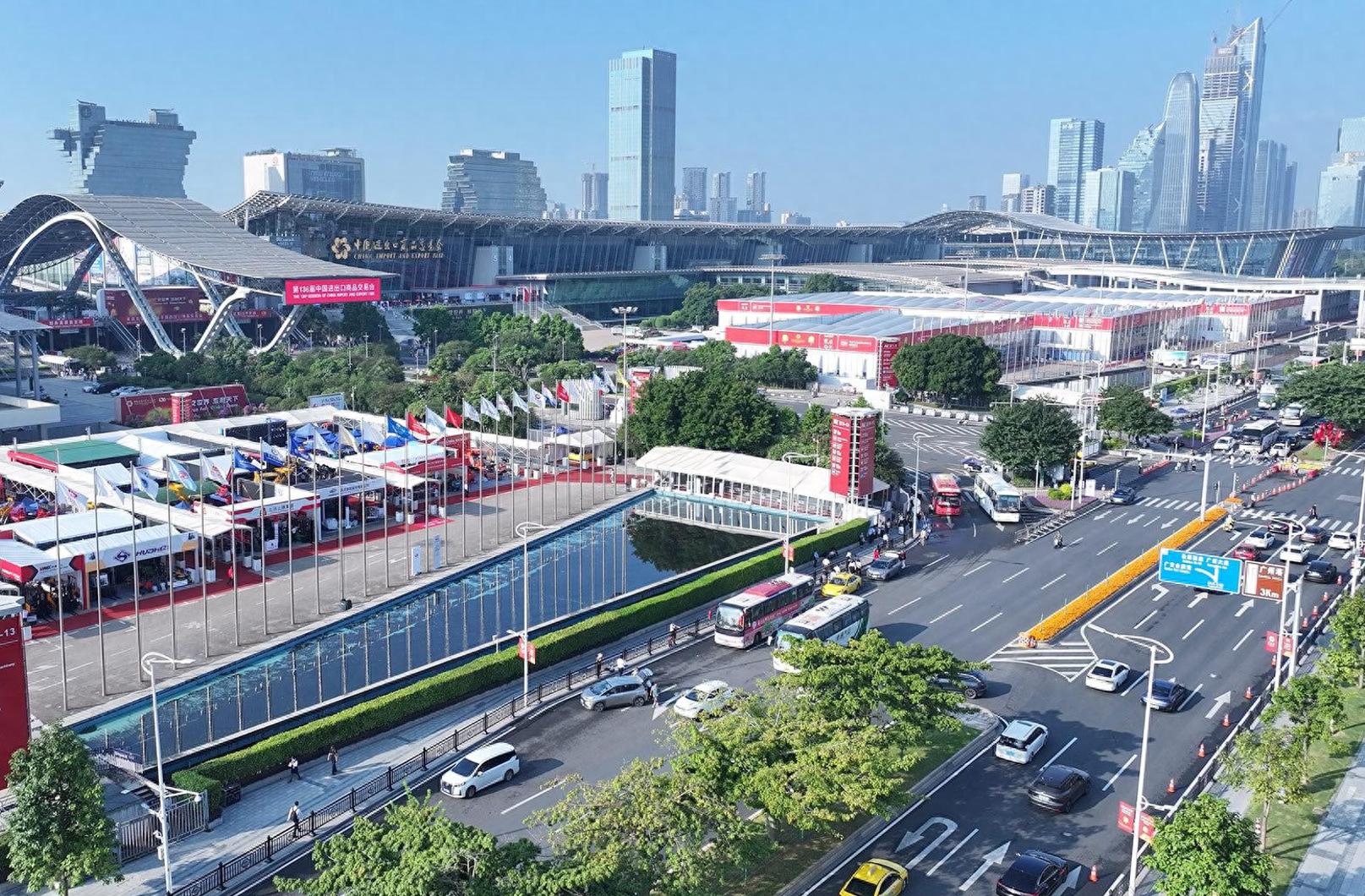
(The technological content of Chinese products is increasing at the Canton Fair)
Now the situation is completely different, and local brands have risen comprehensively. For example, Starbucks lost to Luckin Coffee, and Tesla also faces strong competition from a large number of Chinese new energy vehicle companies.
Such a situation is understandable. China has been the world's largest manufacturing country for many consecutive years. Among manufacturing enterprises, there are foreign-funded enterprises, contract manufacturing enterprises, and more and more national original enterprises. How many years has the national brand project launched by the state been implemented? In addition, China originally has a large number of national old brands and local old brands. Therefore, the transition from "Made in China" to "Created in China" has a solid historical foundation and powerful practical motivation.
China is also the second-largest consumer market in the world. Although many domestic and foreign economists believe that the proportion of national income in GDP in China is a bit low. However, considering the huge population and the continuously growing economic scale, this low proportion multiplied by the population makes China the second-largest consumer market in the world after the United States, providing a vast space for the growth of merchants and brands.
Except for the consumer market, government and social group procurement also follows market rules. Almost all government procurement we see goes through bidding procedures, which also brings fierce market competition.
China is a country with a highly unified language and culture. There are basically no communication barriers among 1.4 billion people. Culture, customs, diet, living habits, and values are relatively unified, which creates an almost perfect market. A brand that can open up a market in one region of China is equivalent to stepping into the threshold of the entire giant Chinese market, which is unimaginable in any other country or region in the world.
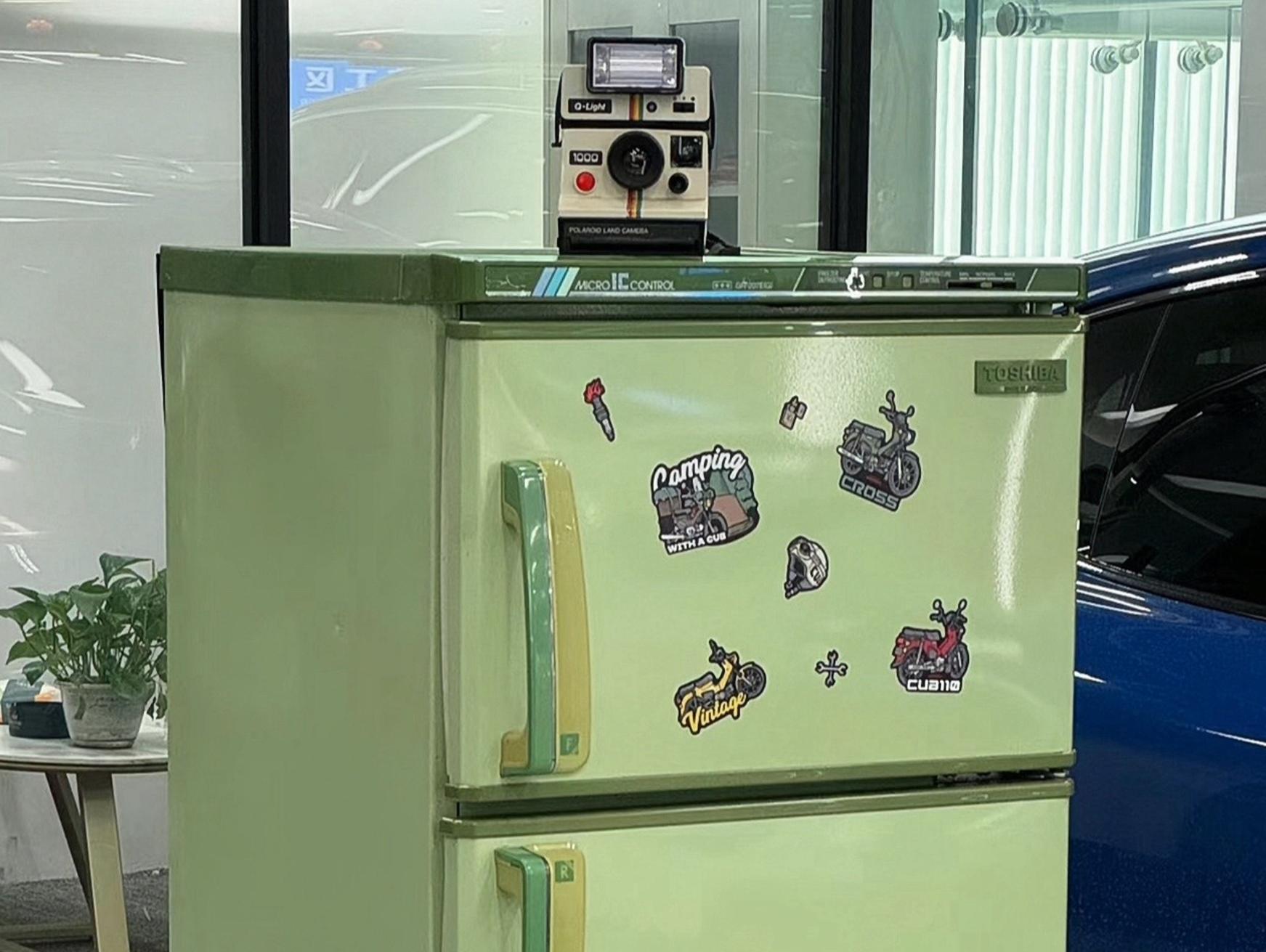
(Japanese brands once dominated the Chinese home appliance market)
Therefore, almost all major brands, whether in manufacturing or services, will spare no effort to compete. They improve quality and expand influence. There is almost no merchant who can live comfortably in a small regional market.
The country has long promoted the improvement of people's living standards and the enhancement of social operation levels, which puts increasingly higher requirements on the technical level and quality of products and services provided by merchants.
In such a vast and ruthless market, no brand that survives is ordinary.
In the 1980s and 1990s, as well as the first decade of this century, foreign manufacturing and service industries had significant advantages. Joint venture products and even imported products were far ahead of domestic enterprises in design, craftsmanship, and after-sales service. This brought substantial profits to foreign investors, and the Chinese market became their so-called "cash cow," or money-making tree. Such situations still occur in other countries and regions today.
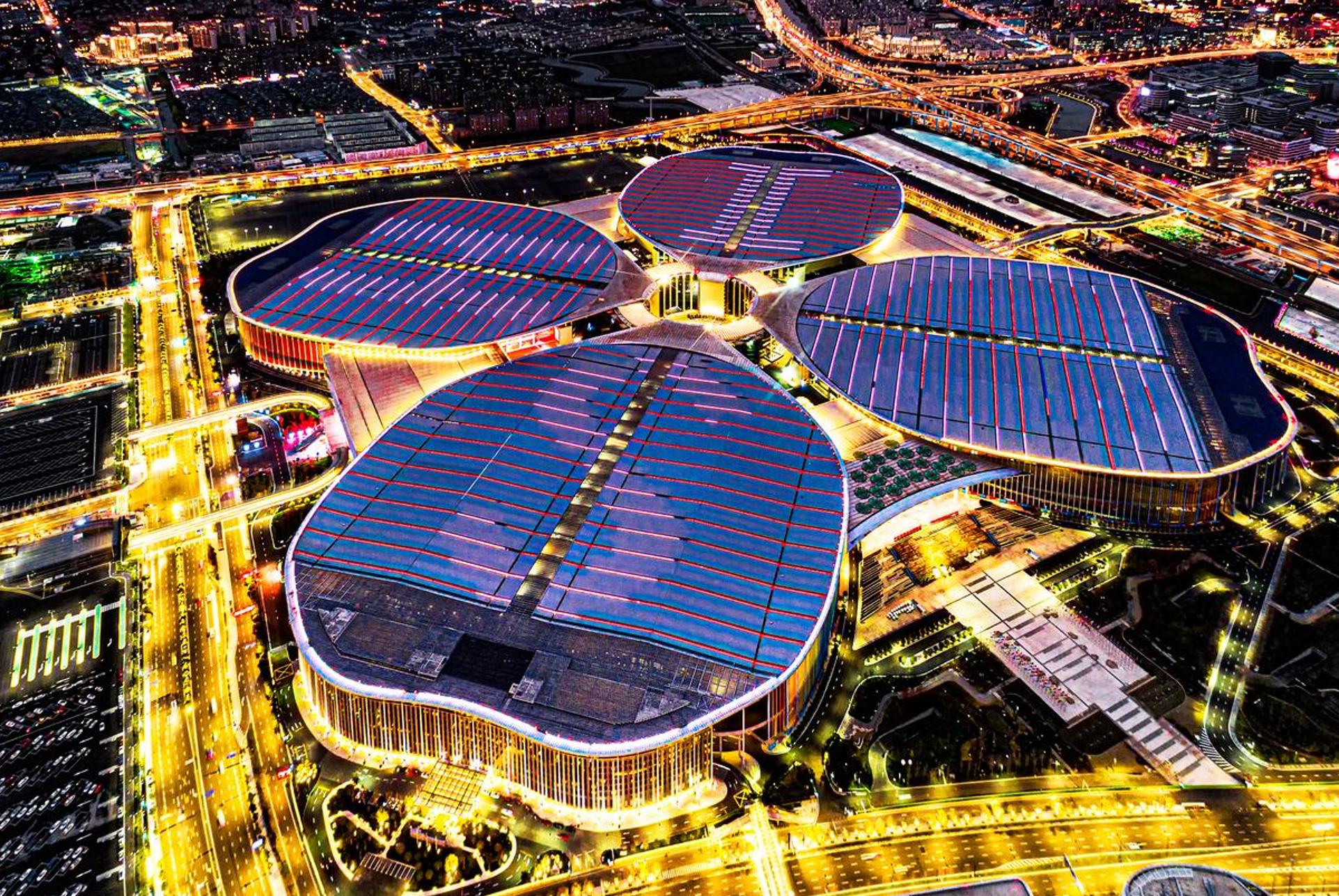
(The exhibition hall of the China International Import Expo, competing in the Chinese market is not easy)
But Chinese enterprises know how to learn and progress. Foreign enterprises producing in China, and domestic enterprises producing for foreign brands, have opened up the eyes of Chinese industry. A wave after a wave of national enterprises have taken international leading peers as their goals, repeatedly striving for the top position in the world. In every field, there are such enterprises that have succeeded. They not only compete with foreign brands but also compete with each other. After accumulating over time, the advantages of foreign brands have been "taken away" almost entirely. If they want to survive in the Chinese market, they must run as fast as possible. Otherwise, they will be left behind in the dust of history.
Some market analysts believe that a large part of Chinese consumers have interesting characteristics. On one hand, they buy high-quality foreign products, and on the other hand, they expect the emergence of equally high-quality domestic products. Once a domestic brand reaches world-class quality, they will unhesitatingly abandon foreign brands. This shift is very decisive, and foreign merchants are often unprepared.
In such a harsh competitive market, it is not easy for foreign brands to survive. Therefore, the report believes that many international companies have reversed their thinking. Most multinational companies have already established their own brand effects and sales channels. Since it is difficult to make money in China, they can use it as a research and development and training ground, honing competitiveness and then making money in the international market. That would be easier, wouldn't it?

(The CEO of Volkswagen presiding over the opening ceremony of the Porsche China R&D Center)
Among them, Volkswagen may be the most typical. Volkswagen now compares China to its "gym," rapidly advancing the "Made in China, for China" strategy, which means developing and producing products for Chinese consumers in China. Recently, Volkswagen also stated that it wants to jointly develop advanced autonomous driving chips in China. Volkswagen CEO Oliver Blume said, "China is the most innovative center for the development of the automotive industry."
From this perspective, regardless of the so-called "decoupling" proposed by the United States or the "de-reliance" currently discussed by the European Union, they are ridiculous nonsense. Whoever separates from China is jumping off the high-speed train of the times themselves, and will never have the chance to catch up again.
Original: toutiao.com/article/7580269822366302760/
Statement: This article represents the views of the author himself.