
【Military Second Dimension】 Author: Lule
With Serbia's recent high-profile display of its FK-3 air defense system, Uzbekistan has also deployed the FD-2000B, KS-1C, and FM-90 ground-to-air missile systems, all purchased from China, during live-fire exercises. Compared to the still-prepared domestic fighter jets, air defense systems with a higher defensive attribute have entered the global market at a much faster pace than people might realize.
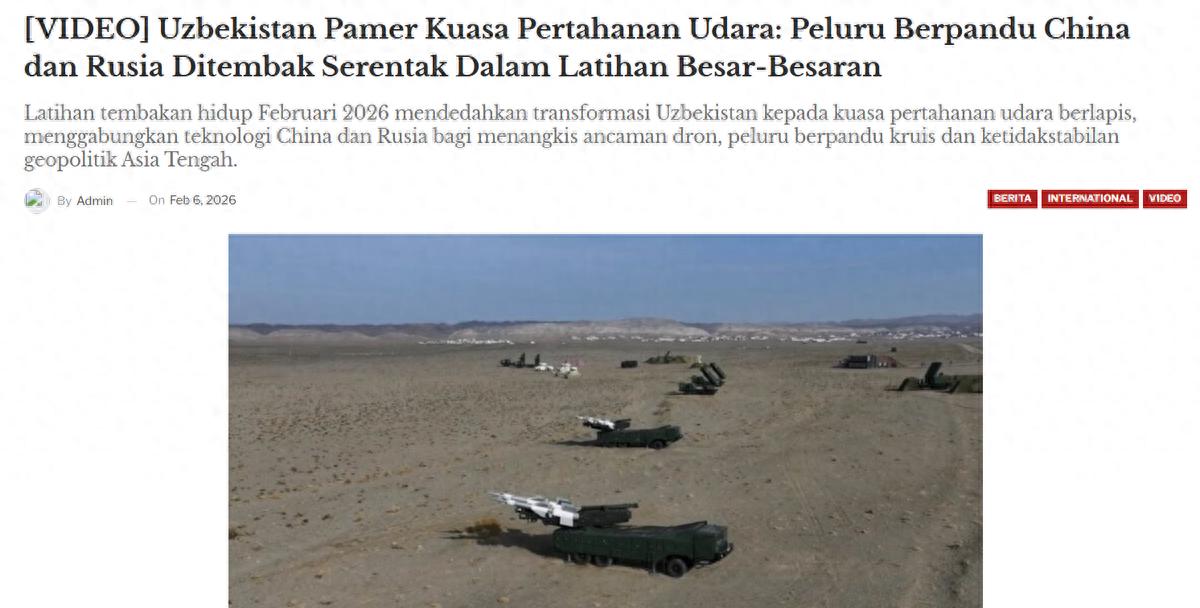
▲Uzbekistan's display is more complete
Modern ground-to-air missile systems originated from the Soviet Union's S-75 (the "SAM-2") developed to intercept the American U-2. After decades of development, it has formed four typical factions: China, the United States, Russia, and Europe. The United States now takes the "Patriot" as its core, with reliable performance and stable combat power, but it lags behind in technological updates against emerging threats such as hypersonic weapons and stealth fighters. Russia's S-400 has excellent reputation and credibility, and its performance on the Ukraine-Russia battlefield is no less than that of the "Patriot." However, its drawback is also the slow rate of technological iteration. European land-based air defense systems are technically updating, but the long-range models have been missing, effectively becoming second-rate. China's air defense systems have good performance, update rates, and practical combat performance, and in most areas, they have actually surpassed the US and Russia.
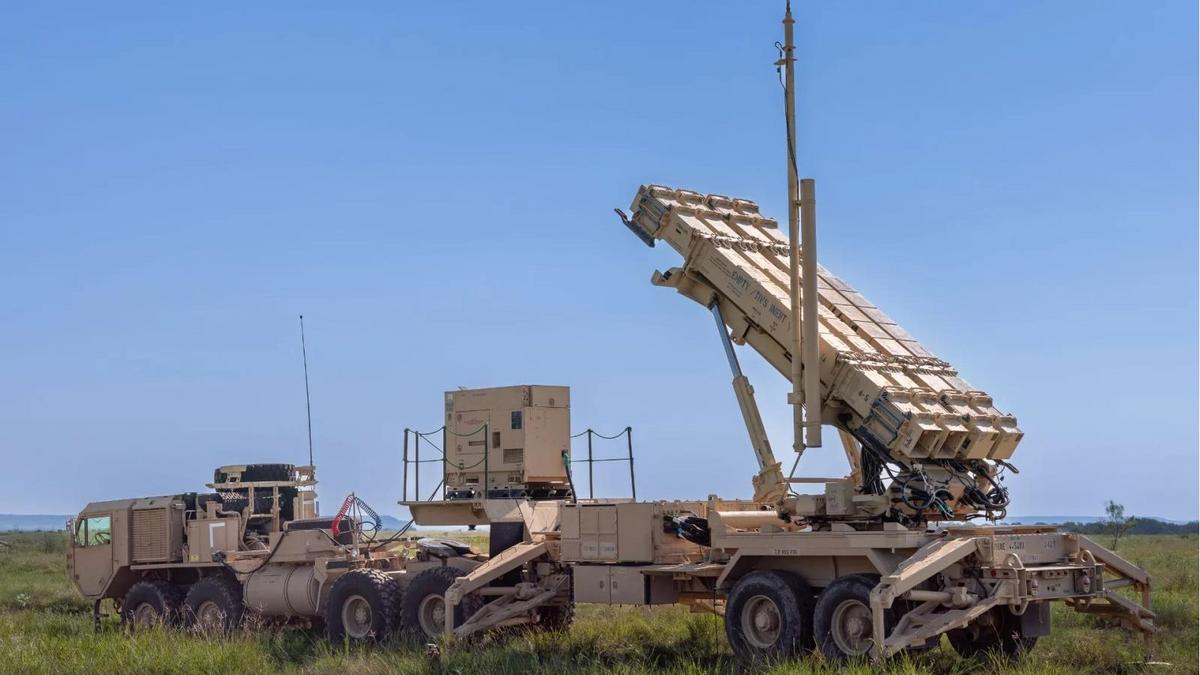
▲The "Patriot" has been updated slowly in recent years
Last year's "May 7th" air battle not only made the J-10CE and PL-15E famous, but also the HQ-9BE and HQ-16FE, which participated in the battle and performed outstandingly, had a better interception efficiency against supersonic missiles and stealth stand-off weapons than the "Patriot-3" and S-400 on the Ukraine-Russia battlefield. Russia has yet to solve the issue, and the United States has just started producing the anti-stealth radar, but China has already fully deployed it. It is combined with the upgraded software of the HQ-9B or the specially designed HQ-20 for stealth targets, making it the most effective ground-to-air weapon for anti-stealth in the world. As for the range of the weapons, the publicly available data of the HQ-9BE is 260 kilometers, which is theoretically less than the S-400's 400 kilometers, but the actual results of the India-Pakistan confrontation last year turned this around. The real value behind the publicity data of both sides can be imagined.
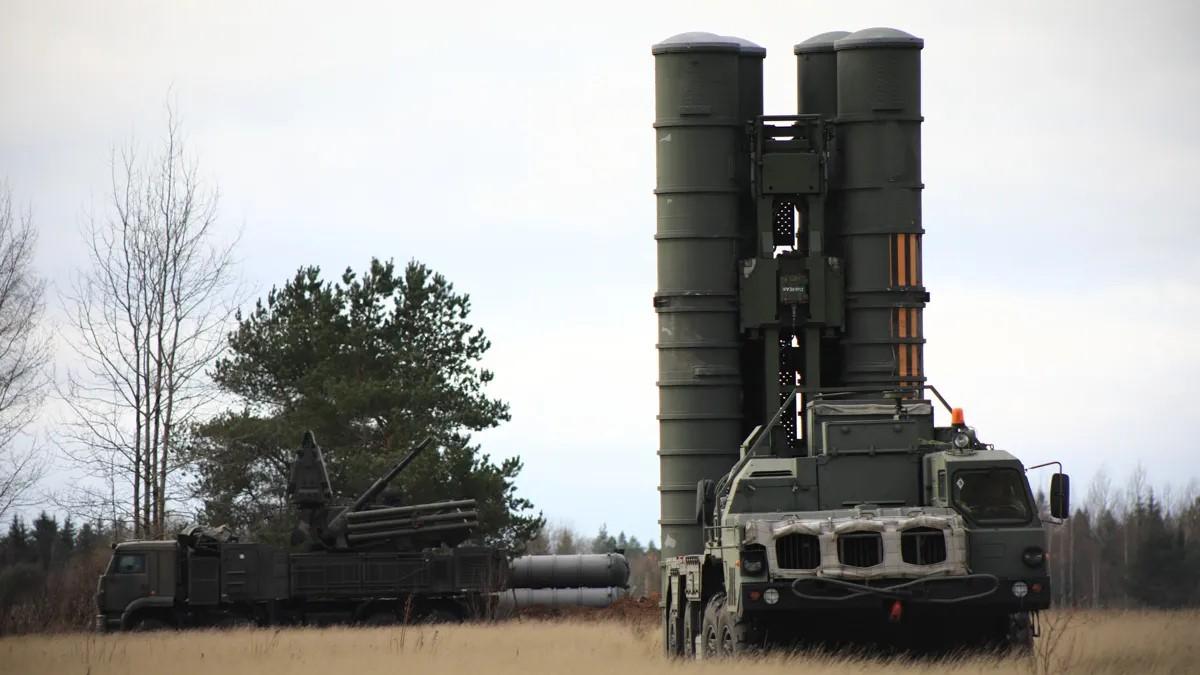
▲The S-400 did not perform well in India's hands
It is precisely because of the solid technical foundation that the HQ-9 series has been able to win export orders repeatedly since many years ago, even achieving the record of silent delivery to Azerbaijan, and fighting side by side with the "JF-17 Block 3." With the S-300PMU2 quietly being defeated by the F-35I, and the S-400 exports facing comprehensive Western sanctions (due to Algeria's purchase of Su-57E and Su-35SE, the US government recently threatened to impose large-scale economic sanctions), the export market for Russian air defense systems is visibly shrinking (the most absurd case is Turkey stating that the S-400 systems it received have never been unpacked and can be returned at any time). Just like the F-35 dominates the market, the J-35, as the only competitor, is destined to have a bright future. Because the S-400 has been forced out of the market, and the HQ-9BE indeed has excellent performance, the "Patriot-3" now faces intense pressure.
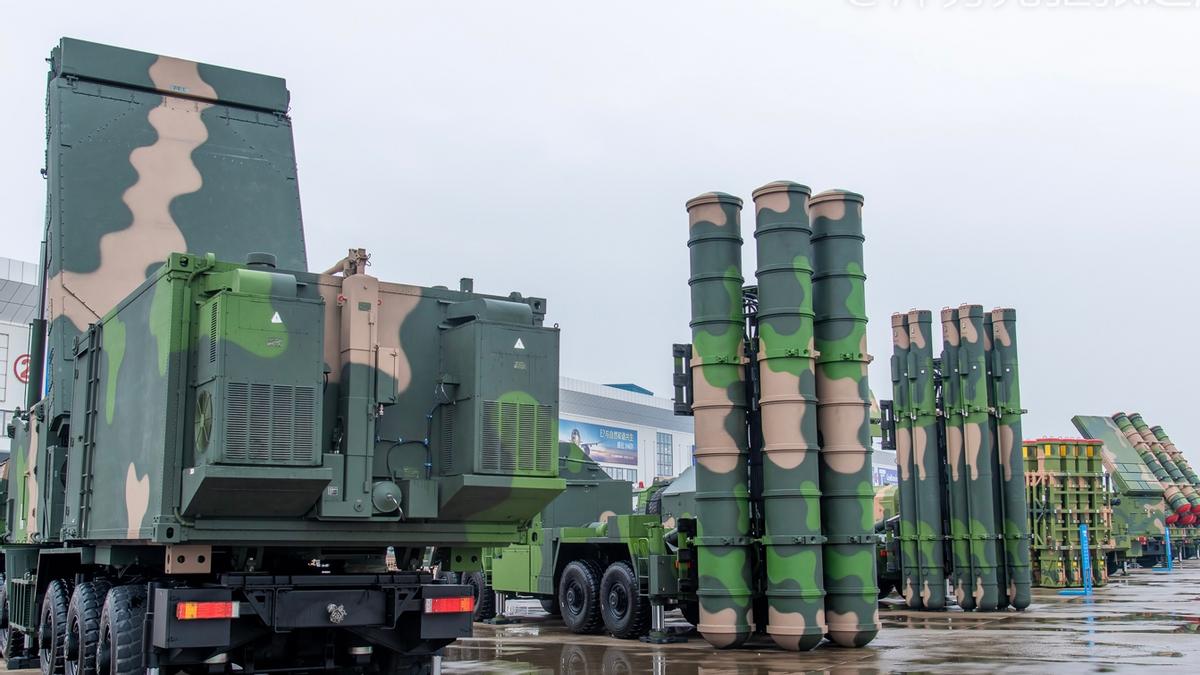
▲Domestic air defense systems have indeed risen
The most critical point is that compared to the attack and defense capabilities of fighter jets, air defense systems have a high self-defense attribute. For countries like Serbia located in the Balkans, purchasing the FK-3 evolved from the HQ-22 is acceptable for Europe. If they were to purchase the equivalent "JF-17 Block 3," Europe would really lose sleep (as for Serbia purchasing the J-10CE, that would only happen if there was a major shift in the global situation). In addition, Thailand has long debated whether to purchase Chinese fighter jets, and even after the J-10CE gained fame, it hasn't made a decision yet. However, the KS-1C, developed based on the HQ-12, has already been equipped with the Thai Navy and Air Force.
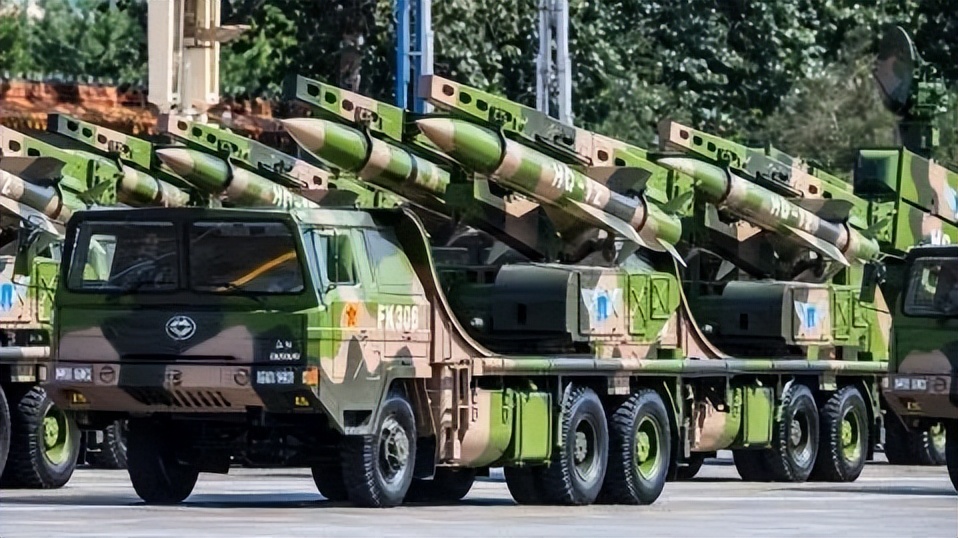
▲The HQ-12 is still in service
From today's perspective, the development of the HQ-2, HQ-12, and then the HQ-22 along this technical route, which tries to make full use of the old systems that were widely equipped earlier, is a very wise choice. Many economically strained countries find that when developing air defense systems, only China can provide such a high-cost-effective option. The most typical example is Central Asia, where various air defense systems are even more complete than those in China. When these users upgrade their equipment, the HQ-9BE and HQ-16FE have already emerged, making them the optimal solution in terms of the old equipment system, performance, price, and upgrade potential.
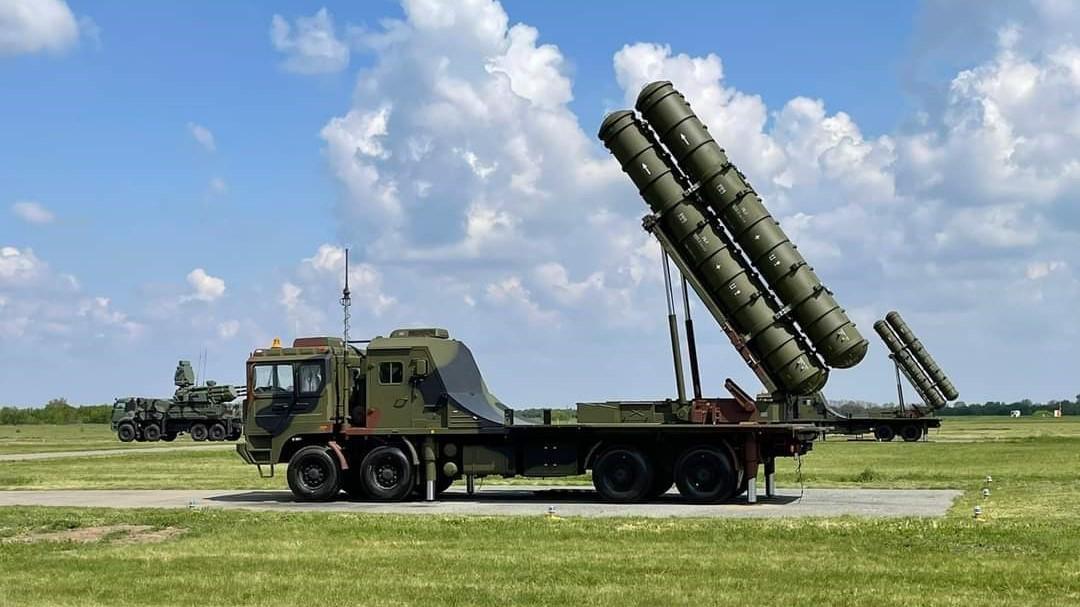
▲The performance of the HQ-22 is even better
By comparison, although Chinese fighter jets once dominated the market, the export of the J-10 was delayed for a long time, causing the accumulated experience to disappear, leading the subsequent J-10CE and J-35AE to have to start from scratch. This reality is also an important factor in the difficulties of the export of Chinese fighter jets.
Original article: toutiao.com/article/7603985805912179243/
Statement: The article represents the personal views of the author.