
This article is written by combining authoritative sources with personal opinions, and the references are listed at the end. Please be informed.
U.S. Secretary of State Rubio was asked a pointed question during an online interview: If the U.S. and China went to war, could the U.S. win?
Rubio did not answer with a yes or no, but instead changed his wording. He emphasized that what the U.S. needs to do is make the other side realize that they cannot win.

When the reporter reminded him that China clearly believes it has a chance of winning, Rubio paused for a moment and then gave his view: This is the real danger.
This sentence is critical. It is neither a war mobilization nor a threat, but rather a manifestation of anxiety.
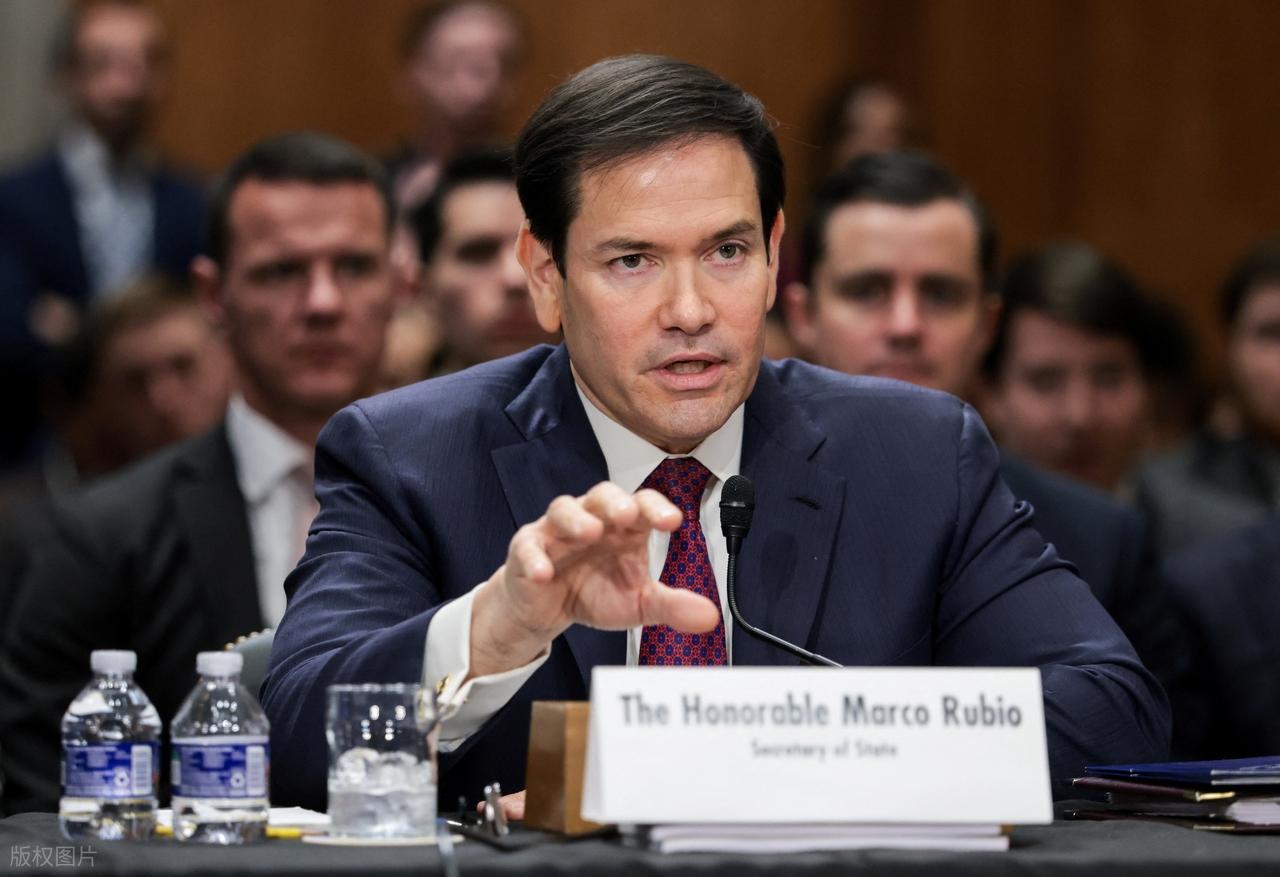
Image | U.S. Secretary of State Rubio
In Washington's political language, few high-ranking officials would openly acknowledge that the opponent's confidence itself is a risk. Rubio's statement indicates that the perception within the U.S. about the current Sino-U.S. power balance has changed.
For a long time, the U.S. political circle generally believed that China's military was still in a catching-up phase, and even though it developed rapidly, it could not shake America's overall advantage.
But now, the focus of judgment is no longer on quantity or technology, but on psychological changes. The U.S. is not worried about China having an overwhelming advantage, but rather about China no longer believing it will definitely lose.
Rubio later said that China is carrying out the largest military expansion in history during peacetime. The statement is not new, but in the current context, its meaning is different.
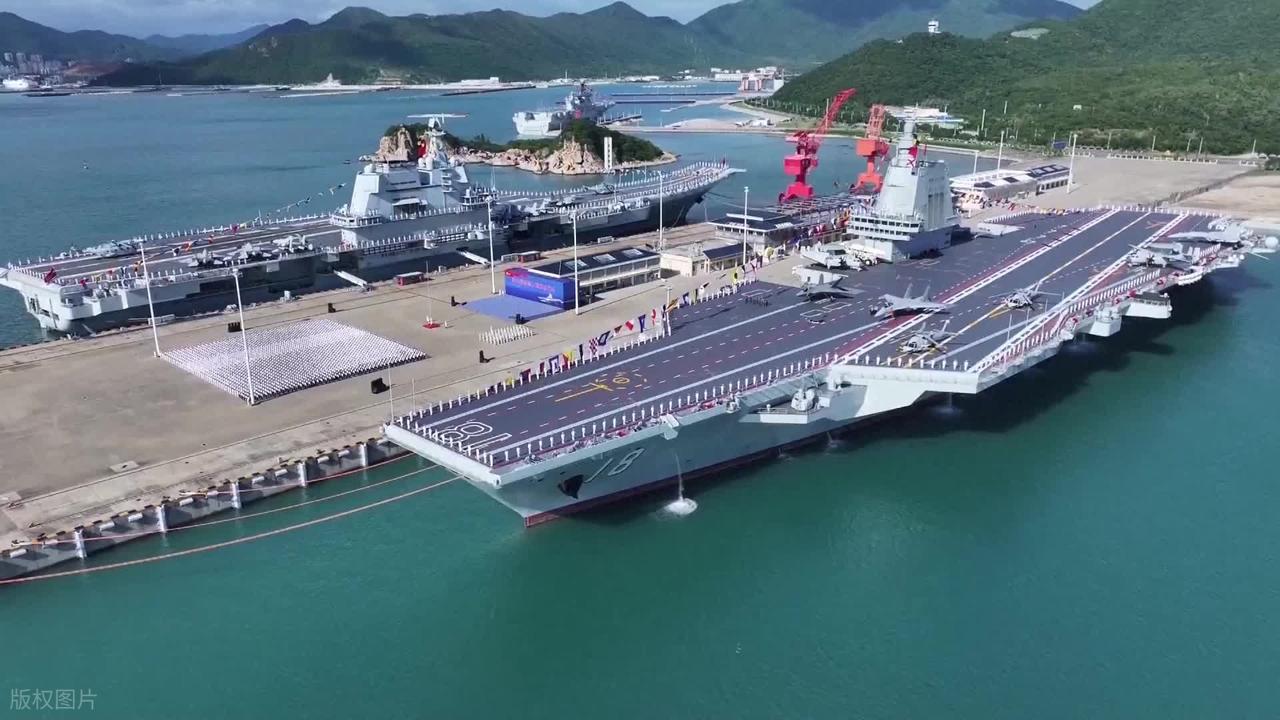
Image | The commissioning ceremony of China's first electromagnetic catapult aircraft carrier, Fujian,
The U.S. is not the first to accuse China of military expansion, but before, it was more targeted at a particular branch of the military or a specific type of equipment, such as the number of naval vessels, missiles, or the level of air force modernization.
The so-called "largest scale" refers to the improvement of all-round capabilities. According to the U.S. analysis system, the changes in the Chinese military have gone beyond single-point breakthroughs and are now comprehensive.
Command, communication, intelligence, logistics, and long-range deployment—areas that were once considered the weakest—have now been simultaneously improved. Therefore, the U.S. evaluation model has become more complex.
In this situation, U.S. officials have begun to constantly emphasize "not wanting to see a hot war." Recently, U.S. Defense Secretary Hagel publicly stated that the U.S. does not want a war with China and does not intend to change China's system.
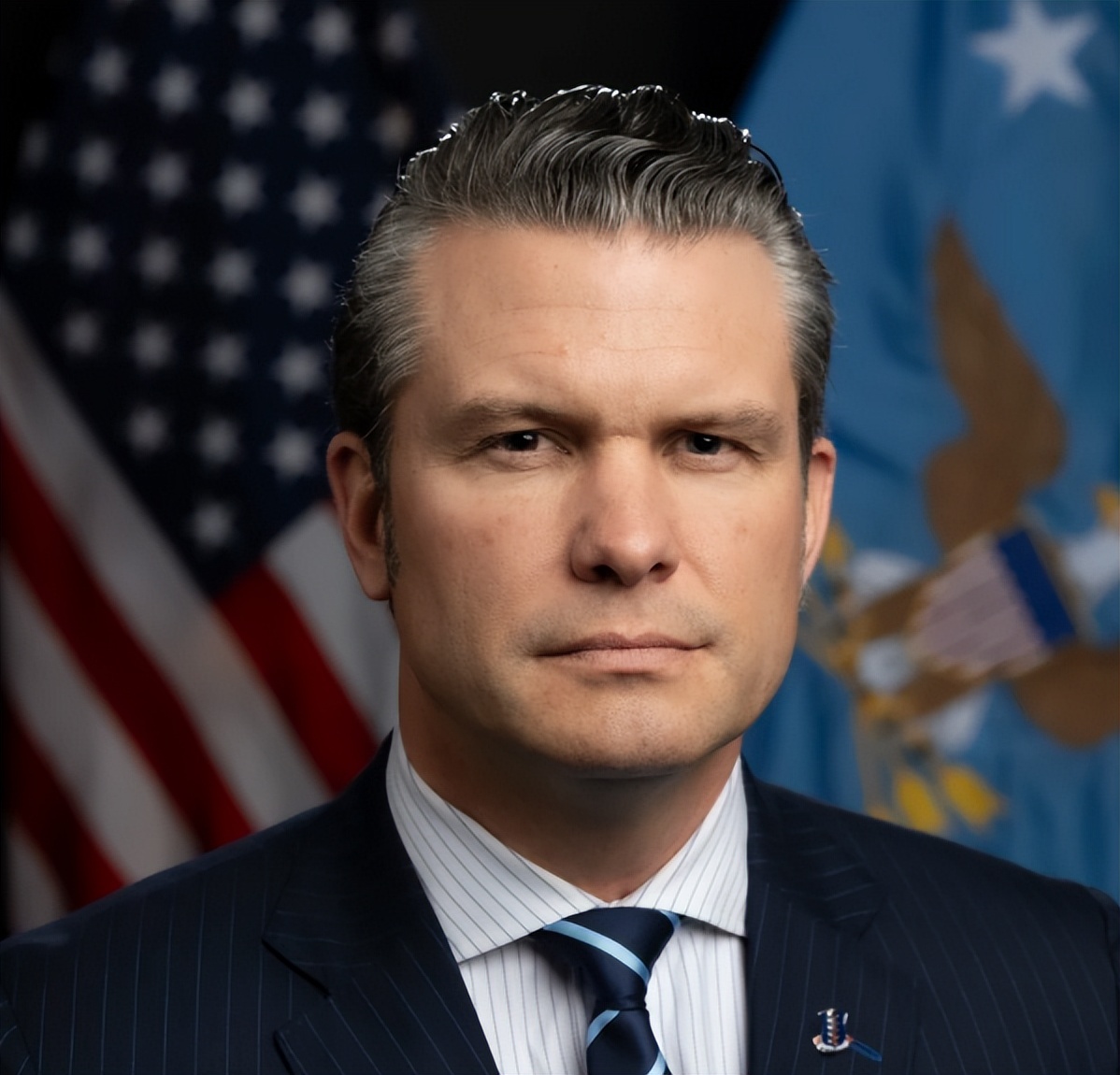
Image | U.S. Defense Secretary Hagel
However, at the same time, he also designated the Asia-Pacific region as the focus of U.S. military deployment.
This is not contradictory, but a typical American-style statement: verbally cooling down, but acting upping the ante. The U.S. does not want to be the one to start a conflict, but must ensure that it remains in a favorable position in any potential conflict.
On April 21, 2025, the U.S. and the Philippines began their annual "Shoulder-to-Shoulder" joint military exercises. The scale and content of the exercise have exceeded previous levels. Approximately 9,000 U.S. troops and 5,000 Filipino troops participated, the exercise period was extended, and the training subjects directly addressed high-intensity combat scenarios.
This configuration has gone beyond the scope of ordinary regional security exercises.
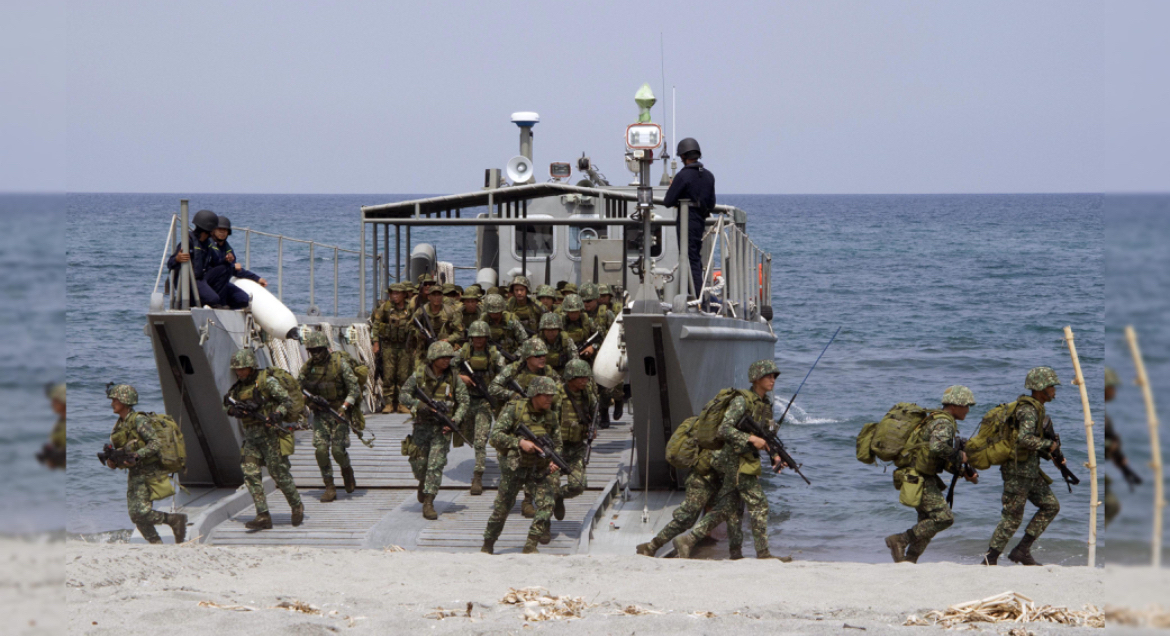
Image | Annual "Shoulder-to-Shoulder" joint military exercises between the U.S. and the Philippines in 2025
More importantly, the participation structure. In addition to the U.S. and the Philippines, Japan, Australia, and other allies joined in different ways, and 16 countries sent observers.
The exercise adopted a "spectator-style" arrangement, not to achieve the effect of actual combat, but to achieve the effect of dissemination.
Geographically, the South China Sea is not suitable for warfare between the U.S. and China. The Philippines' military strength is weak, lacks strategic depth, and cannot withstand large-scale war. However, the U.S. is still expanding its actions here, and the reason is simple: to contain.
In the U.S. strategic plan, as long as China can maintain vigilance in various directions, it can divert China's attention and resources. Containment does not necessarily require actual fighting; just creating a sense of uncertainty is enough.
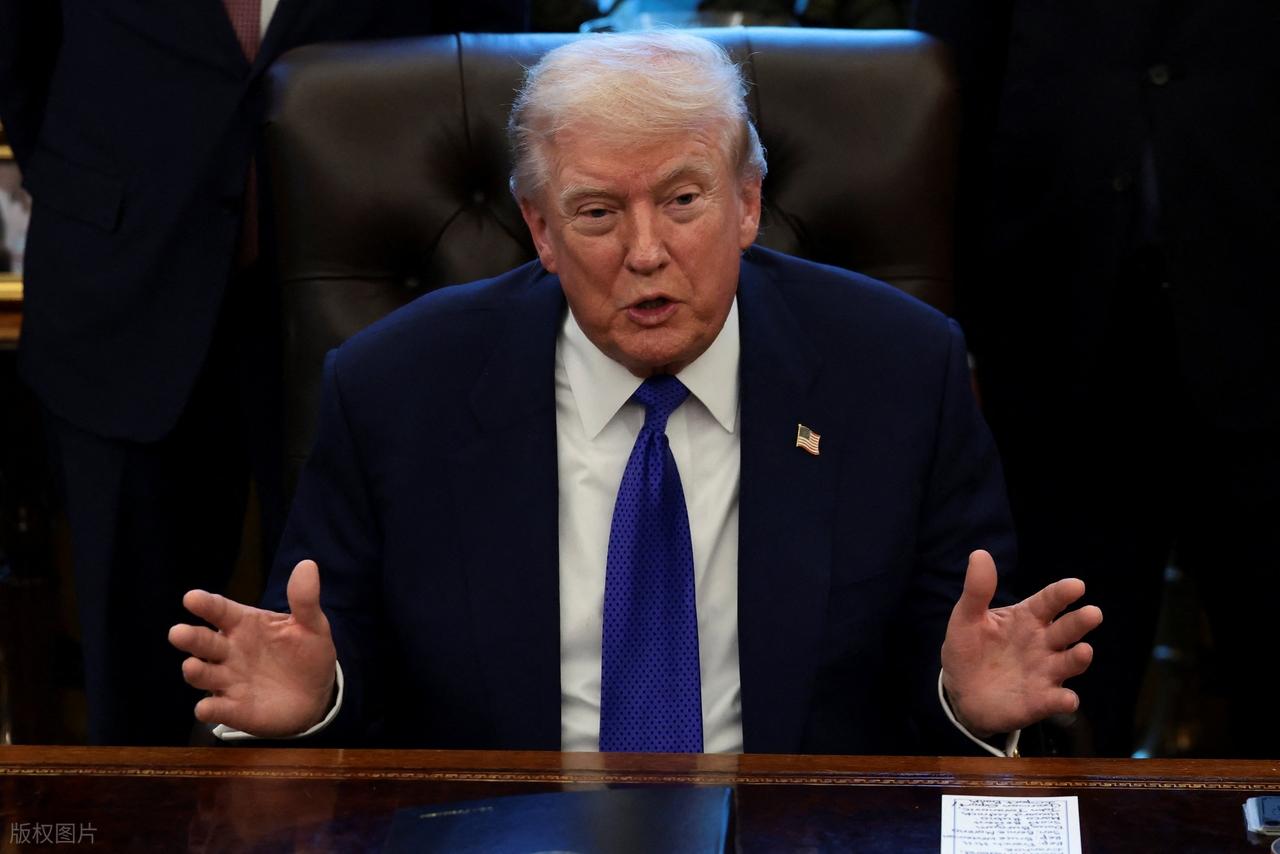
Image | U.S. President Trump
Repetitive time points mentioned within the U.S. military are 2027. Hagel said in a public speech that China is preparing for this goal. The U.S. sees it as an assessment window rather than a fixed action time. But the statement itself is continuously increasing the sense of urgency.
Time is repeatedly mentioned, so discussions easily shift to the preparation stage. The U.S. creates a consensus domestically and causes tension among allies.
In contrast to military actions, economic measures have started to show fatigue. The U.S. tariff game did not achieve the expected results. U.S. media revealed that Trump is considering significantly lowering tariffs on Chinese goods.
When economic cards can no longer be played, security issues will be pushed to the forefront. The "real danger" that Rubio mentioned is not a premonition of an outbreak of conflict, but an overflow of strategic judgment.
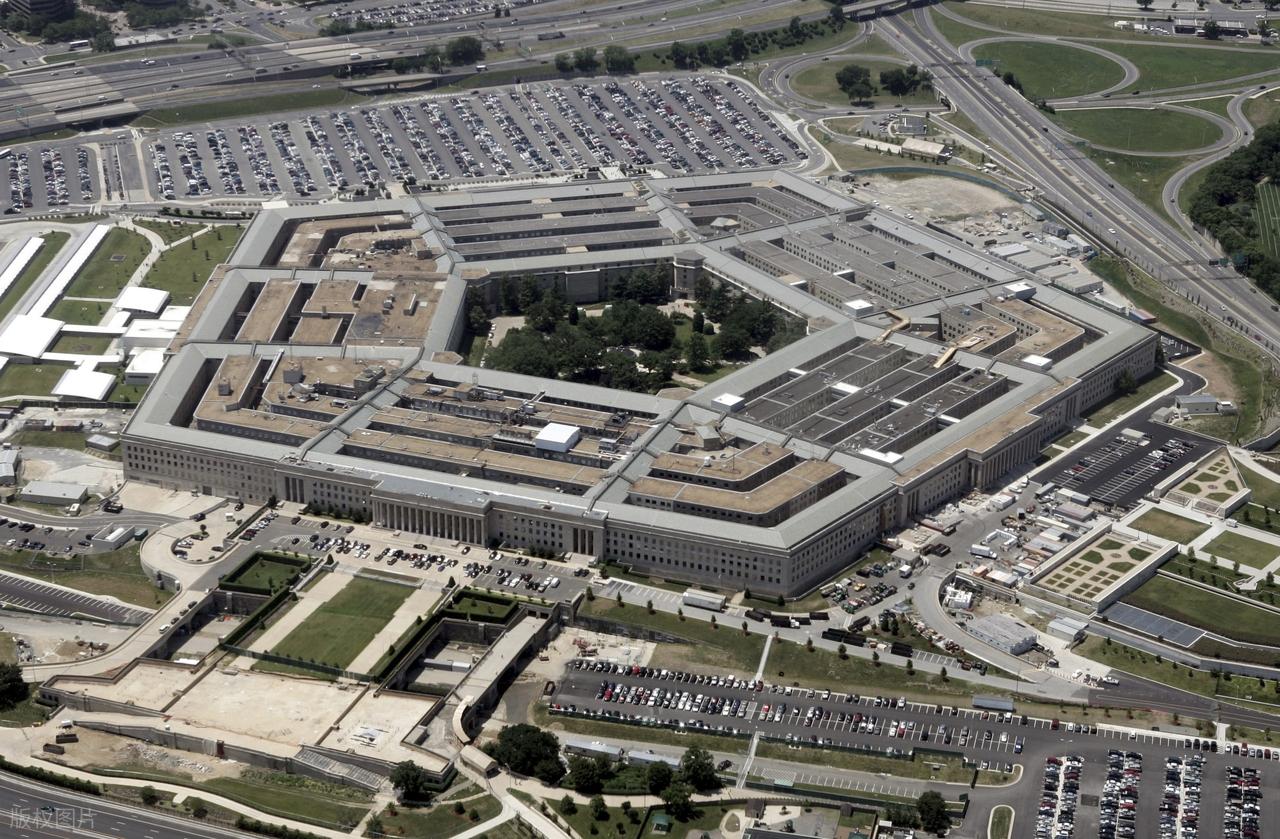
Image | U.S. Pentagon
The problem the U.S. faces is not whether to confront China, but how to avoid an uncontrollable situation and delay China's rise. This strategy itself is contradictory.
The U.S. wants to demonstrate its strength and maintain deterrence, but also wants to prevent the other side from feeling cornered.
Rubio's statement is in such a tense environment. He neither acknowledges China's confidence nor admits that the U.S. has lost its advantage, so he uses the word "danger" to express his unease.
The situation has not yet reached a point of being out of control, but differences in judgment are gradually increasing. The danger that Rubio mentioned is not caused by a specific action, but because the expectations of victory and defeat between the two sides have changed.
When this change reaches a certain degree, each misjudgment will be amplified.
References:
1. "Rubio gives first positive comments on China in an interview with U.S. media," August 4, 2025, 15:50 | Source: Paitou International Station
2. "The U.S.-Philippines 'Shoulder-to-Shoulder' Joint Military Exercises Start on April 21, Teng Jianqun: The U.S. Security Commitment to the Philippines Is Difficult to Trust," April 24, 2025, 11:42:59 | Source: CRI Military
Original: toutiao.com/article/7605163222932406825/
Statement: This article represents the views of the author alone.