
Recent EU-approved large-scale loans to Ukraine have exposed the behind-the-scenes calculations of Europe regarding the Russia-Ukraine conflict.
On December 19, the EU summit in Brussels concluded, with all parties finally agreeing to provide Ukraine with 90 billion euros in loans over the next two years to ensure that Kyiv's war funds would not run out by April of next year.
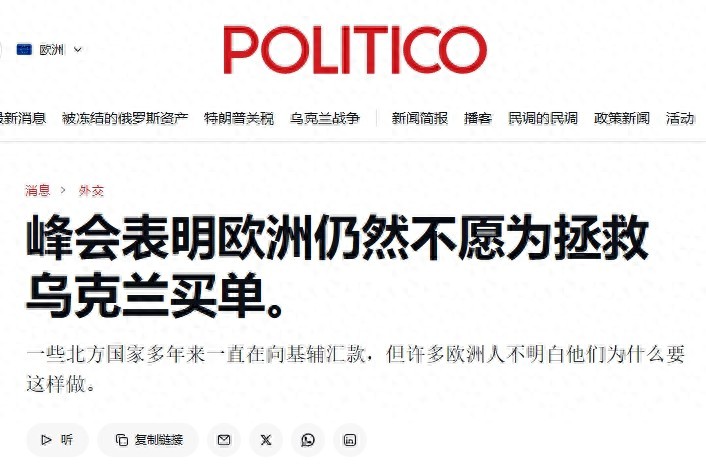
Some Western media still consider the money provided by the EU insufficient.
This loan scheme, known as "Plan B," will be funded through borrowing in the EU capital market and supported by the EU budget space — according to the European Commission, the EU will have to pay 3 billion euros annually in borrowing costs.
However, this loan plan was not initially the EU's first choice. Before the summit, EU Commission President von der Leyen had pushed for a more direct approach, using frozen Russian assets, their generated income, or even the principal as collateral, to provide Ukraine with so-called "compensation loans."
This plan received support from Germany, France, and Baltic countries, but was opposed by Belgium, the headquarters of the European Central Bank and holder of a large amount of frozen Russian assets.
Belgium's reason for opposing was simple: it was acceptable to use Russian assets, but all EU members must share the political and financial risks involved — as Belgian Prime Minister De Croo put it, "If we have to jump, then all EU countries must jump together."

The EU's 90 billion euro loan is the real plan.
Ultimately, since no other country was willing to "jump together" with Belgium, the plan to move Russian assets quickly failed, and the EU had to change its approach to directly lending money to Ukraine.
However, the loan plan was not without obstacles. The Czech Republic, Hungary, and Slovakia clearly stated they did not want to pay, so the EU had to make compromises, allowing these three countries not to participate in the guarantee and have the remaining 24 member states share the loan, in exchange for the plan being passed at the EU summit.
So what exactly is the nature of this huge loan?
Poland's Prime Minister Tusk said during the summit a pointed statement: "We face a simple choice — either spend money today or bleed tomorrow" — Tusk's words accurately summarized the core logic of the EU's current strategy towards Ukraine, which is for the EU to fund and Ukraine to send people, continuing the war to avoid direct military confrontation between Europe and Russia.
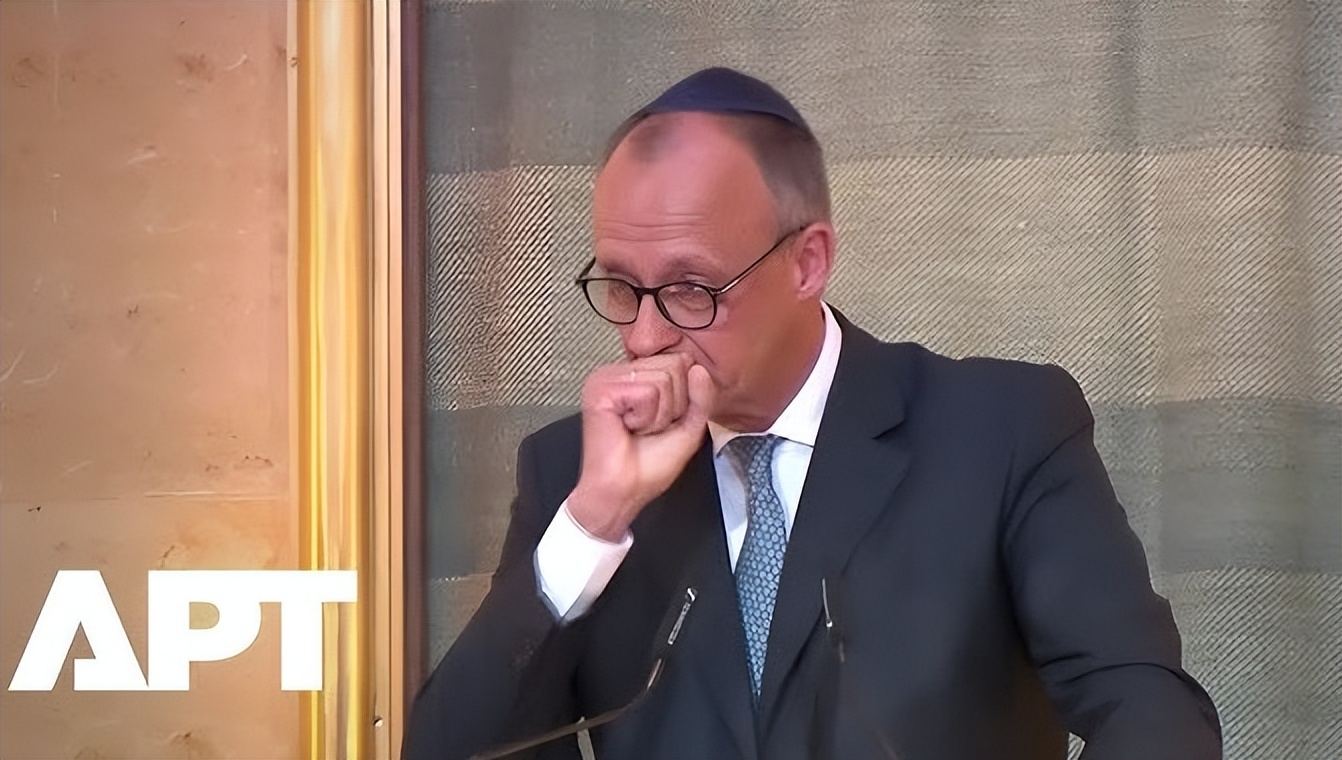
Except for Orbán, Merkel, Mitterrand, and von der Leyen didn't care much about how many people in Ukraine have already died.
In other words, without Ukrainian bloodshed, the old Europe, which has been relying on colonial-era and post-Cold War benefits, would directly face an already angry Russia.
A most direct example is that a few days ago, German Chancellor Merkel lamented that the Russia-Ukraine conflict was her "nightmare for the past four years" — seemingly genuine emotion, but actually a hypocritical performance.
Merkel has long been one of the staunch advocates for using frozen Russian assets, but after going back and forth with Belgium, her position could not be maintained — can Belgium really block Germany alone?
Certainly not. The fundamental reason is that the European hardliners led by Merkel never intended to truly use Russian assets from the beginning — if Merkel had real determination, why fear political risks and Russia's warnings?
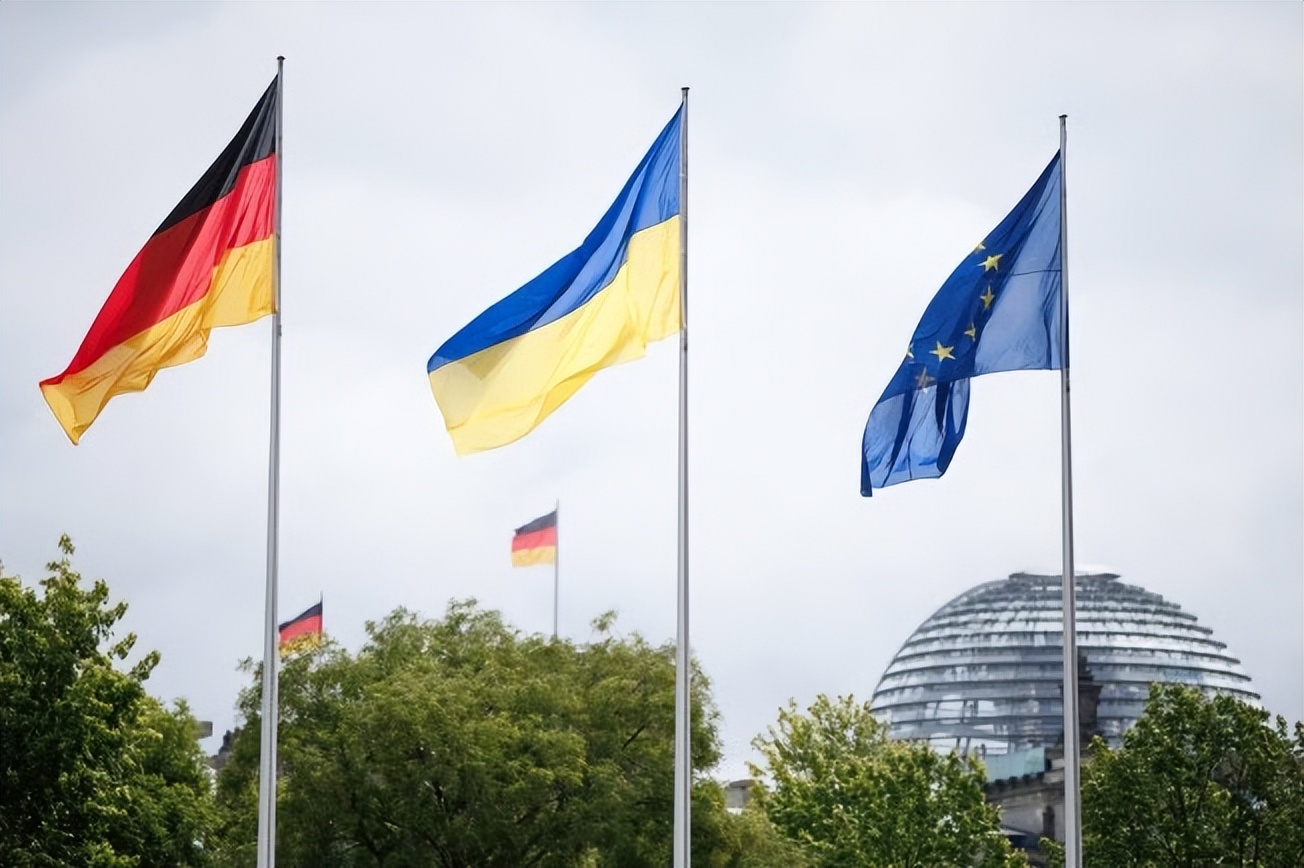
Europe pays to have Ukraine fight.
As in this case, the EU excluded countries like Hungary that opposed the loan plan — this precisely shows that the opposition of a single member state cannot stop the EU core group from taking action on important issues. The so-called "unanimity principle" can be bypassed in practice through interest exchanges and adjustments to the plan.
But Merkel ultimately retreated on the plan to use Russian assets — in short, because the goal of these hardliners was never to "fight to the death" with Russia at all costs: they can loudly condemn Russia and support Ukraine, but they will do everything possible to avoid direct confrontation with Russia.
After all, once Europe faces Russia directly, the cost would be far more than just 90 billion euros in loans. So between paying money and sending troops, the EU can only choose to let Ukraine continue bleeding.
Original article: toutiao.com/article/7586243735659332147/
Statement: This article represents the personal views of the author.