

In recent times, China's overseas ports have frequently been subject to political manipulation, with the shadow of the United States behind them. After the Panama Canal incident and the Darwin Port controversy in Australia, China's Qiankai Port in Peru has also caught the attention of Trump.
It's "inconvenient" that the current president of Peru is currently facing a crisis in governance. The U.S. first spread rumors and smeared China's Qiankai Port, then invested 1.5 billion to build a military base near China's port, and now it may directly interfere in Peru's political situation, forcing the Peruvian government to comply.
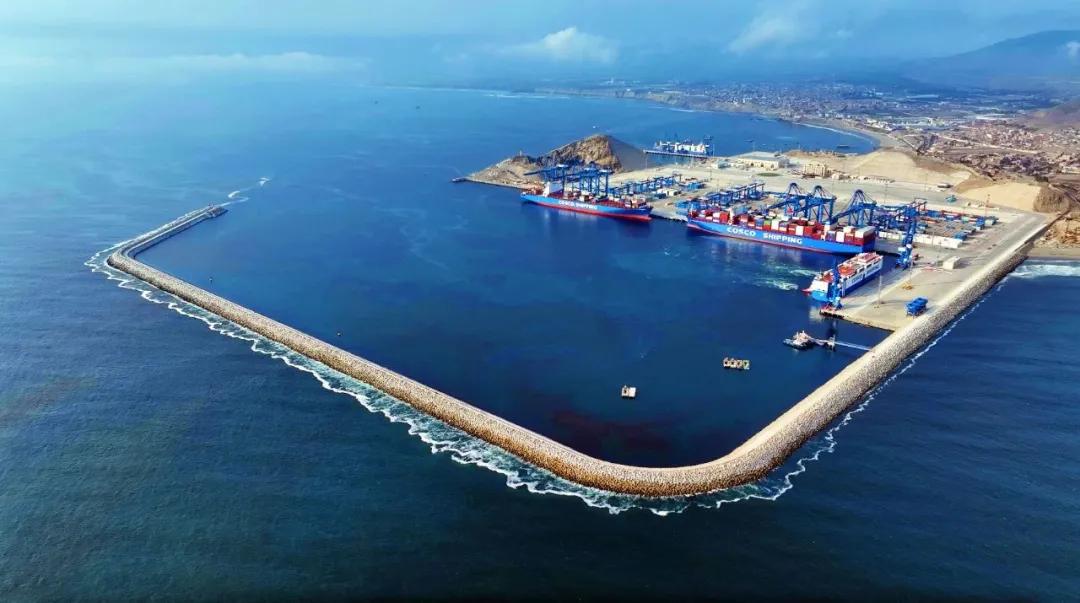
Qiankai Port is a key port for China in South America
Why is Qiankai Port Important?
Before discussing the U.S. actions against Qiankai Port, China needs to explain what Qiankai Port is.
According to information, Qiankai Port is the first smart port in South America and also a rare deep-water harbor. After its opening in November 2024, the direct sailing time from Shanghai to Peru was shortened from 33 days to 23 days.
More importantly, the actual benefits it brings. In the first 11 months of 2025, Peru's fishery exports increased by 25%, reaching an all-time high, with half of it sold to China.
Peruvian fruits have also benefited, with blueberries, grapes, and other fruits being able to be sent to China more quickly, which has led to a significant increase in Peru's fruit exports to China in recent years.
It can be said that the benefits brought by Qiankai Port have made Peruvian fishermen, fruit farmers, and exporters earn real money.
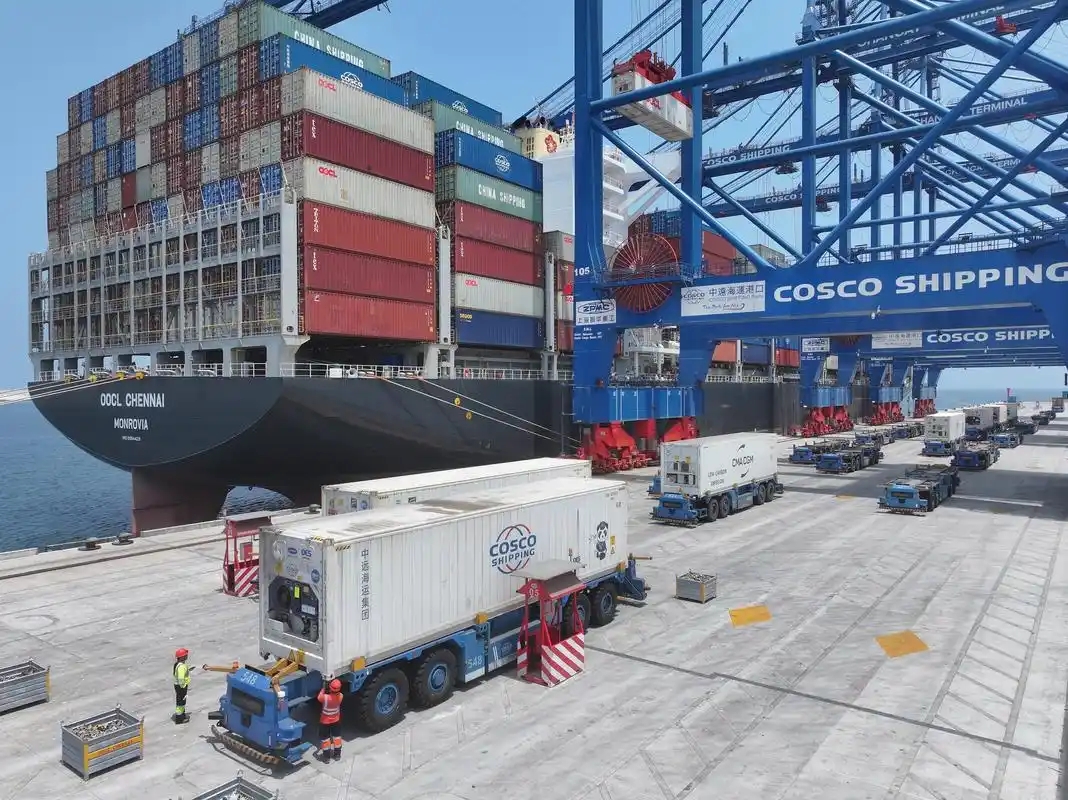
The significance of Qiankai Port to China and Peru is great
The U.S. Actions Are Very Dangerous
On February 11, the Bureau of Western Hemisphere Affairs of the U.S. Department of State posted a message on social media, expressing concern: "Peru may be losing sovereignty over Qiankai Port."
The post also stated, "This is a warning story for the region and even the world: the cost of Chinese funding is sovereignty."
This is not the first time the U.S. has targeted Qiankai Port. Since its opening in 2024, this deep-water port controlled by a Chinese company located on the Pacific coast of Peru has become the latest battlefield in the Sino-U.S. rivalry in Latin America.
After Trump took office, his "Trumpism" has brought this rivalry out of the shadows and into the open.

What the U.S. is using as a pretext is a court ruling in Peru: the local infrastructure regulatory authority has no oversight over Qiankai Port.
But the problem is that Peru's relevant agencies only regulate public ports, while Qiankai Port is a private port. The U.S. is clearly finding a reason forcefully.
Trump's administration clearly knows that merely applying verbal pressure won't force the Peruvian government to comply. Therefore, while Qiankai Port is gradually becoming operational, the U.S. hasn't stopped its actions.
In January of this year, the U.S. Department of State approved a $1.5 billion arms sale plan to Peru, used for the design and construction of new facilities at the Callao Naval Base.
From the map, Callao is near Lima, and just north of it is Qiankai Port.
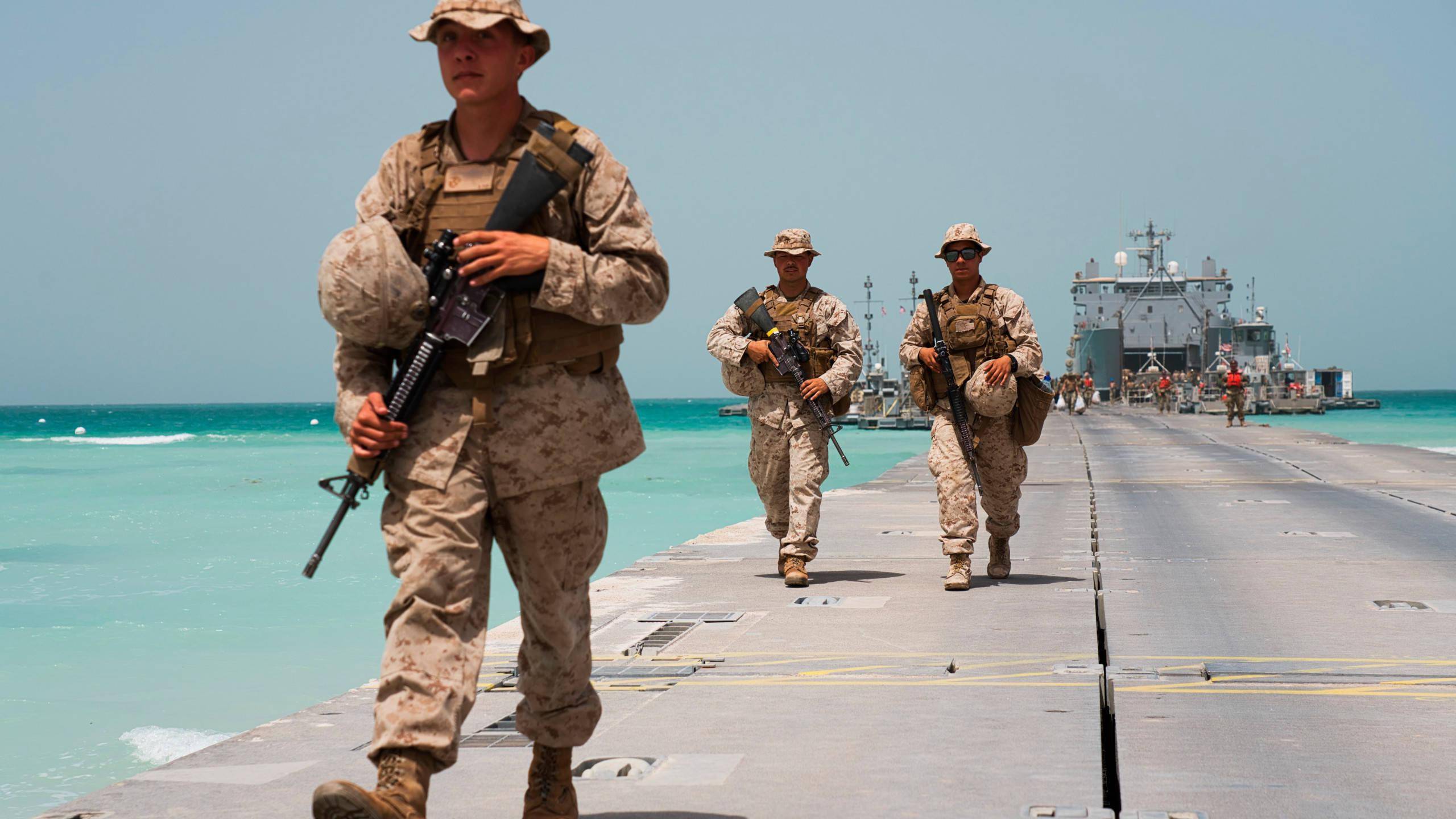
The name given by the U.S. for this arms sale is "Enhancing the Security Capabilities of Important Partners." The contract even specifies that in the next ten years, up to 20 U.S. government or private sector personnel will be stationed permanently in Peru to participate in the project.
Peru would pay $1.5 billion to have Americans build a base, and then these people would stay for ten years. It can be seen that the U.S. global port strategy is not aimed at trade and development but at its own hegemonism and power politics.
The U.S. is simultaneously promoting the "China controls global ports threat theory," while building bases and conducting arms sales around the world.
From the Panama Canal to Australia's Darwin Port, from Greenland to Peru's Qiankai Port, the U.S. hegemonic logic has never changed.

American hegemony has become a cancer in the world
Peru Is Already in Crisis
It is worth noting that as the U.S. intensifies its attacks on Qiankai Port, domestic issues have also arisen in Peru.
In January, Western media such as Bloomberg repeatedly reported that the new President of Peru, Yeri, was exposed for having an "unpublicized meeting with a Chinese businessman, suspected of bribery."
Regarding this, opposition legislators in Peru quickly proposed a motion to remove him. Yeri admitted his mistake and apologized, stating that he was having dinner at a Chinese restaurant, coordinating celebrations for the anniversary of Sino-Peruvian friendship, and the other party did not make any improper requests.
But the opposition didn't give up. They tried to shift the issue from "procedural violation" to "suspected corruption."
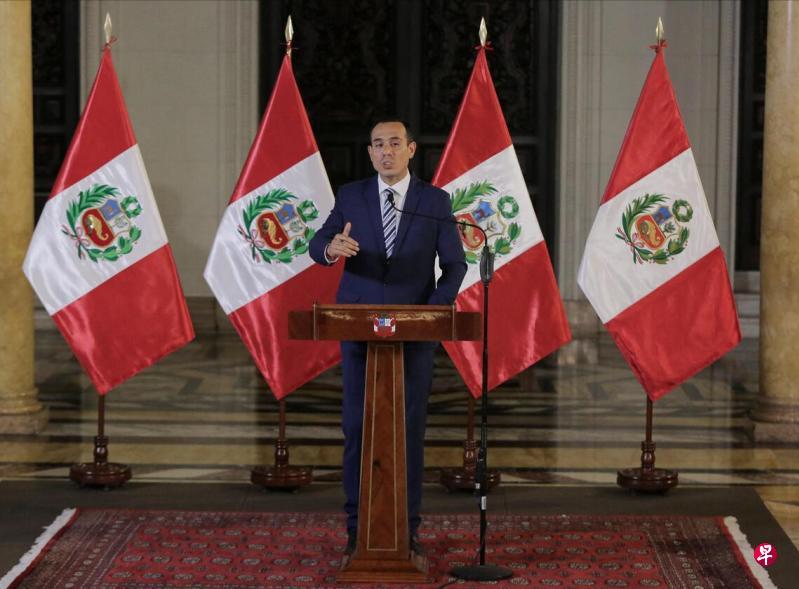
New President of Peru, Yeri
It's hard to say whether there's a shadow of the U.S. behind Peru's turmoil. The U.S. approved the arms sale on January 15, and Yeri testified before Congress on January 21, almost seamlessly connected.
However, according to statistics by Peruvian media, the motion to remove currently only has 20 signatures from legislators, far from the simple majority of 65 votes. With elections coming in April, most legislators are busy campaigning for re-election and don't have time to play along with the opposition.
Nevertheless, we must pay enough attention to this incident to prevent the U.S. from using underhanded means to force the Peruvian government to align with the U.S.

China Has Clearly Expressed Its Position
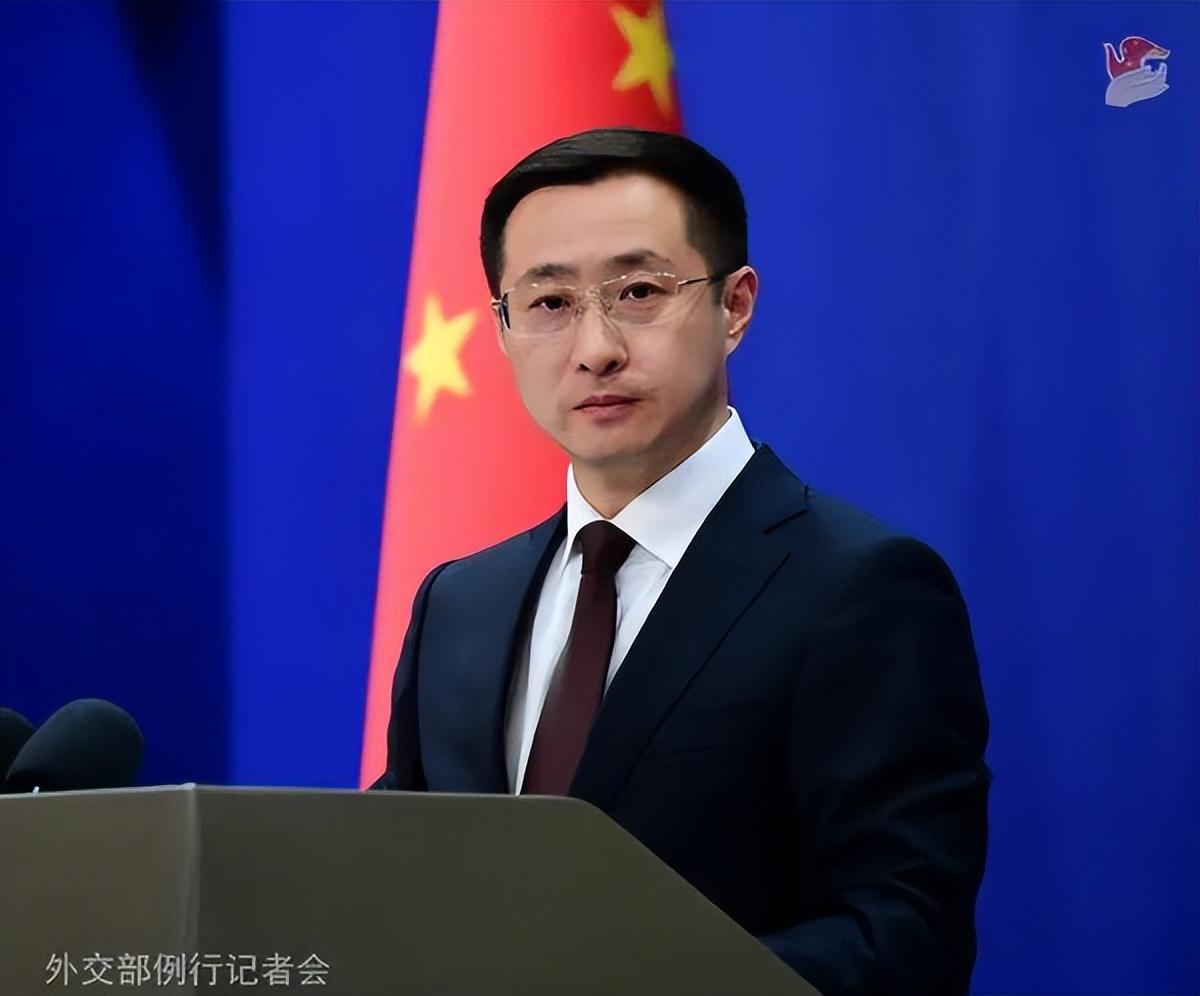
Regarding the U.S. claim that "Peru is losing sovereignty over the Qiankai Port controlled by a Chinese company," Chinese Foreign Ministry Spokesperson Lin Jian responded at a press conference on February 12 with four words: "Openly Fabricated Lies."
Lin Jian pointed out that China strongly opposes and is deeply dissatisfied with the U.S. openly fabricating and smearing Qiankai Port.
In addition, the vice president of Qiankai Port,冈, directly retorted, saying, "Qiankai Port is not an enclave, nor is it a place where the Peruvian state lacks sovereignty. Customs, immigration, and tax authorities are all supervising port activities. Where is the loss of sovereignty?"
For the U.S., we need to prevent and expose its covert operations. Trump hopes to promote "Trumpism," but China will not allow the U.S. to harm China's legitimate rights and interests.
Original article: toutiao.com/article/7606000667093631526/
Statement: This article represents the views of the author.