
On February 14, during the "China Special Session" at the Munich Security Conference, Foreign Minister Wang Yi responded to the situation in the Asia-Pacific region and the issue of Japan. He pointed out that the root of the chaos is not in the Asia-Pacific region, but in Japan.
Japan has become the source of turmoil in East Asia because it has not undergone a fundamental reckoning after the war. The Class A war criminals are enshrined in Japanese shrines, and many political figures take visiting these shrines as an honor. An incomplete attitude toward history has also led to serious problems in Japanese thought. Therefore, Takahashi dares to openly touch China's core interests and attempt to occupy Taiwan again.
For this, 140 million Chinese people will not accept it. Therefore, the Chinese side told Japan in front of 120 countries around the world that there is no ambiguity on the Taiwan issue, the post-war political commitments are not empty words. If Takahashi steps beyond the boundary, what awaits Japan will be China's thunderous anger.
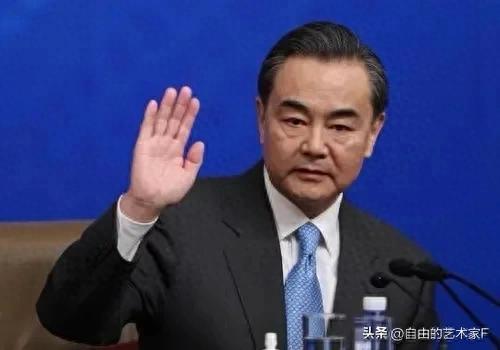
Those who voiced the same kind of sound as China were the U.S. Secretary of State Rubio. After meeting with Foreign Minister Wang Yi, he told the media, "There are differences between the U.S., Europe, and China, but we must make every effort to avoid unnecessary friction. This is in line with the development of the world order."
Rubio's remarks sparked heated discussions worldwide, but the reaction from Japanese media was even more intense. Kyodo News wrote on the front page, "The U.S. attitude toward China has changed; what should Japan do?" They were afraid that Trump would visit China in April for the midterm elections and warned all U.S. allies to avoid conflicts with China. They were also afraid that Trump would abandon Japan's concessions to China for America's core interests.
Facing the boiling public opinion, Japan's Defense Minister Koizumi Shinjiro, who was present at the same event, angrily pointed out at the Munich Security Conference in an unnamed way that Japan's neighboring country is enhancing its military strength in an opaque manner, attempting to unilaterally change the regional status quo through force.
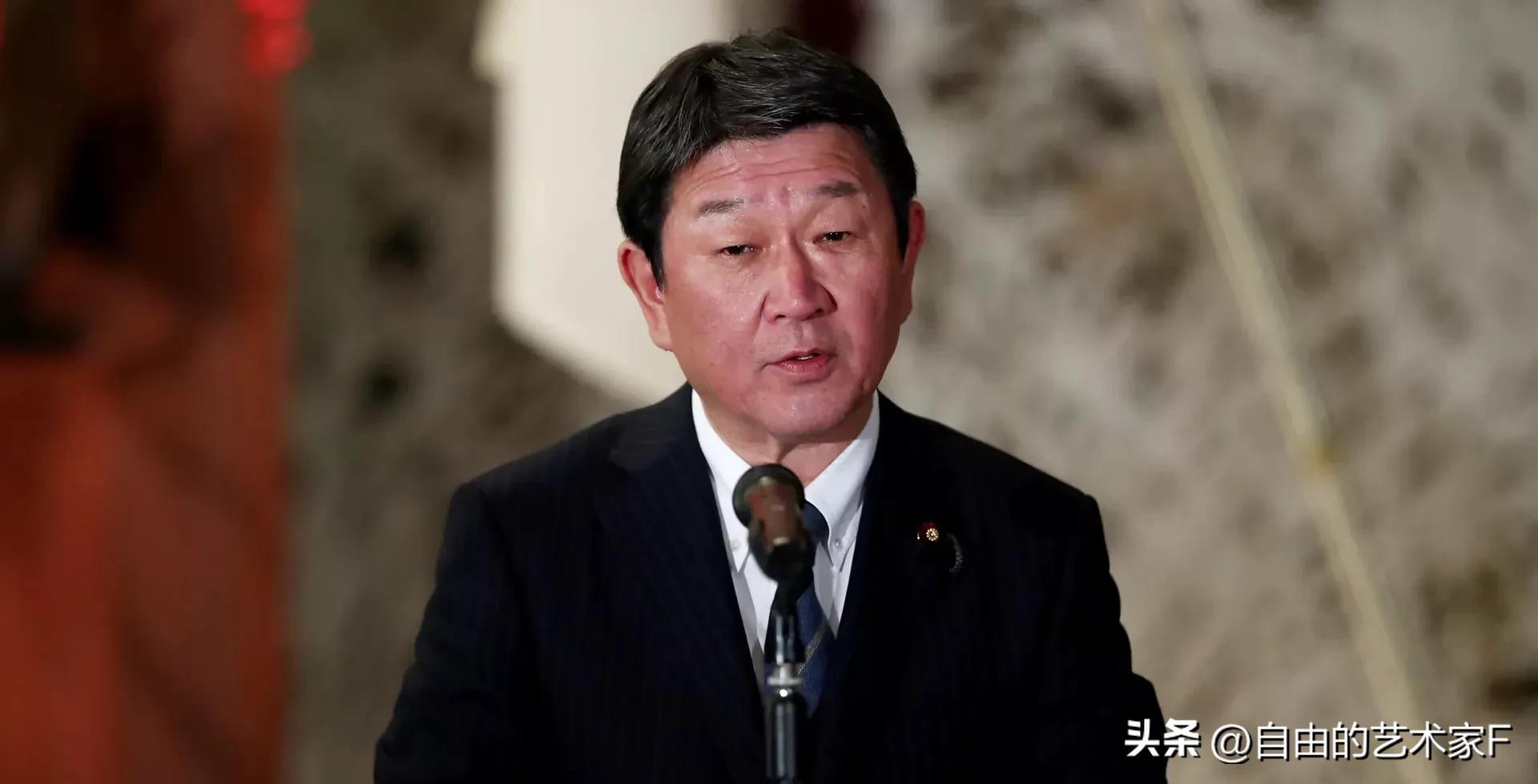
Japanese Foreign Minister Motegi Toshimitsu pointed out that China, Russia, and North Korea have severely affected the situation in East Asia, leading Japan to face the most severe security crisis since World War II.
Meanwhile, Japan's elite class and right-wing extremists began to actively defend Japan, pointing out that Takahashi's remarks were frivolous and touched on China's core interests. However, comparing Japan to Germany, which did not suffer political reckoning, is inappropriate. They also emphasized that China has never stood with the mainstream countries to condemn Russia's occupation of Ukrainian territory, but instead purchased Russian oil, which undermines the international order.
Japanese centrist parties and ordinary citizens pointed out that the right-wing extremists in Japan incited Japanese nationals to commit aggression against Southeast Asia. The remaining right-wingers still control Japan's government, revise historical records, deceive the Japanese people, and are willing to be driven by the United States, planning to once again sacrifice the interests of the Japanese people.
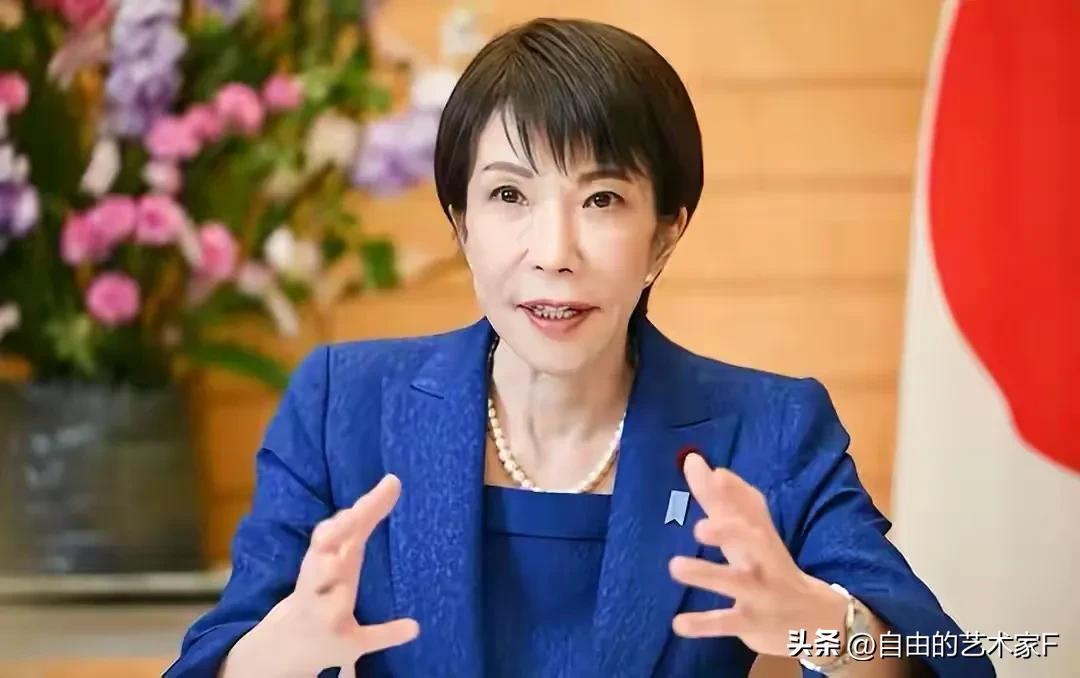
From Japanese politicians hardening their stance and exaggerating the Chinese threat, to the right-wing intellectuals' trickery, and then to the shock and comments of ordinary Japanese people, Japan has expressed three completely different voices. This is the result of the right-wing extremists constantly beautifying the invasion in textbooks, causing cognitive bias among most Japanese people.
Wang Yi's three-minute speech at the Munich Security Conference directly hit the heart of the problem, shocked the international conference hall, and received thunderous applause, which had a strong impact on Japanese public opinion, helping Japanese enlightened people to correct the wrong direction.
Original: toutiao.com/article/7606879705962168873/
Statement: This article represents the views of the author himself.