

On the early morning of January 11, Russian Ambassador to Venezuela Sergey Melik-Bagdasarov revealed that during the U.S. military's special operation against Venezuela and the abduction of Maduro from the presidential palace, Venezuela's air defense system failed to operate effectively due to communication failures.
Melik-Bagdasarov pointed out in an interview with the renowned Russian independent media channel "Solovyev Live" that Venezuela's long-range early warning radar stations were "effectively cut off from the decision-making command center" at the time of the attack, causing serious operational obstacles in the air defense system.
He also revealed that during the incident, a significant portion of Venezuela's armed forces personnel were on leave, affecting the overall readiness level. In addition, there is no exclusion of the possibility of delayed defense orders, which also weakened the ability to respond to sudden attacks.
Furthermore, Melik-Bagdasarov also mentioned the case of Venezuela's President Maduro's wife, Sylvia Flores, who was taken away by U.S. forces. He stated that Flores had voluntarily chosen to follow her husband and called this act "a commendable feat."
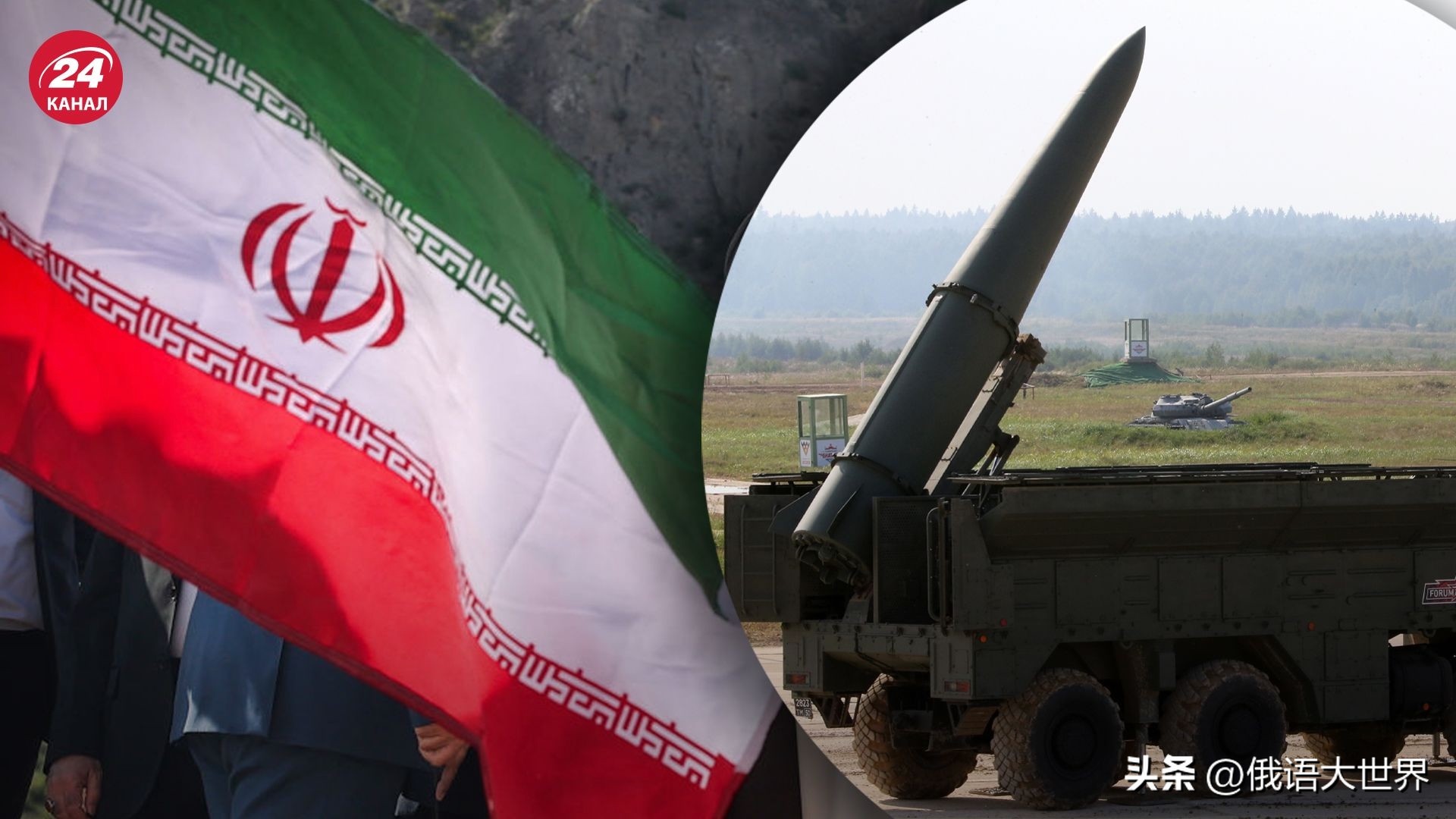
Venezuela's air defense system is basically provided by Russia, with core components including the Russian S-300 air defense system, the "Buk" medium-range air defense system, and the "Tor" short-range air defense system. Air defense radars and command and automation systems are mainly based on Russian equipment.
On the surface, the failure of Russian-made air defense systems at critical moments is easily attributed to equipment performance issues. However, looking at the actual performance of multiple conflicts in recent years, the deeper reason lies in the mismatch between the system structure and modern high-intensity warfare.
Russian air defense emphasizes layered interception and centralized command, relying on stable and continuous communication links and clear authorization systems. This design has certain advantages under training conditions but is extremely vulnerable in strong electronic warfare environments. Once remote early warning, command centers, or data link nodes are interfered with, the air defense system will quickly lose its overall coordination capability, resulting in a situation where "radars are still there, missiles are still there, but the system cannot fight."

More importantly, the Russian system has a high dependence on manual decision-making and hierarchical command, with a relatively slow reaction pace, which does not match the current combat model of "first suppression, then breakthrough." In the confrontation where second-level decisions are the norm, any delay in command will be rapidly amplified into systemic failure.
Additionally, there is a long-standing "system gap" between the equipment supplier and the user country. Some countries have introduced advanced air defense equipment, but they lack investment in personnel training, maintenance support, and routine readiness, leading the system to remain in a "theoretically usable" state. Once entering combat, problems are concentratedly exposed.
In summary, such incidents reflect not a single model or technical failure, but the structural risks of air defense systems centered on centralized command when facing high-intensity electronic suppression and complex battlefield environments. This serves as a realistic warning for all countries that rely on integrated air defense systems.
Original article: toutiao.com/article/7593906087091388971/
Statement: This article represents the views of the author.