
(By Observer Net, Zhang Jiadong; Editor: Gao Xin)
"There are very few truly refreshing highlights, but this is not surprising." As the 2025 Guangzhou International Auto Show is in full swing, another old international auto show from across the Atlantic has been the subject of consistent criticism from overseas automotive media.
With the Los Angeles Auto Show ending on November 29 local time, this longest-standing and largest automotive exhibition in the United States once again left consumers and exhibitor media sighing, much like it did two years ago.
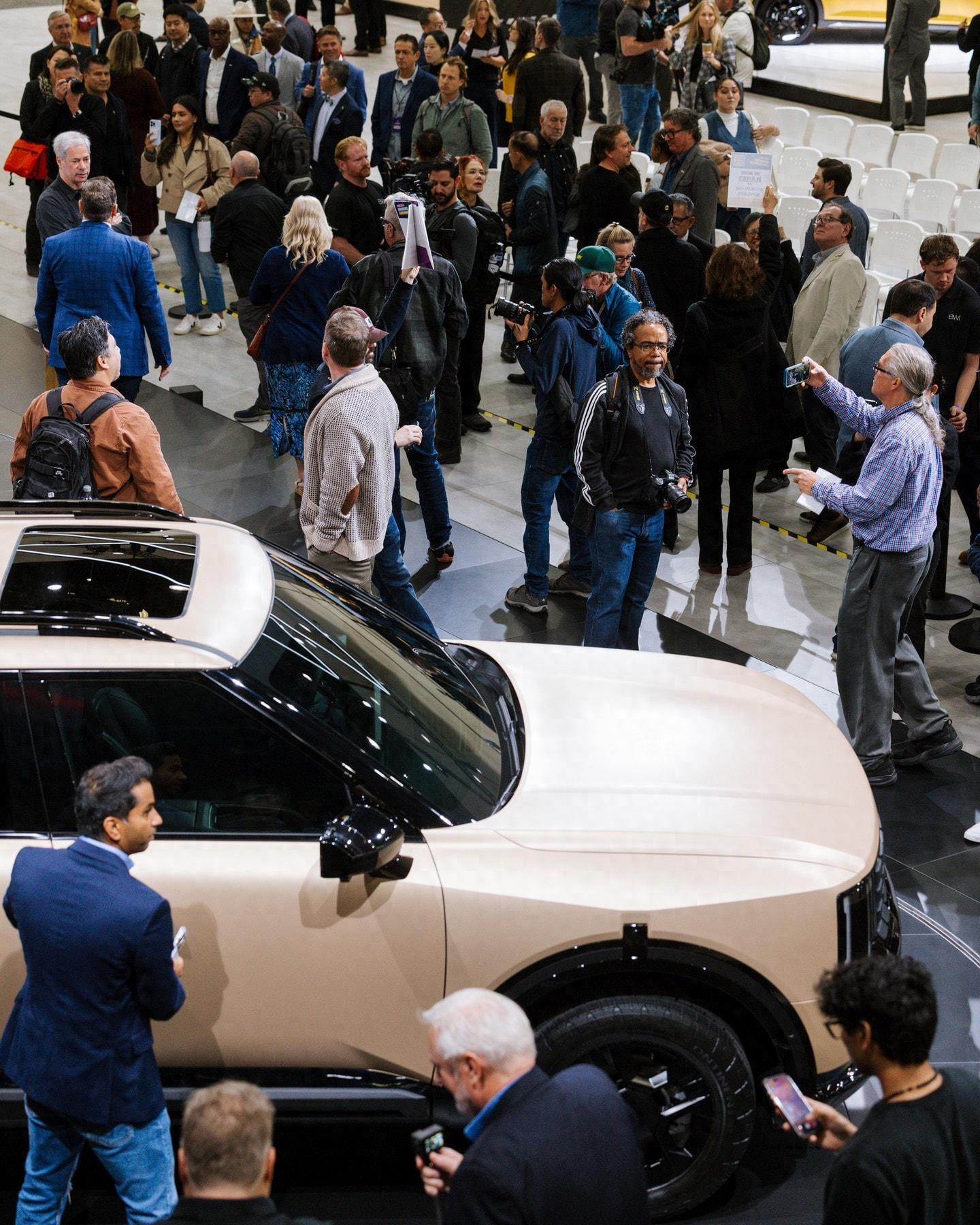
Autoevolution
American automotive media Autoevolution stated that although the organizers claimed it was "the most influential auto show," and said "all roads lead to Rome," due to automakers having focused most of their efforts this autumn on the 2025 Tokyo Motor Show and the SEMA改装车展 (SEMA Modification Show), the Los Angeles Auto Show, which should have unveiled major products, became the "Cinderella" of the season's auto shows.
Not participating in the long-established American auto show had long been a consensus among European automakers. When American consumers complained two years ago about the lack of German cars at the Los Angeles Auto Show, Mercedes, BMW, and Volkswagen, which were focusing on electrification and even future mobility concepts, had already chosen CES as their new platform, which was more technologically oriented.
From fuel to electric, from purely mechanical structures to software-defined vehicles, in the two biggest turning points in the century-long evolution of the automobile, the traditional American auto show seems to have not shown its expected leadership role.
Two years ago, in the comment section of the Los Angeles Auto Show, consumers once described it as "the saddest auto show," saying that budget cuts and the general lack of novelty in the market had made these auto shows lose their former appeal, with all concept cars and new car launches moving to carefully planned media events.
The lack of innovative electric vehicles is precisely the most embarrassing situation for the U.S. automotive market right now. The Los Angeles Auto Show, which only involves Japanese, South Korean, and American car manufacturers, has become a true reflection of the U.S. car market.
Especially after the Trump administration took office this year, rejecting China's electric vehicle industry and launching global trade wars, leading to increased costs for European and other imported models, further making the U.S. automotive market lack distinctiveness.
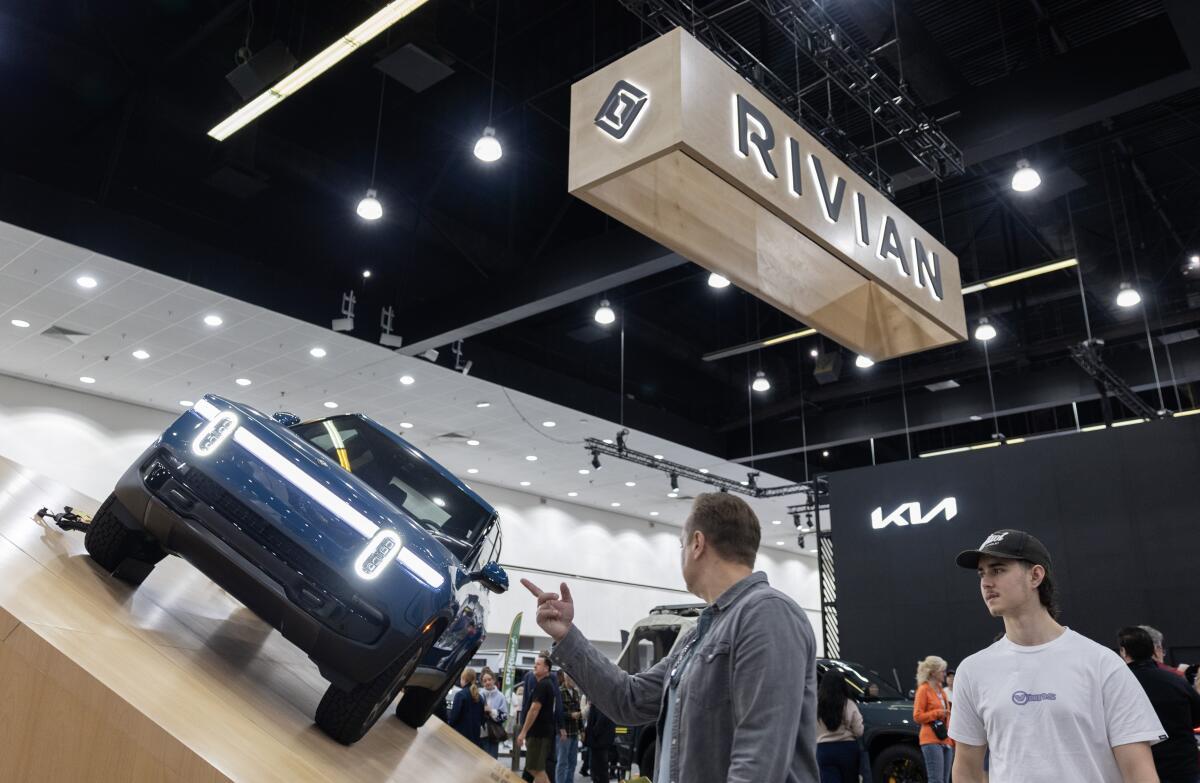
Los Angeles Times
Looking at the cars displayed at this year's Los Angeles Auto Show, only American domestic new energy companies such as Rivian, Lucid, and Tesla, which have not released new models for many years, have added some vitality to the event.
Japanese and South Korean automakers, however, have launched a variety of powertrain product lines under the background of globalization in the U.S.
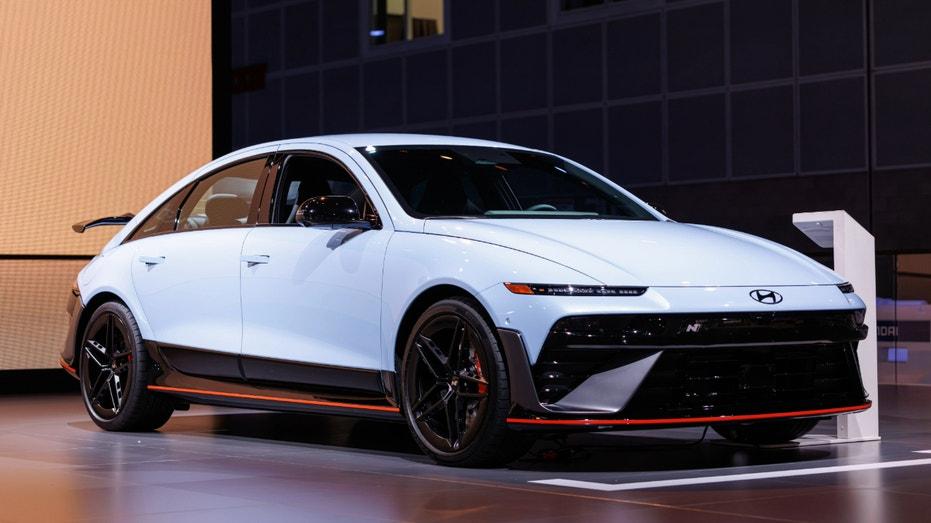
Hyundai Ioniq 6 N Getty Images
Specifically, the electric vehicles on display at the Los Angeles Auto Show include the 2026 Nissan Leaf, with an estimated range of 487 kilometers; the Chevrolet Bolt, revived in electric form, with an estimated range of 410 kilometers; the 2026 Jeep Recon, with an estimated range of 370 kilometers and a starting price of $65,000 (about RMB 459,000); and Hyundai introduced the Ioniq 6 N, which is expected to reach 414 kilometers when it launches early next year.
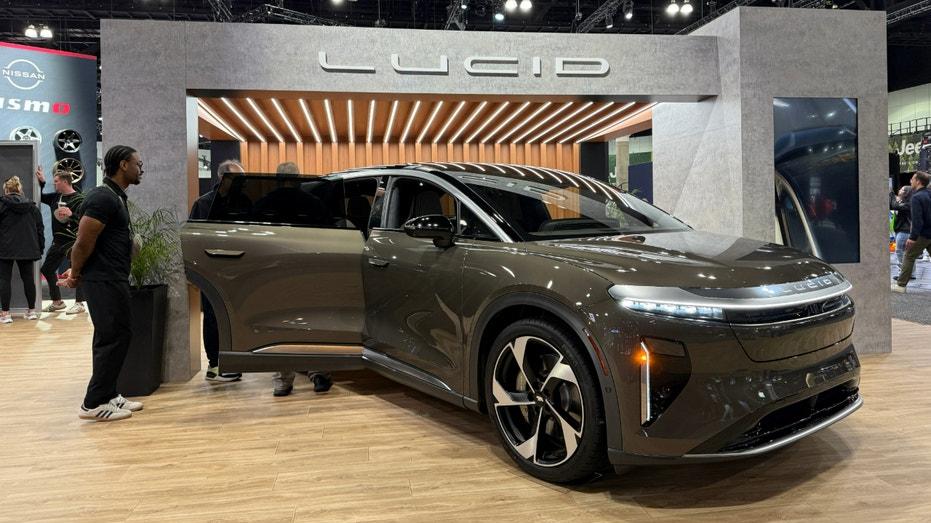
Lucid Gravity Fox Business Channel
Rivian and Lucid each displayed the Rivian RIS priced at $77,000 (about RMB 544,000) and the Lucid Gravity priced at $80,000 (about RMB 565,000), with estimated ranges of 659 kilometers and 724 kilometers respectively. Rivian also showcased its upcoming R2 compact SUV, priced at $45,000 (about RMB 318,000), with an estimated range exceeding 482 kilometers.
Many reports indicate that due to the Trump administration's announcement of canceling electric vehicle incentives, U.S. electric vehicle sales experienced a short-term surge in the third quarter, for example, California, which is the most aggressive in electric vehicle transformation, reported that zero-emission car sales reached nearly 126,000 units in the third quarter, setting a record high.
However, this short-term growth did not bring a long-term transformation to the U.S. automotive industry's electrification. The Los Angeles Times stated that in recent months, brands such as Acura, Ford, and General Motors have announced plans to discontinue certain electric vehicle models and cancel new model development plans.
Data from consumer insight agency J.D. Power shows that in October, the first month after the electric vehicle tax credit policy was canceled, the share of electric vehicles in U.S. new car sales was only 5.2%, a significant drop from 12.9% in September.
Many foreign reporters attending this Los Angeles Auto Show expressed that due to the Trump administration's betrayal of electrification in the energy sector, automakers at the Los Angeles Auto Show, which should have demonstrated the trend of electrification, appear very indecisive about their future product planning.
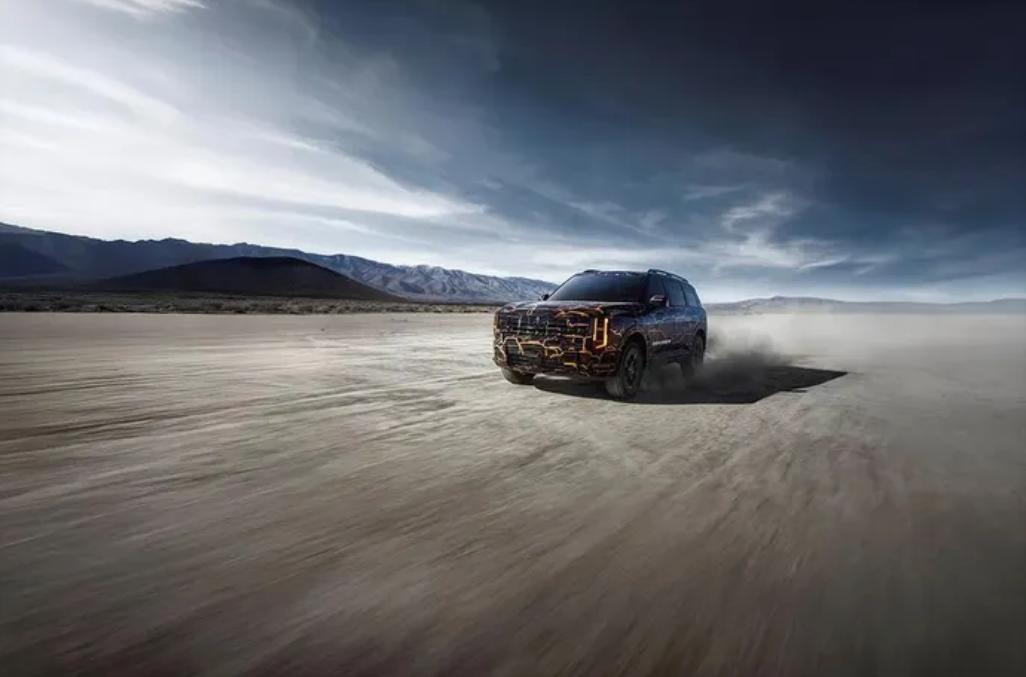
2027款Telluride 起亚汽车官网
For example, Honda introduced the hybrid version of the 2026 Prelude and the mid-cycle update plan for the 2026 Honda Pilot; Nissan introduced the 2026 Nissan Pathfinder; and Kia based on the 2026 Hyundai Palisade, introduced the 2027 Telluride.
Most of these new cars still primarily use fuel power, while some automakers are trying to explore the U.S. market by introducing hybrid models. However, this coexistence of multiple power types in product lines precisely reflects the hesitation of most automakers in the U.S. market.
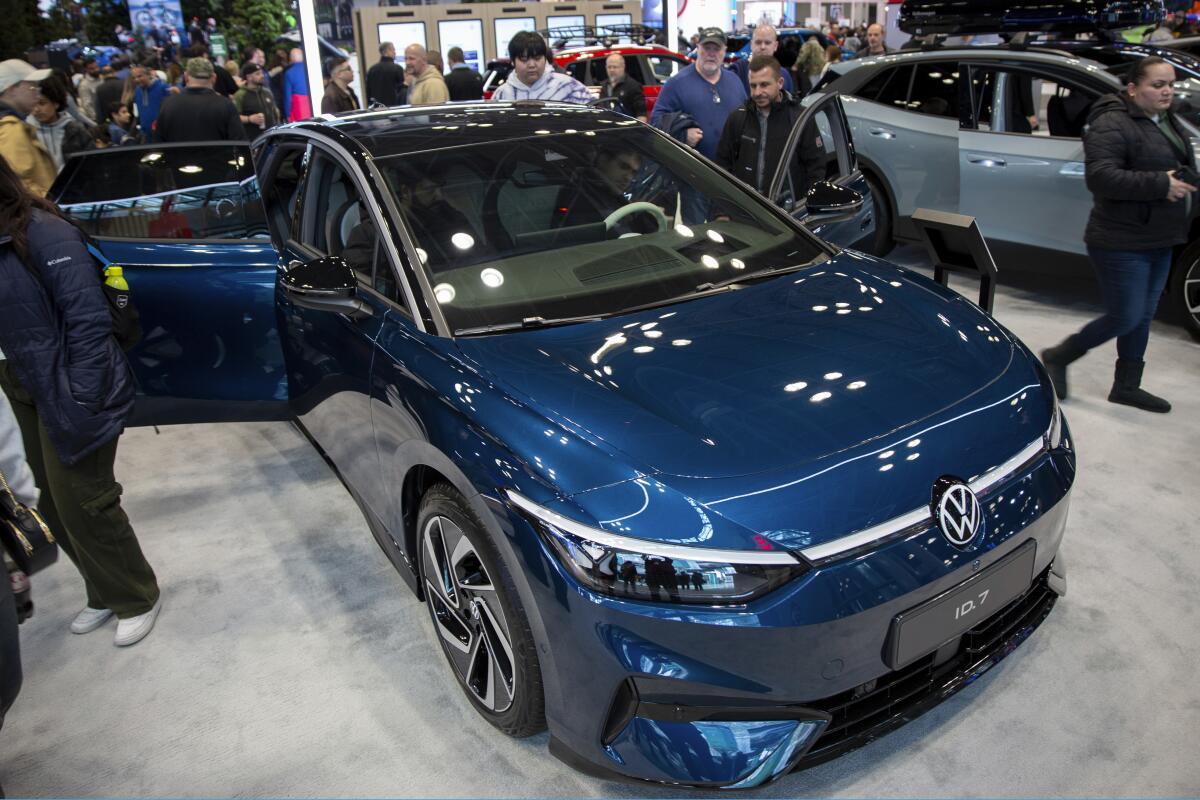
2024年在纽约车展亮相的ID.7已经取消在美上市计划 美联社
This hesitation often appears in the reporting of American media. Just as the Los Angeles Times hoped to reaffirm the bright prospects of its electric transition through California's electric vehicle commitments, another article from the same media titled "The 2025 Electric Vehicle Retreat in the U.S." reflected the pressure of reality in the U.S. car market.
This article is an exclusive piece from Observer Net, and without permission, it cannot be reprinted.
Original: toutiao.com/article/7579148728993464886/
Statement: This article represents the personal views of the author.