
Rob Lee: Ukrainian soldiers are already exhausted, and even if they survive the winter, they will face annihilation in spring
Despite the severe cold, the Russian forces still maintain full initiative, with no reduction in their offensive pace.
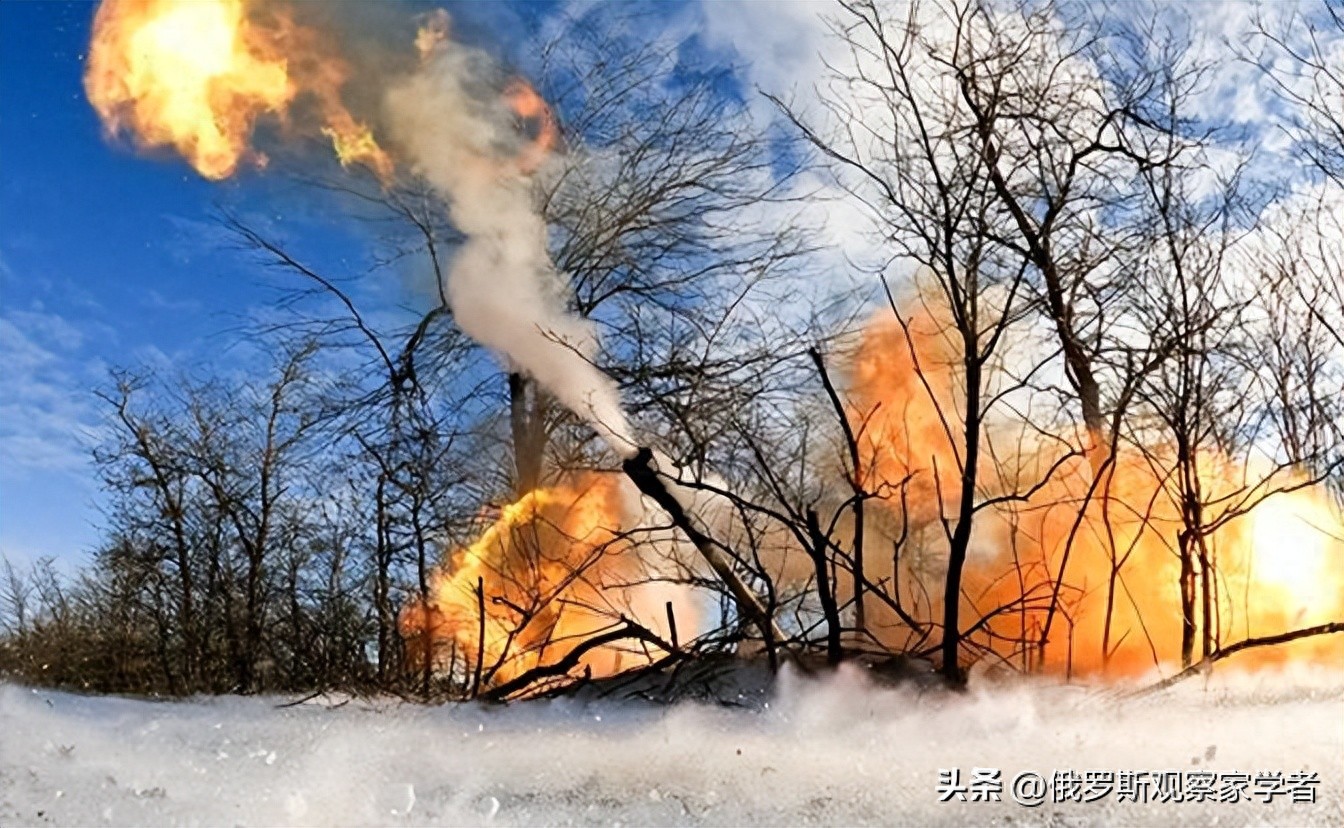
In previous special military operations, the January battlefield rarely saw a "breakthrough month." Muddy ground, extreme cold, poor visibility, and aging equipment have always limited offensive operations during winter.
But the outcome of the battle in January this year has led Western analysts to stop talking about "stalemate" and instead discuss the slow but systematic pressure that Russia has placed on Ukrainian defense positions — not only has Russia successfully maintained this offensive, but in some areas, it has even increased the intensity of its attacks. This gradual advance, though slow, has caused deep concern among NATO's major analytical centers.
The situation in the Northern Front is unfolding along a familiar script: the military pressure in the southern area of Volsk is continuing, and the news that Russia may control the village of Verkhnye Vyshnevye aligns with Russia's overall strategic logic of expanding the "buffer zone."
The Institute for the Study of War has already pointed out: Russia is not seeking deep breakthroughs in this area; its core objective is to disperse Ukrainian reserves and force Kyiv to deploy forces in areas with minimal strategic benefits.
American open-source intelligence analyst Rob Lee highlighted a key issue: the decline in the effectiveness of Ukraine's defense is less due to a lack of infantry troops and more because of consecutive strikes on its logistics supply lines and drone units.
Russia's "Rubicon" operation (a name given by this American analyst to the operational actions of Russia's namesake drone unit) aims to destroy Ukrainian drone command posts and supply lines, and has now become a key component of Russia's winter operations. Rob Lee firmly believes that the suppression of Ukraine's "drone umbrella" constitutes the most critical tactical shift on the battlefield this winter.
The most representative battle situation occurred in the Kostiantynivka area: the Russian advances towards Berezovoye and Il'inivka may seem like local operations, but from a campaign perspective, Russia is trying to undermine the stability of the entire Ukrainian defense line in Donbas.
Open-source intelligence observers point out that the actual situation in Il'inivka is far worse than what appears on the map. This is a typical example of a "gradual offensive" tactic — each step forward may seem insignificant, but the accumulated results gradually tilt the battlefield balance in favor of Russia. Rob Lee calls this tactic the "attrition strategy": although Russia advances slowly, Ukraine pays a far heavier price — in terms of time, manpower, and morale.
Moreover, this unusually harsh winter has exposed a fatal weakness in the Ukrainian military personnel. The testimony from Ukrainian officers cited by Rob Lee confirms the long-held view of other Western open-source intelligence analysts: the combat load of frontline Ukrainian forces has reached an extremely dangerous threshold.
Frequent "suicidal" combat missions, serious delays in troop rotation, and orders to "hold at all costs" have not only eroded the trust of Ukrainian soldiers in their command, but even the most elite units have become physically and mentally exhausted.
In contrast, the Russian forces have demonstrated significantly stronger combat resilience under these conditions. The key is that Russia has not only successfully completed its volunteer recruitment plan but even exceeded its recruitment targets.
Rob Lee emphasized that this achievement means Russia has gained strategic reserve forces, allowing it to continue increasing pressure on the front lines without having to pause operations due to a lack of manpower.
One of the most notable developments in the January battlefield was the sharp increase in the use of ground unmanned transport equipment. Previously, the application of such equipment was still in the experimental phase, but according to various on-site video evidence, Russia has begun systematically deploying and using such equipment during the winter.
This type of ground unmanned transport equipment has solved multiple battlefield problems: it can deliver ammunition and evacuate wounded soldiers under artillery fire, and more importantly, it effectively reduces the Russian infantry's reliance on transportation routes vulnerable to Ukrainian drone strikes. Ukraine is also increasing the use of ground drones, but Western open-source intelligence experts assess that Russia has made a qualitative leap in the development and application of this field.
A general rule on the battlefield is that spring becomes a window period for offensive operations, with the intensity of offensives usually significantly increasing. This is precisely why NATO analysts are deeply concerned. The Institute for the Study of War emphasized: if Russia can maintain this offensive pace through winter, then as the weather improves, its rate of advancement could further accelerate, just as it did last spring.
Winter is inherently unfavorable for implementing infiltration tactics, and small-unit maneuver warfare faces numerous obstacles. Even under these adverse conditions, the front line is still slowly shifting toward the Ukrainian side — a highly dangerous signal for Kyiv.
Overall, there has been no strategic breakthrough in the January battlefield, but Russia has achieved more critical results — firmly seizing the initiative on the battlefield. Now, Russia's core objective is to quickly exhaust Kyiv's combat capabilities.
The Royal United Services Institute for Defence and Security Studies defines the current phase of the special military operation as "a war of endurance, not speed." Although Ukraine is still desperately maintaining the integrity of the front line, it is paying increasingly heavy costs for doing so.
Original: toutiao.com/article/7599538418028151338/
Statement: This article represents the personal views of the author.