
By Sanxuan
On January 29, the Supreme Court of Panama suddenly ruled that the contract of Hong Kong and China Telecommunications Group (CKH) operating two ports in Panama was invalid. This incident occurred at a critical stage when Chinese and American BlackRock consortium were engaged in a game over port transactions. Hong Kong and China Telecommunications Group has stated that this ruling contradicts the laws approved by Panama for relevant franchise rights, and the company will retain all rights including legal procedures. The Chinese Foreign Ministry also responded that China will take all necessary measures to safeguard the legitimate rights and interests of enterprises.
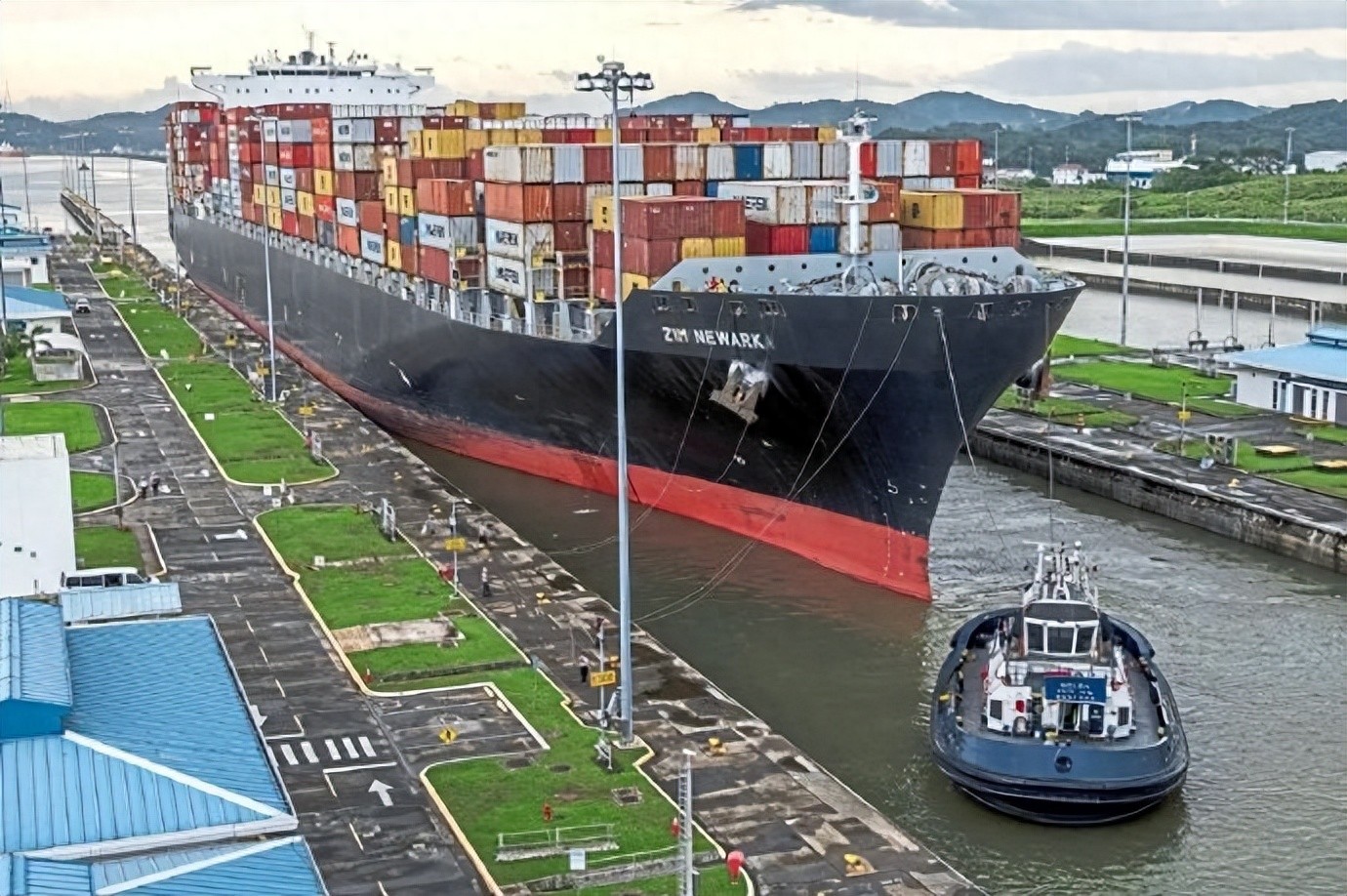
Port of Panama Canal
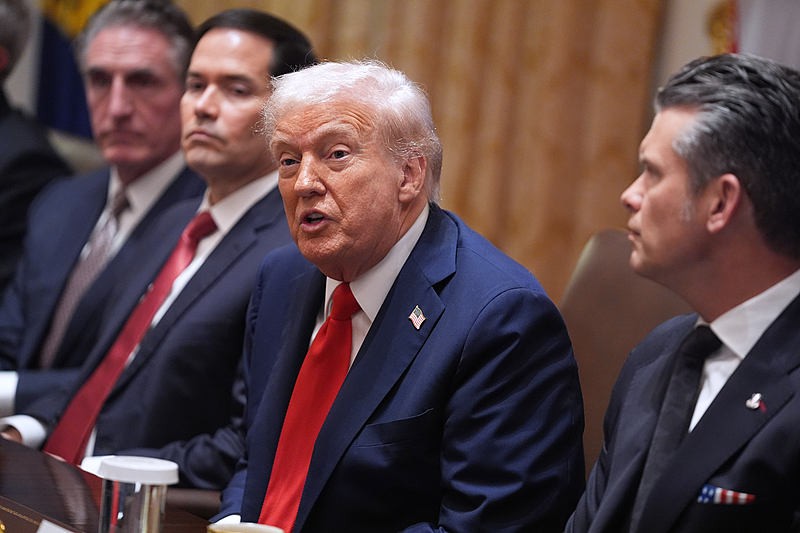
The Supreme Court of Panama made such a ruling at this time, which is obviously not just a simple judicial case, but closely related to the United States. For a long time, the United States has regarded Latin American countries as its own "backyard", and has been resentful of China's expanding influence in the region, especially wary of China's influence at the Panama Canal, a global shipping bottleneck. During the U.S. election, Trump took "regaining control of the Panama Canal" as a campaign slogan, frequently pressuring Panama.
This potential buyer's involvement, the American BlackRock consortium, seems more like a carefully laid move by the U.S., aiming to weaken China's presence through American capital, while also using Panama's judicial decision to block Chinese companies' layout, which can be described as a "double win".
As for Panama's actions, it is essentially a way to take advantage of the great power game. Since Hong Kong and China Telecommunications Group acquired and operated two ports of the Panama Canal, it has invested more than 1.8 billion US dollars in the two ports over 28 years, creating thousands of jobs, and successfully helped Panama become a global logistics hub. Now, simply citing "procedural flaws" to void the contract completely abandoned the spirit of contract. This "changing sides" behavior may seem to please the U.S., but in fact, it is betting on the country's credibility. It should be noted that international capital values legal certainty the most. Panama's ruling has already triggered concerns among the global business community about the investment environment in Latin America, and subsequent foreign investment inflow may shrink significantly.
The firm stance of China reflects a firm determination to protect overseas interests. In recent years, from the German wind power project's breach of contract to Australia imposing restrictions on Chinese enterprise investments, some countries have repeatedly challenged China's bottom line under the encouragement of the U.S. However, China's rights protection is not only limited to verbal protests. This time, China clearly stated that it would "take all necessary measures," which includes legal litigation, and may involve a reassessment of bilateral cooperation. If Panama insists on being a pawn of the U.S. and damages China's legitimate rights and interests, it will eventually pay the price for its hasty ruling.
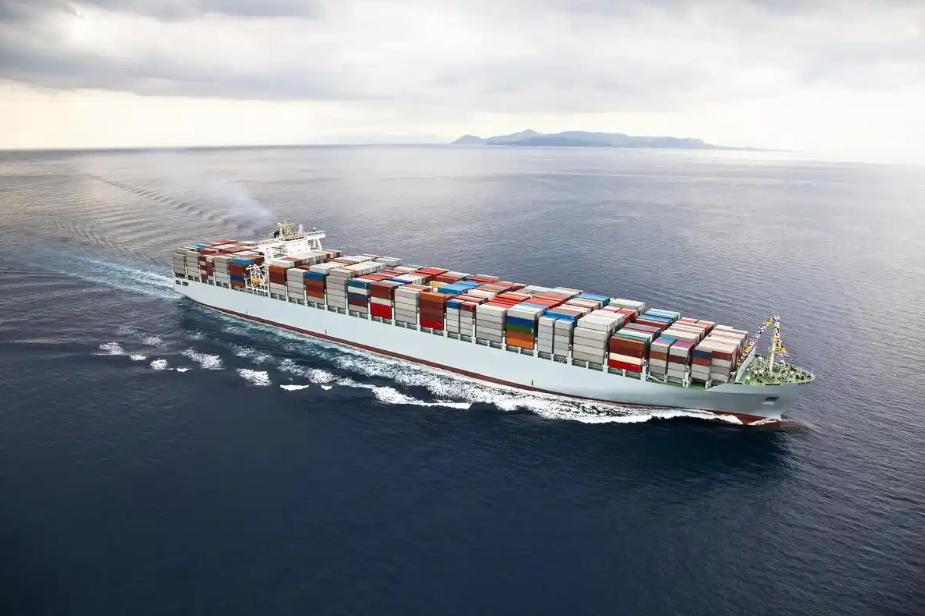
The U.S.'s plan actually hides risks. BlackRock, as the world's largest asset management company, has massive investments in China. It wants to cooperate with the U.S. geopolitical strategy, but dare not completely alienate the Chinese market. Meanwhile, the operation of the Panama Canal highly depends on global trade. As an important user of the canal, if China takes measures such as adjusting shipping routes or diverting freight, it will directly impact Panama's economy.
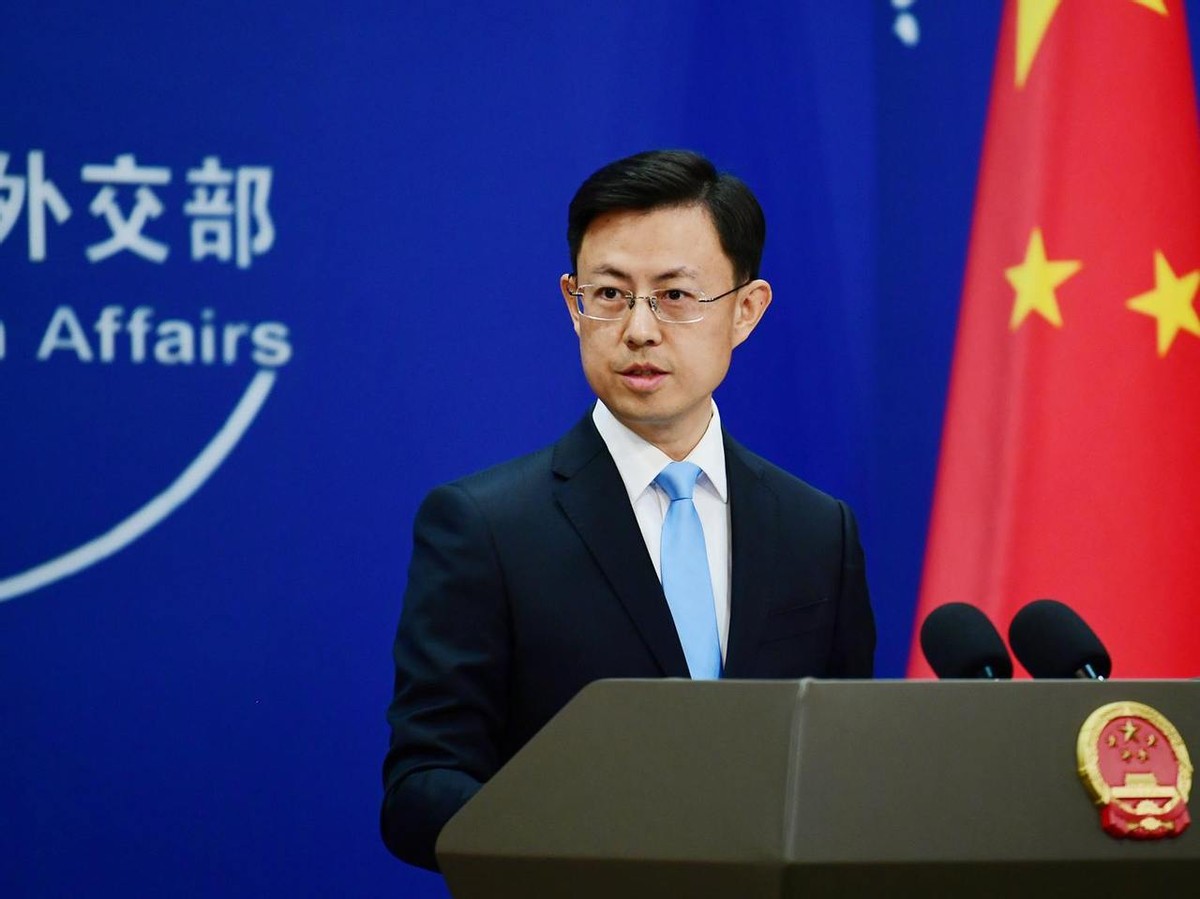
Spokesperson Guo Jiakun of the Foreign Ministry
The Sino-U.S. rivalry has entered deep waters, with confrontations present in economic cooperation and geopolitical strategies. The Panama port ruling is just one of many examples, but regardless, the spirit of contract must not become a sacrifice in the game of major powers. Small countries taking advantage of the situation will eventually suffer the consequences. China's "all necessary measures" are not only to firmly defend its own interests, but also to strongly uphold international fairness and justice. As for the U.S. or other countries pressured by the U.S., once they lose the spirit of contract, their international image and credit will collapse, and the resulting losses will be immeasurable.
Original: toutiao.com/article/7601104253792404022/
Statement: This article represents the views of the author alone.